

Share with others:

Apple limited the radiation of the iPhone 12, but not without compromises
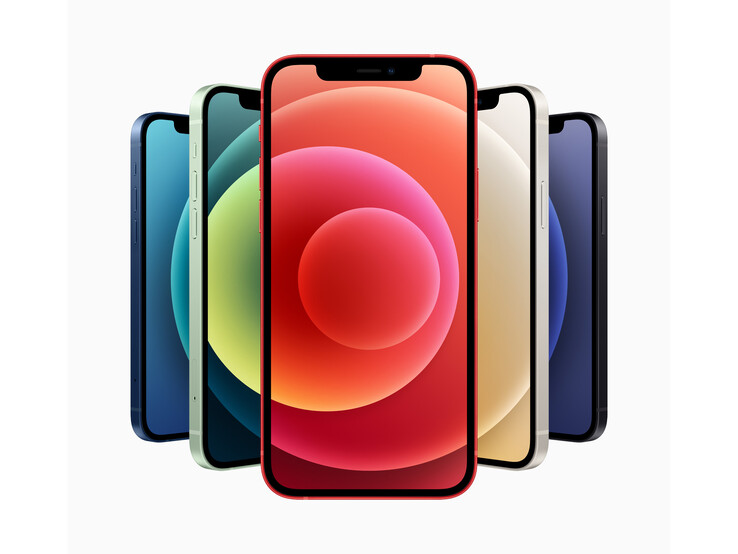
The French regulatory body recently found that the iPhone 12 emits more radiation than is allowed in France. They demanded that Apple stop selling the phone in the country and threatened to recall phones that had already been sold if Apple did not fix the problem. Apple has denied the allegations, saying the iPhone 12 is certified by several international organizations as meeting global radiation standards.
However, in the same breath, Apple announced that it would release a software update for the iPhone 12 to comply with France's radiation requirements. In an official statement, they said that the issue will be resolved with the release of iOS 17.1, which will prevent the iPhone 12 from using more power when the device is in contact with static surfaces.
“iOS 17.1 includes an update for iPhone 12 users in France to comply with this specific testing protocol that requires reduced power when on a static surface,” reads the official Apple Support page.
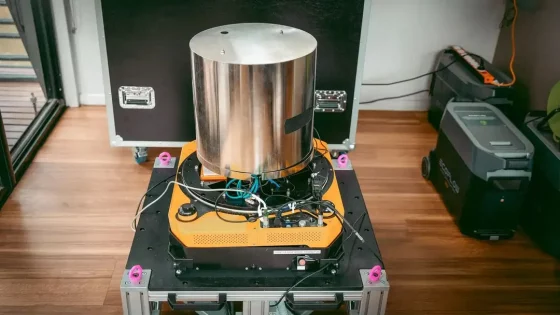
“iPhone 12 will no longer increase the allowed power when it detects a state outside of body contact, such as when it is on a table. Therefore, in coverage areas where the cellular signal is weak, this change in antenna transmit power may result in slightly worse cellular performance in certain use cases. Most users should not notice any change,” the note says. For information on how the situation came about: The French national radio frequency emissions regulator ANFR tested 141 iPhone 12 phones and found that they exceeded the legal limit for radiation emissions in body contact.
Apple immediately noted that their phones use sensors that detect how close the phone is to the user's body and automatically adjust the radio signal strength so that it is not too strong. When the phone is not close to the user's body, such as when it is on a table, it uses slightly more transmission power. Apple said the French testing protocol did not account for this feature. They also tested the phones with a mannequin that the phones didn't recognize as human, and thus didn't adjust their radiation power properly.
Now, to fix the problem, Apple has released a software update that disables on-body sensing technology and ensures that the phone always operates at lower transmission power levels. “iPhone has sensors that detect when the phone is on a static surface, like a table, and when it’s in your hand or pocket. This sensing mechanism, which has been used in all iPhones for over a decade, allows the device to slightly increase transmission power in these scenarios to optimize performance.”
Apple stressed that the iPhone 12 is safe to use even without a software update. The update is primarily intended to address concerns raised by the French regulatory authority. “We want all iPhone 12 users to know that the phone is safe to use and always has been.”