

Share with others:

The first European sodium-ion cell made entirely from local materials
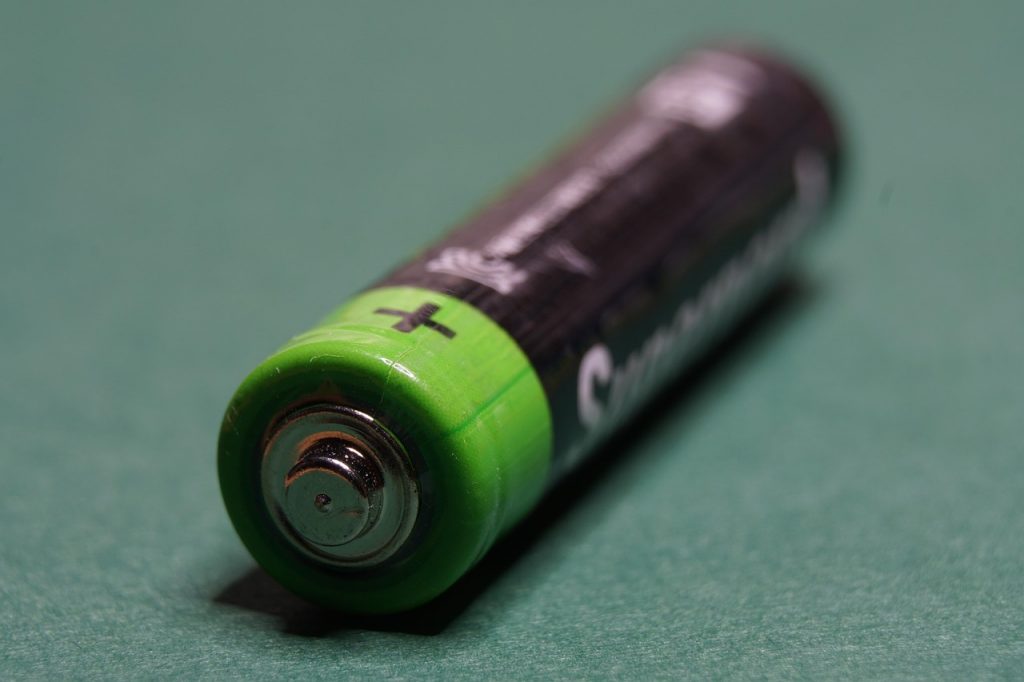
A research team from Batri and Swansea University has produced Europe’s first sodium-ion battery cell designed entirely from homegrown materials. They have succeeded in developing a cylindrical 18650 cell using materials developed and manufactured in the UK. This represents a significant step towards greater European independence in the field of batteries.
The new cell combines sodium-ion chemistries developed by Batri and Swansea University, including a composite carbon derived from Welsh anthracite. Both the anode and cathode materials are manufactured entirely in the UK. Batri’s technical director, Stephen Hughes, described the achievement as proof that “sovereign battery manufacturing is feasible and already happening in Wales.”
The project was supported by the Faraday Institution, which provided funding for the materials development, testing and incorporation into a commercially viable cylindrical format. Batri said the demonstration cell was just the start of a wider development programme, with several new cells already in production, while the company is expanding its materials manufacturing capabilities and in-house battery cell manufacturing in Wales.
Batri is also working with partners such as AceOn Group to integrate sodium-ion cells into swappable battery modules and customized energy systems. AceOn CEO Mark Thompson stressed that the next phase will focus on modular solutions that can be quickly scaled up as needed.
A key part of the collaboration between Batri and Swansea University is establishing local supply chains for active materials. The research also includes examining how anthracite, a hard form of coal, can provide high-performance carbon anodes, further strengthening the UK’s position in sodium-ion technologies.