

Share with others:

Xiaomi Redmi Note 15 Pro+ and 15 Pro 5G test – they are brothers, but one has more potential

The Redmi Note series is not Xiaomi's most flashy series, but it is still the one that spreads the most massively around the world every year. It is a phone for the people, a people's phone, like the Ficco or Golf used to be.
Although they followed the same formula as previous years, at least my opinion of the two latest phones has changed a bit this year. Maybe I've become more cynical or stricter about phones and what they have to offer for €400-500. If you're buying in the higher range, that's not a lot of money. But for a normal user, that's not easy to pull out of your wallet, and if I were in that position, I'd really want to make sure I'm getting the best phone possible.
It would be logical to expect that the Xiaomi Redmi Note 15 Pro+ would ultimately be the better choice. However, it has a plus badge in its name, which means it's something extra, right? I don't think so.
| Advantages | Weaknesses |
| Excellent display | Still older RAM and drive standards |
| The main camera is okay. | The ultra-wide camera is very average |
| Performance at a satisfactory level | The price could be better. |
| The phones are durable | |
| Solid battery and fast charging |
Xiaomi Redmi Note 15 Pro+ and 15 Pro 5G price and specifications
· Xiaomi Redmi Note 15 Pro+ 12GB/512GB: 549 € (€20 more expensive than last year)
· Xiaomi Redmi Note 15 Pro 5G 8GB/256GB: 399 €
· Xiaomi Redmi Note 15 Pro 5G 8GB/512GB: 449 €
Available in Xiaomi store and with operators. Xiaomi Redmi Note 15 Pro is available in 5G and 4G version, which is €50 cheaper (also applies to the regular Redmi Note 15). I do not agree with this division in 2026, because Xiaomi is only artificially increasing the number of phones they have introduced, and the user does not benefit much from it. It may even happen that the user will not pay attention and buy the 4G version, and later complain that he cannot connect to the 5G network.
| Xiaomi Redmi Note 15 Pro+ | Xiaomi Redmi Note 15 Pro 5G | |
| Screen | 6.83-inch AMOLED, 120 Hz, 3200 nits, 3840 Hz PWM | 6.83-inch AMOLED, 120 Hz, 3200 nits, 3840 Hz PWM |
| Chip | Snapdragon 7s Gen4 | MediaTek 7400 Ultra |
| Graphics core | Adreno 810 | Mali-G615 MC2 |
| RAM | Up to 12GB LPDDR4X | 8GB LPDRR4X |
| Drive | Up to 512GB UFS 2.2 | Up to 512GB UFS 2.2 |
| Battery | 6500 mAh (silicon-carbon) | 6580 mAh (silicon-carbon) |
| Weight | 207g | 210g |
| System | HyperOS 2 (Android 15) | HyperOS 2 (Android 15) |
| Support | 4 years of Android upgrades, 6 years of security patches | 4 years of Android upgrades, 6 years of security patches |
| Main camera | 200 MP (f/1.7), 23mm, OIS | 200 MP (f/1.7), 23mm, OIS |
| Ultra-wide camera | 8 MP (f/2.2), 15mm, 120° | 8 MP (f/2.2), 15mm, 120° |
| Front camera | 32MP (f/2.2) | 32MP (f/2.2) |
| The rest | IP68/IP69K, NFC, eSIM, Bluetooth 5.4, Wi-Fi 6E | IP68/IP69K, NFC, eSIM, Bluetooth 5.4, Wi-Fi 6 |
Xiaomi Redmi Note 15 Pro+ and 15 Pro 5G share many components
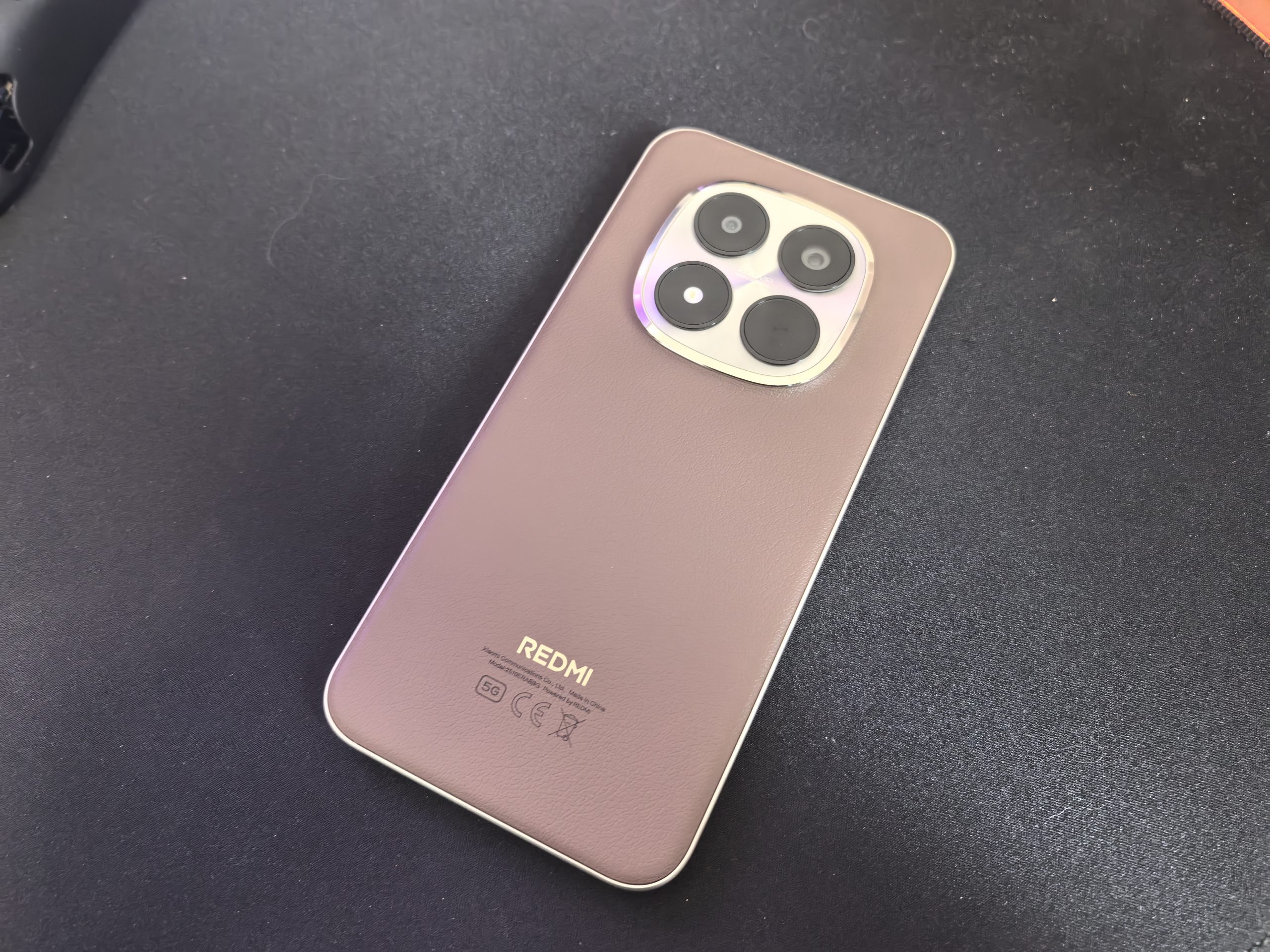
Front, back, left, right, wherever you look, you won't notice the difference between the Xiaomi Redmi Note 15 Pro+ and 15 Pro 5G, unless you buy the Redmi Note 15 Pro+ with vegan leather (grayish brown color). They didn't put much effort into diversity, that's immediately clear. They didn't deviate from last year's look either, which is good if you liked it a year ago, but worse if you were expecting something bolder, like me. There aren't many curves, mostly just on the edges of the case and sides. For me, it's just enough that both phones are comfortable to hold and nothing cuts into your palm.
Okay, they didn't waste time on makeup, but they spent the time saving on the durability of the phone. Just like with HONOR Magic8 Lite Both models boast all the best durability standards I've seen in phones at the moment. Even some of the best phones that cost twice or three times as much don't have these ratings: IP68/IP69K for protection against dust, foreign objects, water (up to 2 meters for 24 hours) and water jets, and an SGS rating for drops from 2.5 meters. The screens are protected by Gorilla Glass Victus 2 (the same as last year).
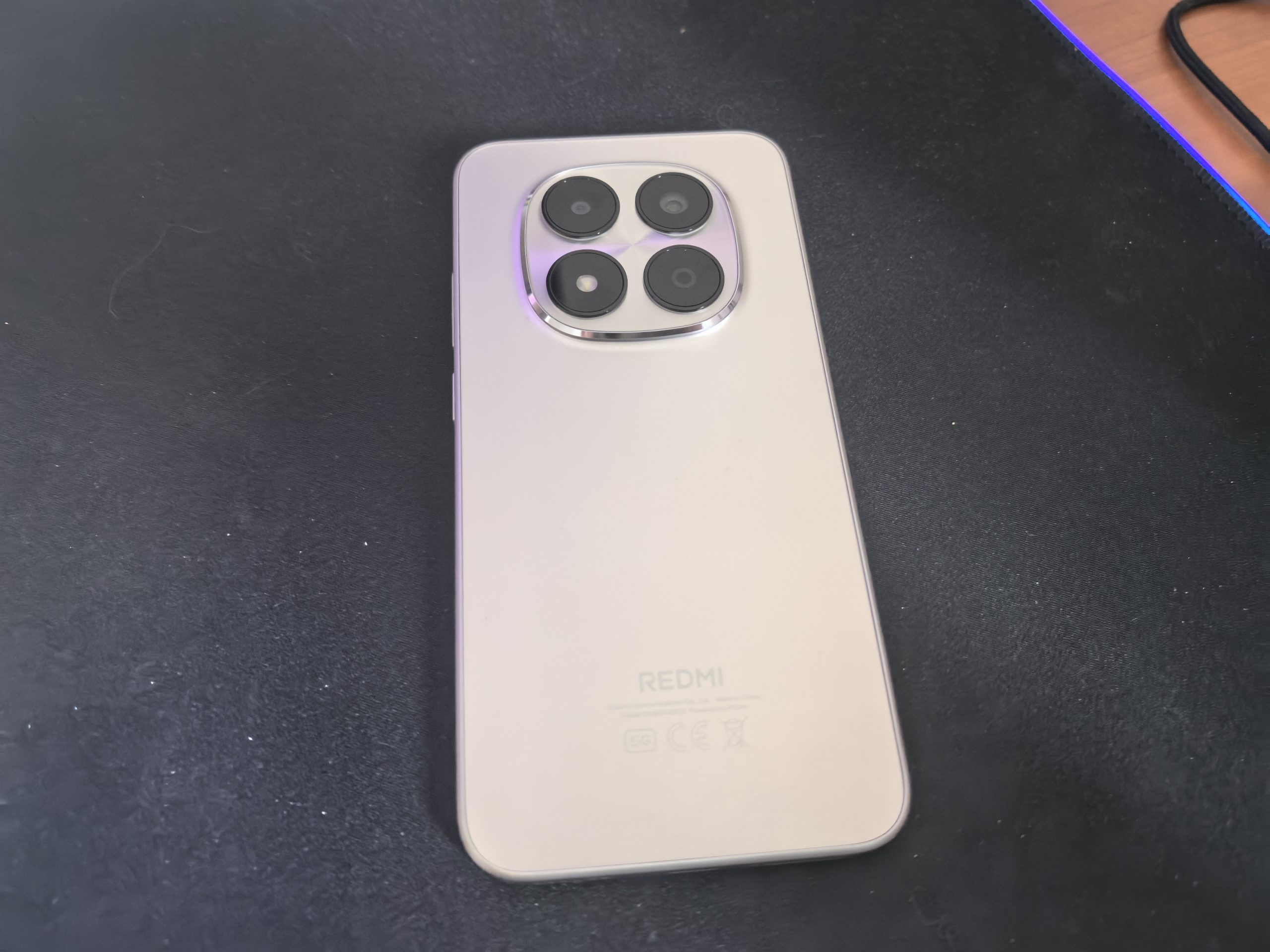
They've also upgraded the screen to better detect our touches when it's wet. If your phone accidentally falls into water or gets wet in the rain, you can help dry it with the included function, which uses vibrations to remove any remaining water and dust from the speakers.
Theirs endurance I didn't test it the same way as the HONOR Magic8 Lite. Given that they share the same markings, and were tested in a very similar way, I can expect very similar durability, which turned out to be top-notch.
They also stayed with the older USB-C standard (2.0), which doesn't support video, meaning you won't be able to connect it to a monitor with a cable if you want to (but you can project the screen). They also stick to the idea that the user doesn't need a charger in the box or that they already have a compatible one at home (100W for the Pro+ and 45W for the Pro). You do get a solid protective case and cable, though.
AMOLED screens have become even brighter and easier on the eyes
What do we actually need from a screen? We want it to be clear and transparent enough, even when it's shining brightly. Both the Xiaomi Redmi Note 15 Pro+ and the 15 Pro have a maximum brightness of 3200 nits/candels (200 more than last year), which in my opinion is enough except maybe on a really crazy sunny day. So, a checkmark for brightness. Speed? 120-Hz refresh has been the standard for some time now, except for phones around €100. Some gaming phones have more than that, and then there's the question of whether anyone even notices the difference between 120 and 144 Hz. Another checkmark.
What about colors and contrasts? If you're one of those who likes to watch a series or movie on your phone, you shouldn't have any problems with how the new Redmi Note phones display scenes. Colors are dynamic (you can adjust the warmth and the like in the settings), contrasts are also good or expected for an AMOLED panel. Some will also appreciate support for HDR10+ and Dolby Vision. The third check mark.
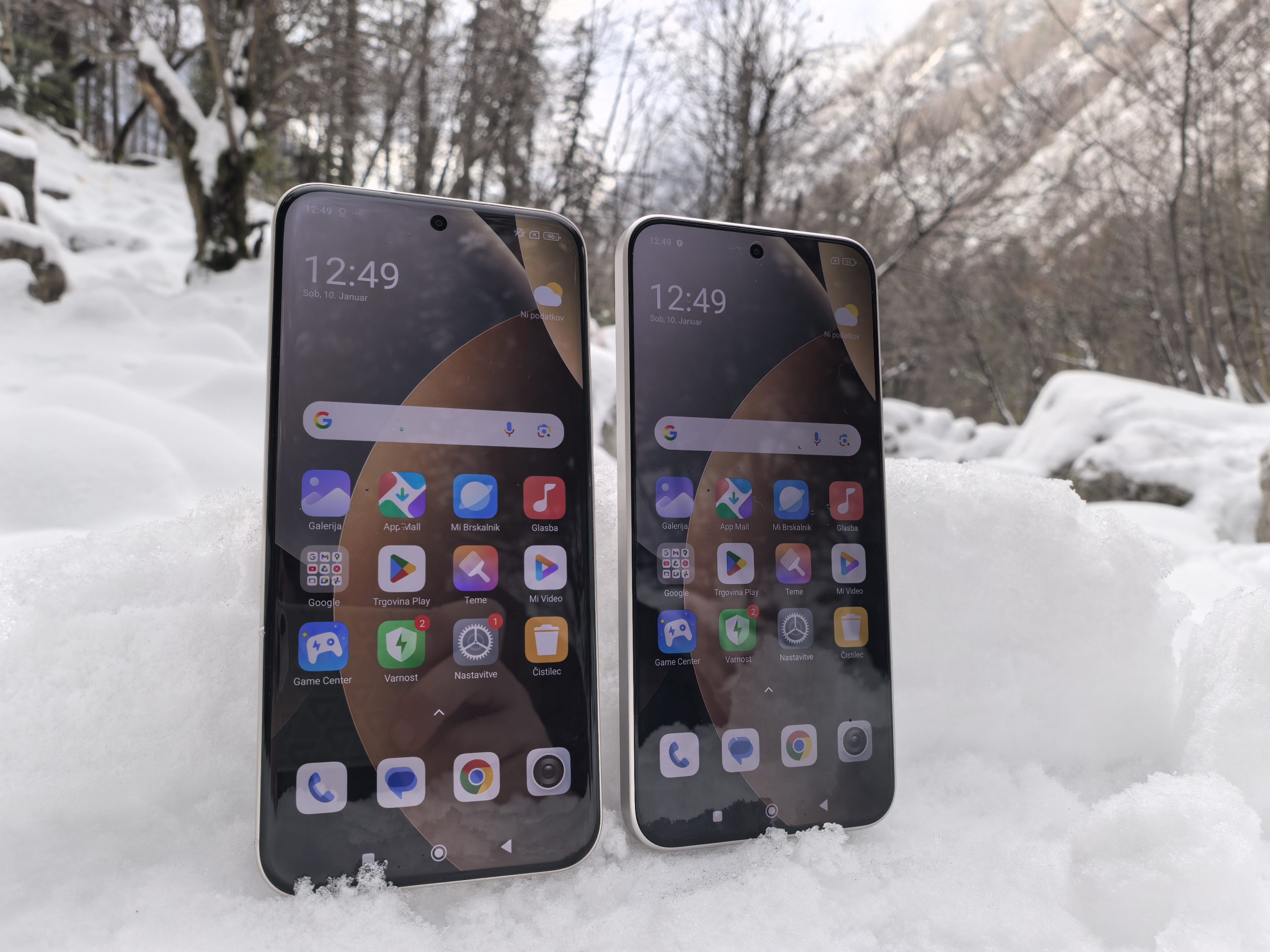
And the last like is for being easy on the eyes. They didn't opt for DC dimming, but for PWM with a high refresh rate (3840 Hz), which means there's less risk of screen flicker causing discomfort to your eyes.
We are all different when it comes to screen sizes. There are fewer people who prefer more compact phones, which are dying out, and more users who like larger screens, which are better for absorbing content on YouTube and everywhere else on the web. Both Redmi Note phones have the same size, 6.83 inches, with a resolution of 2772 x 1280.
There is still plenty of capacity left.
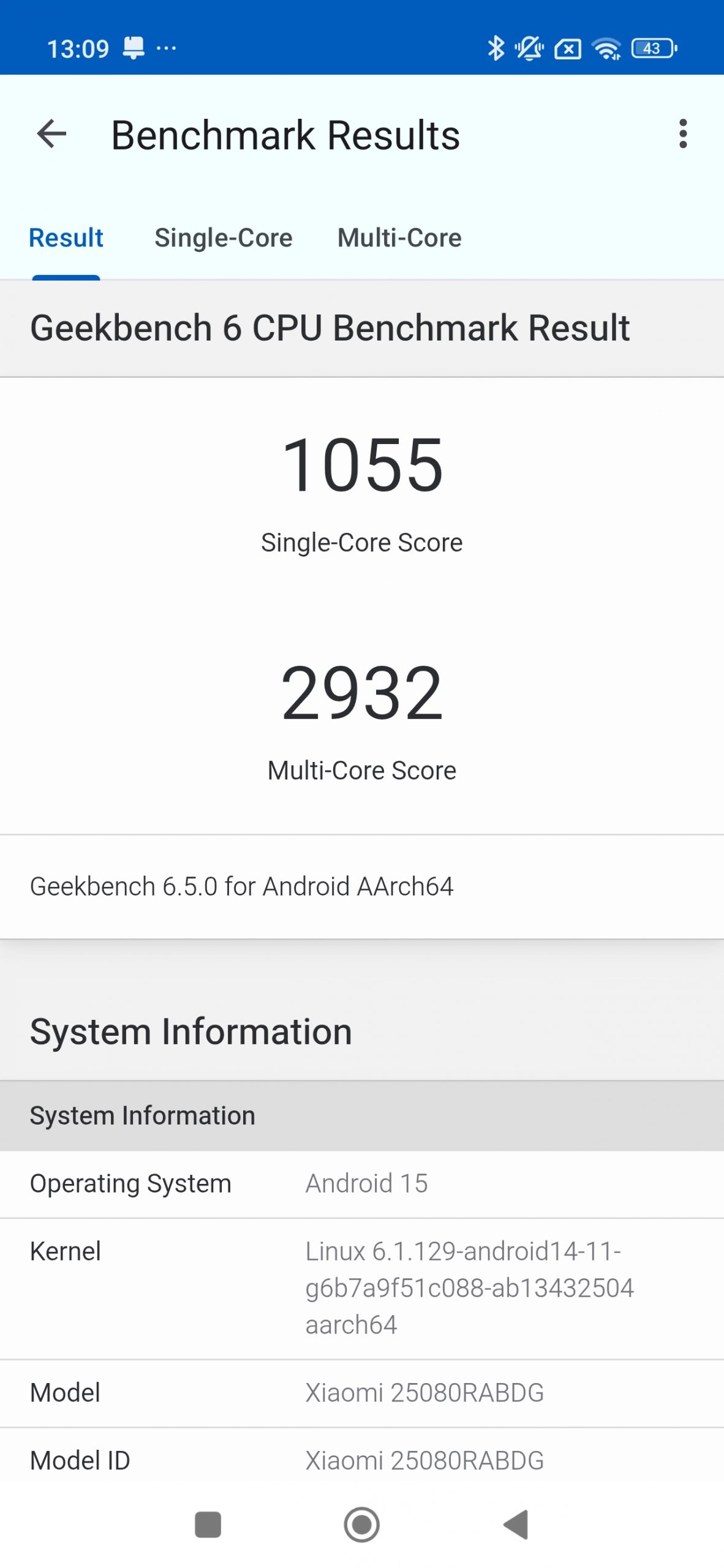
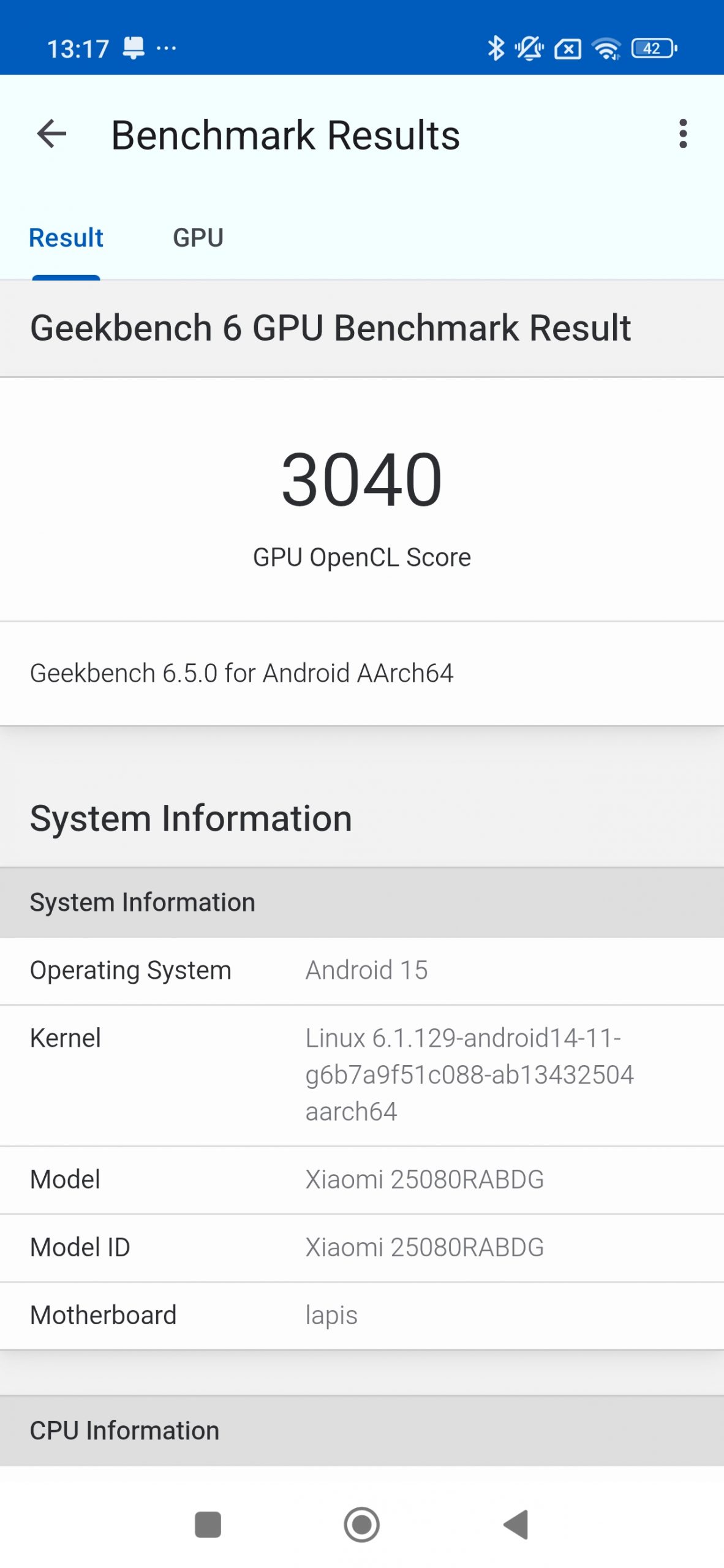
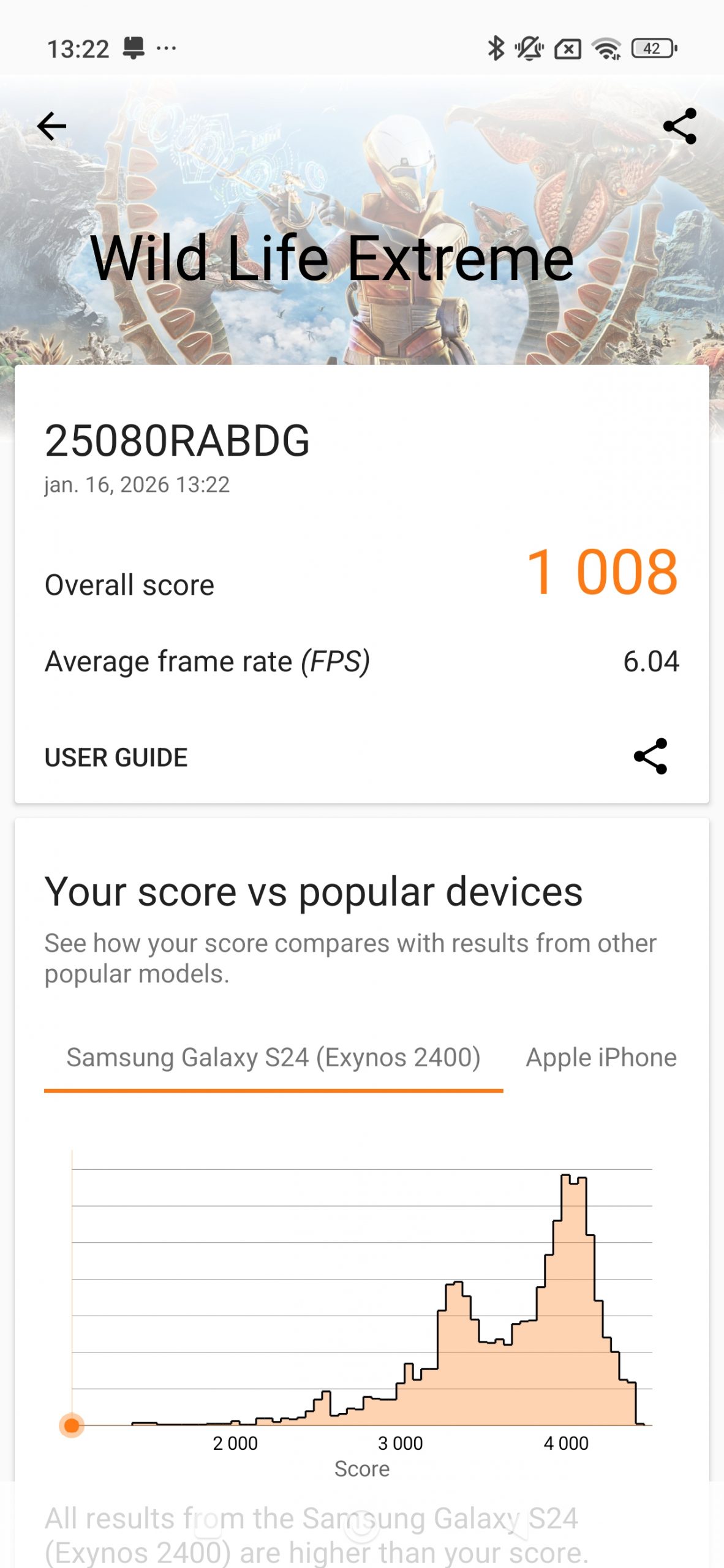
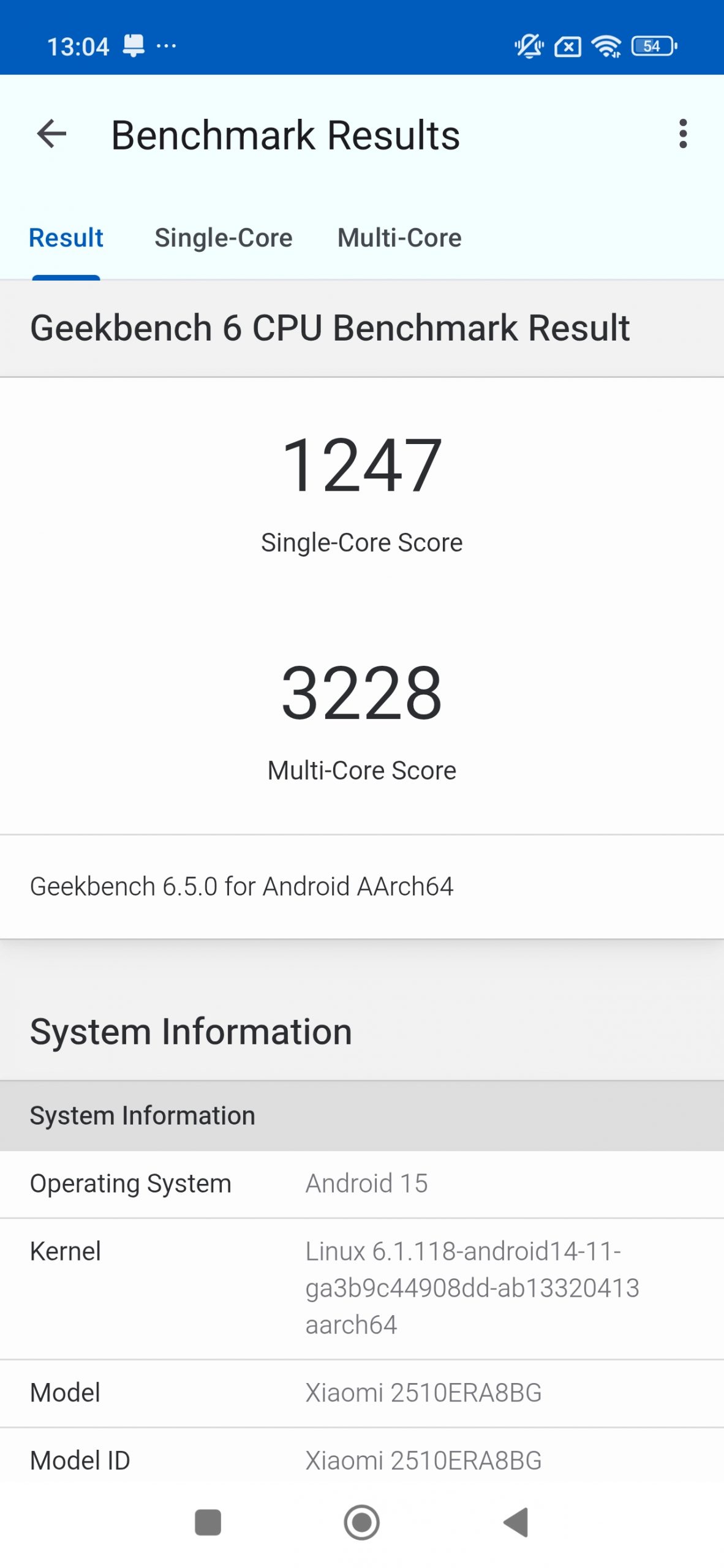
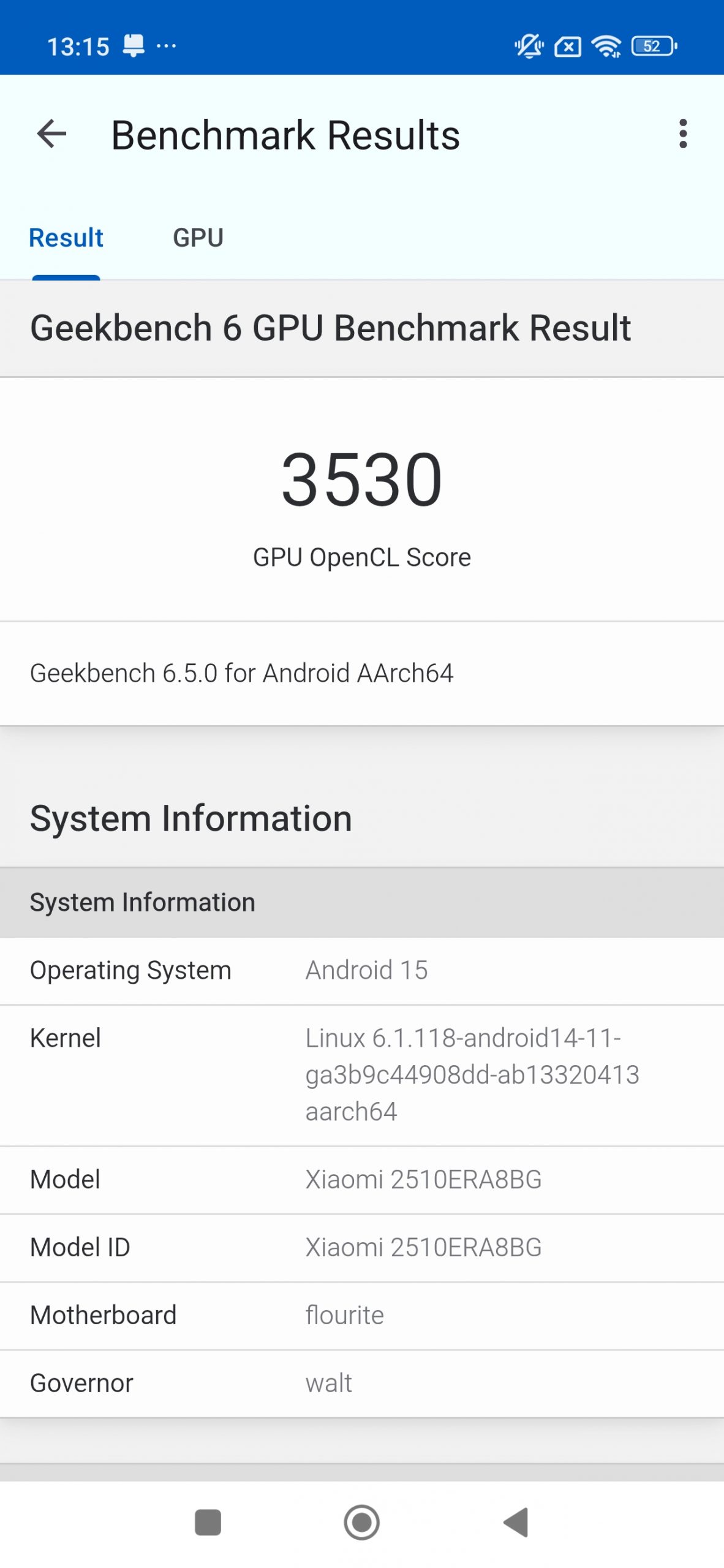
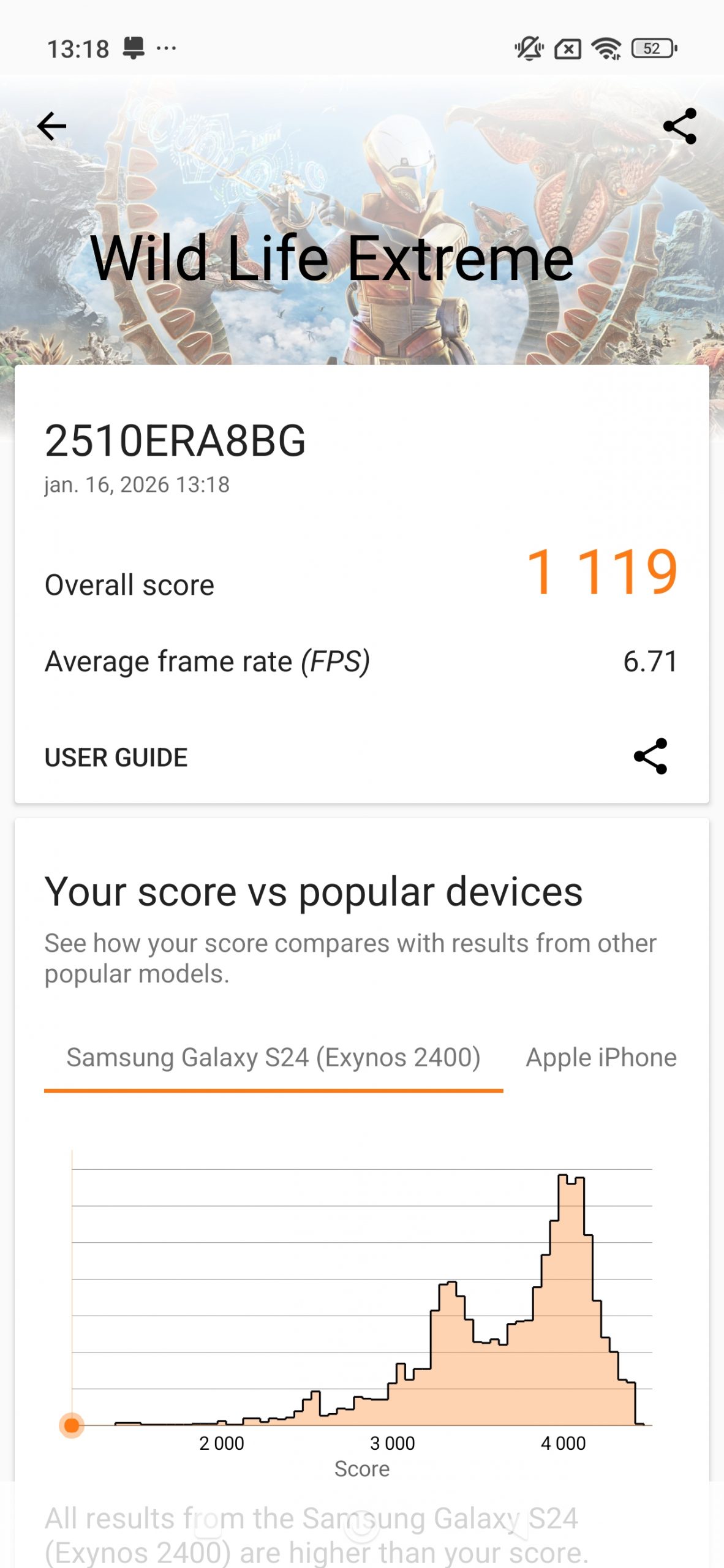
They were more careful with the cards again. They decided to just refresh the phones with one generation newer Snapdragon 7s Gen 4 (Pro+) and Dimensity 7400 Ultra (Pro) chips. In terms of raw power, the technology leans slightly towards the Snapdragon side (as expected), but we're only talking about a few percent. When it comes to games (especially Windows and Switch), it will be better known that emulators are better optimized for Snapdragon chips. However, regular Android games (Genshin Impact, Where Winds Meet, COD Mobile, PUBG) perform equally well regardless of the platform.
You'll be able to play most Android games without any issues. I played Genshin Impact on high settings and mostly hit 60fps with occasional dips to 35-40fps. Wuthering Waves was stable at 30fps, and PUBG was around 85fps. I didn't test Windows or Switch games this time.
The price difference is noticeable in the amount of RAM (the Pro+ has the option of up to 12 GB), but both are still equipped with the older LPDRR4X. I don't know why they insist on this. I know that memory is more valuable than gold at the moment, but manufacturers have pre-ordered quantities, so this standard was a deliberate decision. Given the target audience, I doubt that buyers will notice the difference, but it does reduce its value in my eyes.
I have the same concern about the internal drive (up to 512 GB on both phones), which still adheres to the UFS 2.2 flash standard. They are not the only phones in this range that have skimped on the drive. Manufacturers are just hoping that when problems occur (after, for example, two years of use), the buyer will not be able to point the finger at the drive, but rather at the fact that the phone has already had several years of use.
The Xiaomi Redmi Note 15 Pro+ and 15 Pro 5G come with HyperOS 2, which is based on Android 15, installed by default. At the time of testing, I did not yet have the option to upgrade to HyperOS 3 and consequently to Android 16. You can read what's new in HyperOS 3 in POCO F8 Ultra test. Given that Android 16 has been available for quite some time, Xiaomi could go ahead and prepare HyperOS 3 for all the latest phones. They promise four Android upgrades and 6 years of security patches, which is the most ever for Redmi phones. Judging by their past track record of updates, you can expect security patches to be less than monthly, and Android upgrades to always be delayed.
HyperOS 2 is an Android skin with Xiaomi's own style for colors, menu layout, icon shapes, and animations. It lacks the HyperAI section in the settings that is available on the POCO F series and Xiaomi's more expensive phones. HyperAI is Xiaomi's portfolio of AI features, but you can still use Gemini, Gemini Live, surround search, Gallery UI features (removing motifs, backgrounds, etc.), and you can also generate your own UI subtitles and custom wallpapers.
For connectivity, you have Wi-Fi 6E (Pro+) or Wi-Fi 6 (Pro), Bluetooth 5.4, NFC, eSIM, and the like. Both only support dual-band wireless, which means that if you happen to have a network with a 6 GHz frequency, the new Redmi Note phones will not be able to use it.
The batteries have an above-average capacity (although there are already phones with 7,000 and even 10,000 mAh), which means that with normal moderate use you can expect up to 2 days of use. I wouldn't dare say three days, although even that is achievable if you are really frugal (not using 120-Hz refresh, low brightness, no games, etc.). Charging is, as always, extremely fast on the Redmi Note 15 Pro+ (100 W) and just as fast on the 15 Pro (45 W).
They share cameras. They don't deserve bonus points.
They got rid of the macro camera, which was more of a decoration last year. Bravo, but they still insist on a very average ultra-wide camera, which has taken over the role of a mostly useless accessory. In really optimal conditions, you will be able to get some decent shots, but at night you should not use this lens. It also does not have optical stabilization, so you will have to have a steady hand to avoid even worse photos.
The only usable lens is again the main one, again in 200 MP resolution. I have no information whether they used the same lens. Judging by the specifications and also the photos, I would say yes. I don't blame them for that, because it's still good for this range of phone.






In daylight, the photos are good with good contrast, relatively natural colors and not overly saturated. Details are noticeable in the images, to some extent even if you use zoom, although you quickly hit the ceiling with digital zoom. I also managed to get satisfactory results at night. The sensor is able to extract what it can from the available light. You can also play with the variable focal length (from 23 to 92 mm).
Certainly, the Xiaomi Redmi Note 15 Pro+ and Redmi Note 15 Pro are not the best photographers in this class (look at the HONOR 200, HONOR 400, Xiaomi 15T, even the POCO F7/F8 series...). If they added a decent telephoto lens, I could give them a lot more points for photography. But as it is, they are just average.







The Xiaomi Redmi Note 15 Pro+ and 15 Pro 5G aren't bad phones, but they're not brimming with excess either.
The differences between them are negligible, and that's exactly why I would choose the Xiaomi Redmi Note 15 Pro 5G rather than the half-step higher Plus version. Few people will miss those few % in performance, and you can survive with a slightly slower charging. In return, you save €100. It's even better to wait for additional discounts (Redmi phones drop in price quickly) or browse last year's models and phones that I already mentioned.