

Share with others:

New lithium-free battery breaks voltage records
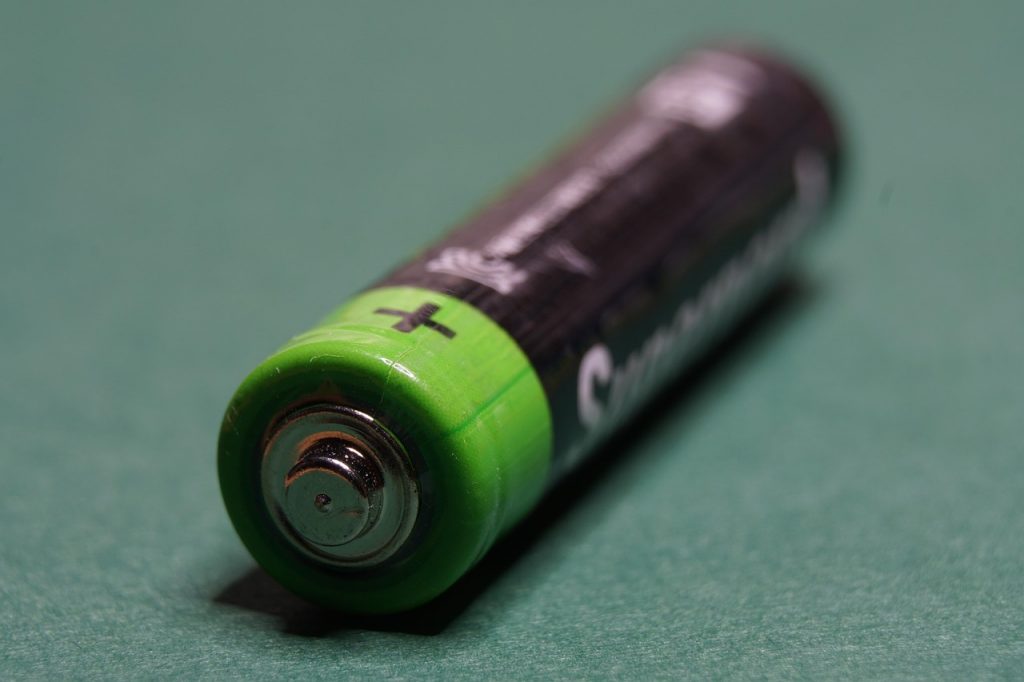
A research team has presented a prototype potassium battery that achieves a stable voltage comparable to today's lithium cells. Until now, alternatives such as sodium or potassium have lagged behind due to low energy density and instability problems at higher voltages. The new design uses an innovative electrolyte solution that prevents the degradation of materials, allowing safe operation at voltages above 4 volts.
These cells, which measure about 4.5 cm x 3.2 cm in lab form, are made from materials that are significantly more readily available in nature than lithium. Experts estimate that using potassium could reduce the cost of battery production by more than 40% of the cost. While a ton of lithium carbonate costs tens of thousands of euros, the raw materials for potassium batteries are available for about 450 to 900 euros per ton.
Although these batteries are slightly heavier than lithium batteries and measure around 15 cm in length for standard modules, they are ideal for stationary energy storage in the electrical grid. This means that large battery arrays that store solar and wind energy could be built much cheaper. The researchers aim to prepare the technology for industrial use in the coming years, where the cost of energy storage could fall below 18 euros per kilowatt hour.