

Share with others:

Sony Bravia Theatre System 6 review – four speakers, a thousand sensations

The home theater I inherited from my previous owner is now well into its twenties. I've also been missing a decent subwoofer and the breadth of surround sound since the beginning. What I have is still much better than the TV speakers, which are, to put it mildly, abysmal. But I had the opportunity to test the new 5.1-channel Sony Bravia Theatre System 6, which consists of a soundbar, subwoofer, and two wireless rear speakers. I knew the sound would be much better, but I didn't expect such a difference. Especially not at this price. On official website It sells for €569, but I've seen it priced around €450 elsewhere. There aren't many rivals that offer this kind of equipment for the same price. LG and Teufel have a few contenders, and the rest are standalone soundbars (Sonos Beam), possibly in combination with a subwoofer, but rarely with rear speakers.
They hit the mark on price placement, I hope the sound too.
| Advantages | Weaknesses |
| Excellent and rich surround sound | Missing HDMI passthrough |
| All-in-one system | Application problems |
| Very good value for the price | |
| Almost all the connectivity you need | |
| Good workmanship |
Sony Bravia Theatre System 6 – how easily can I hide the cables?
I try to keep the cables as hidden as possible in the living room. I'm in the middle of a major renovation and hope to be looking at a pure white wall soon. I have channels and transitions ready around the TV cabinet, but at the same time I also require my devices to be designed by default, so that there is as little work with cables as possible. The Sony Bravia Theatre System 6 is quite good considering the number of devices. The soundbar connects to the subwoofer, the latter to the TV and the outlet, so it takes care of powering itself and the soundbar. Since I'm slowly running out of outlets near the TV, this was very welcome. We could get rid of the cables completely, like some of our rivals. In my case, every cable was hidden behind the TV cabinet, but in households where this is not the case, "kilometers" of cables can spoil the view of the room.
The rear two speakers connect wirelessly to the front units via an amplifier that is compact enough that I could easily hide it. Both speakers connect to the amplifier via a cable, but at least you don't have to run the cable to the front speakers. All the cables are long enough to allow you to play around with the placement.
You can mount the bar, rear speakers, and even the amplifier on the wall (brackets included), but for the purposes of the test, a classic setup was sufficient.
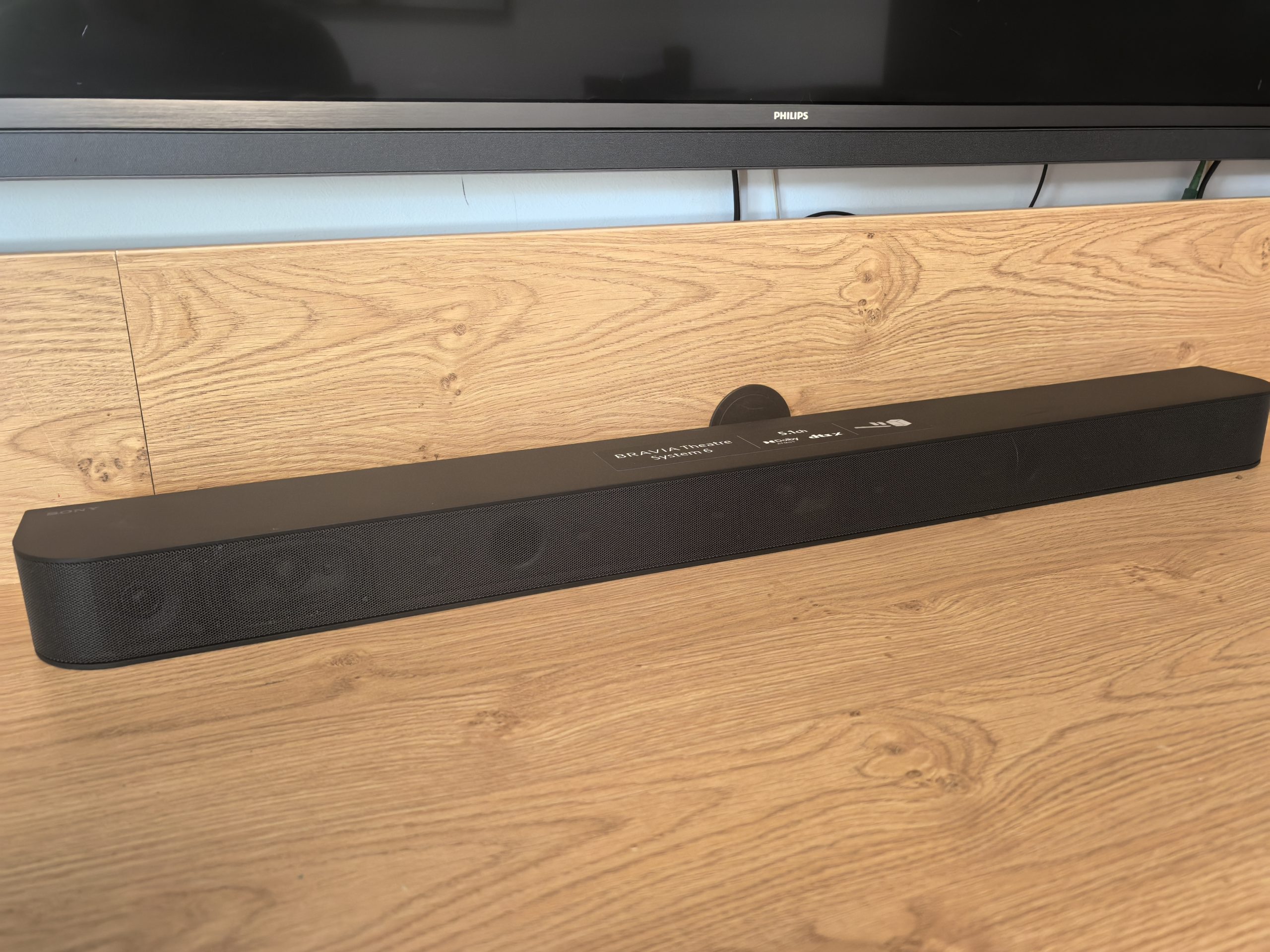
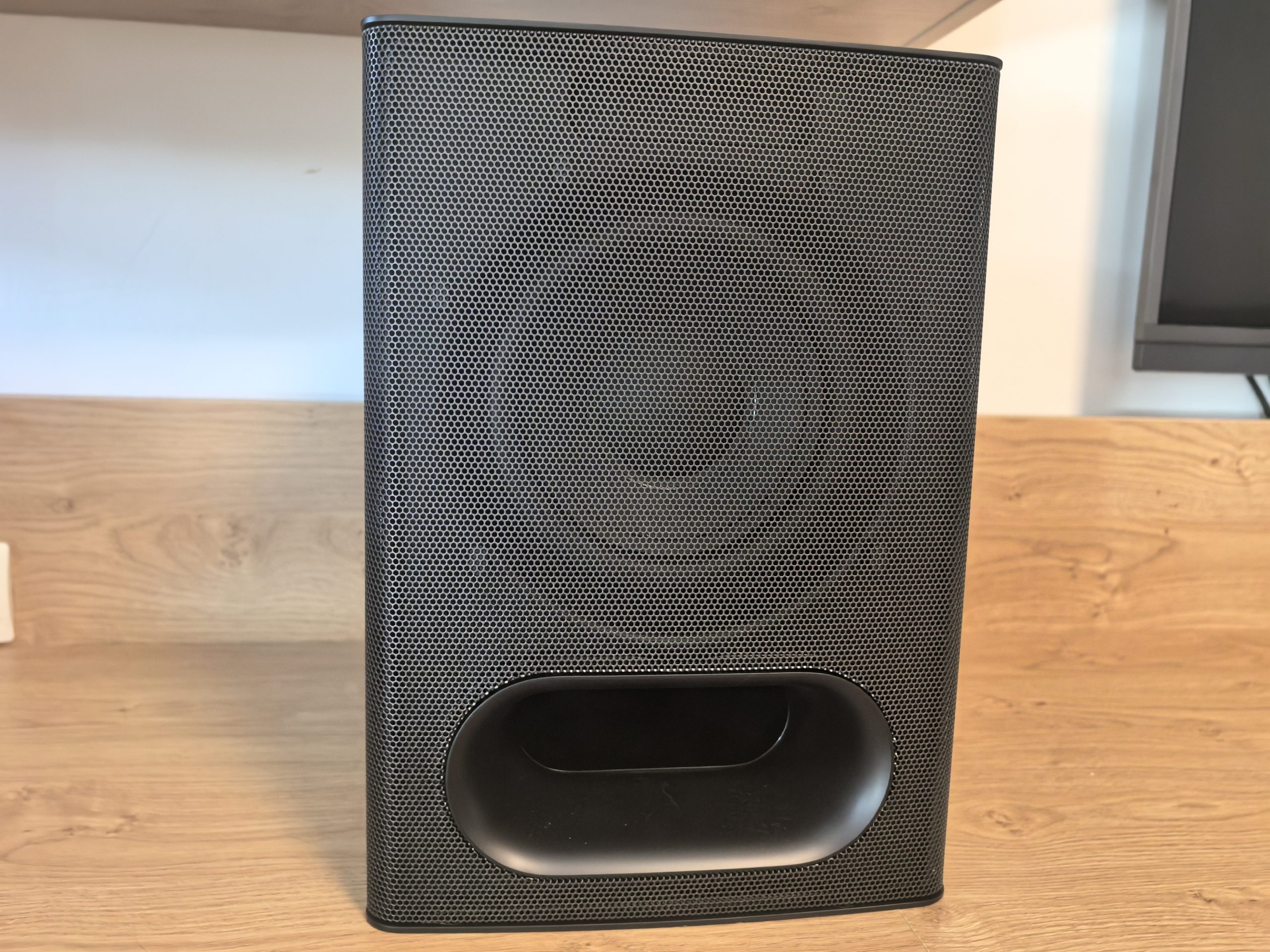
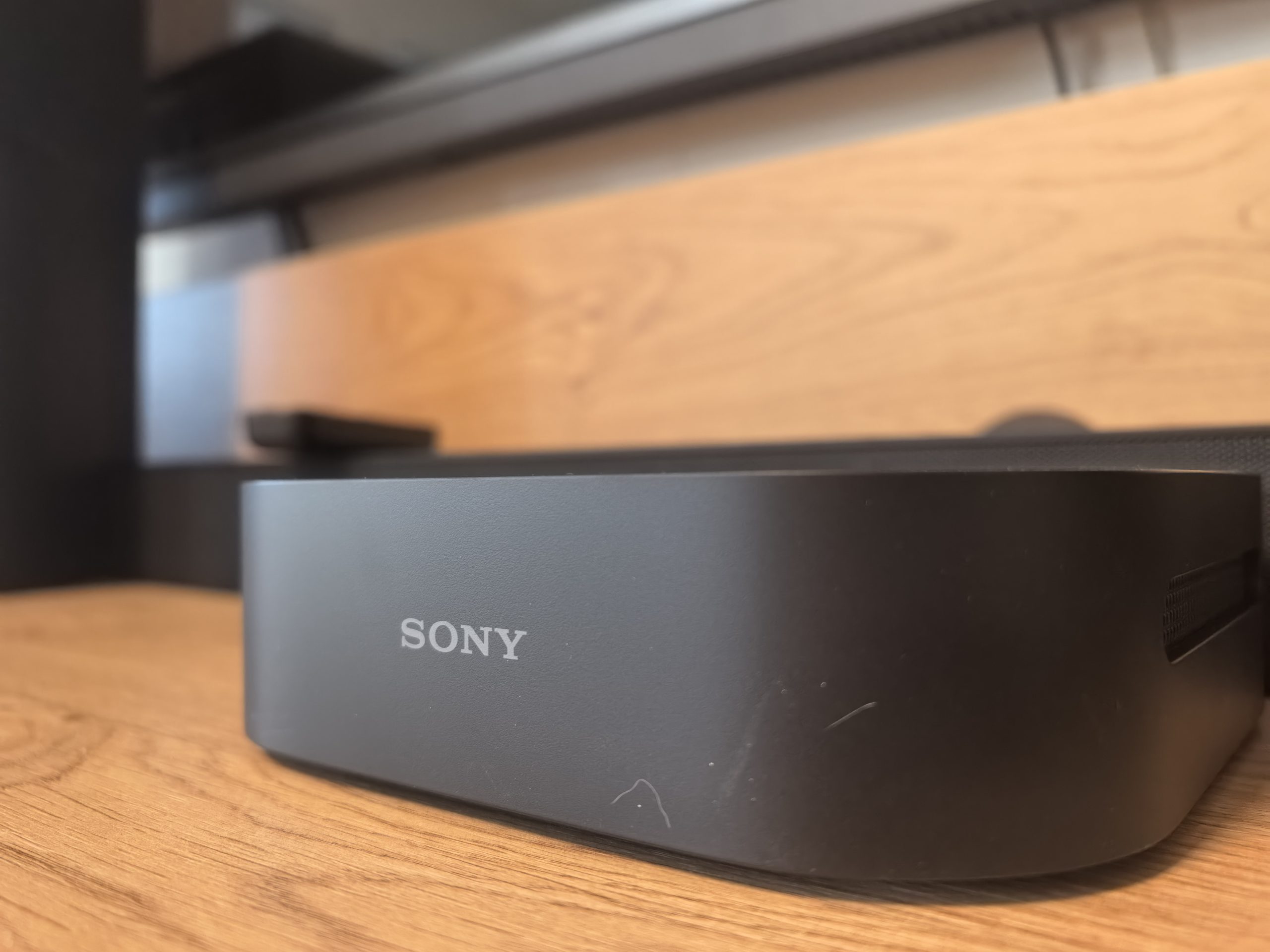
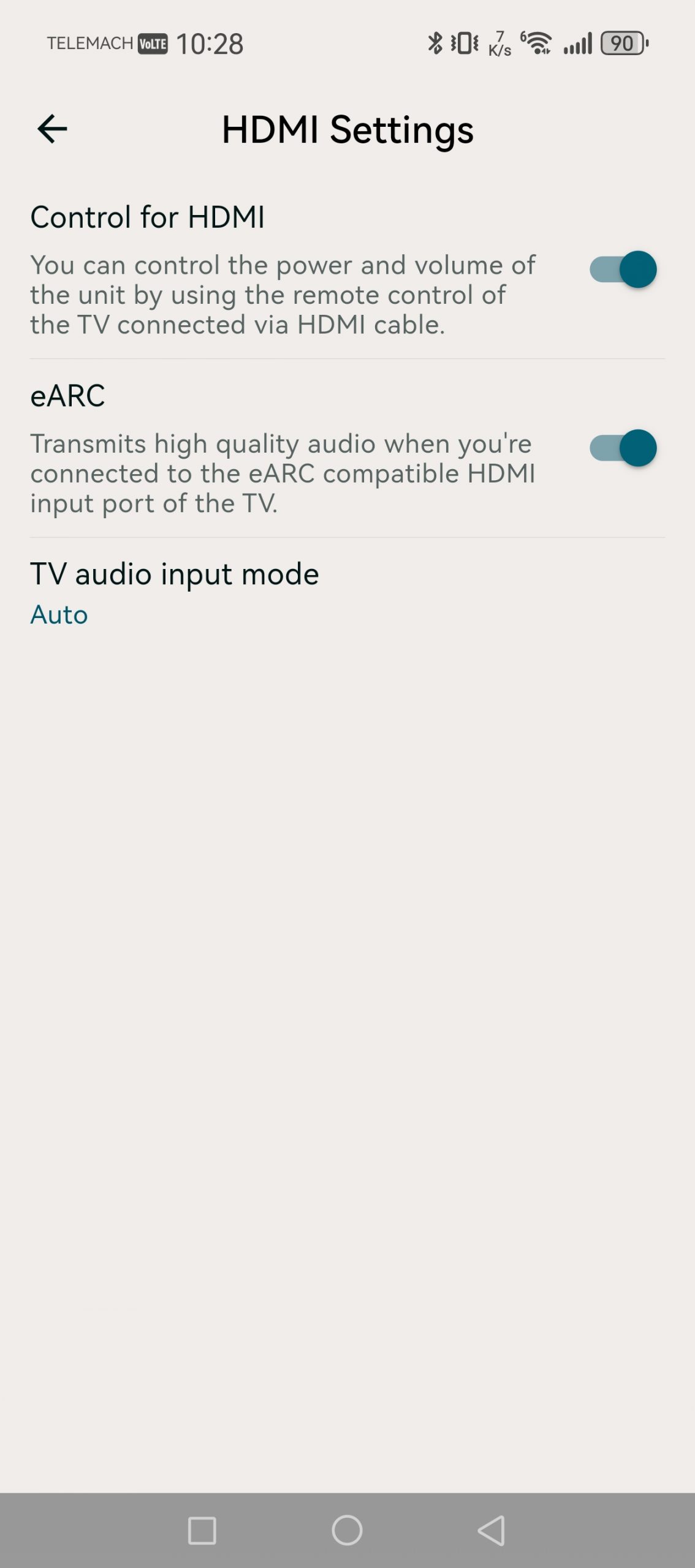
The soundbar is relatively thin. If you have a TV on legs (I have it on the wall, so I have no problems with placement), you should not have any problems with placing the bar. The shape is quite ordinary, they did not decide on lighting or a smaller screen. The subwoofer is bulky and also heavy, so make sure you have enough space for it. On the back there is an HDMI eARC input, an optical connector, a power connector and a terminal for connecting the soundbar. If I wanted to split hairs, an additional HDMI could be added if the user wanted to use the subwoofer as a hub for all possible audio sources. Bluetooth (5.3) is also available, but there is no AirPlay or similar. Personally, this does not bother me. Sometimes I like the device to be "dumb".
I had trouble pairing my phone with the Sony system. At first I thought the problem was the Huawei phone, which is often not a good friend to today's devices. But I also tried the Samsung Galaxy S26 Ultra and RedMagic 11 Air with similar problems. When I managed to connect my Sony Bravia 6 and next time I wanted to enter the app again, I had to repeat the pairing process. Why, I don't know. I tried to reset everything to factory settings, but no change. I hope this is a problem specific to me.
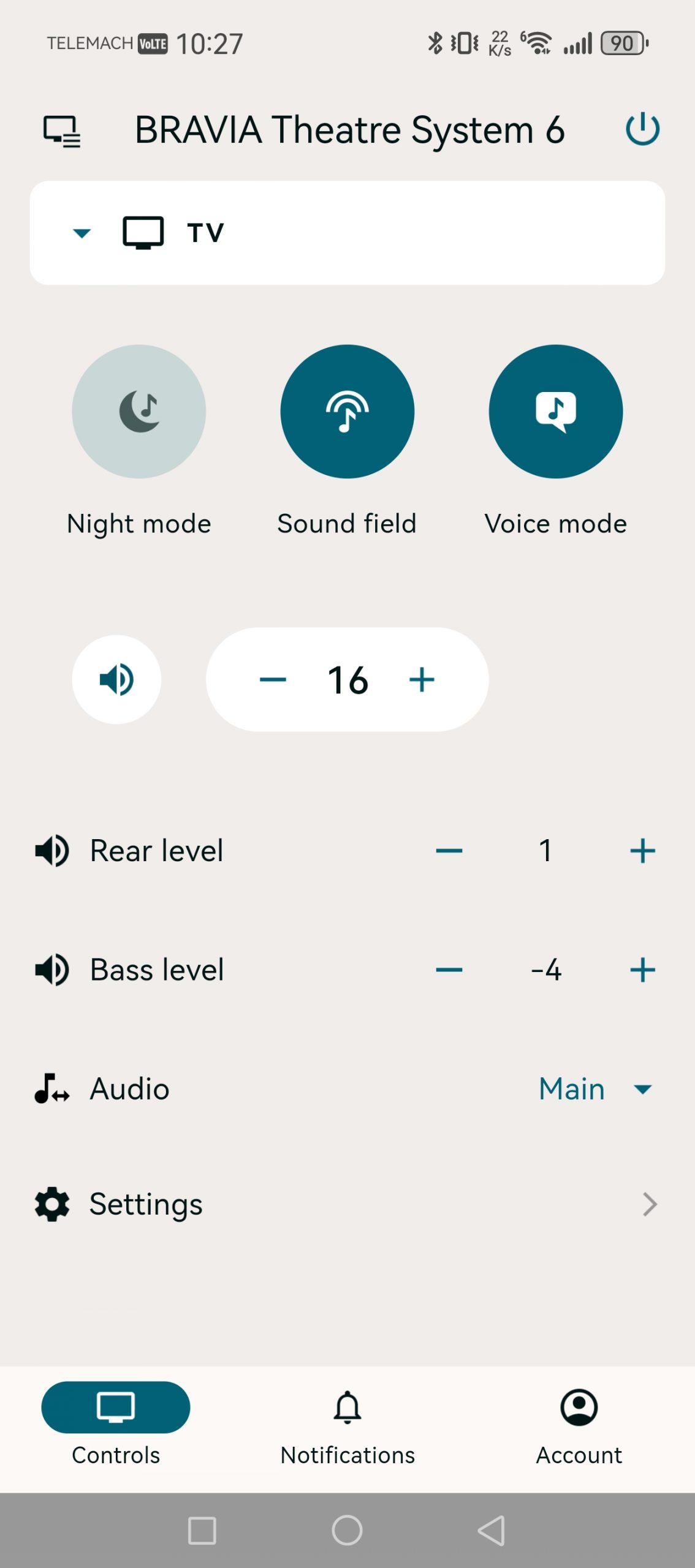
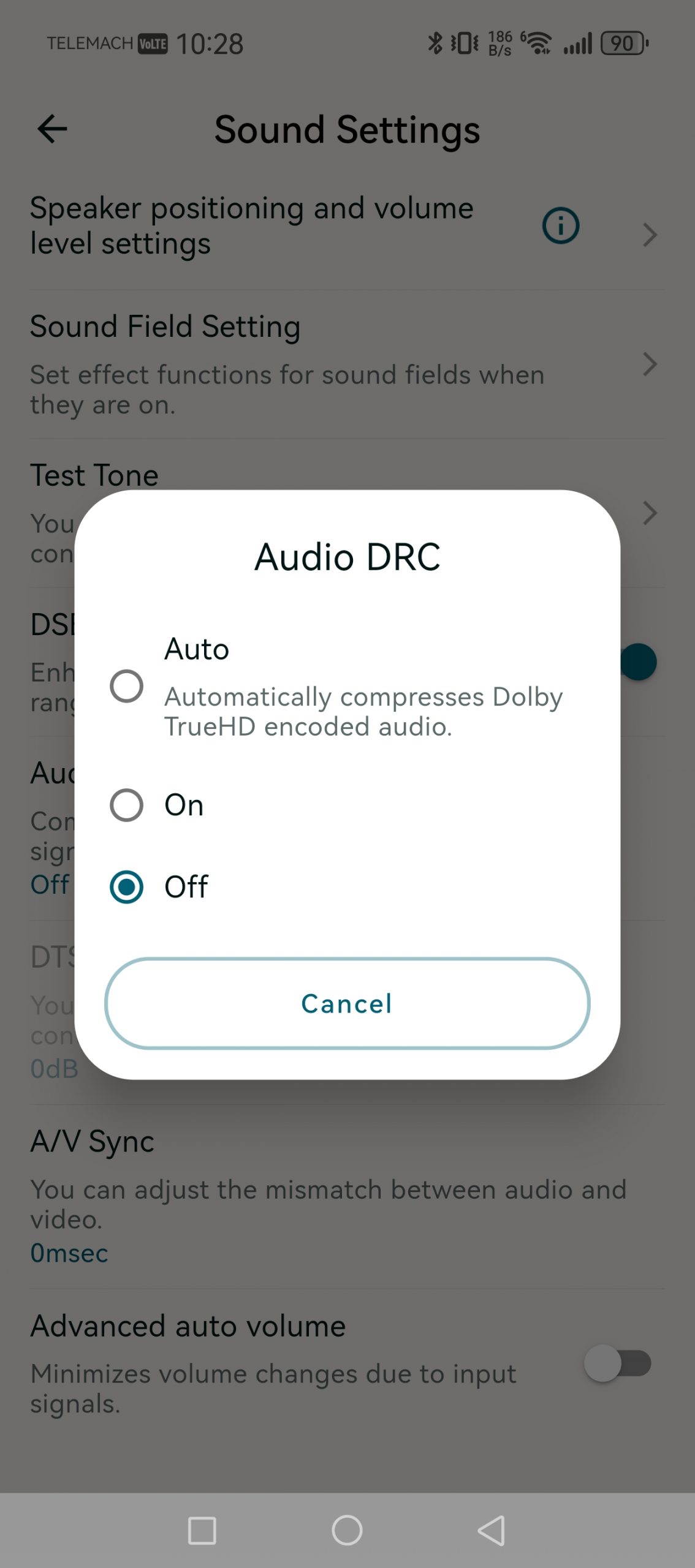
A small remote control is included with buttons for Sound Field (surround sound), a special Voice/Night profile, bass intensity and volume control. You can use the TV remote instead of the one included (if you use HDMI eARC), but you will lose quick access to the aforementioned special functions. What bothers me is that I have to guess what the volume is, the bass intensity. The only LED light is on the subwoofer, but even with its help you cannot know whether you are at volume 12 or 30, whether the bass is at 3 or -10. You can see this in the app, but that is really unnecessary for me. The app should only be for deeper settings, not for basic adjustments.
It lacks HDMI passthrough, in case you want to connect the console to a Sony system, for example.
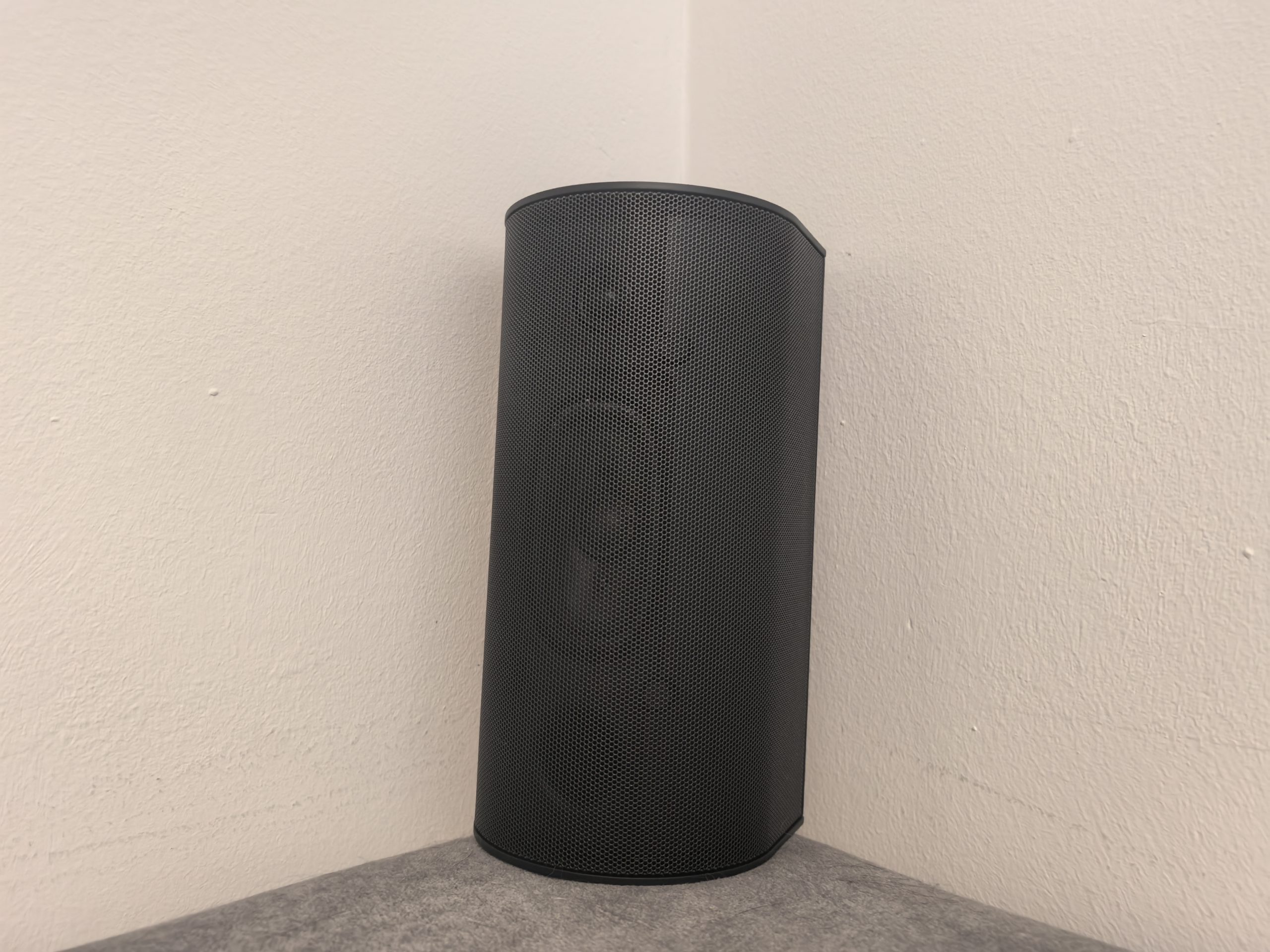
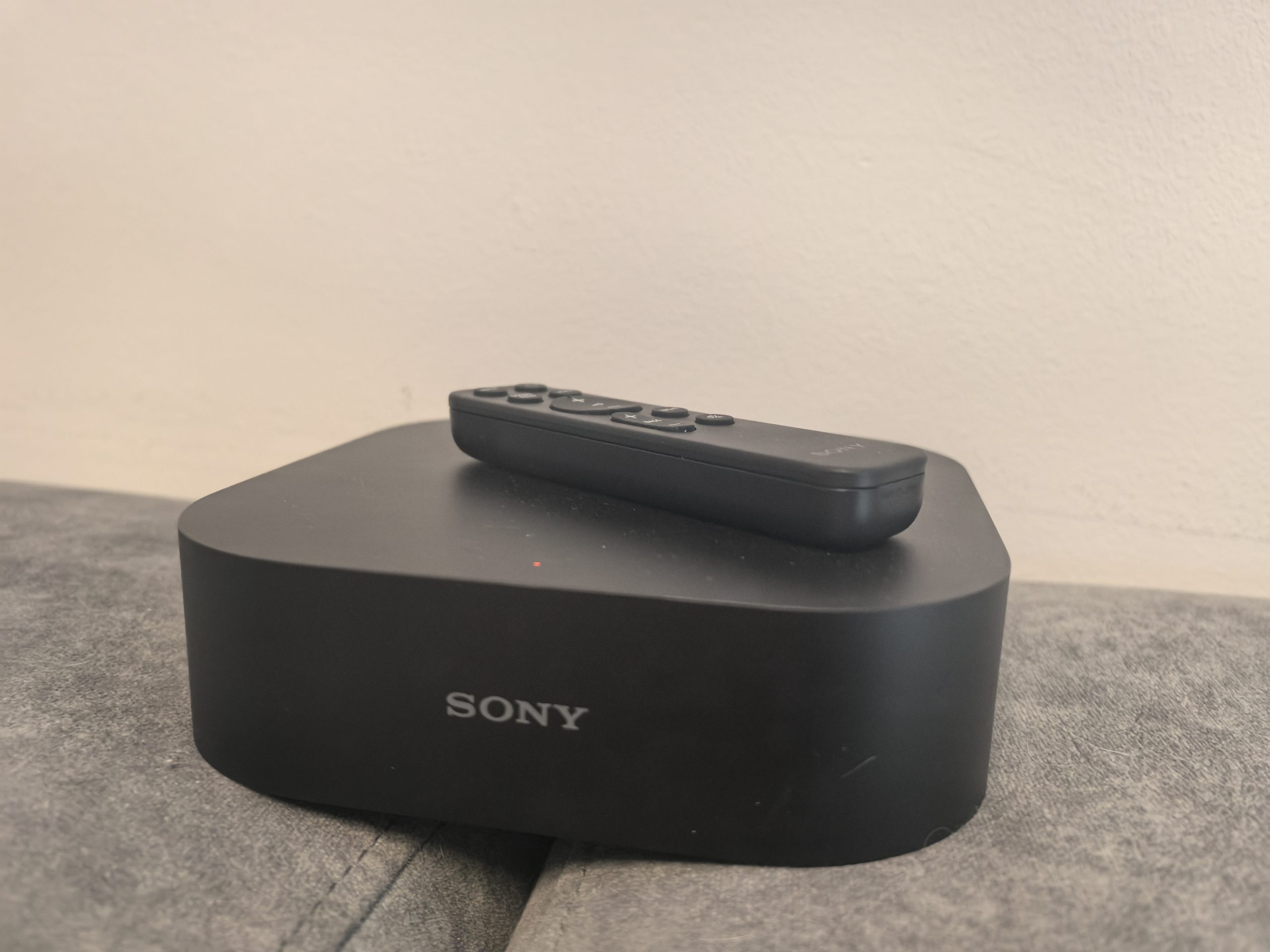
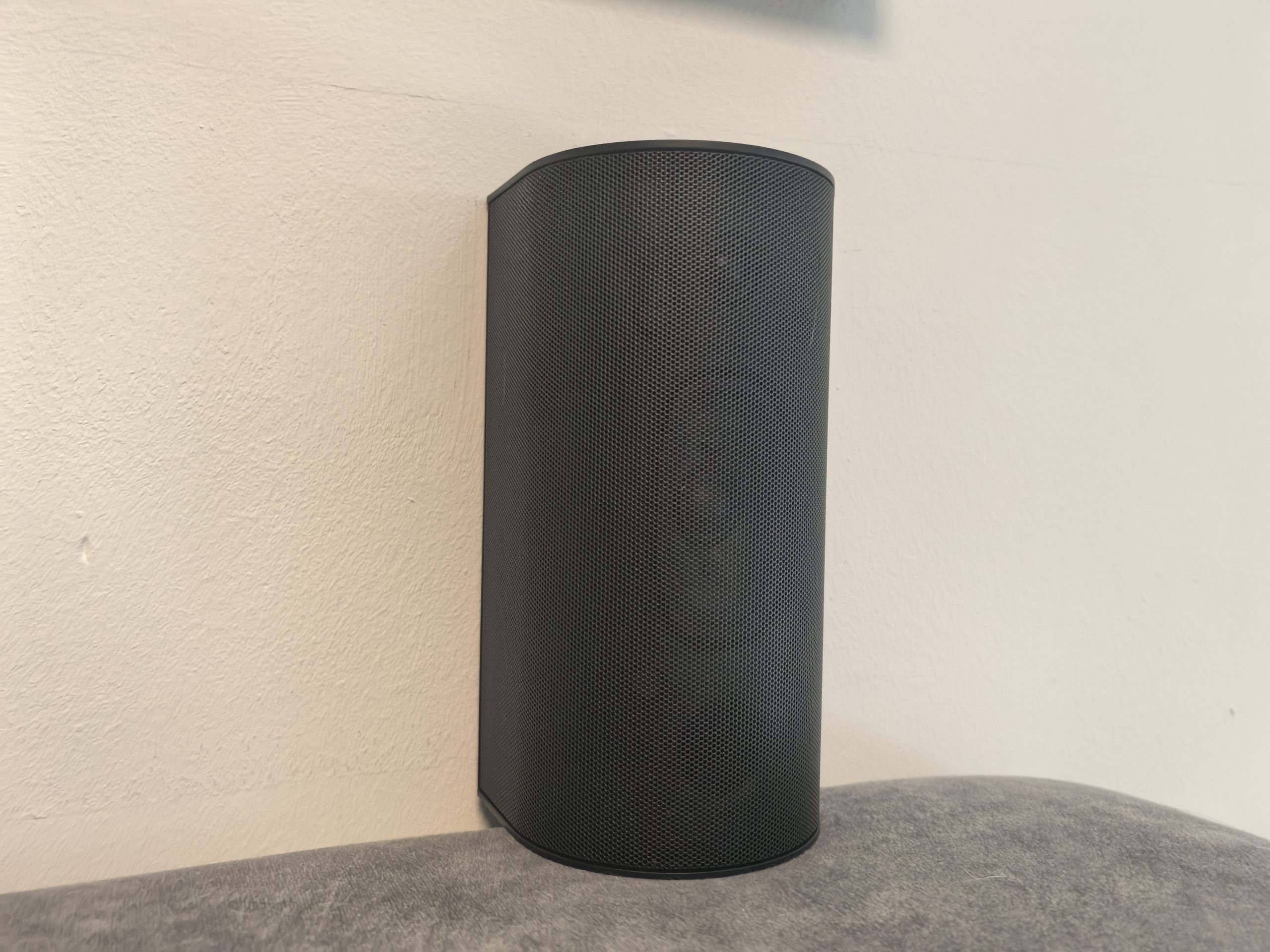
What is the layout of the Sony Bravia Theatre System 6?
I mentioned that this is a 5.1-channel all-in-one system. The soundbar has three Sony X-Balanced drivers and two tweeters that disperse the sound left, right and center. There is an additional X-Balanced driver and tweeter in each surround speaker (rear speakers). As far as I could see, the drivers are rectangular, not round. I am not an audio expert, but a rectangular shape is supposed to be better for dynamic frequency range. Since I do not have a proper system to compare, I can only say that the sound is at a very high level, but more on that later.
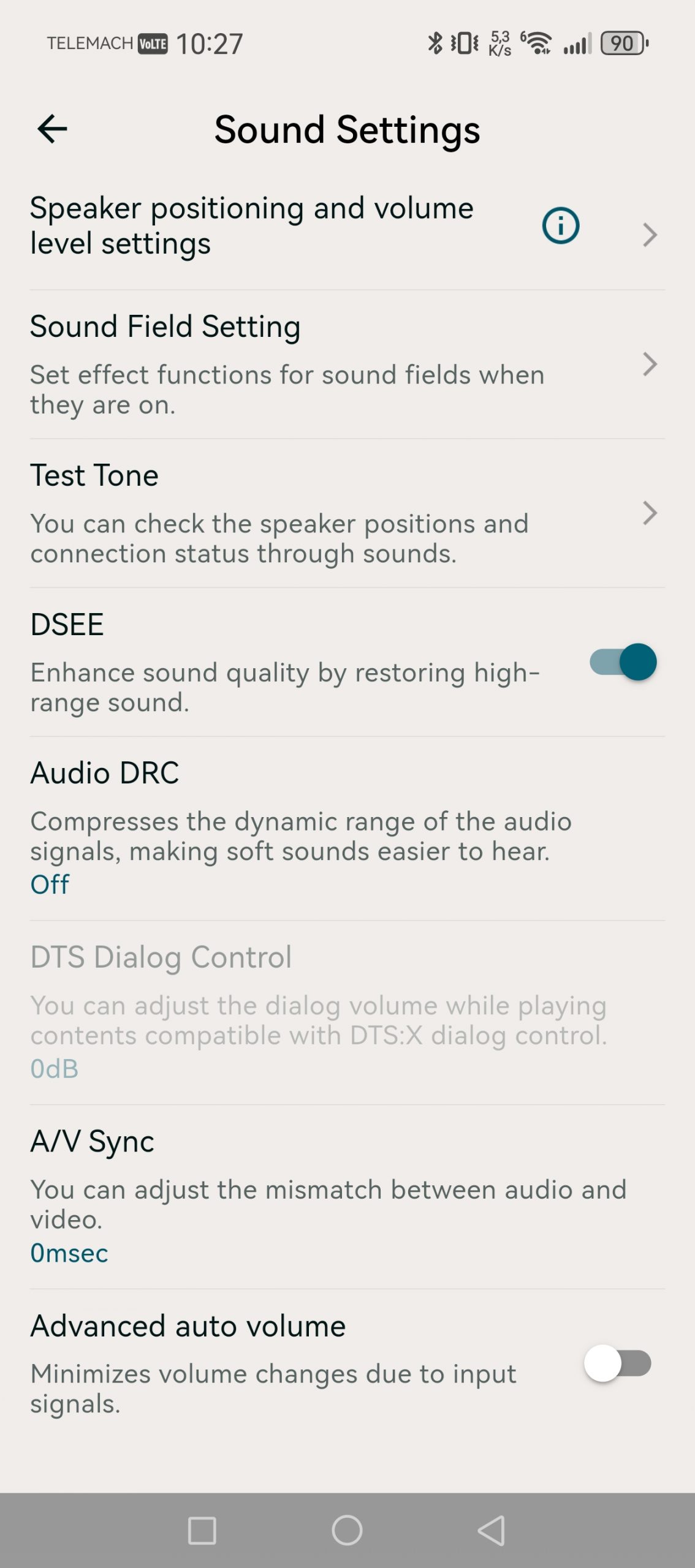
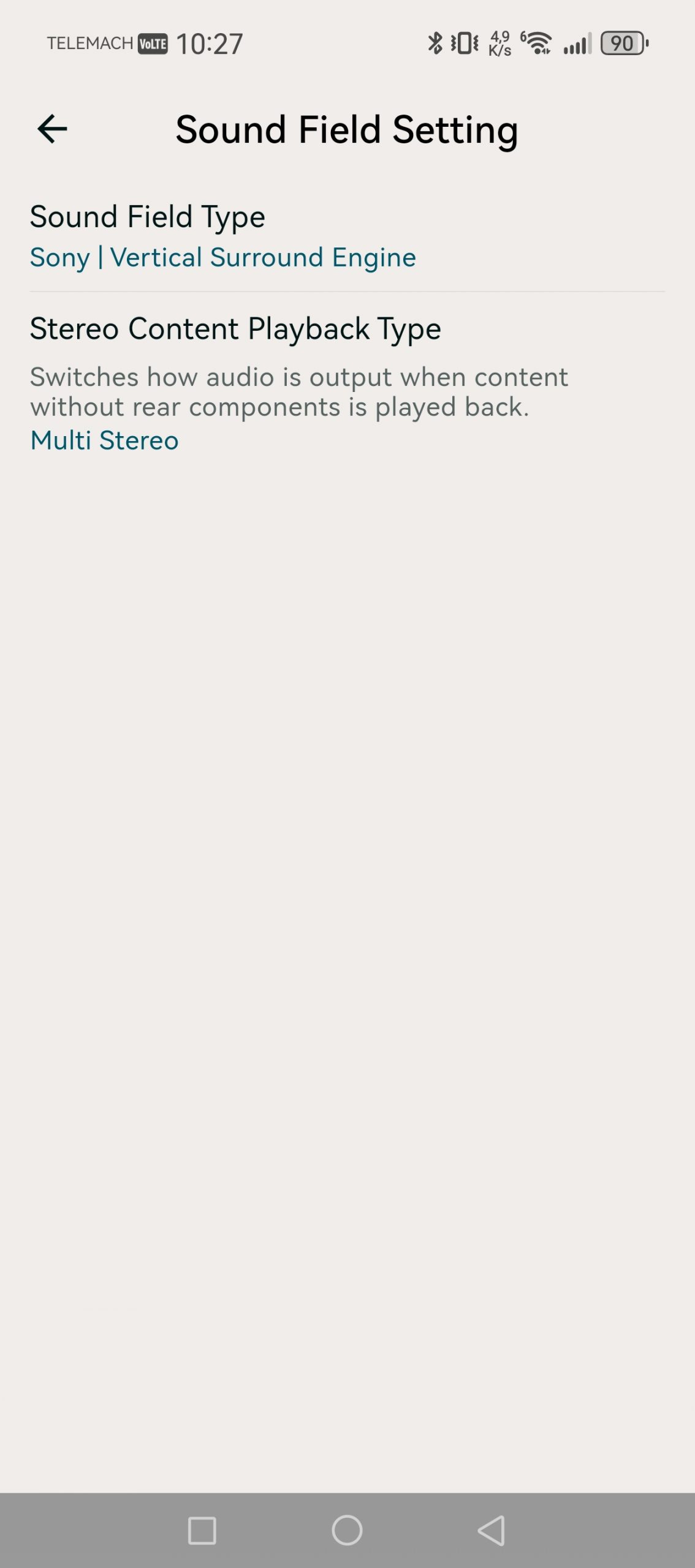
You'll also notice Dolby Atmos and DTS:X on the box, although Sony's system doesn't have dedicated upward-firing speakers. Instead, Sony relies on its proprietary Vertical Surround ENgine technology, which uses smart processing to virtually reproduce sound. Then there's S-Force Pro, which directs sound left and right around the room. I have to say, it worked well for me. I quickly sensed that the sound was coming from all directions, despite the lack of upward-firing speakers.
The total output power is a whopping 1000 W, which is twice as much as my existing system. The subwoofer contributes 200 W, another indication that this is quite a hefty “machine.” Again, I had a hard time finding something equivalent for the same price.
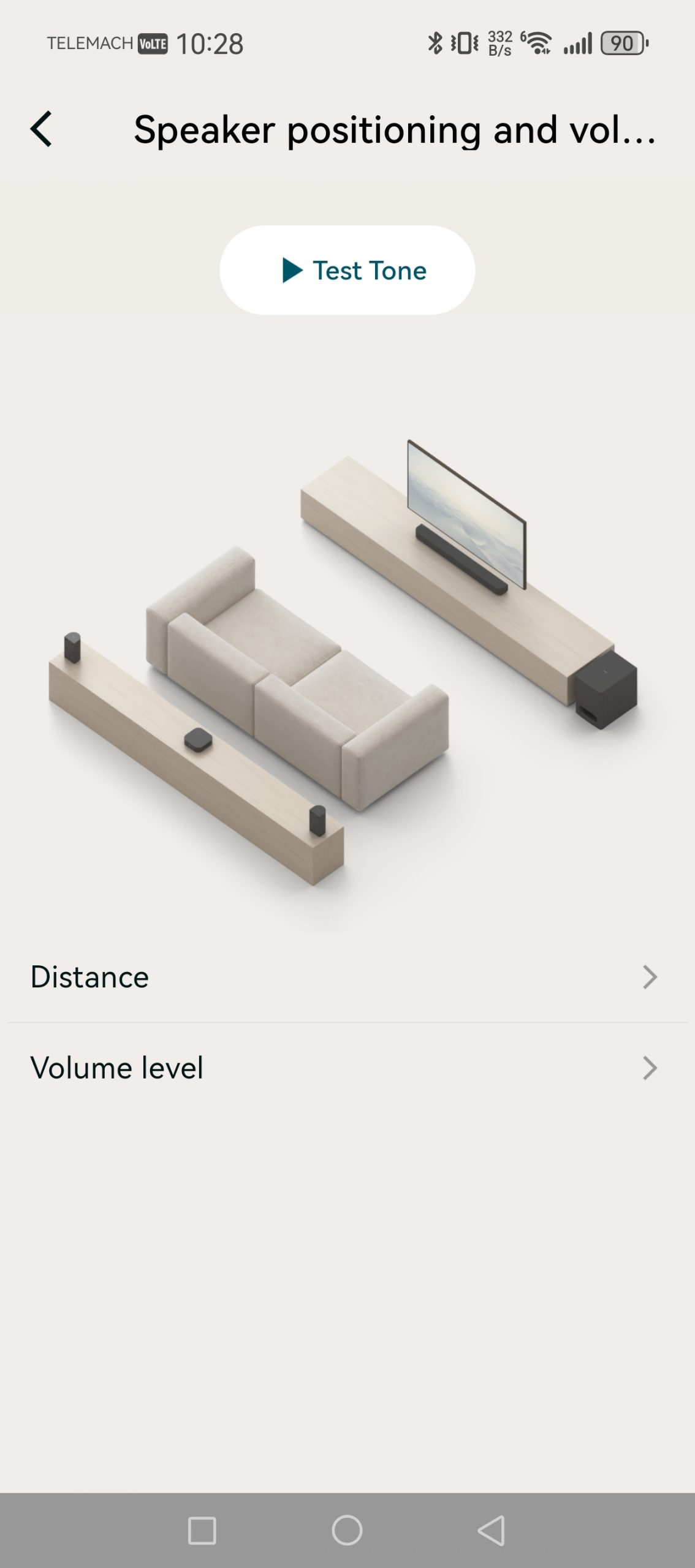
What I might have missed is an auto-calibration feature that would adjust the sound to my speaker setup. I didn't have much trouble without it, but it could have made the experience even quicker and easier for laymen. I didn't follow Sony's plan for how the rear speakers should be placed. According to them, it would be best if they were directly facing the front speakers, but in my case I placed them more in the corners of the living room. Even when comparing the two setups, mine seemed like the better solution. But you'll have to judge that for yourself when you place the speakers.
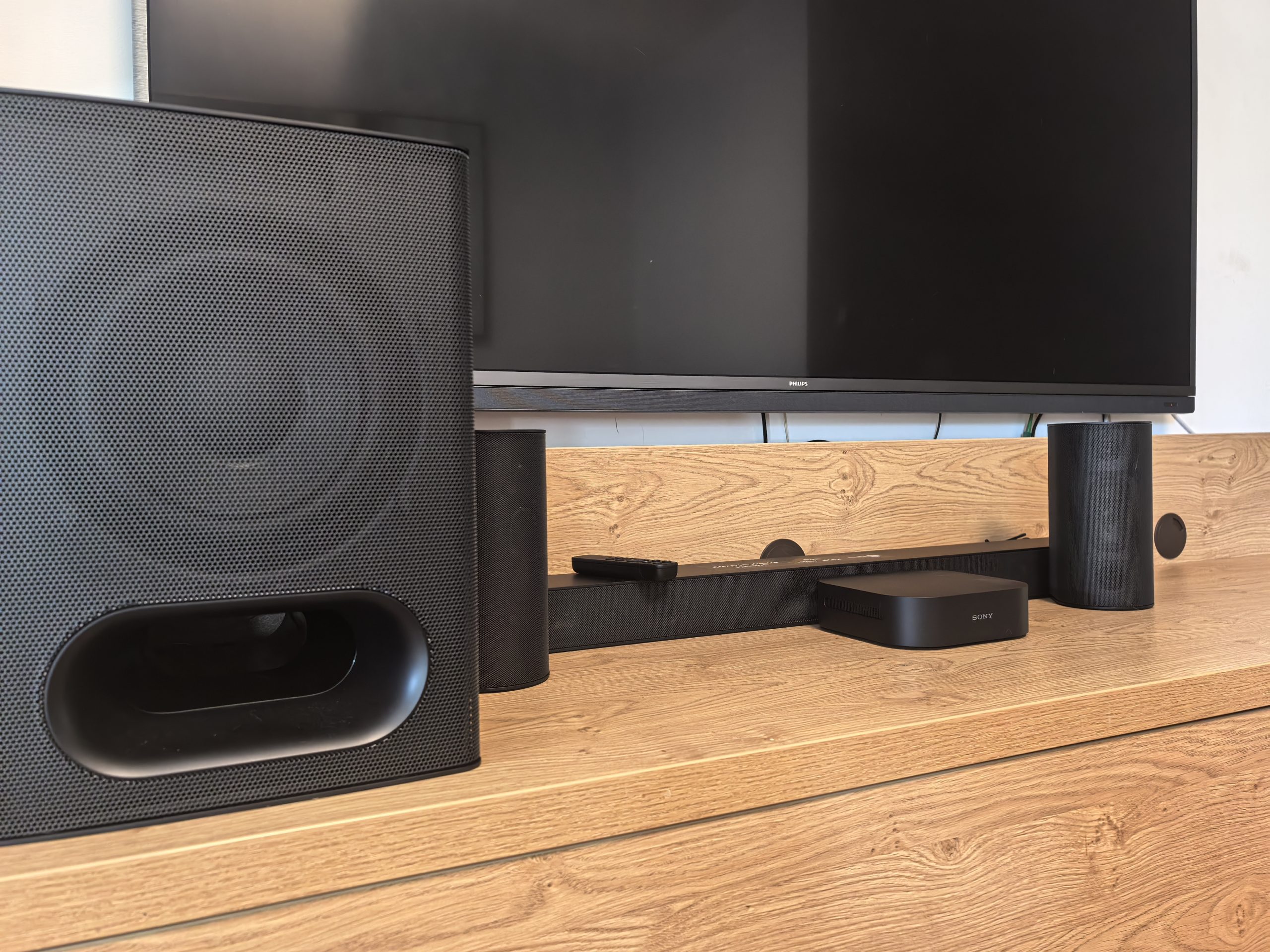
It filled a medium-sized living room without any problems
A little less than 30 square meters had to be filled by the Sony Bravia Theatre System 6. It's not the biggest living room, but it's not terribly small either.
Dolby Atmos processing is superb. Take the iconic scene in Top Gun: Maverick, for example. As Maverick hurtles through a canyon, the system precisely places the sound of an F-18 engine somewhere over your left shoulder, while the cockpit communications remain firmly anchored in the center of the screen. The sense of speed and pressure is physical. In Dune: Part Two, in the desert scenes where sand blows around the protagonists, the sound field seems to extend far beyond the living room walls. Whispers of “Bene Gesserit” emerge from everywhere, and layers of audio ads and ambient city noise are spaced out so precisely that you could point them out.
Standard 5.1 content isn't as impressive as Dolby Atmos, but when compared to the TV's speakers and my existing speakers, it's still a few orders of magnitude better. I've tested a few soundbars, and none can fill a room as well as an all-purpose system like the Sony Bravia Theatre System 6.
One of the biggest concerns with systems without a dedicated center speaker is speech clarity. But Sony has addressed that issue well. Even during the toughest, most chaotic action scenes in Predator Badlands, voices remained crystal clear. If you're one of those people who constantly complains about not being able to hear what actors are saying over loud music and explosions, the System 6 is your best friend.
The bass is fantastic. The subwoofer brings the depth you need to fully experience a movie or series. If you're not modest with the settings, you'll feel the low frequencies on your skin, spreading throughout the room. But the bass doesn't run wild without control, it's very well controlled so that there's no noise.
I had exactly the same feelings when listening to music.
Sony Bravia Theatre System 6: it's hard to find a better alternative
I think the Sony Bravia 6 is a good compromise. On the one hand, you get a complete sound system that is much better than a single soundbar (for a very similar price), but at the same time you don't go to the extent of having to drill into every corner of your living room to set up a professional audio system. This is just the right system for me, who wants something more than basic TV sound, and at the same time doesn't want to argue with my partner about ugly black boxes, holes in the wall in every corner.
Sony's system is supposed to be even better when paired with a Sony Bravia TV, but I wasn't able to test that.