

Share with others:

Why should every user have a bootable Linux USB stick ready?
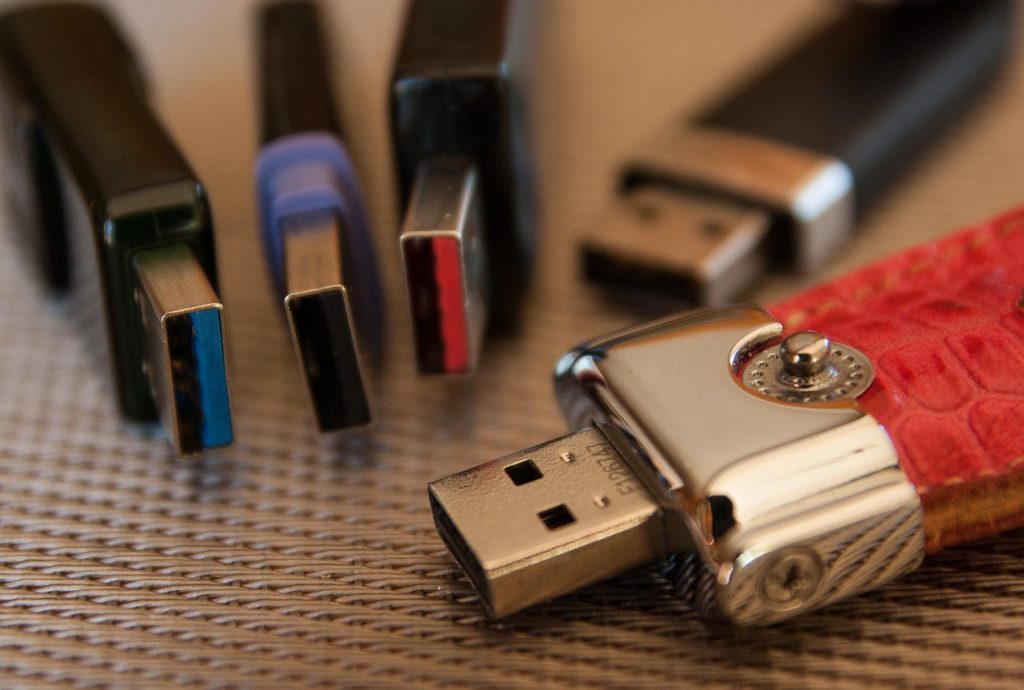
Every experienced computer user knows how annoying it is when your operating system crashes or gets stuck in an endless loop due to a corrupted update. The solution in such cases does not necessarily have to be a complete reinstallation of the operating system and possible data loss. The solution can be found in a bootable Linux USB stick. This acts as a fully functional operating system that runs directly from the stick without interfering with your hard drive.
The main reason for using it is for system recovery. With built-in tools like GRUB for boot repair or fsck for file system check, you can revive a seemingly “dead” computer. If the system is unrecoverable, Linux allows you to access your files, which you can then easily copy to external storage. In addition, such an environment is ideal for scanning for viruses and malware with tools like ClamAV, as the processes run in a clean environment where malicious code cannot hide from antivirus software.
In addition to rescue, a USB stick is indispensable for partition management with tools like GParted and for hardware diagnostics. Commands like memtest86+ allow you to check the performance of your working memory, while tools like Wireshark allow for advanced network analysis in a secure, isolated environment. Privacy protection is another advantage, as you can securely and permanently delete sensitive data with commands like shred or wipe.
Creating such a tool is quick and cheap. All you need is an ISO image of a distribution (e.g. Ubuntu, Fedora or Arch), a USB stick, and free software (e.g. Rufus). For basic needs, affordable models such as the 128 GB SanDisk Ultra Flair, which you can get for around €14, are sufficient. Don't wait for a digital disaster! Prepare your rescue stick today.