Share with others:

BLUETTI Elite 100 Mini test – can you survive a weekend without electricity with it?

The power goes out in the middle of the afternoon on a weekend. The laptop has 20 % batteries left, the internet router goes out, there is food in the fridge for the next two days, and the phone is almost dead. There will definitely be no electricians today, and it is not wise to count on a notification from the electricity distributor. At first, it seems that we will have to pack everything up and go home. But most of the devices we want to keep alive do not actually need much electricity. They just need a reliable power source.
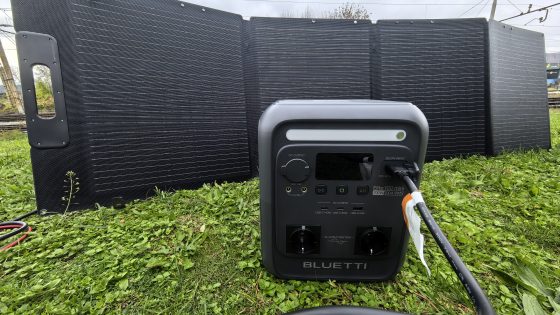
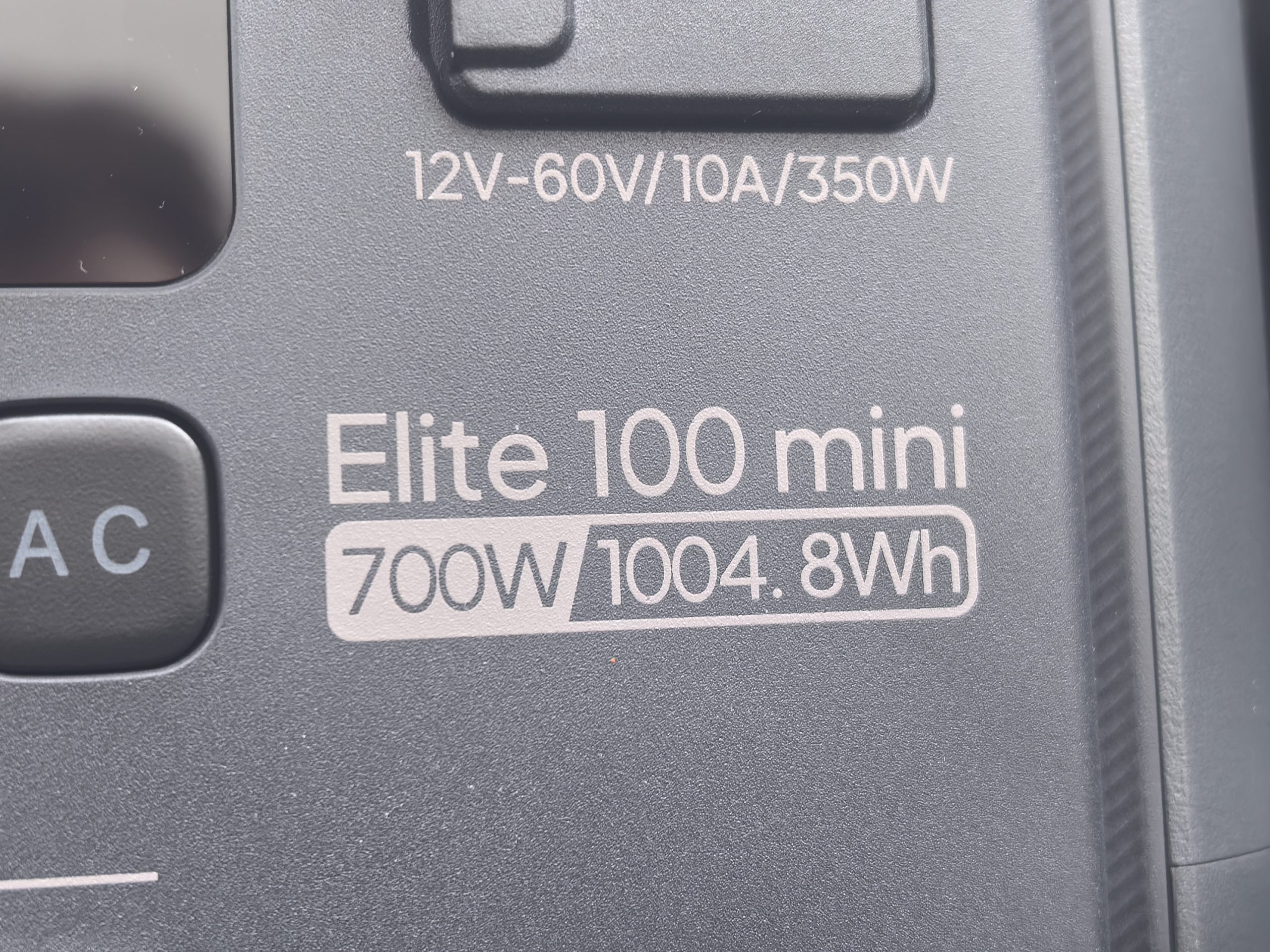
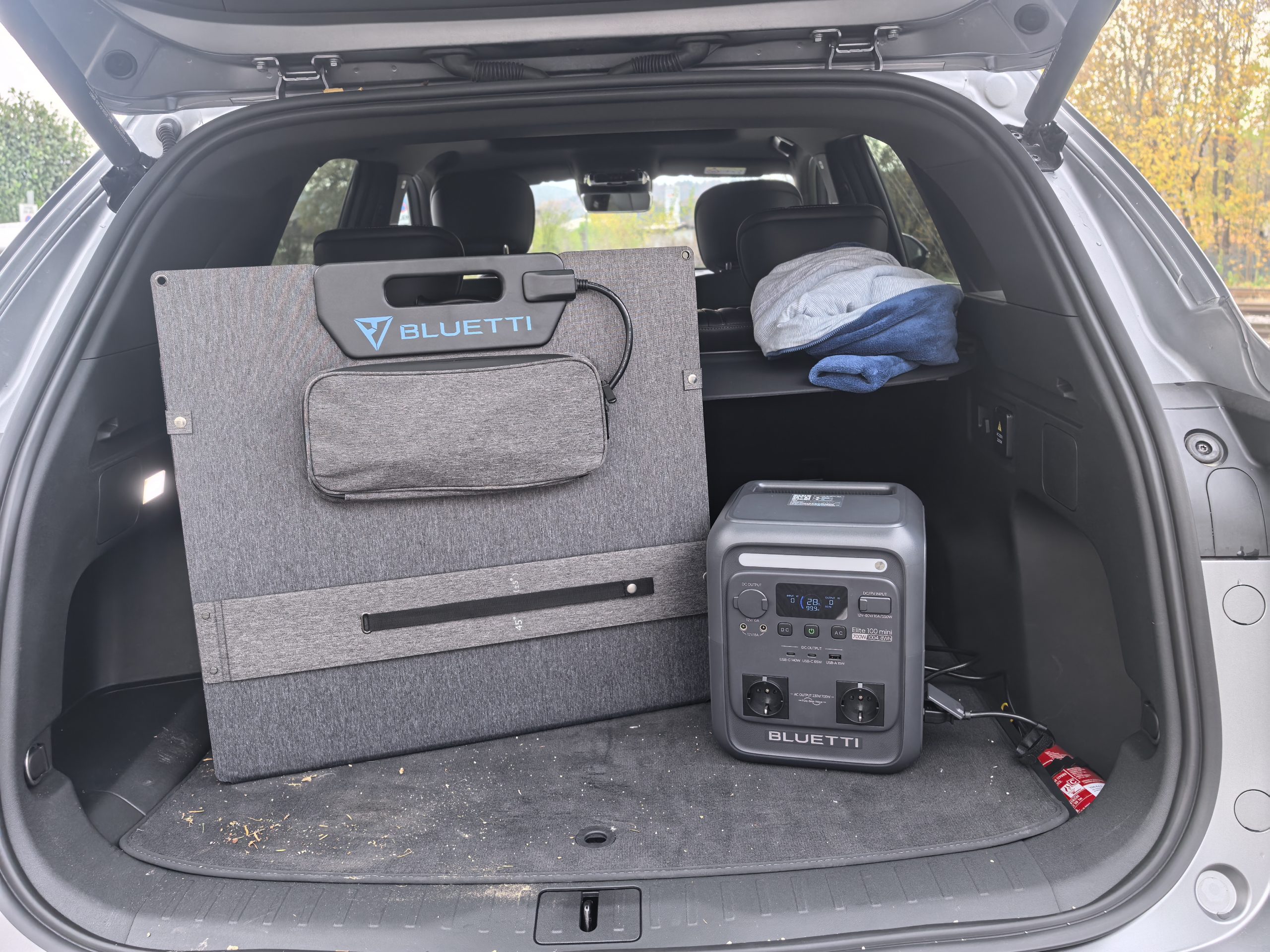
That's why portable charging stations exist. BLUETTI Elite 100 Mini It has a battery with a capacity of 1004.8 Wh, which is enough to power computers, lighting, a refrigerator or other small devices for several hours. I also had a 200-W foldable solar panel with me, which allows charging even without a power grid. It's a shame that we only had 15 minutes of sunshine in the last month. I'll have to wait for better weather to test the whole set in more detail.
| Advantages | Weaknesses |
| Capacity 1004.8 Wh | Only 700 W output power |
| Compact body | Only two AC outlets |
| Long-life LiFePO4 battery | No protection for use in the rain |
| USB-C up to 140W | |
| Solar charging up to 350 W |
BLUETTI Elite 100 Mini price and specifications
BLUETTI Elite 100 Mini officially arrives on the European market on November 24, 2026. The regular price is €599, but it will be reduced to €449 at the launch until December 7.
Computer News readers can use the code when purchasing computer6, which brings an additional 6 % discount. During the promotion period, this means a final price of €422.06. The code is valid until February 24, 2027.
You can also currently use Black Friday discounts at BLUETTI, up to 36 % discounts. You can also use the code for all products computer5 for an additional 5 % discount that has no time limit. You can redeem it even after the current promotion ends.
| Battery capacity | 1004.8 Wh |
| Battery type | LiFePO4 (LFP) |
| Endurance | More than 6000 cycles |
| Rated AC output power | 700W |
| Powerlifting | Up to 1400 W |
| Electrical sockets | 2 × AC |
| USB-C | 1 × 140W, 1 × 65W |
| USB-A | 1 × 15W |
| Other connections | 12-V car socket, 2 × DC5521 |
| Maximum AC charging power | 700W |
| Maximum solar charging power | 350W |
| Solar input | 12-60V, maximum 10A |
| Charging from the car | 12V or 24V |
| UPS backup power supply | Switching in maximum 10 ms |
| Connectivity | Bluetooth, Wi-Fi |
| Weight | 10.7 kg |
Mini is mainly in volume, slightly less in weight
The name Mini can quickly create false expectations. The BLUETTI Elite 100 Mini is not a device that you would put in a backpack along with your laptop and a bottle of water. Ten kilograms and some additional weight is still enough that we would not be happy to carry it for several kilometers on a mountain trail.
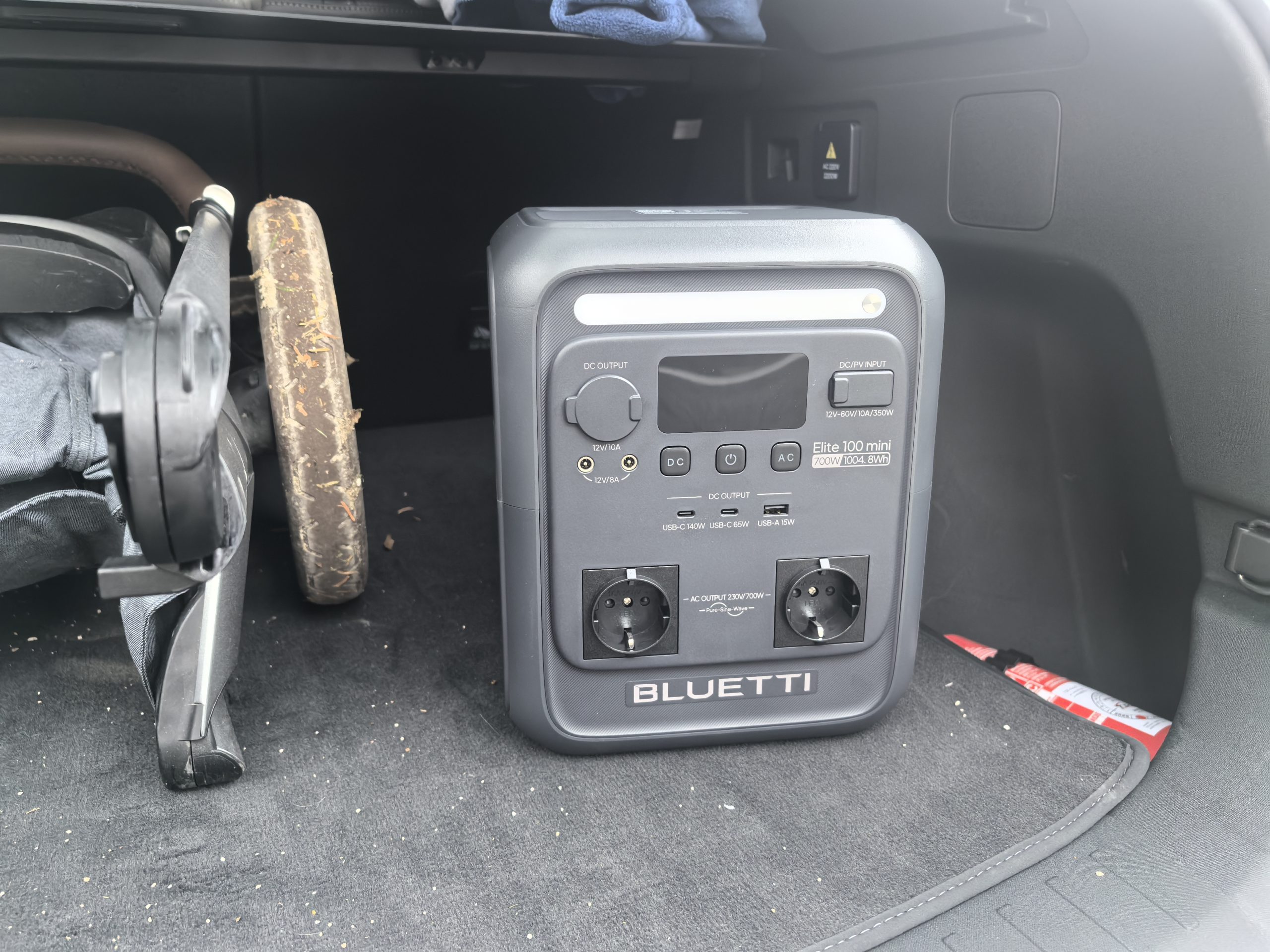
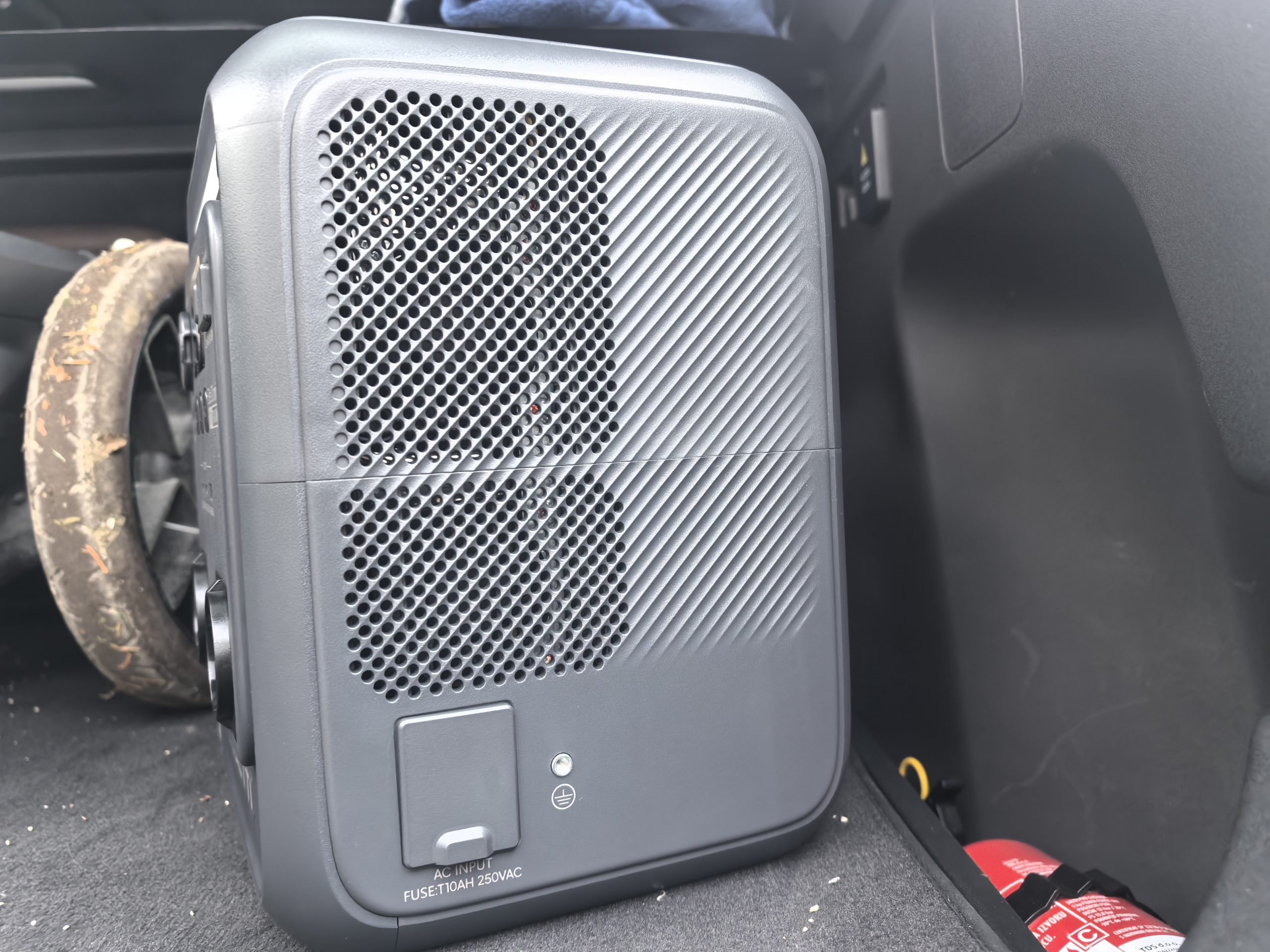
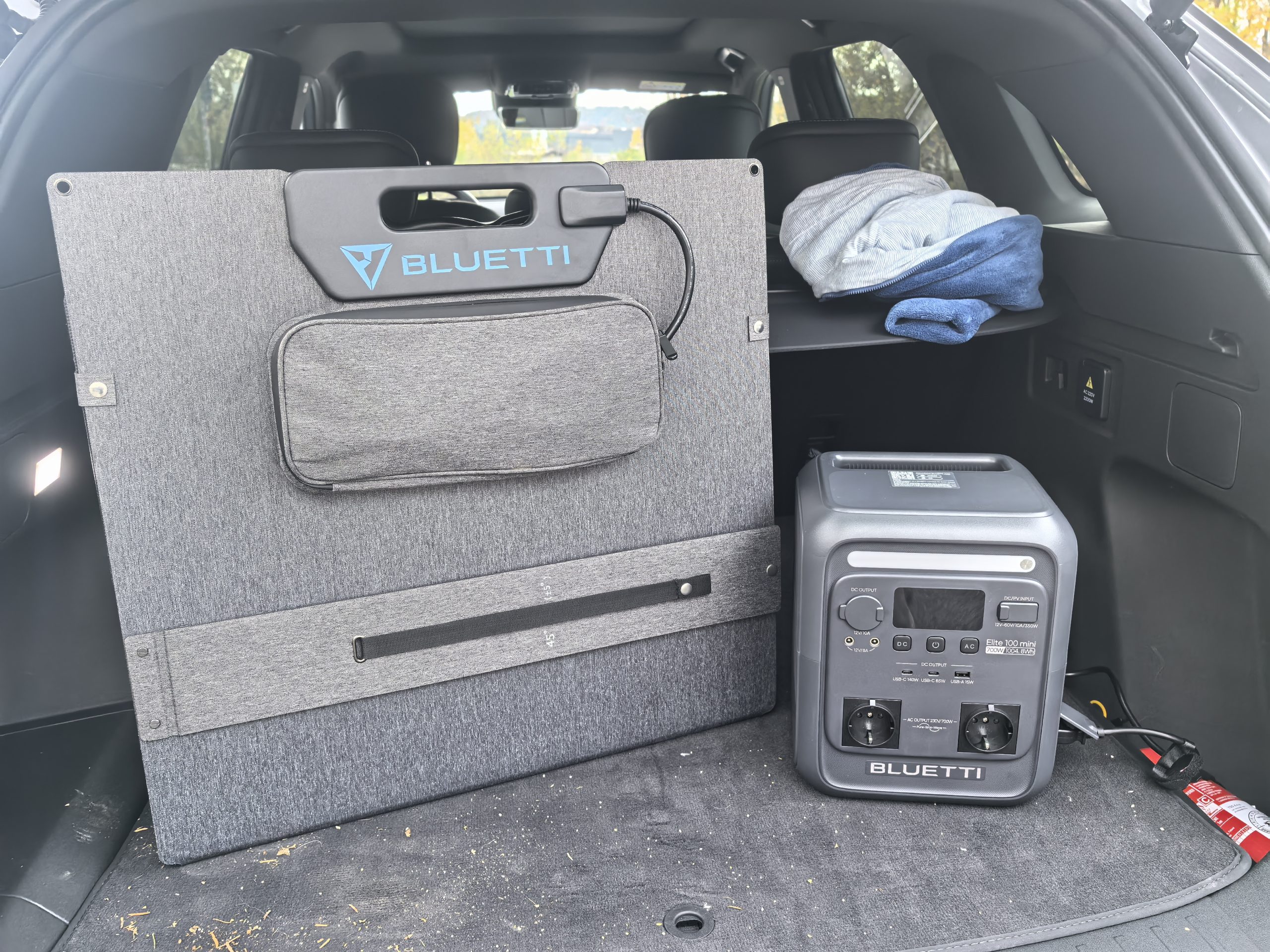
However, it is quite compact considering the amount of energy stored. The upright housing measures 29 centimeters in height, and its base area is comparable to a small household appliance. It therefore does not take up much space on a shelf, in the trunk or in the cabinet of a motorhome or a car converted into a camper. Even if you are camping in a completely normal car, you can place the station in a corner of the trunk and you will not lose much space for the rest of your camping equipment.
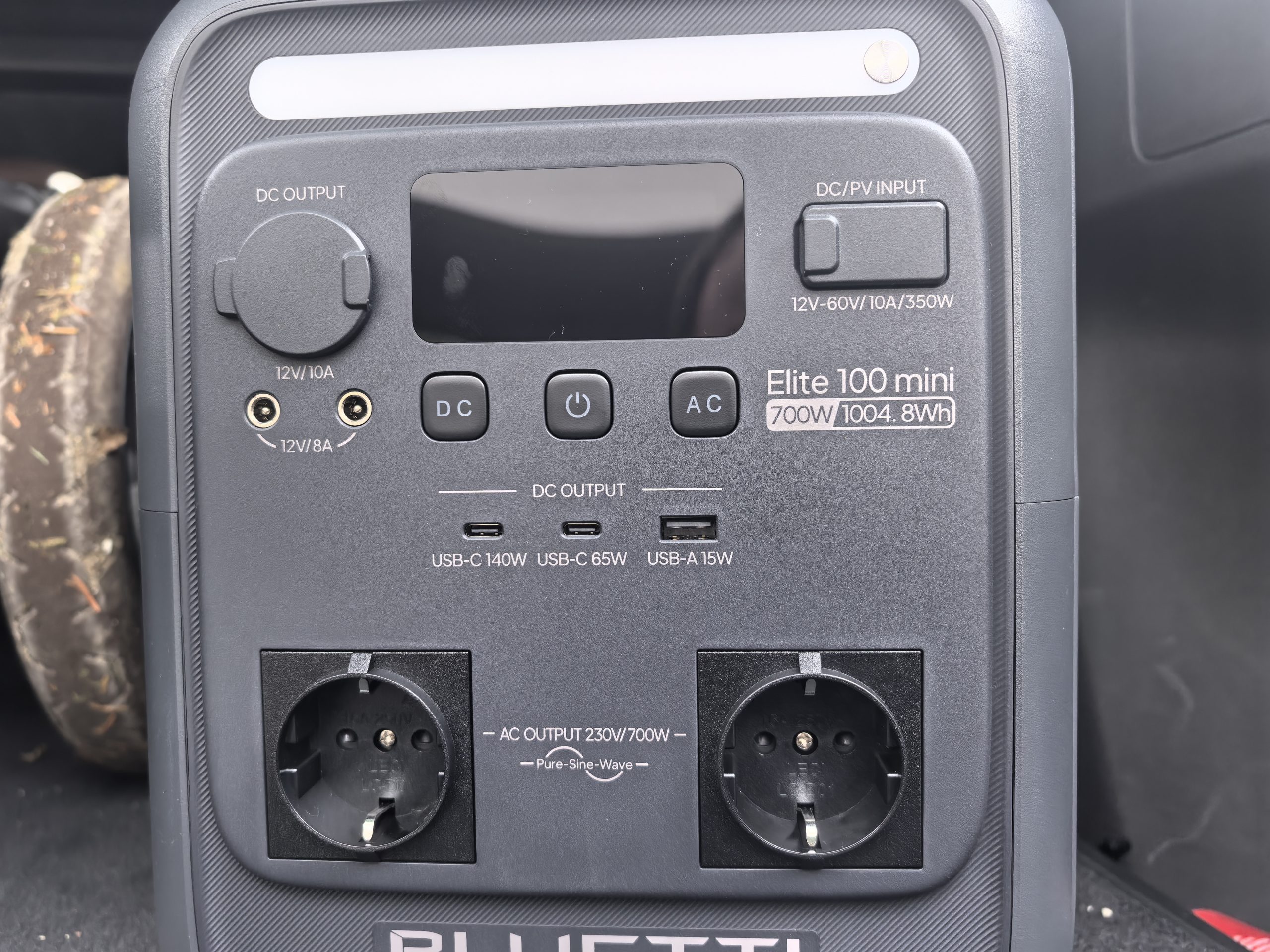
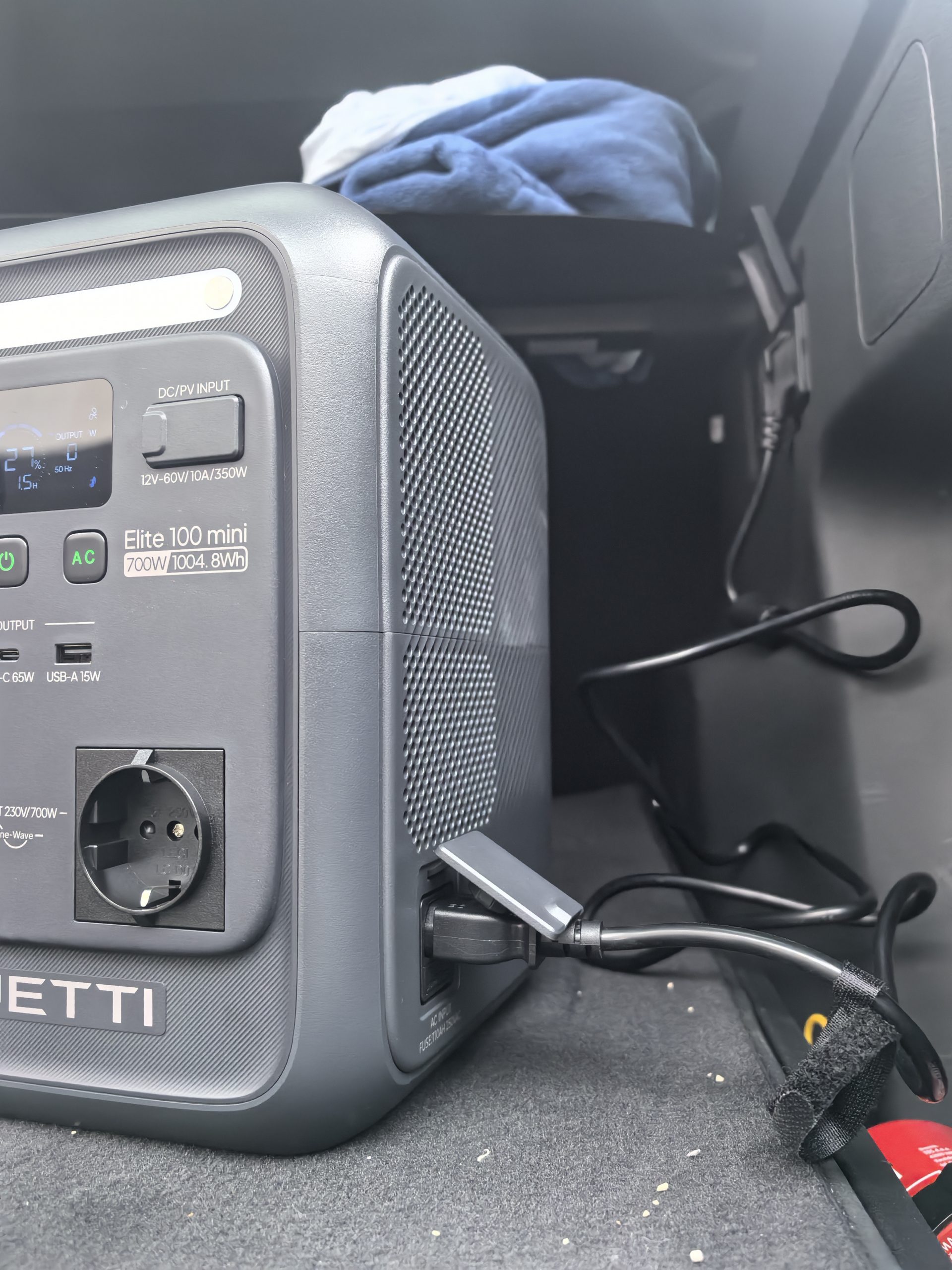
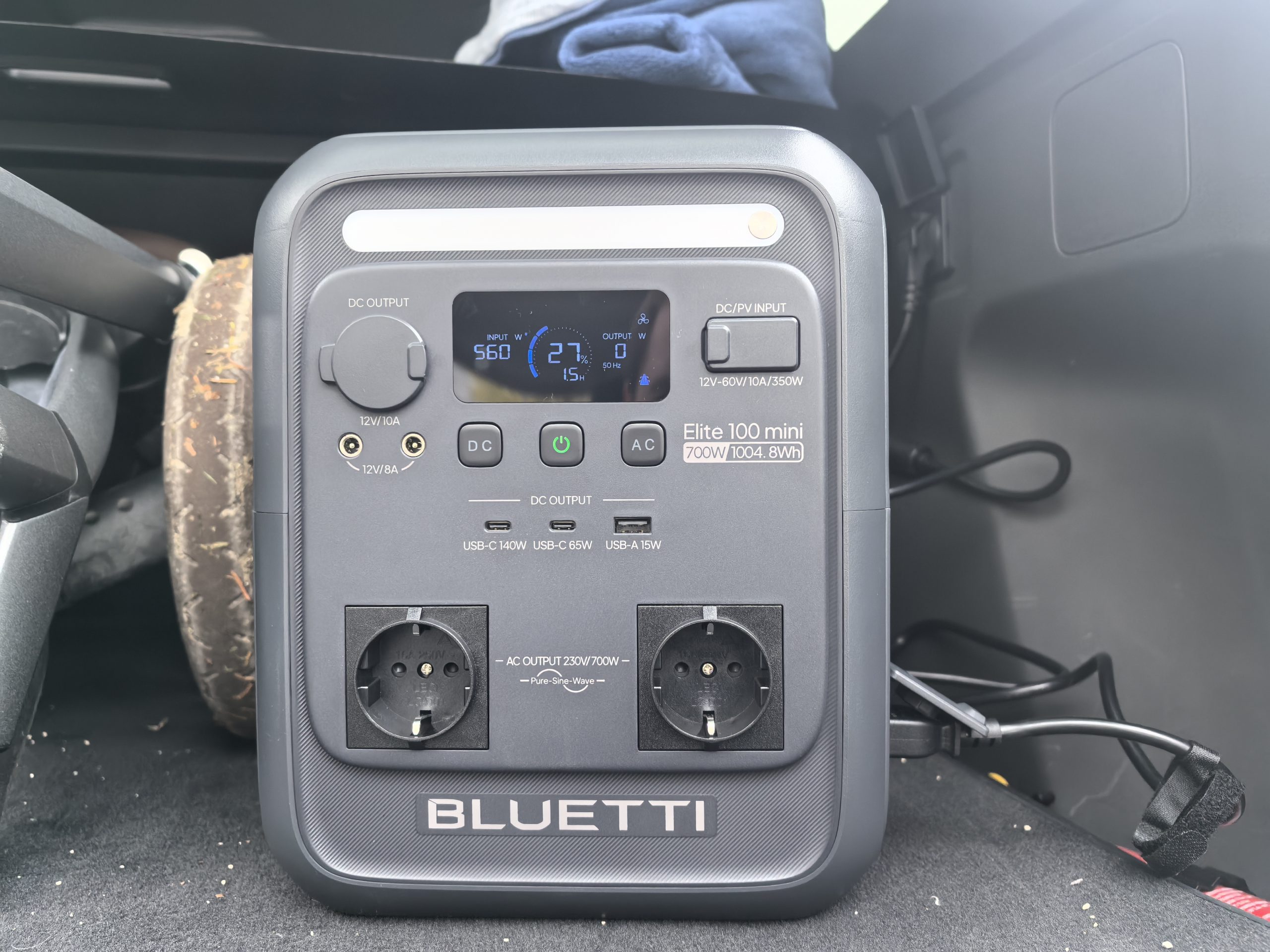
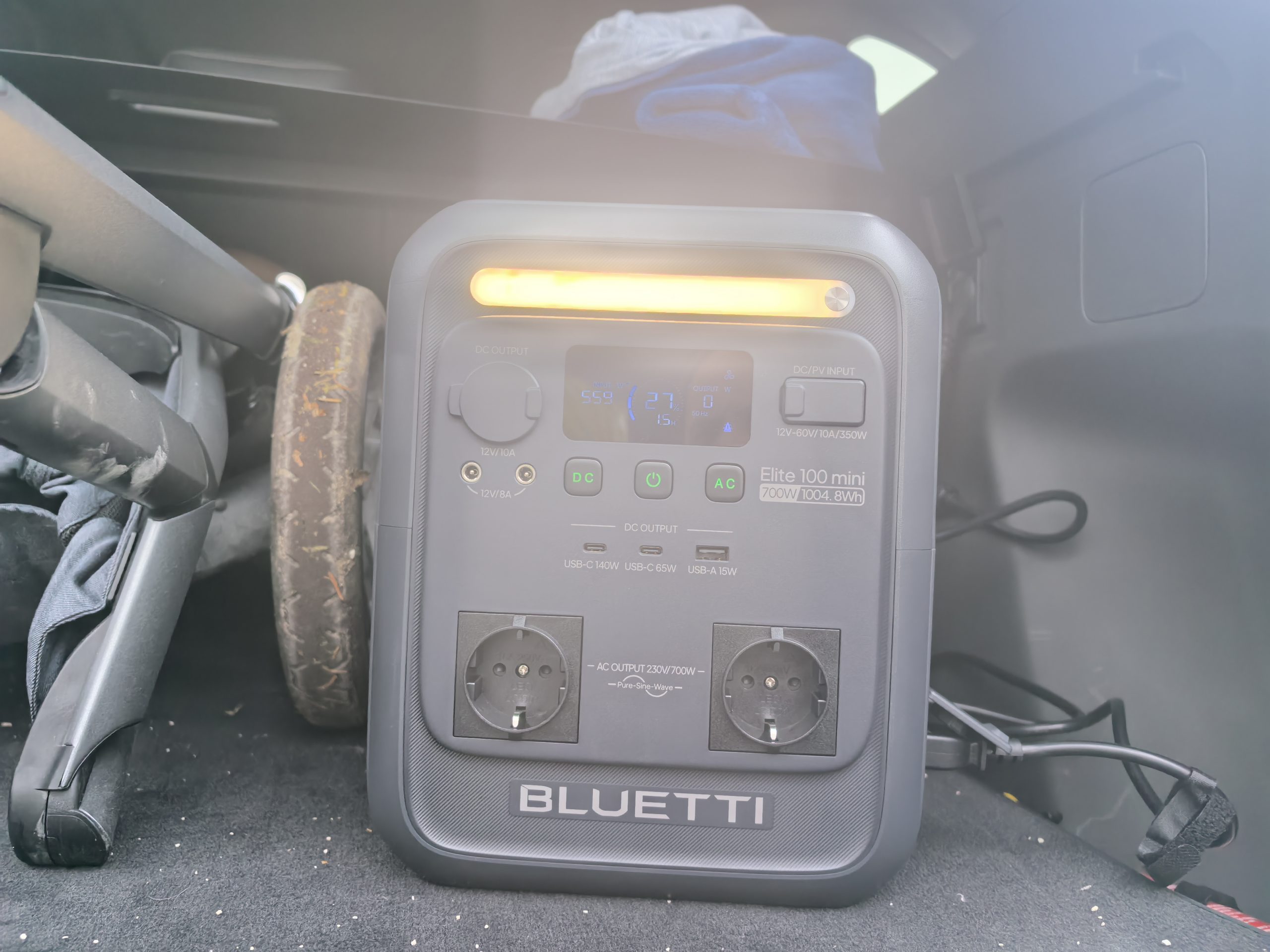
A built-in handle makes it easy to carry, and the housing is designed quite simply. Most of the connections are on the front, where there is also an information screen with information about battery charge, input and output power, and estimated operating time.
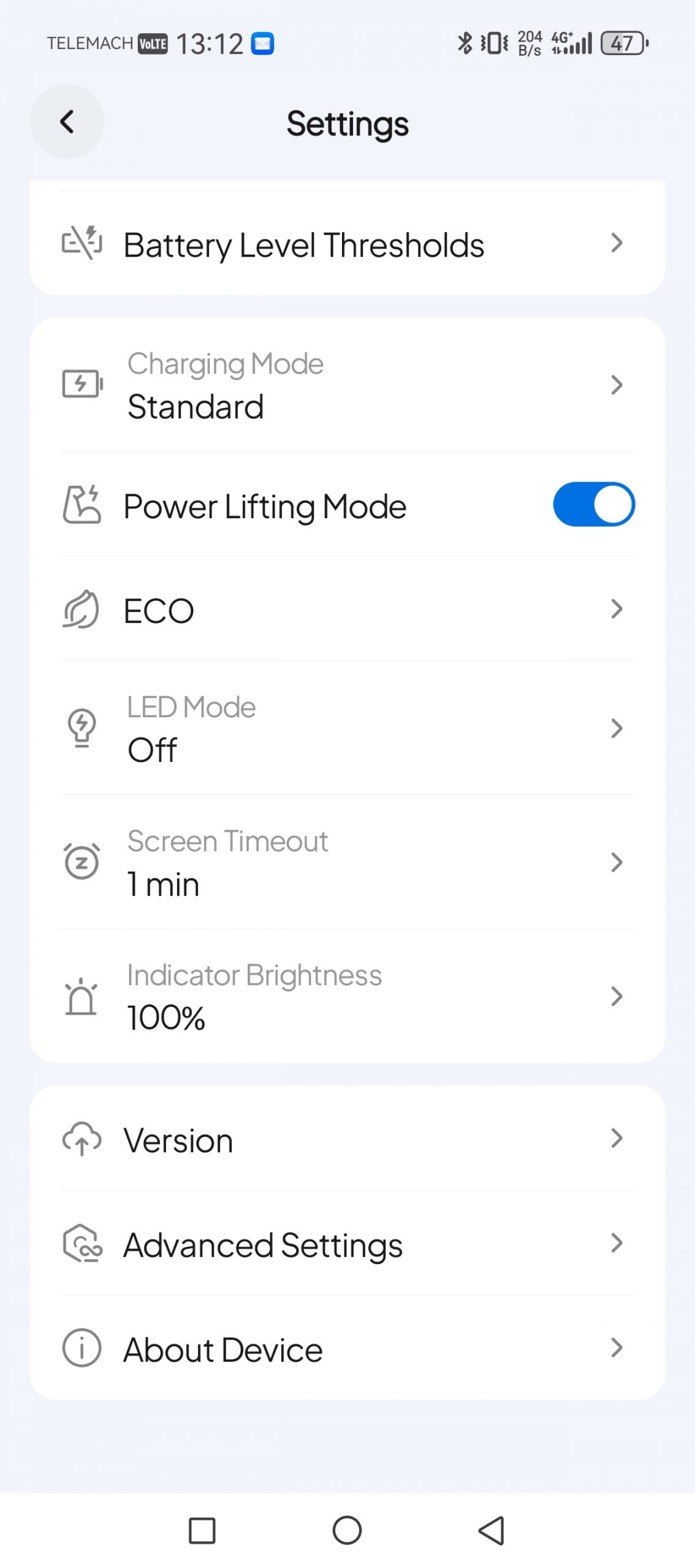
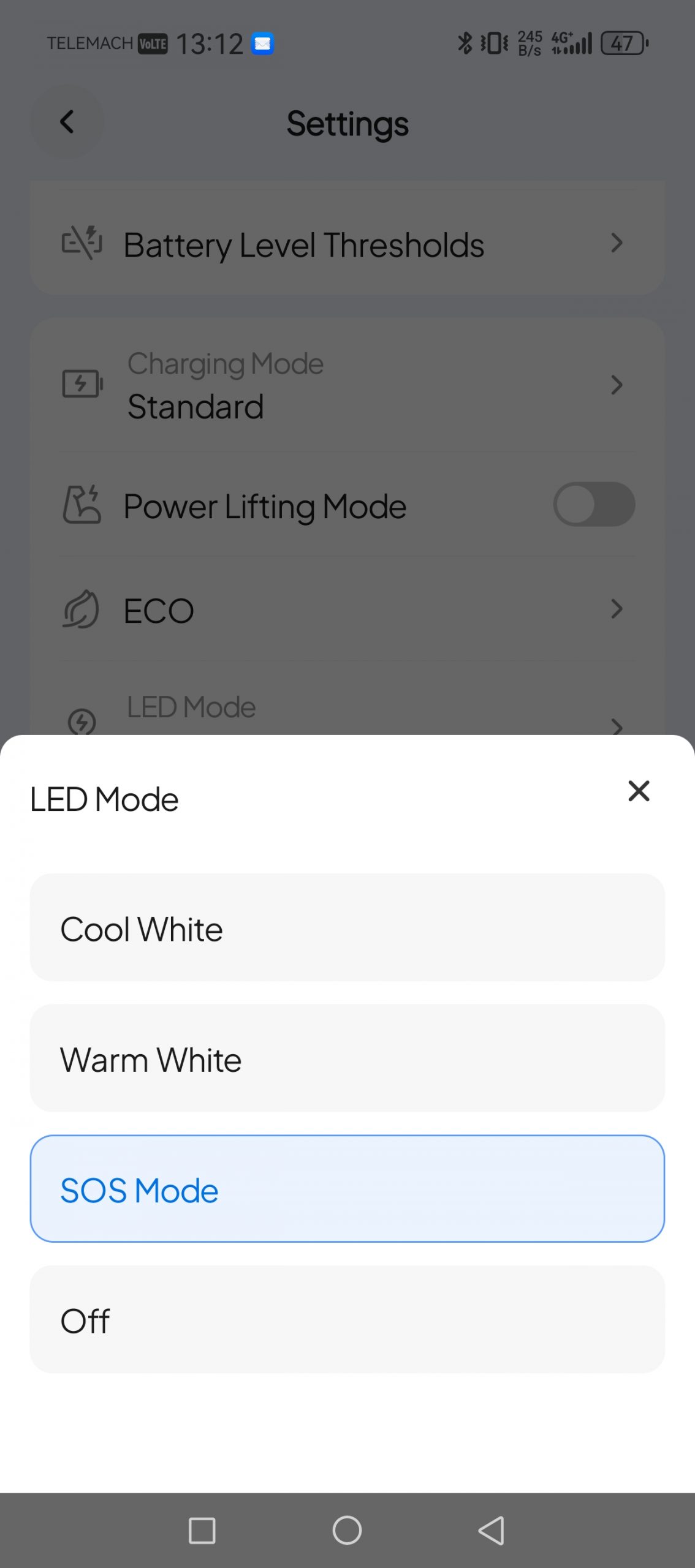
There's also an LED light strip on the front with different lighting modes, including warm and cool light and an SOS signal. It can replace a smaller flashlight when camping, and comes in handy at home during a power outage.
Despite its compact design, the station is intended for use in a dry and well-ventilated environment. If using it with a solar panel, the panel should be in the sun and the station itself in the shade if possible. Batteries and electronics do not feel good when exposed to the summer sun for several hours.
One kilowatt hour sounds huge.
Portable power plants often get confused between two figures that mean quite different things. The battery capacity of 1004.8 Wh tells you how much energy is stored in it. The output power of 700 W determines how powerful devices can be powered via electrical outlets.
If we connect a device with a constant consumption of 100 W, it could theoretically run for about ten hours. But we also have to take into account the losses due to energy conversion. With alternating current, the inverter must convert the DC voltage of the battery into 230 V AC. This conversion is not 100-% efficient, so we cannot use the full 1000 Wh on the connected devices.
In my tests, charging two laptops and a speaker most of the time, I got about 900 Wh of power out of the station. The measurement doesn't apply to all scenarios, for example, when I briefly turned on a small electric heater, it was obvious that the loss would be higher.
| Total device consumption | Approximate operating time |
| 20 W – network equipment | Up to 40 hours |
| 50 W – laptop or smaller screen | 16 hours |
| 100 W – TV and additional devices | 8 hours |
| 200 W – multiple devices at the same time | 4 hours |
| 500 W – more demanding device | 1.6 hours |
If we want to power a router, laptop, TV, lighting or portable fridge over the weekend, you will have enough capacity. If you want to cook on an electric heater, use a larger hairdryer or run an induction hob, you will have to filter what is important to you at that moment and so that you do not run out of energy for later use too quickly. Unless you have access to the sun, then these concerns are less drastic.
BLUETTI offers a Power Lifting mode that allows devices with a nominal power of up to 1400 W to operate. However, this does not mean that the inverter has magically turned into a 1400-watt one. The power remains limited, but the device adjusts the output conditions, so the heater can operate more slowly or with less power.
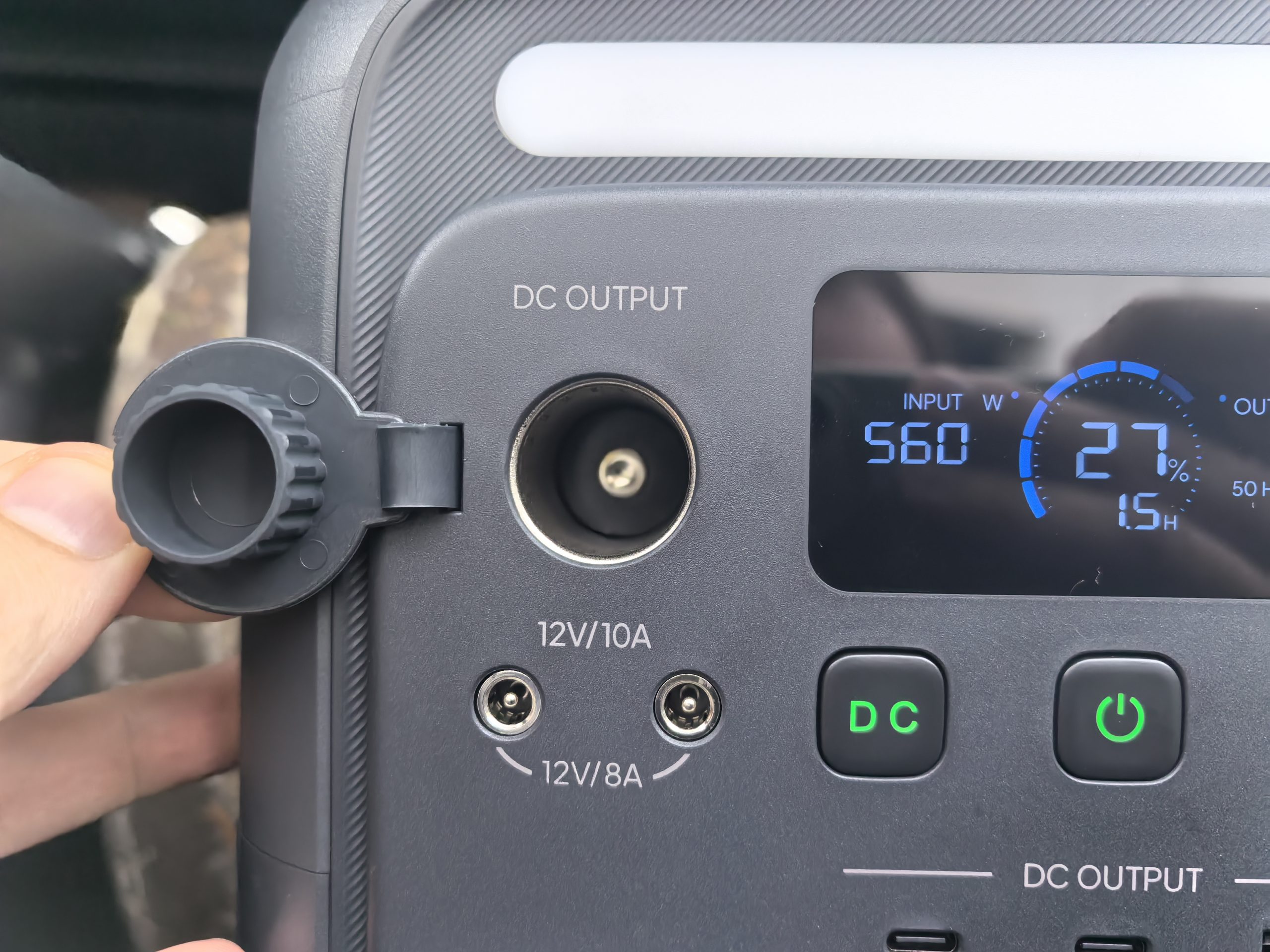
There are enough connections, just don't overdo it with the total consumption
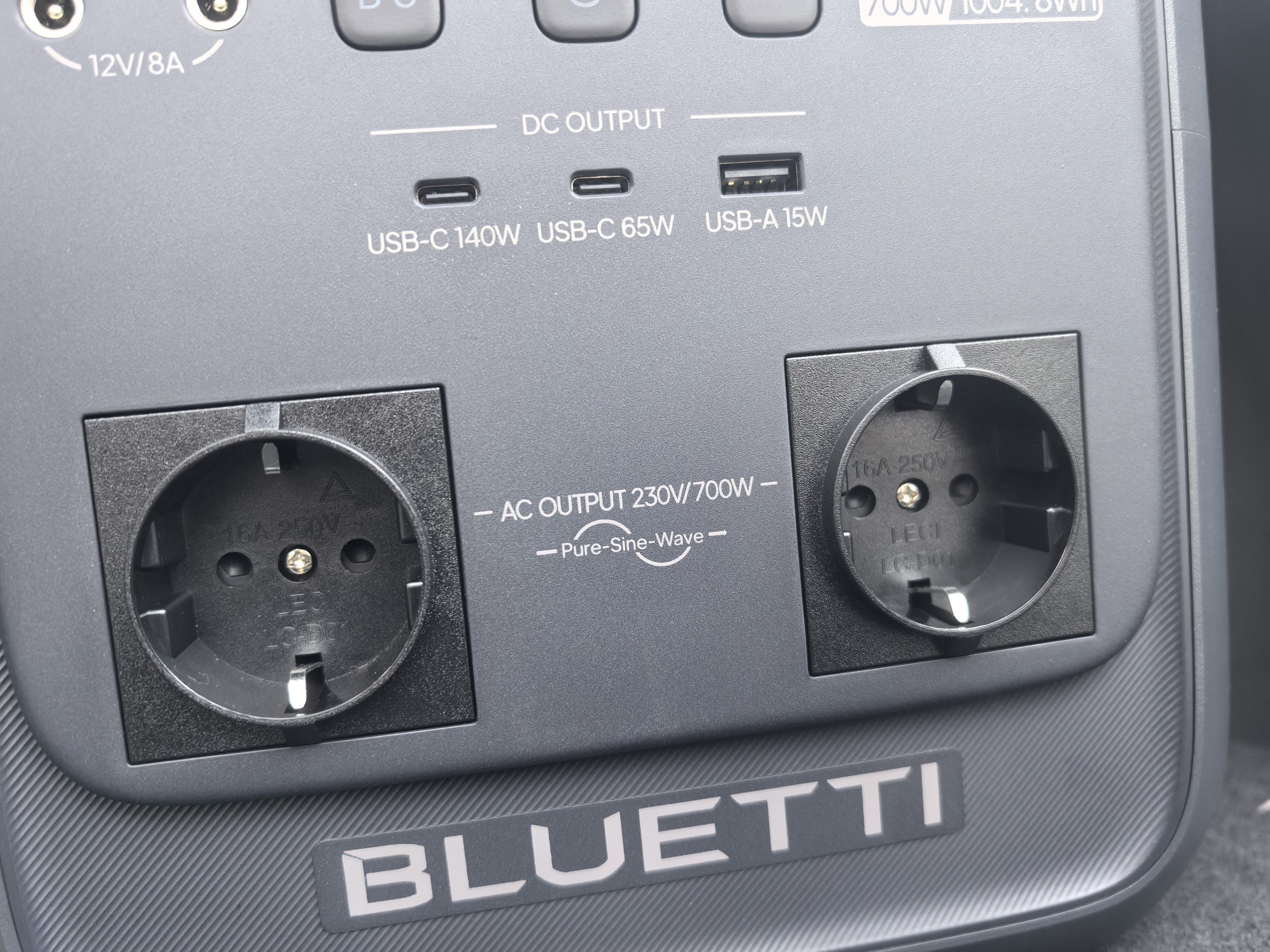
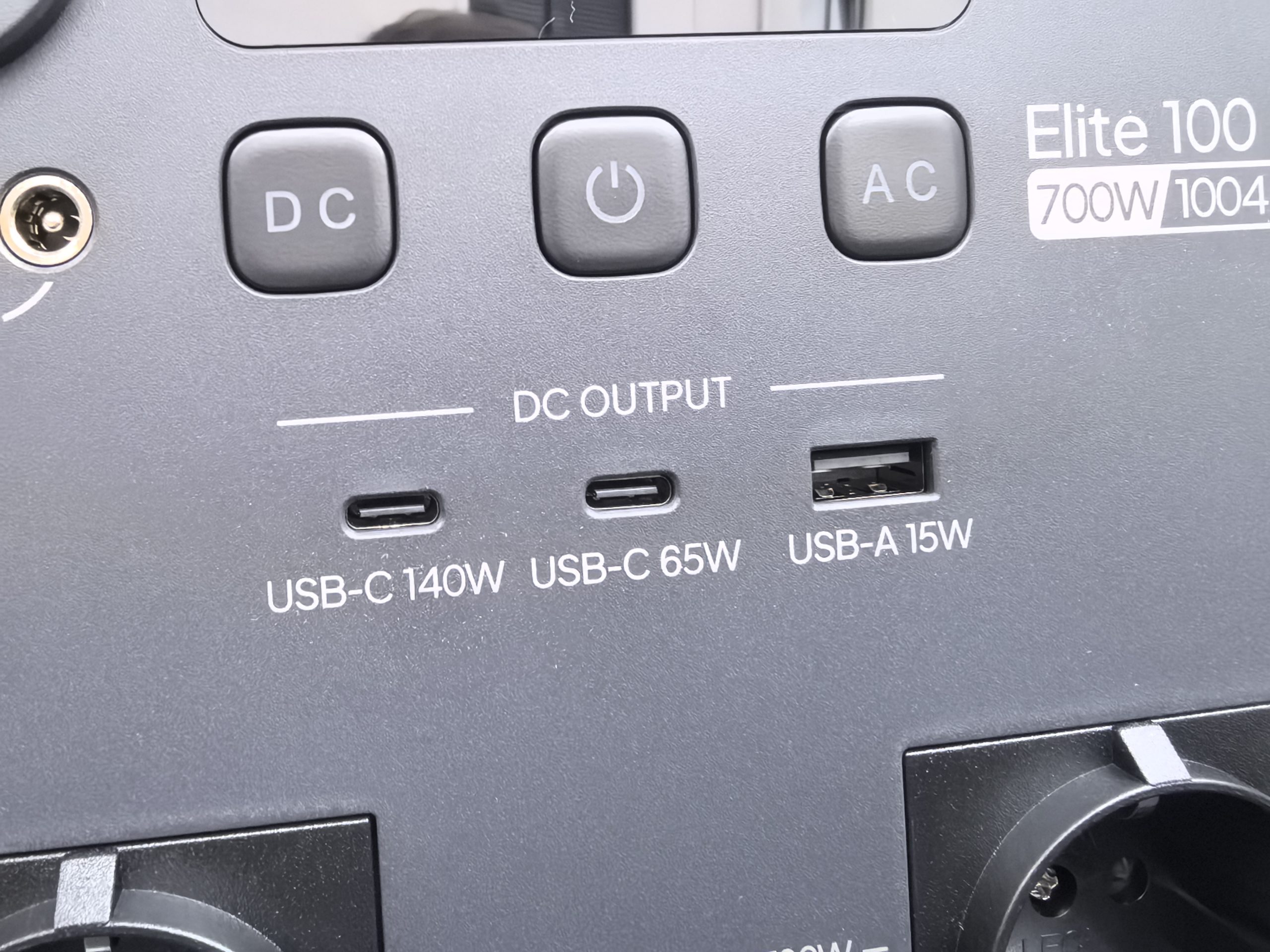
BLUETTI Elite 100 Mini has two classic electrical outlets. This is enough for a TV and a small household appliance or two other devices, but the outlets have to share the available power of the inverter. If this is not enough, you can take advantage of the USB-C ports. The first supports charging with a power of up to 140 W, the second up to 65 W. If you really don't have a powerful gaming laptop, both will be enough to charge a regular laptop. One less cable and adapter in your backpack.
There are also USB-A, a 12-volt car socket, and two DC5521 connectors, which are useful primarily for compatible network equipment, smaller electronic devices, and some camping accessories.
A 200-W solar panel can be a good friend to BLUETTI
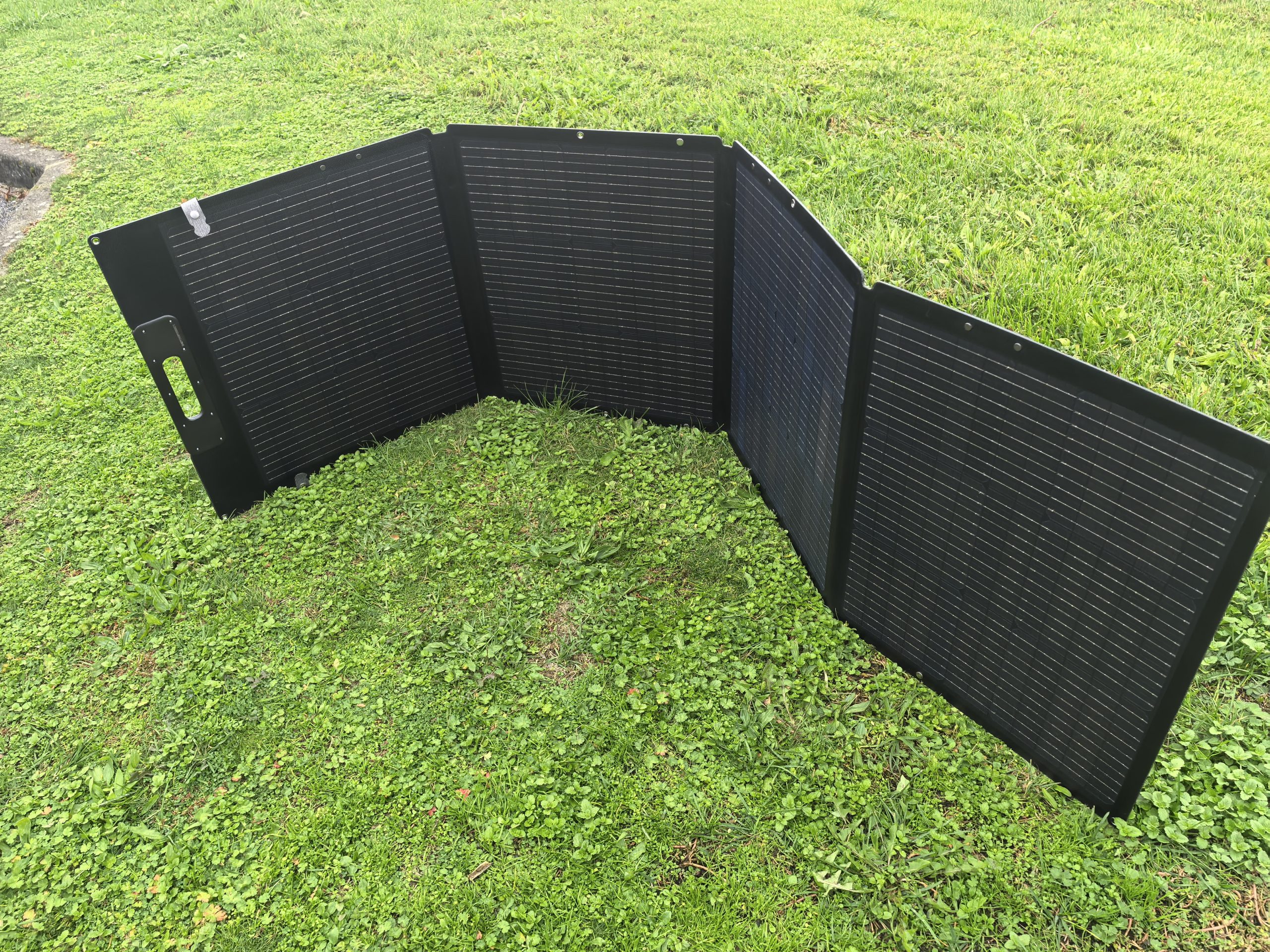
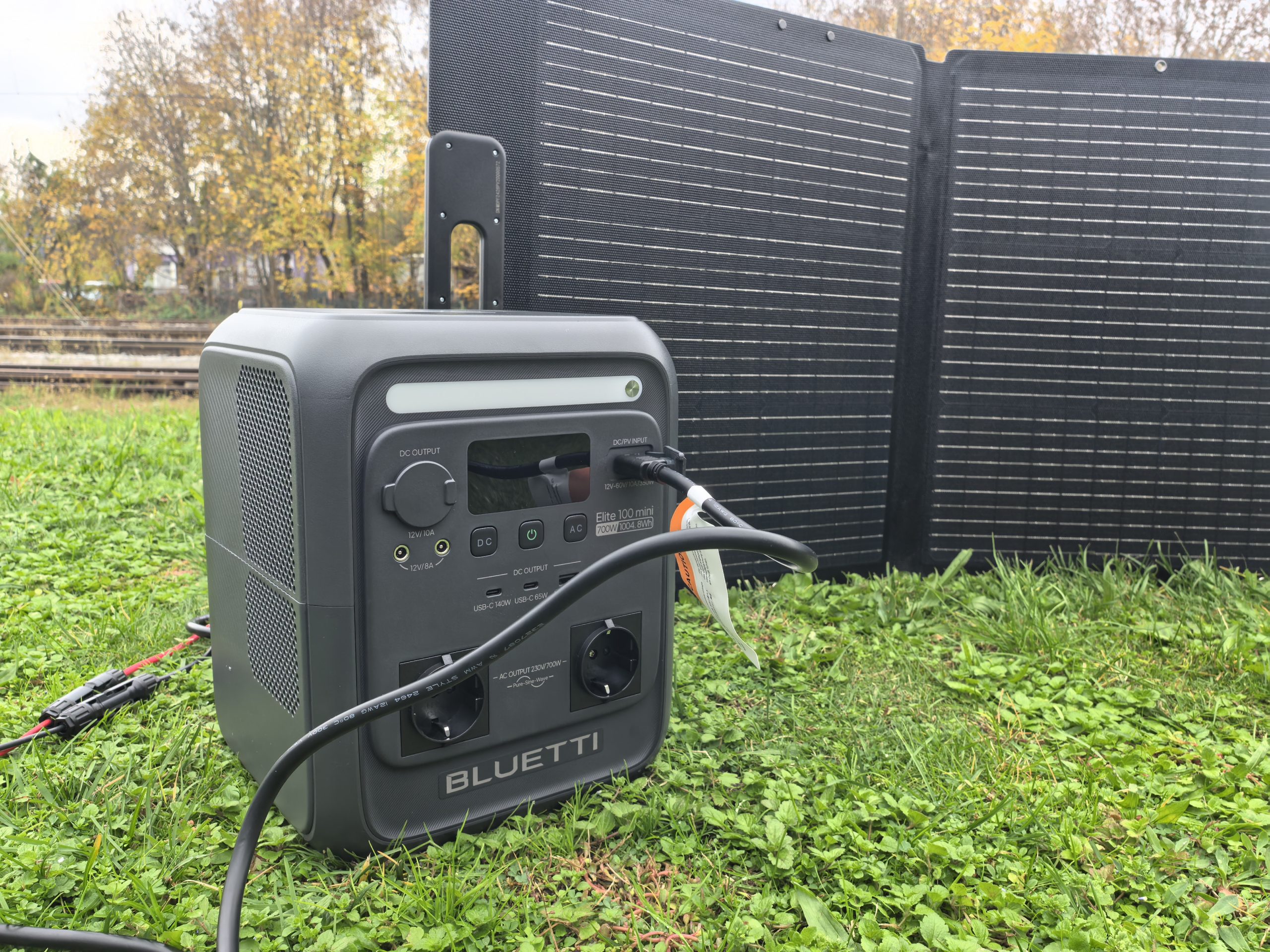
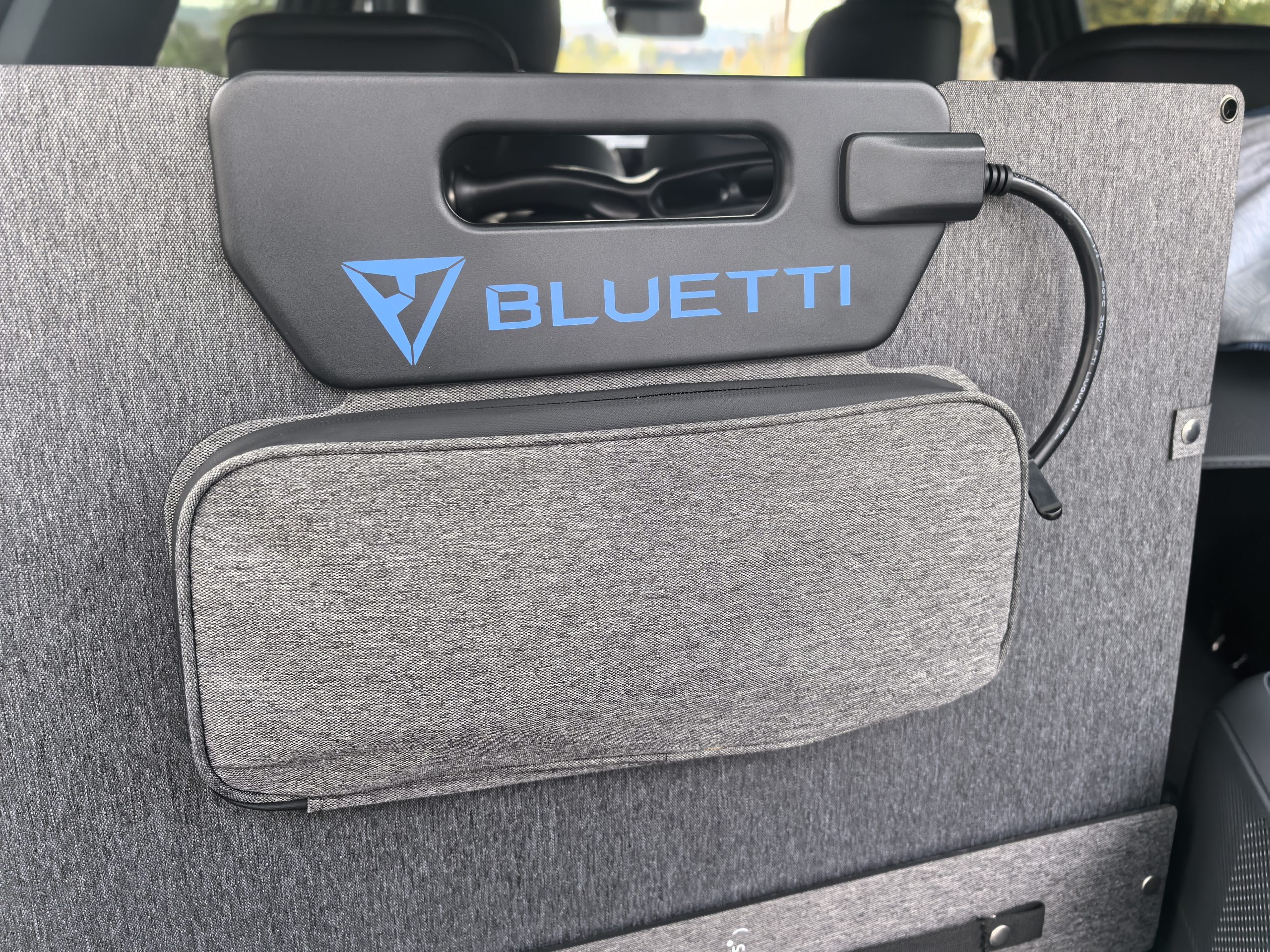
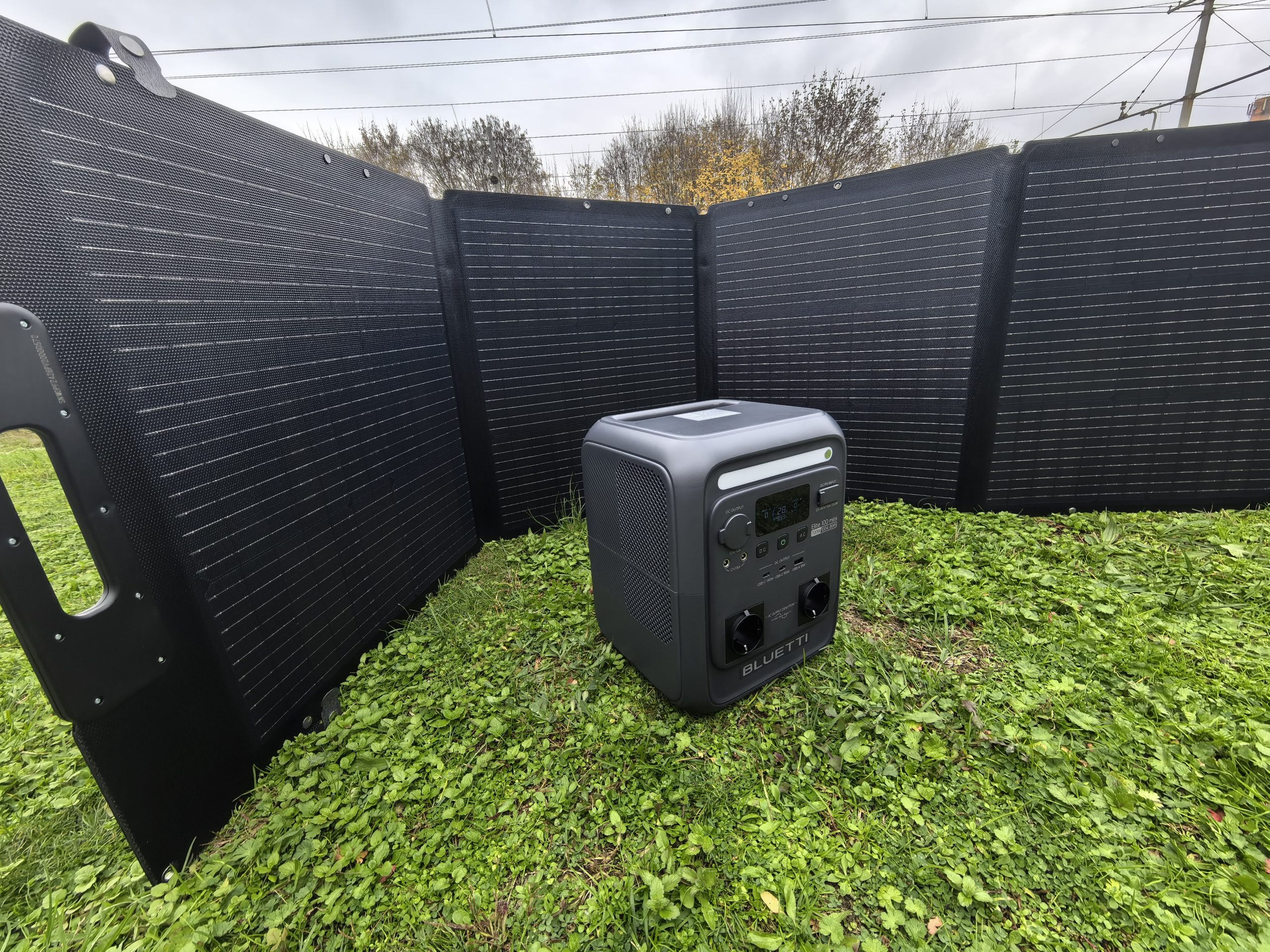
The charging station accepts up to 350W of solar input power, which is clearly not a lot, but for powering where there is no other option, it will be more than enough. I wouldn't want to carry any extra weight myself, so this panel would be more than enough for me. It also folds into a convenient shape that you can then just lift with the handle.
The connection is via the XT60 solar input. 200 W is the nominal power of the panel, but in the right conditions you can expect to get 30-50 % less efficiency. In the summer you will definitely be looking at the weather forecast less, especially if you are heading to the sea. When it comes to other seasons, however, a little planning will still be necessary, especially if you know that you will really need electricity for a longer period of time in remote places.
If the station received an average of 150 W, it would collect about 600 Wh in four hours before charging losses. This is enough energy to use a television for several hours, charge laptops or operate less demanding devices. In summer, this can be done in one good sunny day in a suitable location. In late autumn or winter, the same task can take several days.
If possible, place the panel in an open, shadow-free location, with the surface facing the sun's rays as perpendicular as possible. Move it during the day to make the most of the solar capacity.
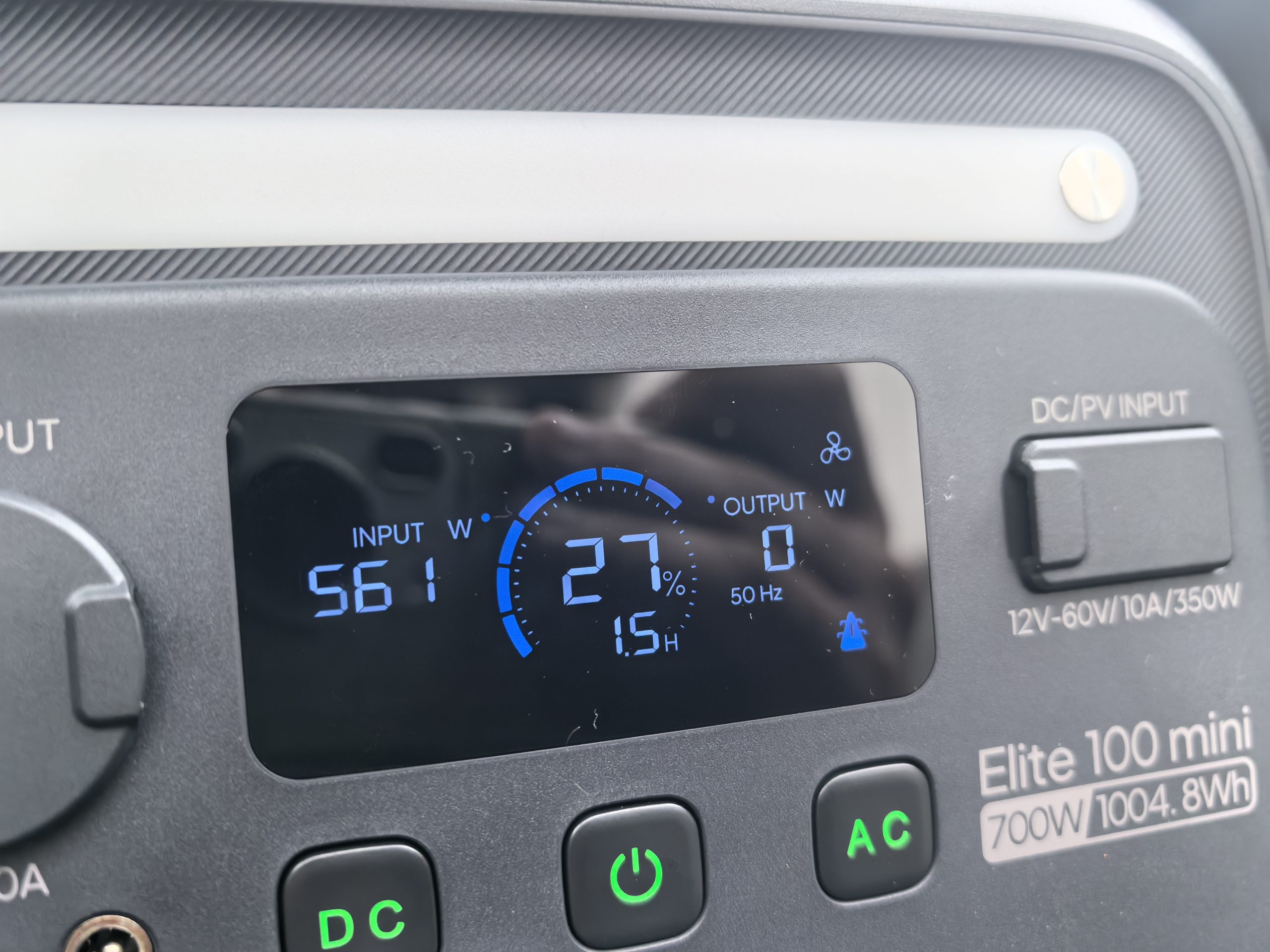
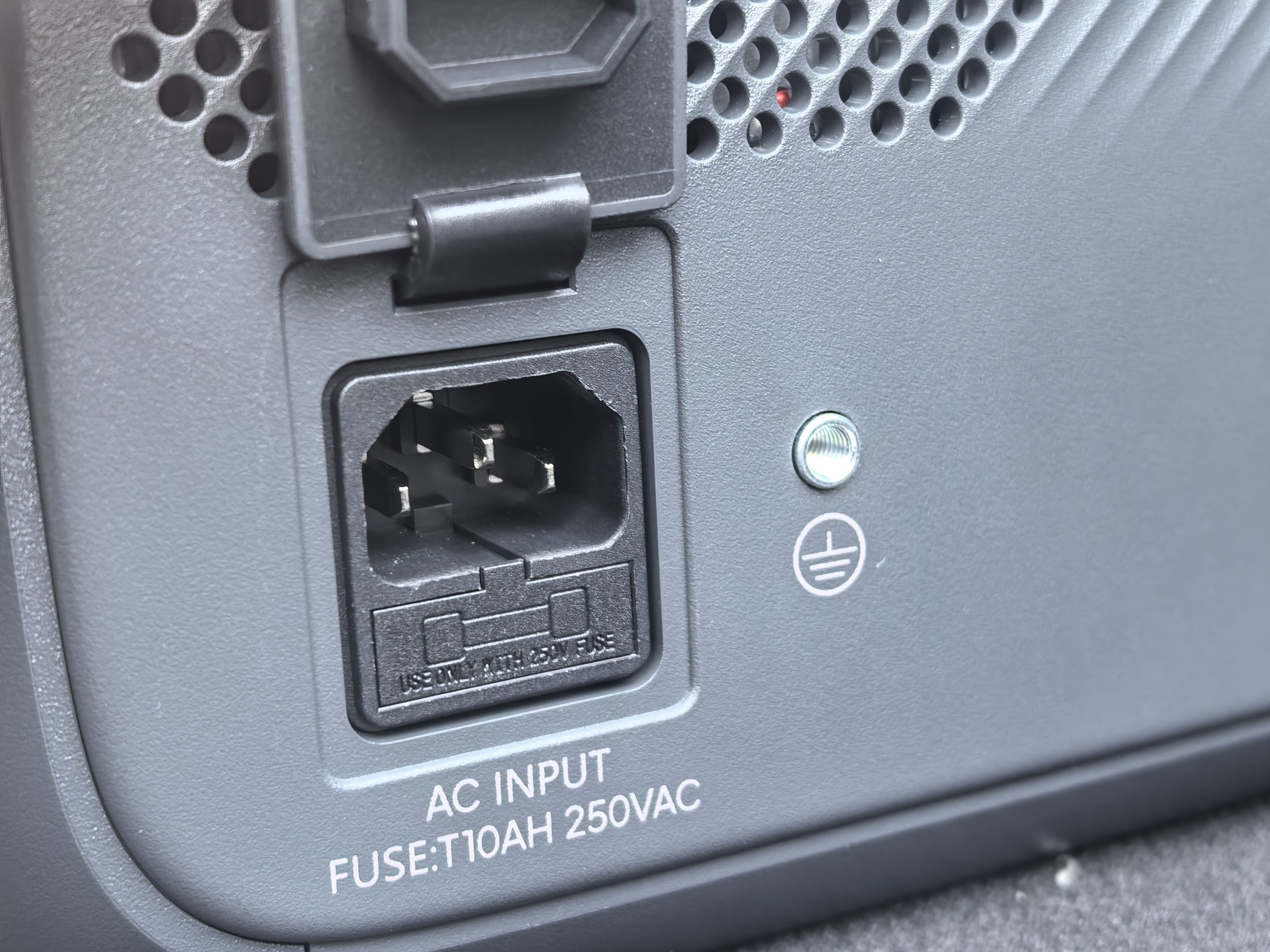
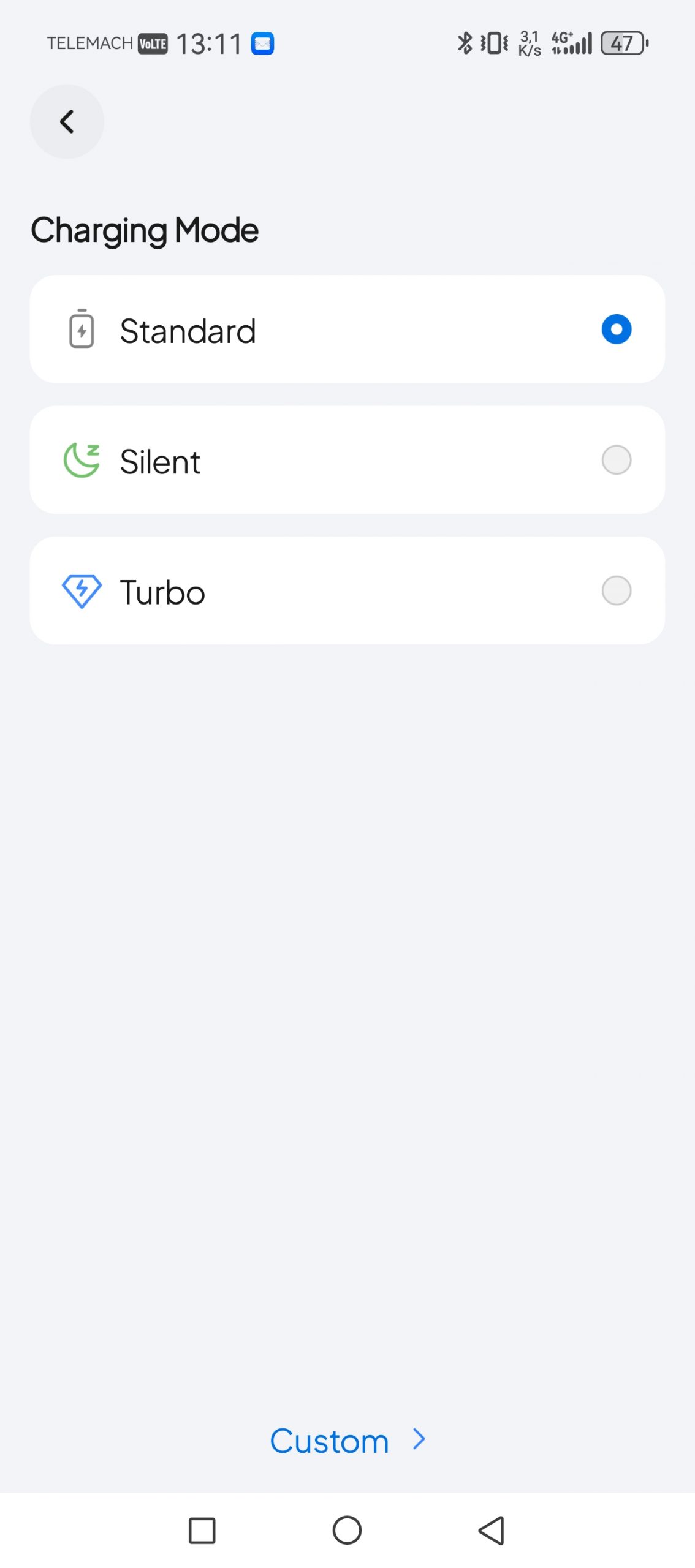
When the mains power is available, the BLUETTI Elite 100 Mini can also be charged via a regular socket. In the fastest Turbo mode, it supports up to 700 W of input power. The battery can be fully charged in two hours. There is also the usual Standard mode with a maximum of 550 W and the quieter Silent mode, which limits the input power to 300 W.
Faster charging means more heat and usually more intensive fan operation. If the station is charging at night in the same room, the quieter mode is therefore a better choice.
It is also possible to charge from a 12- or 24-volt car socket. In the first case, the maximum expected power is approximately 96 W, and in the second up to 192 W. This is not necessarily a problem when driving a motorhome. If the station is charged for several hours, we can gradually gain enough energy for evening use.
A LiFePO4 battery can ease your worries in the long run
BLUETTI Elite 100 Mini uses lithium iron phosphate cells, or LiFePO4. Compared to some other lithium-ion chemistries, they have good thermal stability and a long cycle life. The battery is officially rated to last over 6,000 charge cycles, which is an impressive number. If you were to complete one full cycle per day, it would take over sixteen years to reach six thousand cycles.
For long-term storage, it is recommended to maintain 40–60-% battery charge, store in a cool, dry place, and perform periodic maintenance.
You can use it as an emergency UPS
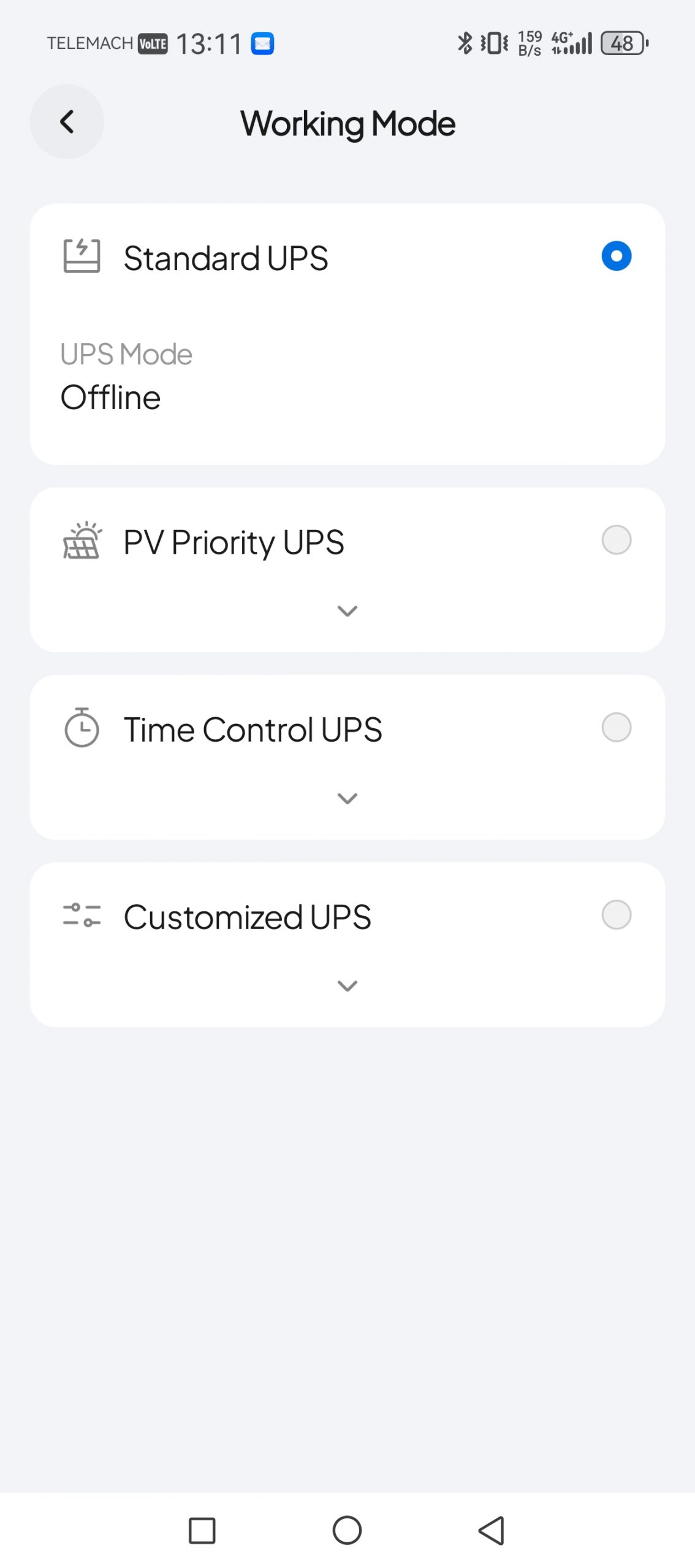
BLUETTI Elite 100 Mini also has a UPS function, which means that it can automatically switch to battery power in less than 10 milliseconds in the event of a power outage. For conventional devices, this is fast enough that a short outage does not even cause a reboot. If we connect an optical modem and router to the station, the Internet can remain available even during a power outage, of course, if the operator's infrastructure is working.
A UPS is also useful for a computer, TV, or other less demanding electronics. However, a ten-millisecond switching is not the same as the continuous conversion used by professional online UPS systems.
Therefore, it makes no sense to connect critical medical equipment, sensitive servers, or systems for which even a very short interruption is unacceptable without additional checking.
BLUETTI app is available but not absolutely necessary
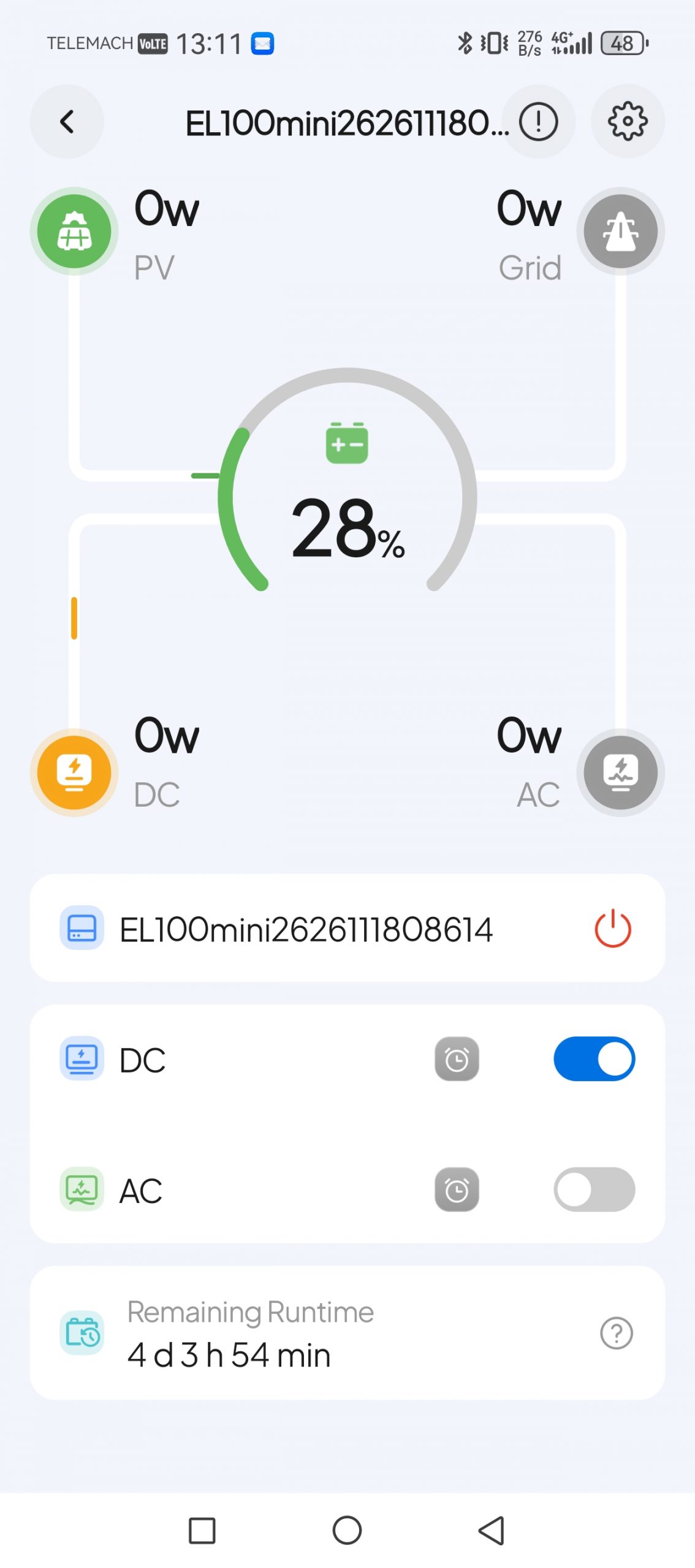
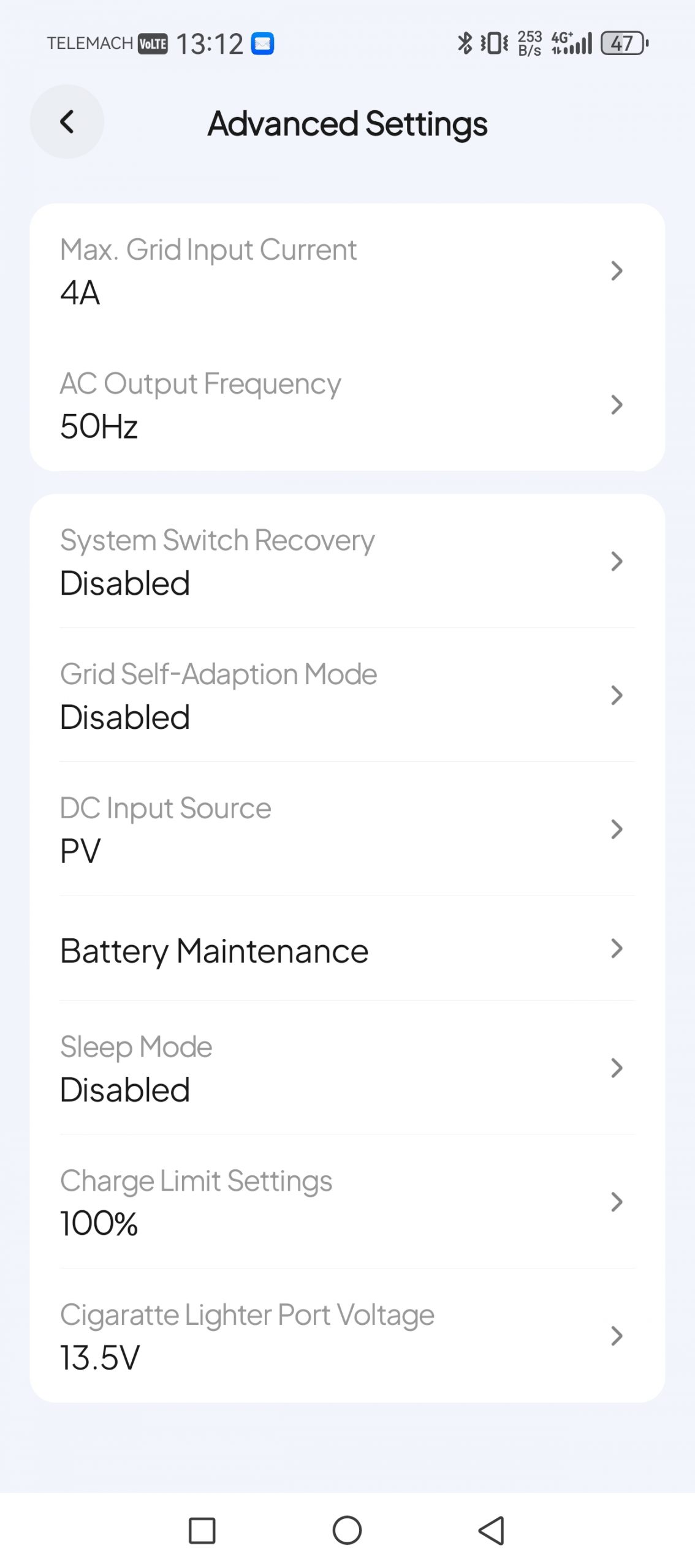
The charging station can be controlled using the buttons on the housing, and for more advanced settings, the BLUETTI application is available. Via Bluetooth or Wi-Fi, we can monitor input and output power, battery charge and various statistical data. The application also allows you to select a charging mode, set charge limits and manage outputs.
The scheduling features are interesting. You can define periods when the device charges from the mains and periods when connected devices use battery power. There are also settings for prioritizing solar energy use and a view of daily and longer consumption history.
BLUETTI Elite 100 Mini – smaller inverter, more freedom
BLUETTI Elite 100 Mini I would take it with me on a weekend trip without a second thought, where I could use my laptop, refrigerator, and other small electronics without worry, while trying to replace as much of the energy used as possible with the solar panel during the day.
The only "disadvantage" that a more advanced user may encounter is the 700 W power, because with a slightly more powerful inverter, the station could be used for many other tasks that would now require searching for an electrical outlet.
If 700 W is enough for you and it's more important to you not to carry around a ten-kilogram battery (plus solar panels), you'll be happy with this "mini" portable station. You'll even save a few euros on additional camping equipment.