

Share with others:

DNA cassette tape could store every piece of music ever written
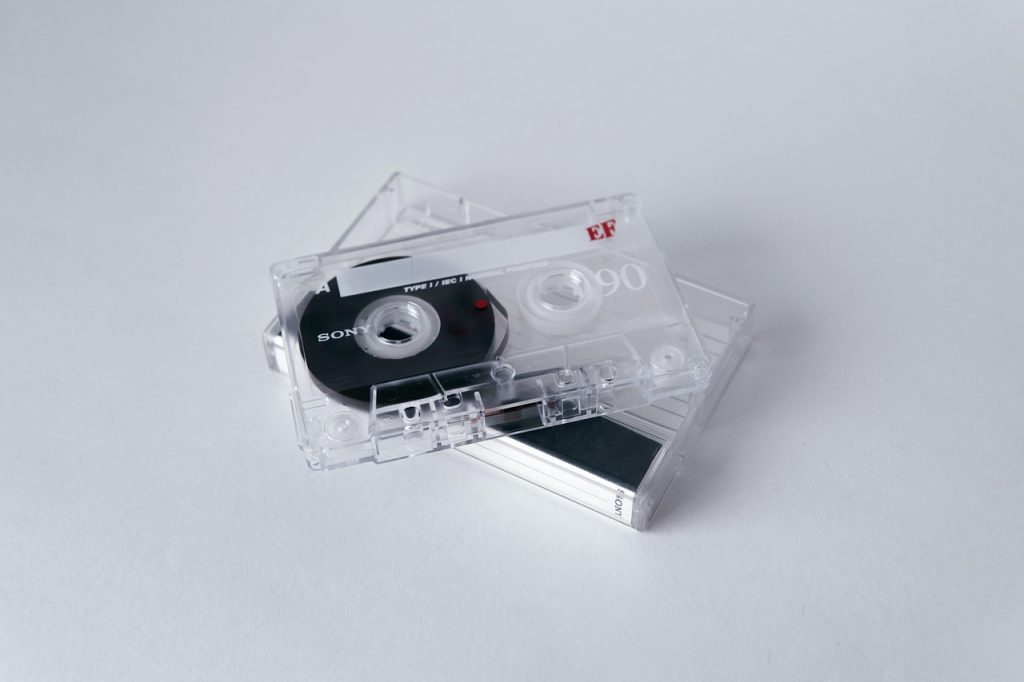
Researchers in Shenzhen, China, have developed a special DNA data storage cassette system that can hold huge amounts of digital information. The prototype, created at the Southern University of Science and Technology (SUST), uses synthetic DNA strands printed on a thin plastic film, which is then rolled into a ribbon and moved between reels.
The system can store up to 36 petabytes of data, or about a million gigabytes, enough for more than three billion songs. Digital files are converted into DNA sequences (A, T, C, G), which replace binary zeros and ones. Each strip contains about 550,000 sections, where white areas absorb the DNA solution and black lines prevent it from spreading. The scanner can recognize about 1,570 positions per second.
The system allows data to be read, rewritten, and erased. DNA strands can be sequenced repeatedly without loss, and enzymes can remove and replace data with an accuracy of almost 99.9 percent. For protection, the sections are coated with a crystalline shell of metal-organic frameworks that blocks water and enzymes. This allows DNA to remain preserved for centuries at room temperature, and even tens of thousands of years in colder environments.
Although the cassette offers enormous capacity, it is slow compared to conventional storage devices. Copying small files takes several minutes, and DNA synthesis is still expensive. Researchers hope that as biotechnology costs decline and chemistry becomes faster, DNA cassette systems will become practical for long-term archiving.
The study was published in the journal Science Advances and suggests a future where DNA cassettes could serve as long-term archives for music, films and digital content.