

Share with others:

The end of desktop upgrades?
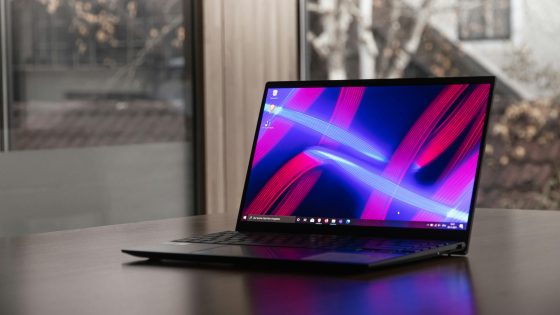
The main reason for this decision is not only lower production costs, but also the physical limitations of modern data transmission. For devices with screens of the size 35.56 cm (14 inches), traditional memory slots have become a bottleneck. By soldering the memory chips directly to the motherboard, which reduces the distances to less than 1.27 cm, manufacturers can achieve frequencies exceeding 8500 MHz. This is crucial for artificial intelligence applications and demanding graphics processing, where every millisecond of latency counts.
However, this advancement also has a dark side. Once the memory is soldered onto the board, it cannot be replaced or upgraded. If you want to increase the system's capacity, you are forced to buy a completely new product. This leads to situations where manufacturers charge up to $100 for an upgrade from 16GB to 32GB. 250 €, although the chips themselves cost less on the open market than 90 €This practice not only puts a strain on users' wallets, but also on the environment, as it increases the amount of e-waste. Motherboards, which measure around 30.48 cm (12 inches), become completely unusable if a single memory module fails.
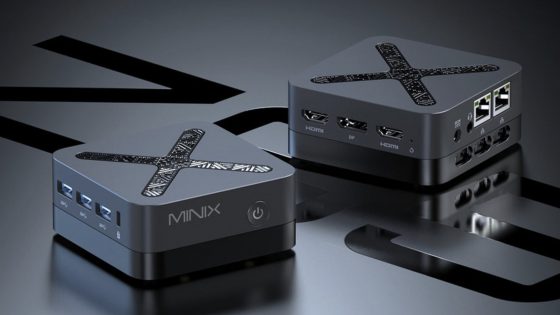
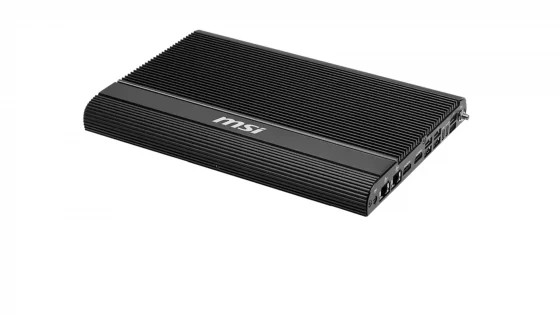
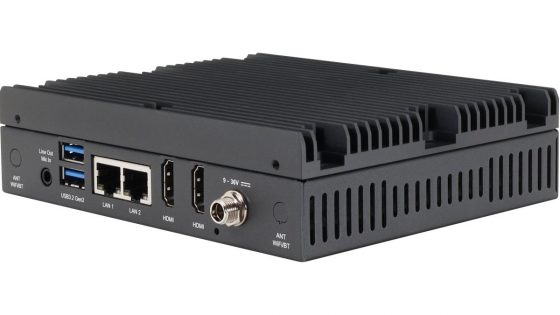
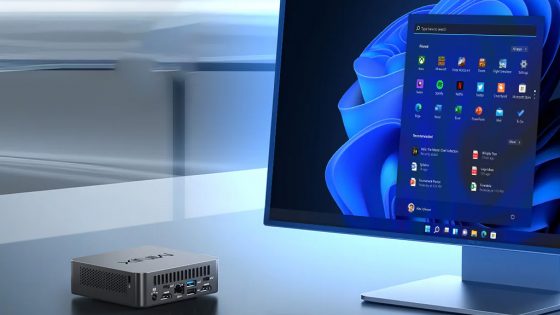
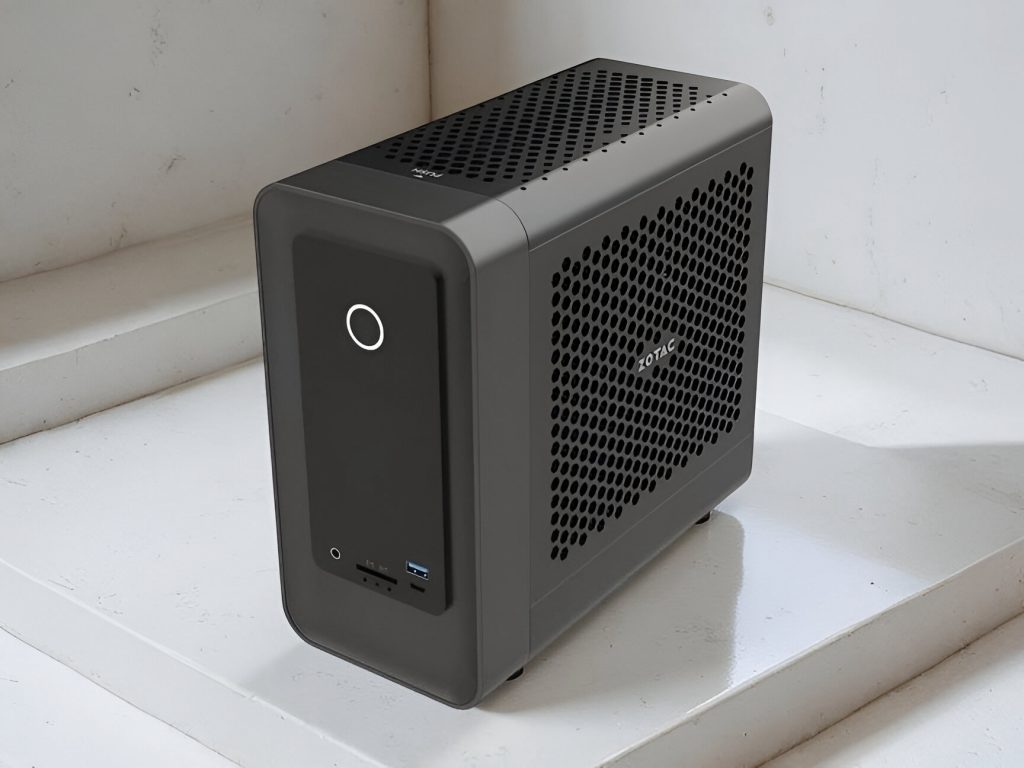
The arrival of this technology in desktop computers means that buyers will need to accurately predict their needs for the next five years when they make a purchase. The first such models will likely be ultra-compact systems measuring only 1.5 inches tall. 5.08cmWhile this improves energy efficiency and reduces latency, it also takes away the charm of building and customizing your own PC. In 2026, the line between performance and freedom of choice will be thinner than ever, requiring more thoughtful purchases.