

Share with others:

Existing Chromebooks will get Android
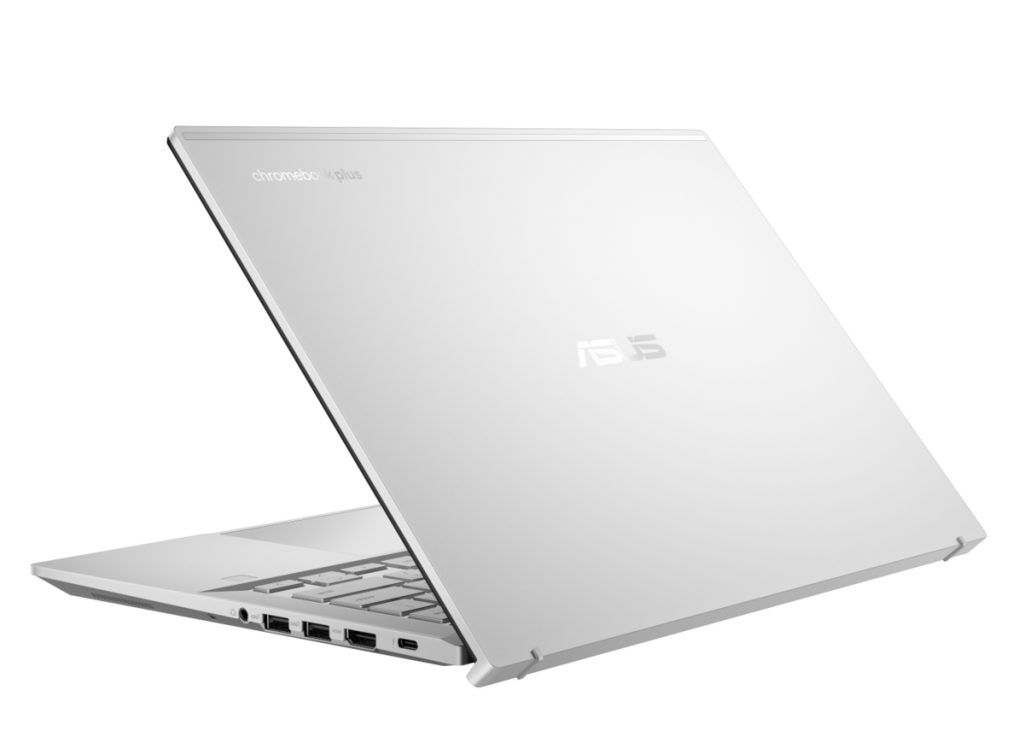
Google first announced in mid-2024 that ChromeOS would start taking over parts of the Android stack, but now it’s becoming clear that this is a complete migration to a single platform. John Maletis emphasized that the goal of this move is to accelerate innovation in artificial intelligence (AI) and simplify engineering processes. For users, this means that future Chromebooks will run Android by default, but with a desktop-like user experience — including advanced window management and external displays.
One of the biggest concerns for users has been the fate of existing devices. Maletis assured that Google will honor its promise of 10 years of support, which was introduced in 2023. What's more, there's a good chance that many current Chromebooks, especially those in the Chromebook Plus series, will receive an update to the new Android stack. This could significantly improve app performance and open the door to a wider range of video and photo editing tools that are currently limited on Chromebooks.
The move to “Aluminum OS” comes at a time when the laptop market is being rocked by component shortages. While hardware prices are forecast to rise in 2026 due to a lack of system memory (RAM), Google is betting that software optimizations will make the devices more competitive with the iPad.
For those buying a new Chromebook, such as the HP Chromebook Plus 14a with an i3 processor and 8GB of RAM (which is considered the entry-level standard in 2026), the news of long-term support is crucial. A device purchased today will receive updates until 2034 or even beyond, regardless of whether it runs classic ChromeOS or the new Android system under the hood.