

Share with others:

How soldered components silently shorten the lifespan of your computers?

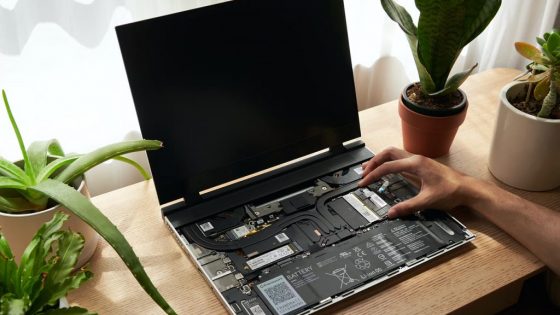
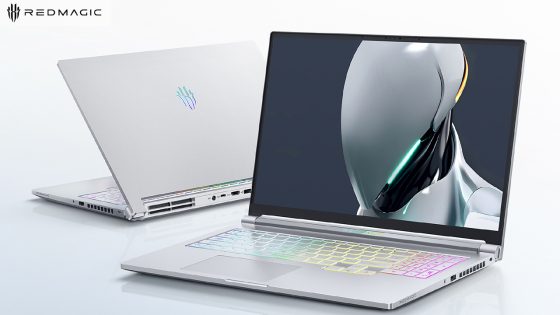
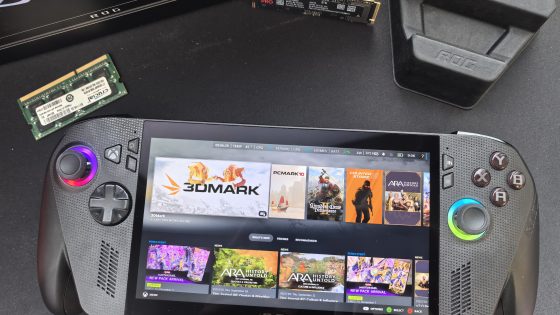
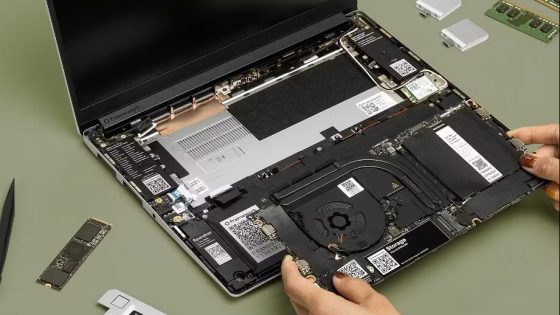
The transition to soldered components, such as RAM and increasingly SSDs, is radically changing the life cycle of computers. The main arguments of manufacturers are more compact designs, better energy efficiency and higher data transfer speeds. However, this “optimization” confronts users with an unpleasant fact: when a single small component fails or when the device becomes too slow, an upgrade or a simple repair is no longer possible.
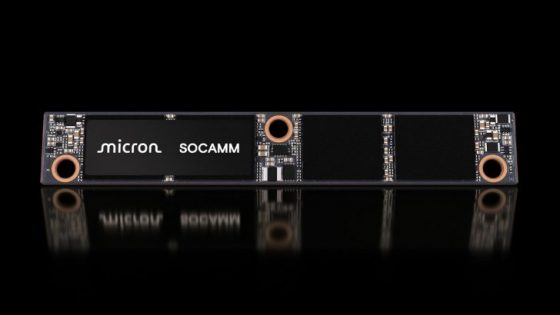
This design creates what is known as “programmed obsolescence.” If a soldered SSD fails, the entire motherboard—and often the entire computer with it—is useless, and the data is lost. This is not only a financial blow to the customer, but also a huge burden on the environment, as the amount of electronic waste increases dramatically. Although standards such as SO-CAMM have emerged that promise thinner designs without losing modularity, most of the industry still sticks to fixed components that provide a shorter device replacement cycle.
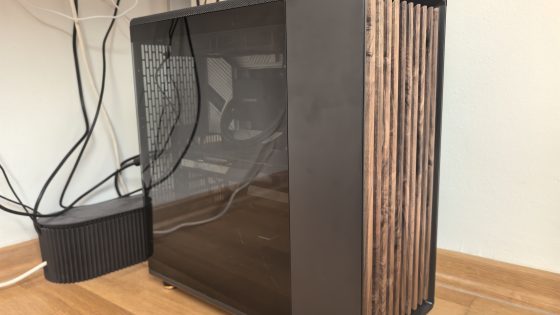
For Slovenian consumers, this means that they will have to be much more careful when buying in 2026. What seems powerful enough today may not be there in three years, and there is no going back. The question of “how long will my PC actually last” no longer depends only on the quality of the build, but on the engineers’ decision to deny you access to key parts of the device. The fight for the “Right to Repair” is becoming more important than ever in this context.