

Share with others:

Incredible speed and dexterity in the movement of a humanoid robot

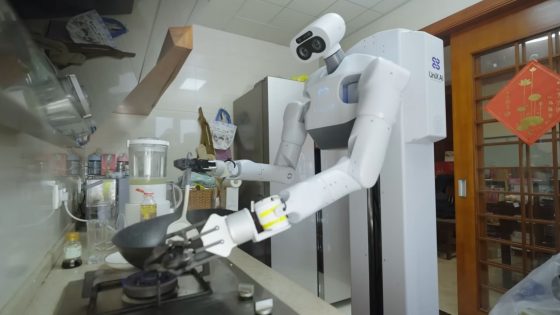
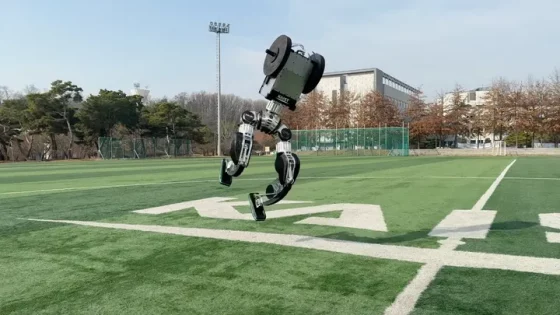
Chinese company Unitree Robotics has unveiled the impressive capabilities of its humanoid robot H1, which is considered one of the most advanced projects of its kind. The robot, which stands 180.34 cm tall and weighs approximately 47 kg, is equipped with innovative powertrains that give it exceptional power and speed. In its latest test video, H1 broke the world speed record for humanoid robots, reaching a speed of 3.3 meters per second, which is approximately 11.88 km/h.
In addition to its raw speed, the H1 also excels at more complex tasks. Equipped with advanced LiDAR technology and depth cameras, it gives it a 360-degree view of its surroundings and accurate obstacle detection in real time. This means the robot can navigate uneven terrain, climb stairs, and maintain its balance even when pushed hard. Its ability to quickly adapt to external disturbances demonstrates the remarkable progress in the development of stabilization algorithms.
Interestingly, the H1 is designed to be used in a variety of environments, from industrial plants to potential household assistance. While the current version doesn't yet have finger-like hands (it uses simpler hand endings), the company is already announcing upgrades that will allow for precise manipulation of objects. Despite its cutting-edge technology, Unitree is aiming for a relatively affordable price compared to the competition. The robot is expected to retail for around €82,500.
Robotics is moving out of the lab and into the real world with projects like H1. Its ability to run and move dynamically proves that hardware is no longer the main obstacle, and the focus is shifting to software and artificial intelligence.