

Share with others:

Microsoft's digital graveyard: where have popular apps gone?
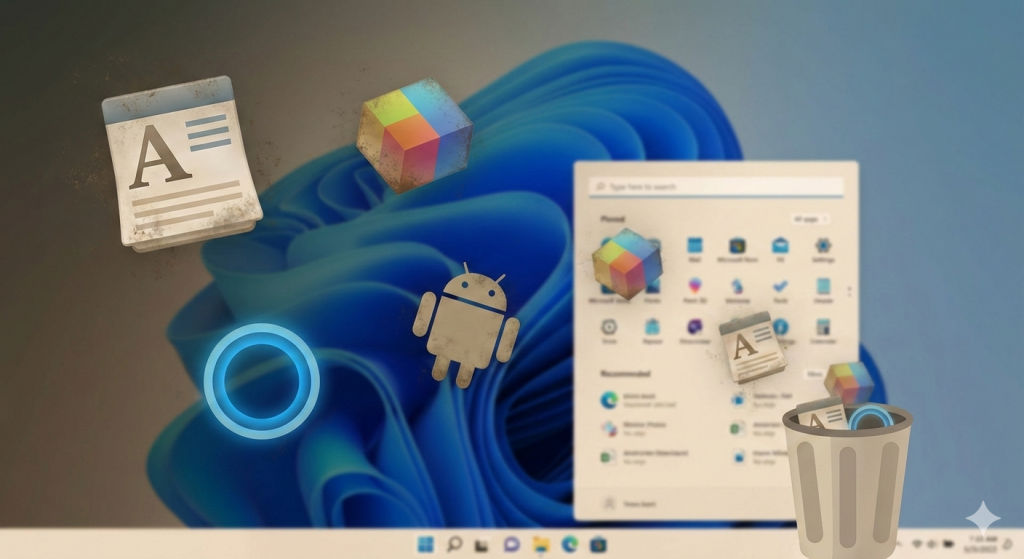
When we turn on our computers after a major Windows update, we often notice that things are different. Icons have changed, menus have been moved, and sometimes certain programs are simply gone. Microsoft, the Redmond-based tech giant, is known for its relentless cycle of innovation and “spring cleaning,” when old, less profitable, or technologically outdated programs make way for newer, often AI-powered solutions. Just like Google Microsoft also has a huge graveyard where a bunch of programs we once used rest.
Wordpad: the end of the silent companion
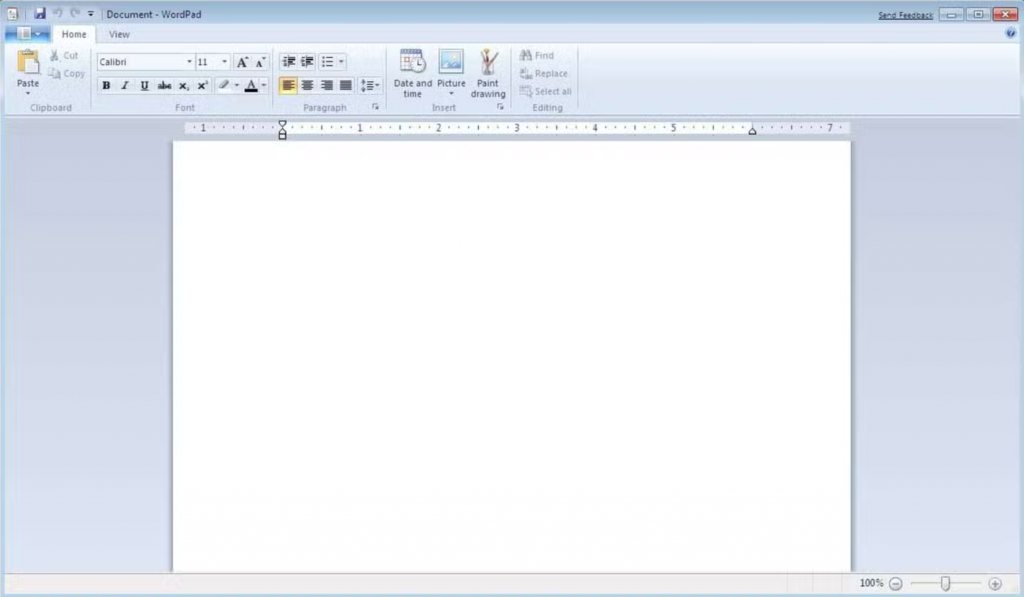
There is probably no Windows user who hasn't opened WordPad at least once. It was the perfect middle ground – more powerful than a simple Notepad, but less complicated and wasteful than full-fledged Microsoft Word. WordPad has been with us for almost 30 years, first appearing in Windows 95. It was a savior for writing quick notes when we didn't have Office installed on our computers, and a loyal friend for students who only needed basic text formatting.
However, in 2024, with the Windows 11 version 24H2 update, Microsoft made the final decision to retire WordPad. The official reason is simple: the tool was no longer being developed. With free online text editors like Google Docs and Word Online, a local text editor with limited features (RTF format) has become redundant. For simple text editing, Microsoft now recommends the updated Notepad, which finally got tabs and a dark mode, and for everything else, of course, the paid Word. Despite the logical business move, many users feel nostalgic for the simplicity of WordPad, which did not require a cloud login or monthly subscription, but simply worked.
A failed experiment with 3D creation
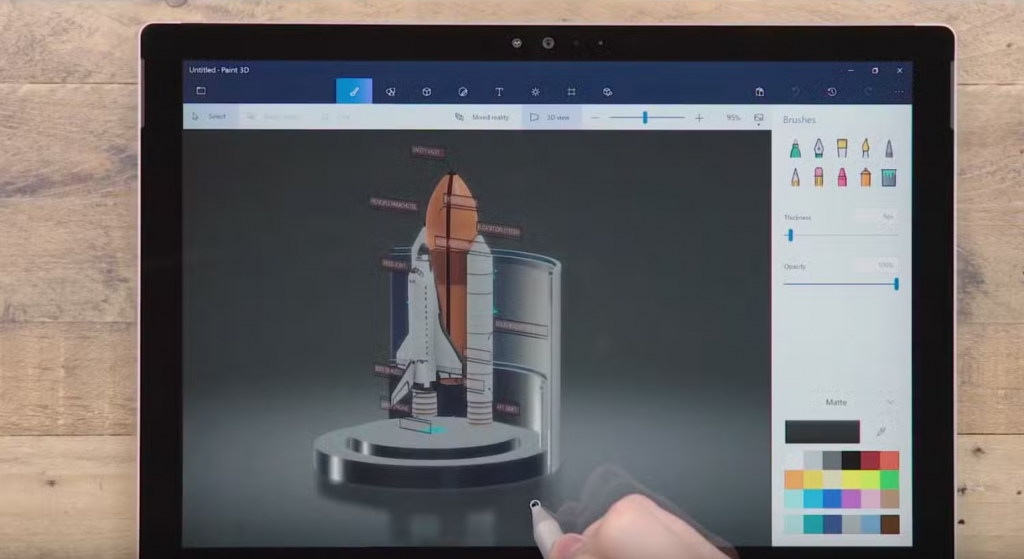
In 2017, Microsoft announced the “Creators Update” for Windows 10 with much fanfare. The star of the update was Paint 3D, a program that was supposed to replace the legendary Paint. The vision was to make it easy for anyone to create three-dimensional models that could then be used in augmented reality or even printed on 3D printers. Microsoft believed that 3D was the next big revolution in home computing.
But the reality was different. Users didn't want a complicated interface and slow loading of 3D models. All they wanted was to quickly crop an image, draw a red circle around an important part of a screenshot, or save the file in a different format. Paint 3D was too clunky and slow for these simple tasks. The irony is that users resisted the removal of the classic Painter so much that Microsoft had to keep it.
Today, the story is over. In November 2024, Paint 3D was removed from the Microsoft Store and no longer receives updates. The classic Painter, however, has experienced a renaissance, with new features like layers and AI tools for removing backgrounds. Paint 3D will be remembered as an interesting but misguided attempt to force technology on us that we didn't really need.
A short and sad story about Android on Windows
One of the most promising announcements when Windows 11 was released was the ability to run Android apps. A feature called Windows Subsystem for Android (WSA), promised to blur the lines between mobile and computer. The idea was fantastic. You could play mobile games, use smart home apps, or browse TikTok on your big screen without needing your phone.
The problem was implementation. Microsoft partnered not with Google, but with Amazon. This meant that users did not have access to the Google Play Store, where the vast majority of popular apps are located, but to the much more limited Amazon Appstore. While tech-savvy users found ways to “sneak around” Google services, the experience was too limited and complicated for the average user. App developers also showed little interest in optimizing their apps for Windows.
So it's no surprise that Microsoft has announced the discontinuation of this feature. Support officially ends on March 5, 2025.
When an assistant loses her voice
Cortana was Microsoft's answer to Apple's Siri and Amazon's Alexa. It was named after the artificial intelligence from the popular video game Halo, giving it an instant recognizability and personality. For several years, Cortana was deeply integrated into Windows 10, although many people never got to know her because she wasn't available in all languages and regions.
Those of us who knew how to get around this limitation saw Cortana during system setup, dictating reminders to her, checking the weather together, or opening programs. Microsoft's vision was that we would speak to our computers as naturally as we do to humans. This vision is still valid today, but in tandem with artificial intelligence.
Cortana never made it to smartphones, even though that was where the digital assistant front was. Because Microsoft’s mobile operating system didn’t survive, Cortana was trapped on desktops, where people would rather type than speak. Over time, she became a nuisance that users wanted to turn off. With the advent of generative artificial intelligence, the “old” UI technology behind Cortana became obsolete.
At the end of 2023, Microsoft discontinued the standalone Cortana app in Windows 11. Copilot took its place.
Mixed reality dreams
A few years ago, virtual reality (VR) was a hot topic. Microsoft entered the market with its Windows Mixed Reality (WMR) platform, which offered a cheaper and easier entry point into the world of VR compared to competitors like Oculus (now Meta) and HTC. Manufacturers like HP, Lenovo, and Samsung produced solid headsets that didn't require external sensors.
Despite its promising start, the platform never really caught on with gamers, who preferred SteamVR. It also didn't catch on with business users, who turned to the more expensive HoloLens headset. Microsoft seems to have lost interest in the consumer VR market. In Windows 11 24H2, support for Windows Mixed Reality was removed. This means that owners of these headsets will no longer be able to use their hardware on the latest versions of Windows, and full support is scheduled for November 2026.
A nostalgic look into the past
The aforementioned retirements are fairly recent, but there are still quite a few legends in the Microsoft graveyard.
The first, of course, is Internet Explorer. It was once synonymous with the internet. It was the browser that first brought us online. Eventually, it fell victim to its own success and security holes, becoming an internet joke about slowness. It was finally buried in 2022, though its spirit lives on in the Edge browser’s “IE mode,” which some businesses still require for old websites.
Another giant of nostalgia is Windows Movie Maker. It was the first contact with video editing for an entire generation. It was simple, often “crashed” when it shouldn’t, but it allowed us to equip homemade seaside footage with music and kitschy transitions. It was replaced by the online editor Clipchamp, which for many lacks that simple old-school charm.
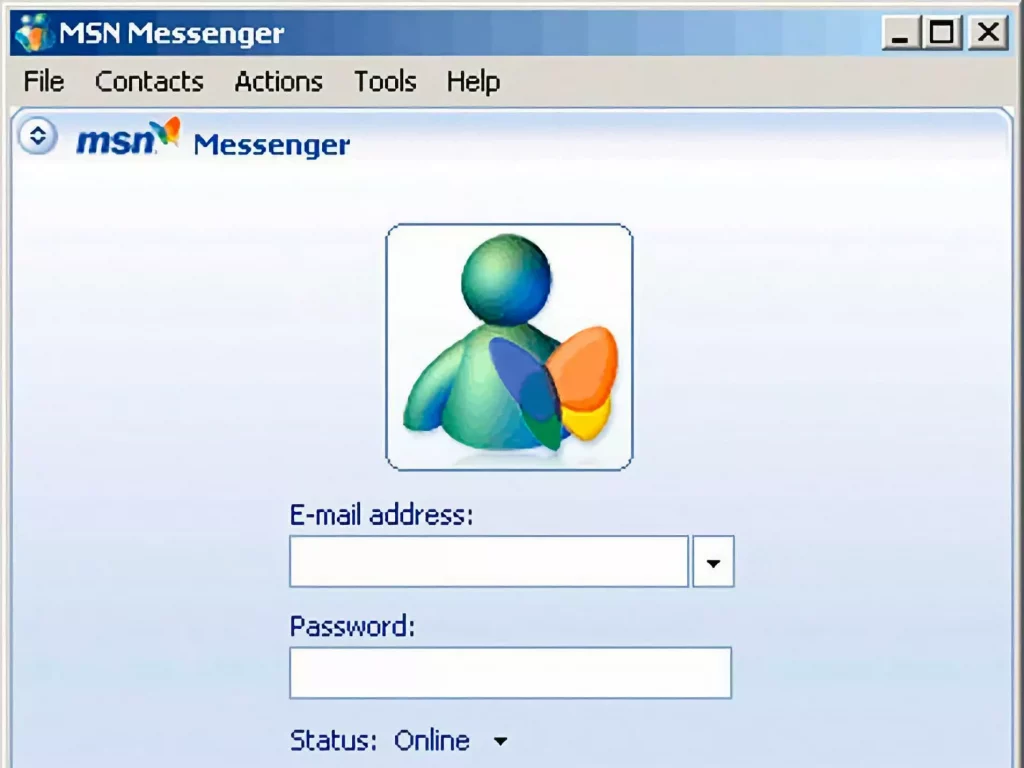
And finally, MSN Messenger. Before the age of Facebook and Instagram, it was the center of our social lives. Sending messages, playing games in a chat window, and posting complicated statuses were part of everyday life. Microsoft discontinued it after buying Skype, but many agree that Skype never managed to capture the relaxed energy that MSN had.
All the retired apps reveal what Microsoft wants from its programs. Anything that doesn't contribute to the cloud and AI vision is at risk. On-premises tools are being phased out in favor of web services, and standalone apps are being integrated into larger platforms (like Teams or Office 365).
For users, this is a double-edged sword. On the one hand, we get more advanced tools that can save us a lot of time. On the other hand, we lose control over our software.