

Share with others:

Ubuntu now requires more memory than Windows 11

With the release of the latest version of Ubuntu 24.10 “Oracular Oriole”, Canonical developers have updated the official hardware requirements for the popular operating system. The most notable change, however, is the requirement for system memory (RAM). While Ubuntu has long been considered a system that can revive even older computers, it now requires a minimum of 12 GB of system memory to run smoothly, with 16 GB recommended. This is a significant jump compared to previous versions, where 4 GB was still acceptable.
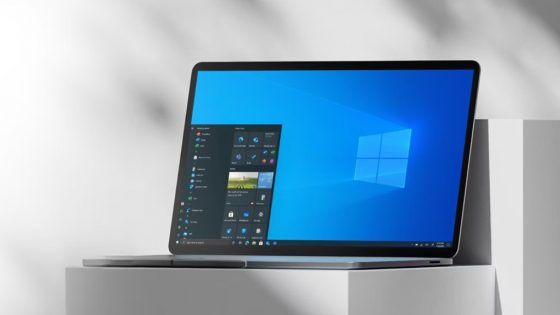
In comparison, Windows 11, which was criticized for its strict hardware requirements upon release, still officially only requires four gigabytes of system memory, even though we all know that at least 8 GB is needed to run comfortably. However, on paper, Ubuntu's official requirements are now three times higher than those of Windows 11. This change reflects modern trends, where desktop environments like GNOME are becoming more graphically rich, while developers want to ensure that applications in the form of Snap packages, which are known for their high resource consumption, run smoothly.
In addition to memory, other requirements have also increased. To install Ubuntu 24.10, you need at least 50 GB of disk space, which is also more than the requirements of Windows 11, which usually requires around 32 GB. While Ubuntu still allows installation on weaker machines, Canonical warns that the user experience without 12 GB of system memory will not meet modern standards of responsiveness. For those with older hardware, “lighter” versions such as Xubuntu or Lubuntu remain a better choice.