

Share with others:

What can we expect from the upcoming 6G mobile network?
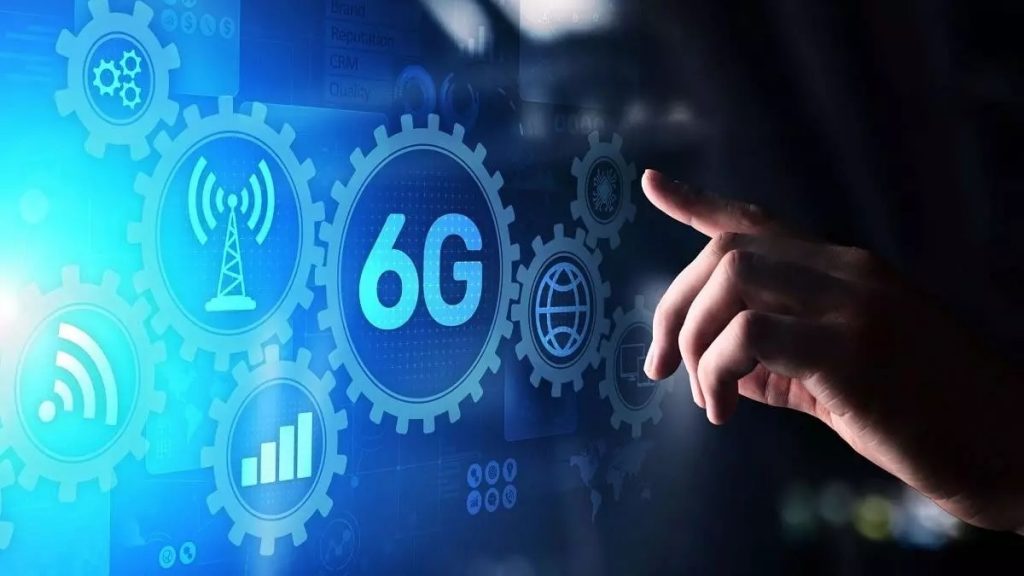
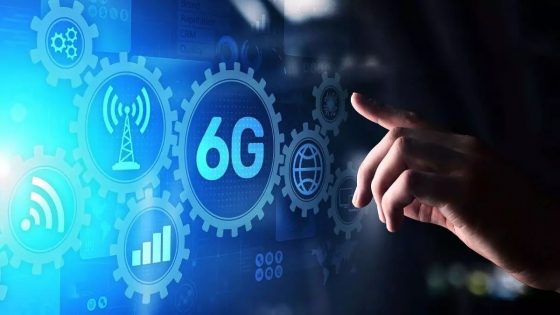
Mobile network development has been occurring in roughly 10-year cycles for decades. After 3G, 4G, and 5G, the industry is now preparing for the next step, 6G. The latter is expected to become commercially available around 2030.
While 5G networks have delivered faster speeds and lower latency, many experts believe they have not fully delivered on all of their initial promises. That's why the industry wants to emphasize more practical improvements in the development of 6G. These include increased network efficiency, lower power consumption, and better support for new digital services.
A significant change is expected to be a greater emphasis on data transmission speed (uplink), rather than just downlink. This aspect is becoming increasingly important due to applications such as remote working, video conferencing, data transfer from smart devices, and artificial intelligence processing.
6G mobile networks are also expected to use higher frequency bands, including terahertz spectrum. The latter is expected to enable significantly higher data transfer speeds. Such technologies could open the door to new types of services, such as advanced augmented reality applications or very low-latency communications.
A particular innovation that researchers are developing for future networks is the concept of Joint Communications and Sensing (JCAS). The idea is that mobile base stations, in addition to communicating, could also sense objects and movement in their surroundings, similar to radar. Such technology could help with traffic control, smart cities, or drone detection, but it also raises privacy issues.
Edge computing will also play an important role in 6G. Some data processing and artificial intelligence could be performed directly in the network infrastructure, reducing latency and enabling faster system responses.
Of course, the transition to the next generation will also require new devices. 6G networks will require a different radio infrastructure and mobile phones that will be able to use new frequencies and technologies.
Although commercial deployment is still several years away, development is already well underway. Major technology companies and telecom manufacturers such as Qualcomm, Nokia and Ericsson are already exploring how the next generation of mobile networks could shape the digital infrastructure of the future.