

Share with others:

Thermal battery that turns buildings into giant clean energy storage devices
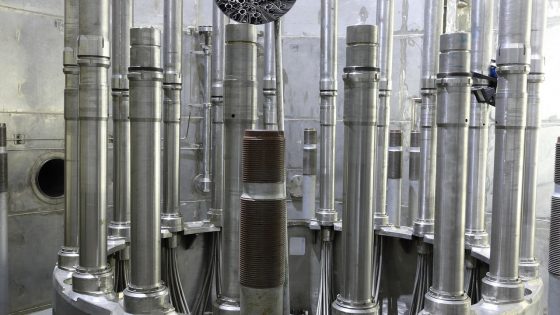
The technology, developed by Antora Energy, is based on heating solid blocks of carbon to extremely high temperatures (over 1500°C) using cheap electricity from solar or wind power plants. These blocks are insulated in special enclosures where they can store the heat for several days with minimal losses. When a building or industrial process needs energy, this heat is released directly or converted back into electricity using advanced thermophotovoltaic cells.
The biggest advantage of this thermal battery is its durability and price. Carbon is an accessible and cheap material, and the system has no moving parts or hazardous chemicals, which means a lifespan of several decades without a decrease in capacity. In 2026, such systems are increasingly being used in larger housing complexes and factories, as they allow for a drastic reduction in heating and cooling costs. The system acts as a “thermal flywheel”, absorbing energy when it is cheapest on the market (e.g. in the middle of a sunny day).
For the Slovenian market, where energy independence of buildings is an increasingly important topic, the thermal battery represents a key solution for relieving the load on the electricity grid. Installing such a system in larger Slovenian neighborhoods could mean the end of the heating season as we know it. Although the initial investments are still high, they pay for themselves faster than classic battery systems due to their long lifespan and low maintenance costs. This is a technology that will finally push the boundaries between the production and actual consumption of clean energy in 2026.