

Share with others:

The end of energy waste for artificial intelligence?
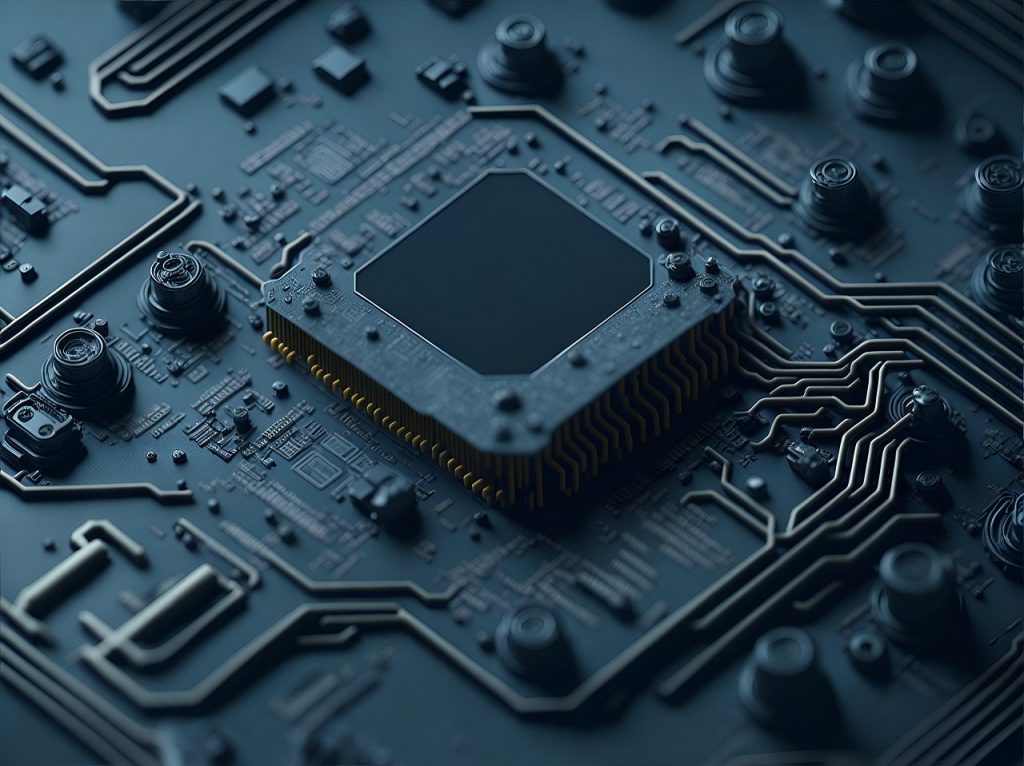
Traditional computer architecture (Von Neumann) is based on the separation of the processor and memory, which creates a bottleneck for modern AI operations. A new chip, introduced in 2026, overcomes this obstacle by performing computational operations directly where the data is stored. This approach, inspired by neuromorphic engineering (mimicking biological neural networks), reduces power consumption by more than 90 % compared to the standard graphics processing units (GPUs) we use today.
The chip uses advanced memristors that can simultaneously store data and perform logical operations. In practice, this means that devices such as smartphones or autonomous vehicles can process complex AI tasks (such as image recognition or natural language processing) locally, without connecting to remote clouds. This not only increases response speed, but also drastically improves user privacy, as data never leaves the device.
For Slovenian industry and IoT device developers, this breakthrough marks a new era. Small sensors that previously only collected data will now be able to make decisions in real time, with a battery that will last for months instead of days. Although the technology is currently still in the optimization phase for mass production, analysts predict that the first commercial chips will be available by the end of 2026. The price of these chips is expected to be higher at launch (around 150 euros per unit), but will quickly decrease as their use expands, allowing them to be incorporated into everything from smart homes to industrial robots.