

Share with others:

Goodbye, slow SSD drives on your computer
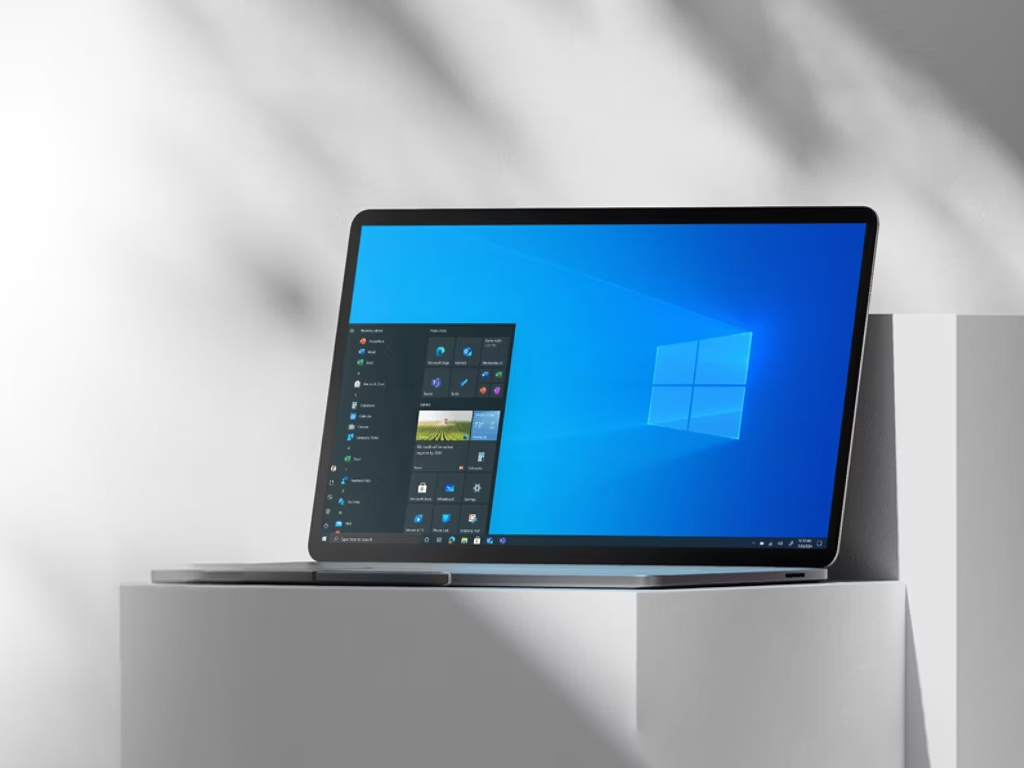
Microsoft has officially confirmed what many users have suspected for a long time: enabling BitLocker encryption on computers with fast NVMe SSD drives can noticeably affect performance. While the performance drop is not critical for most everyday tasks, for more demanding tasks, such as playing graphics-intensive games, editing video, or compiling large amounts of code, the processor uses too much power just to decrypt data in real time.
Fortunately, Microsoft has finally addressed the aforementioned problem. With the new Windows 11 update (KB5065426), Microsoft is introducing hardware-accelerated BitLocker. This technology uses a dedicated module on the chip (SoC) instead of the processor. The first processors to enable this are Intel's Core Ultra Series 3 (Panther Lake). Tests show that the speed of random data reading and writing is doubled (up to 2.3 times faster), while processor consumption is reduced by more than 70 percent, which also extends battery life. Although sequential speeds (transferring large files) remain similar, the difference is huge for small files, which are crucial for the fast operation of the operating system.
Use a command prompt (CMD) to check the status on your computer. manage-bde -statusIf your hardware supports this feature, it will be activated automatically after the September update. While this upgrade almost eliminates the impact of encryption on speed, caution is still needed. No hardware solution is foolproof, as 100% security does not exist.