

Share with others:

MWC 2026: from foldable wonders to electric supercars

Where manufacturers once competed in the number of cores and megapixels, today the debate at the fairgrounds is about artificial intelligence, digital sovereignty, privacy, and connectivity.
After the first 20,000 steps, I visited all the most important and interesting stops at this year's MWC 2026. Red Magic, Nubia, ZTE, Lenovo, Vivo, MediaTek, Qualcomm, Samsung, Anker, Motorola... Xiaomi and HONOR attracted the most attention this time, as they presented all their innovations before the start of the fair. But other manufacturers did not come empty-handed either.
Xiaomi with a focus on photography and automotive
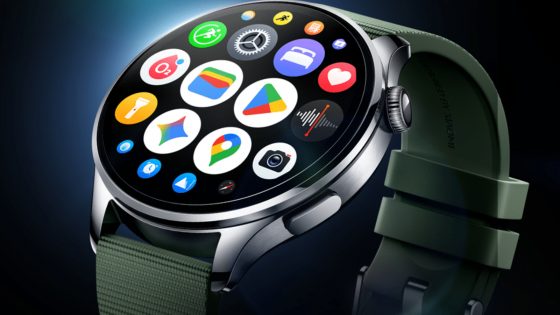
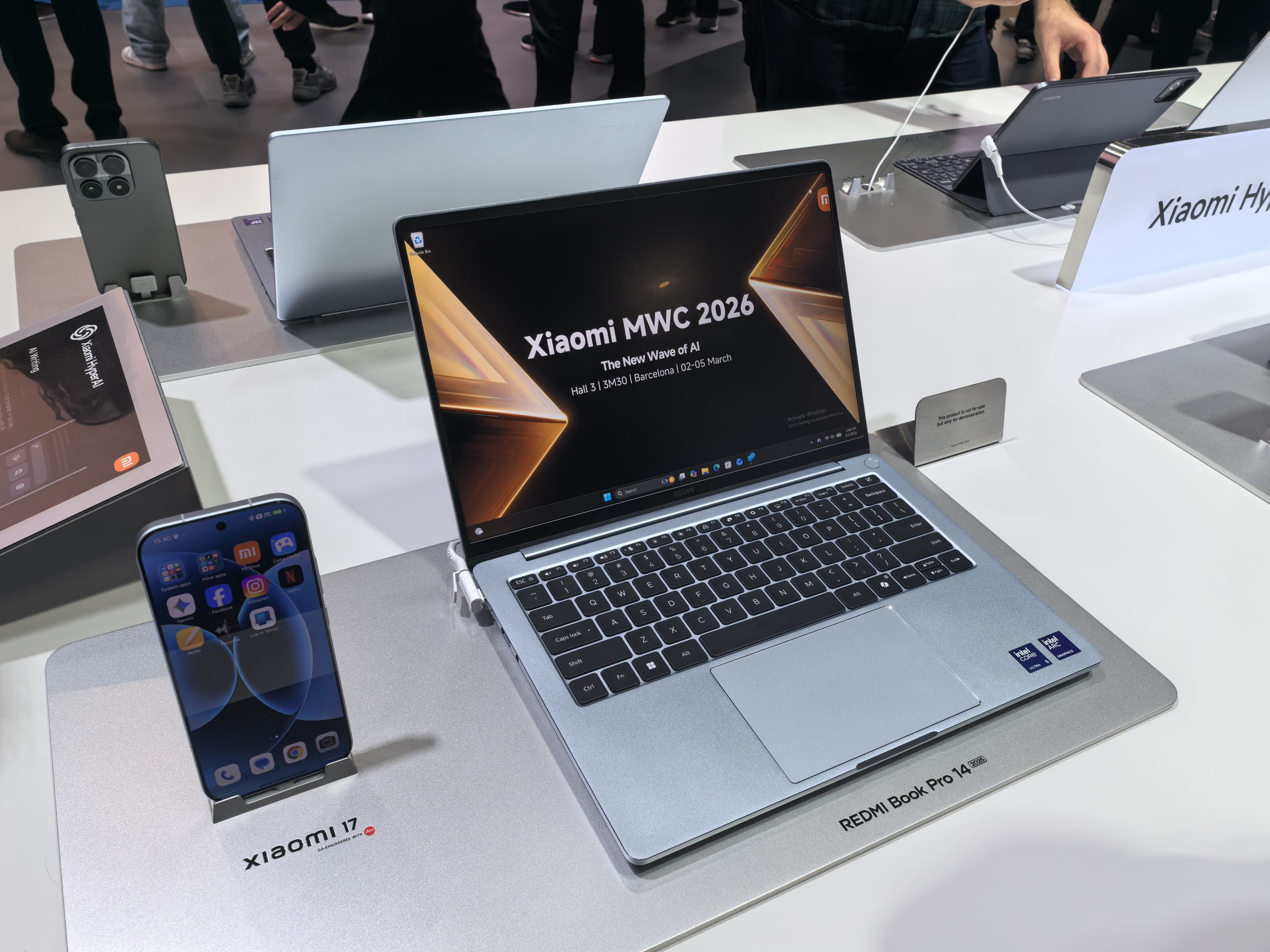
Xiaomi knows no modesty, so as always, it has presented a whole bunch of devices for pockets, homes and city streets. At the forefront is the Xiaomi 17 series with two phones for photography enthusiasts and those who want to use a premium phone. On the wrist we will be able to use the new Xiaomi Watch 5, and on the roads and gravel roads we will race with the new Xiaomi Electric Scooter 6.
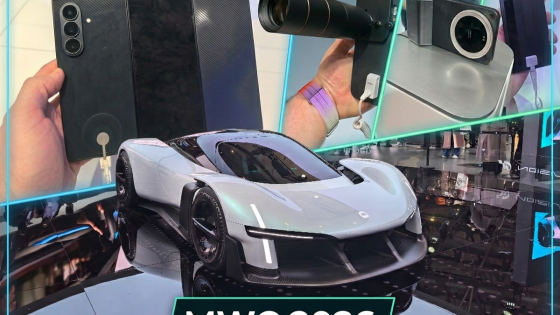
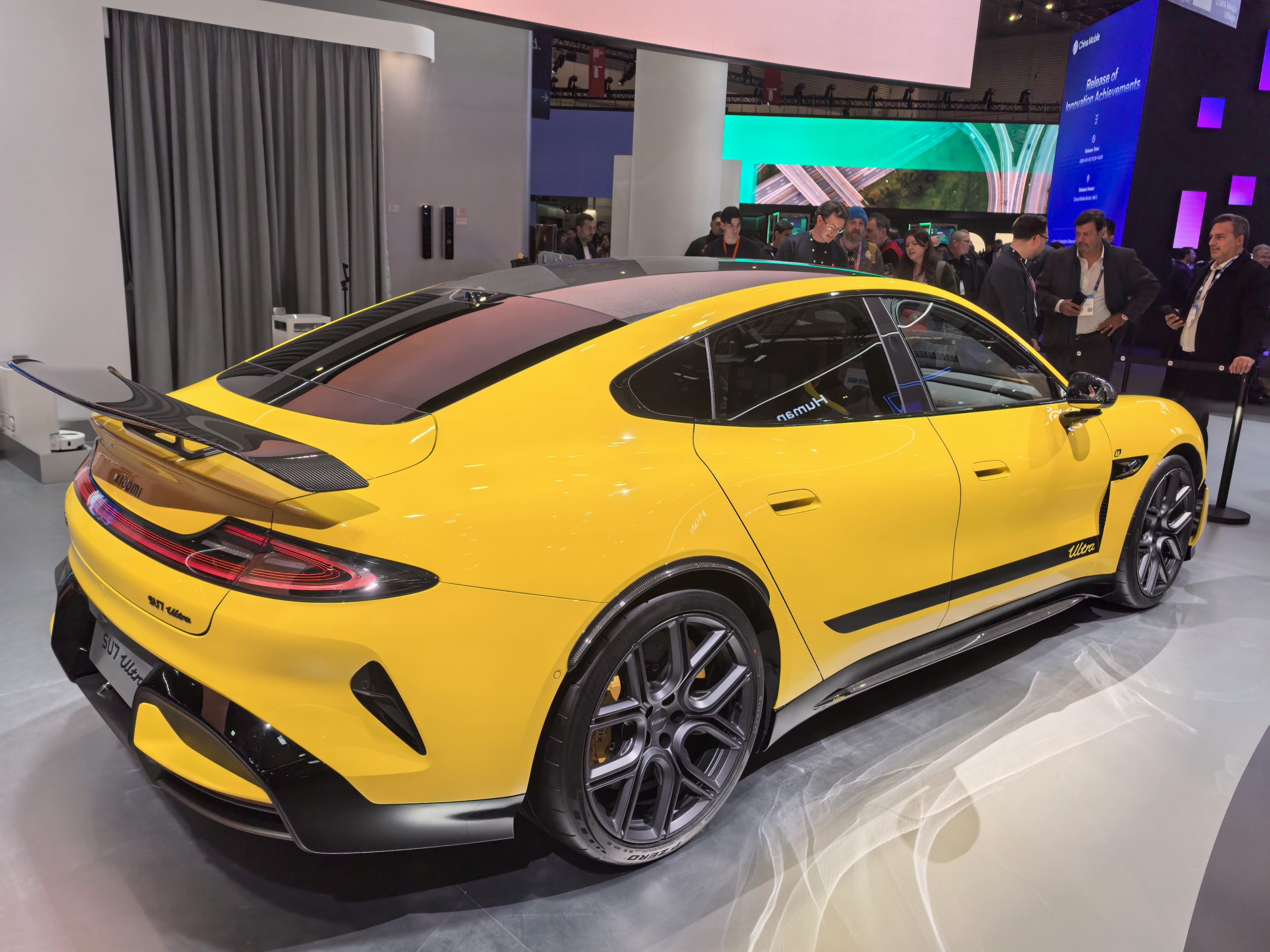
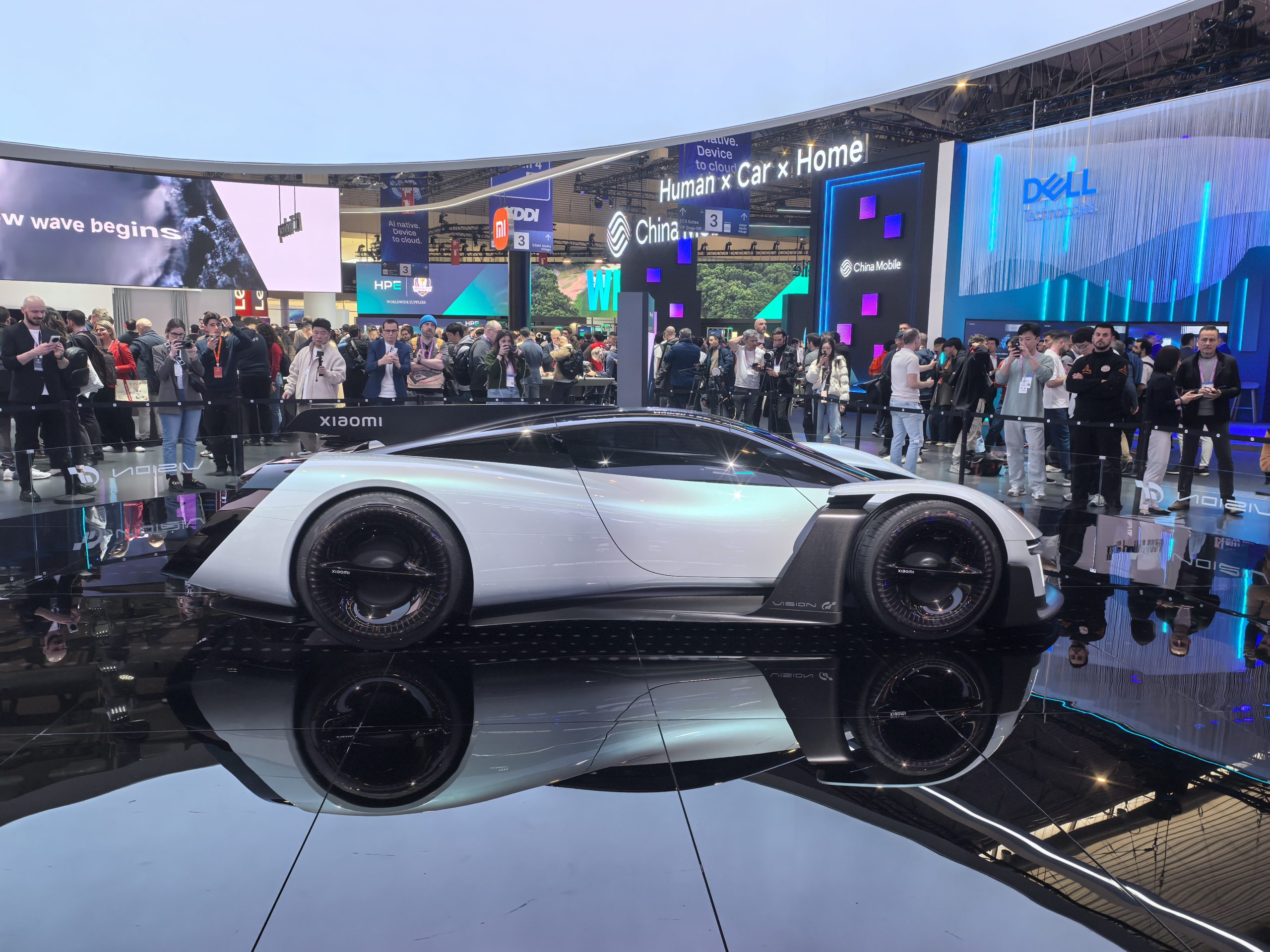
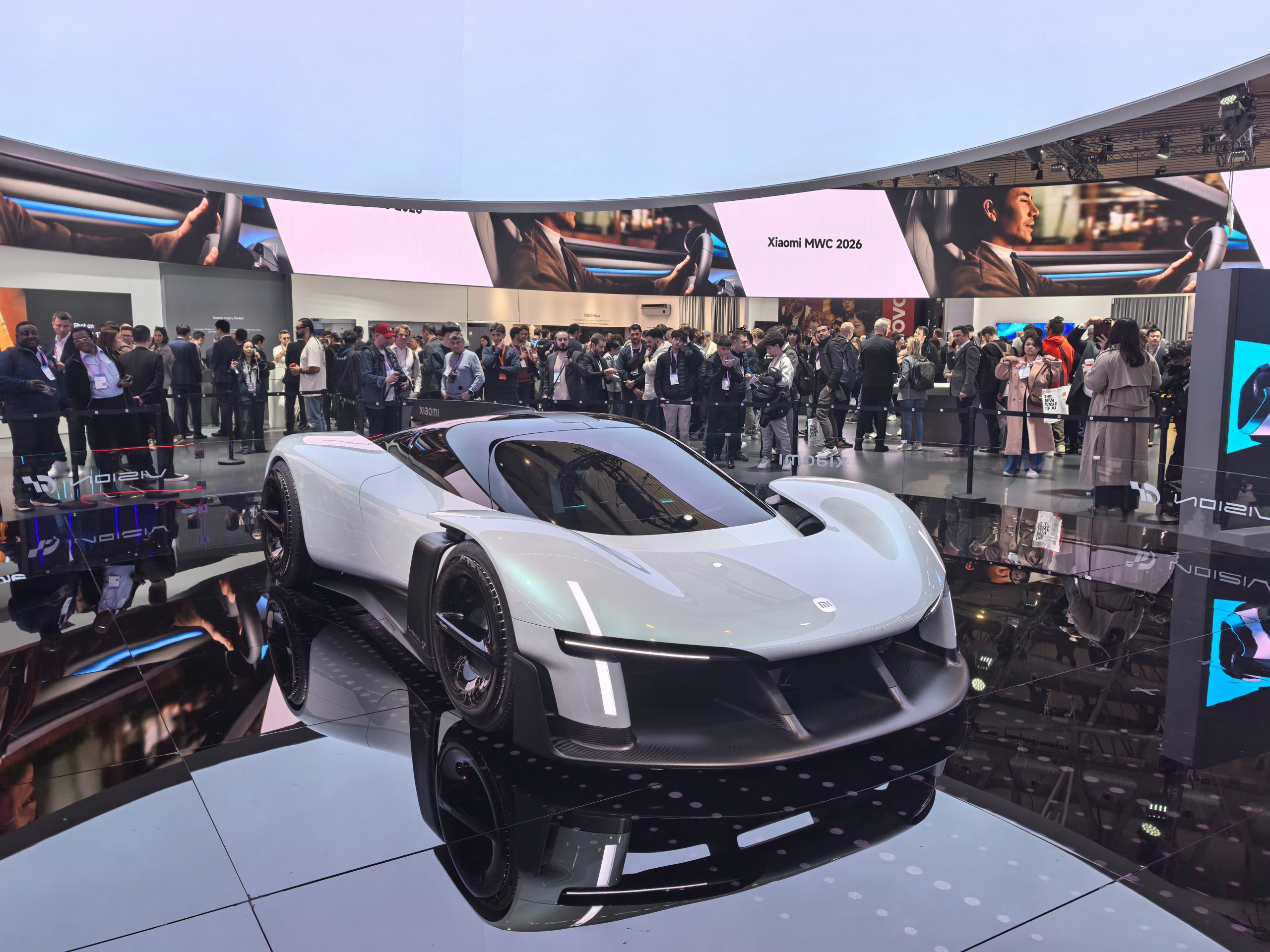
At the fairgrounds, everyone gathered around the Xiaomi Hyper Car, which was accompanied by the Xiaomi SU7 Ultra. The first is a concept, a demonstration of the ambitions of the Chinese company, which has become a relatively strong name in the automotive industry in a very short time, and the second is their "horsepower" with which they break records on race tracks and steal headlines.
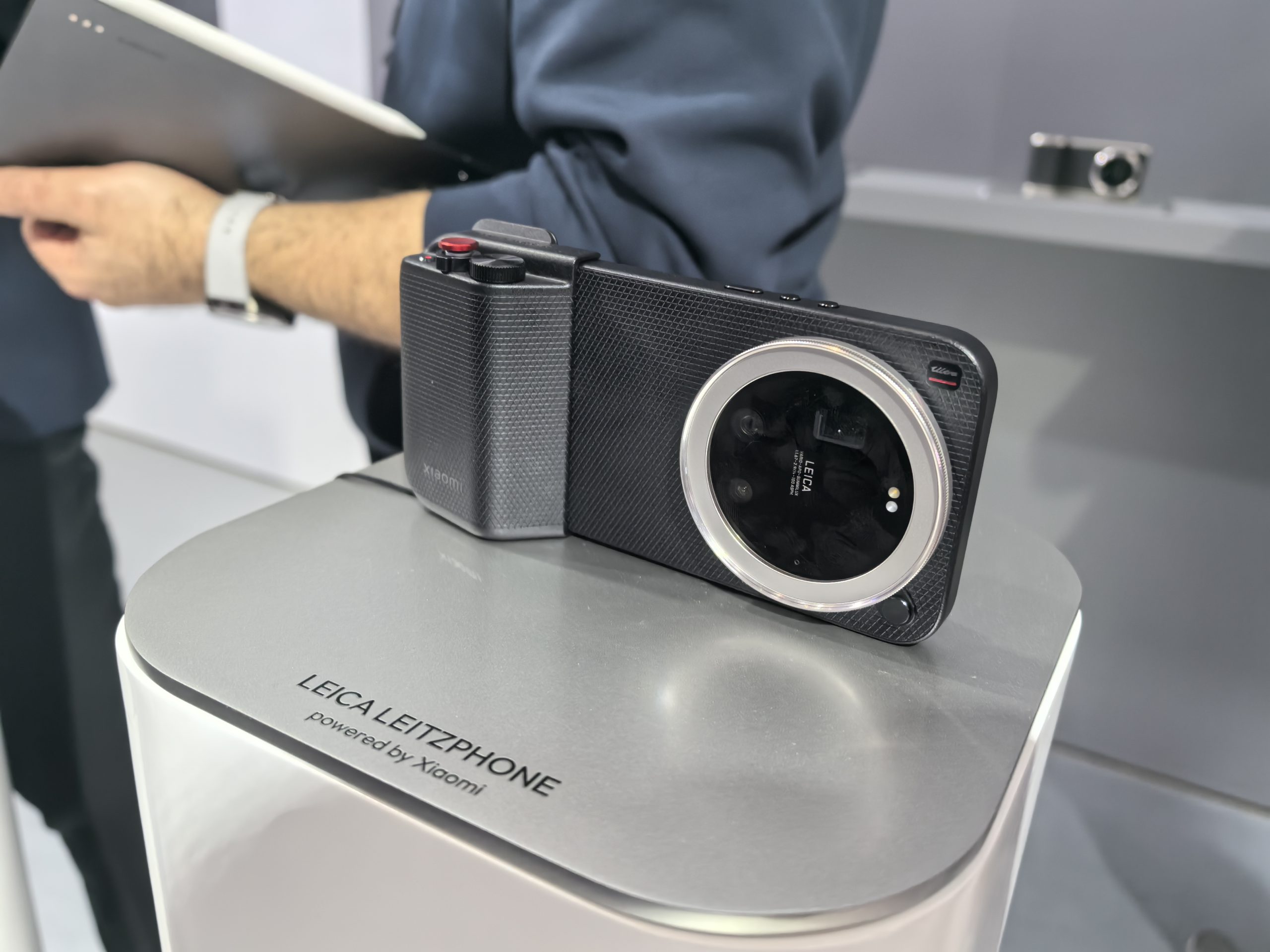
I also took a closer look at the special edition Xiaomi Leica Leitzphone, which embodies the growing German-Chinese partnership. I'll have the chance to test it out next month.
It's a shame there wasn't enough space for the rest of Xiaomi's portfolio this time (cars took precedence this time), because I was hoping to take a closer look at POCO phones, which have regained their charm for me this year at least. The POCO F8 Ultra is a good example of how, for less than €1,000, you can get a phone that's as powerful as the best and also a very good photographer (it has the same main sensor as the Xiaomi 17).
HONOR has combined a robot with a phone
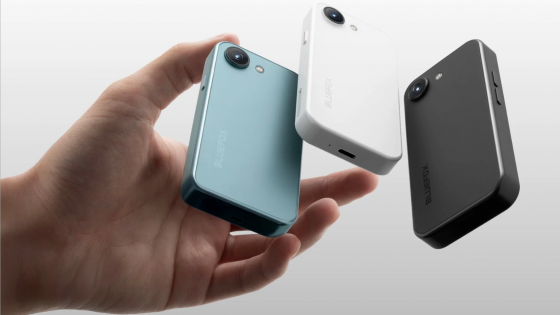
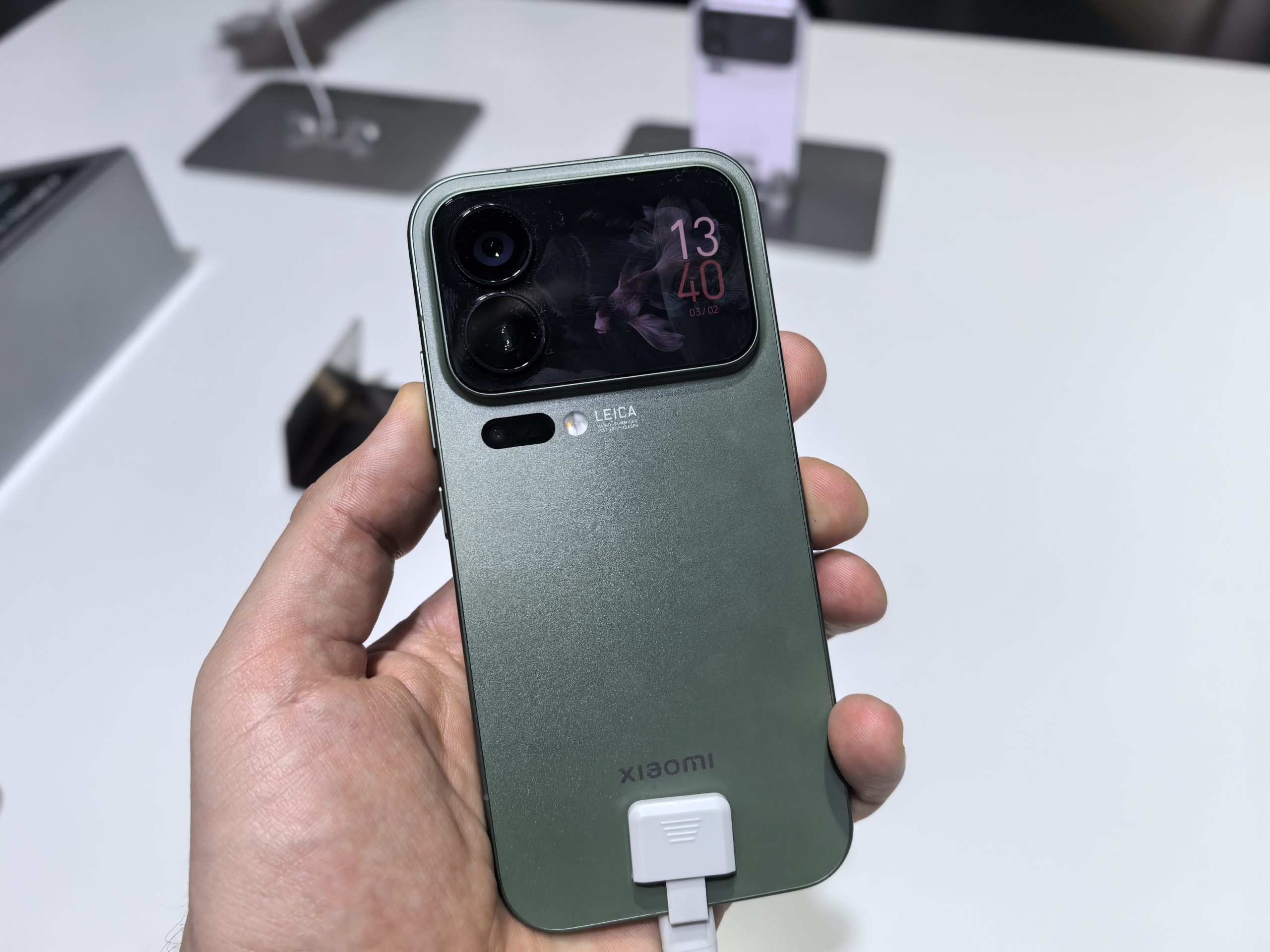
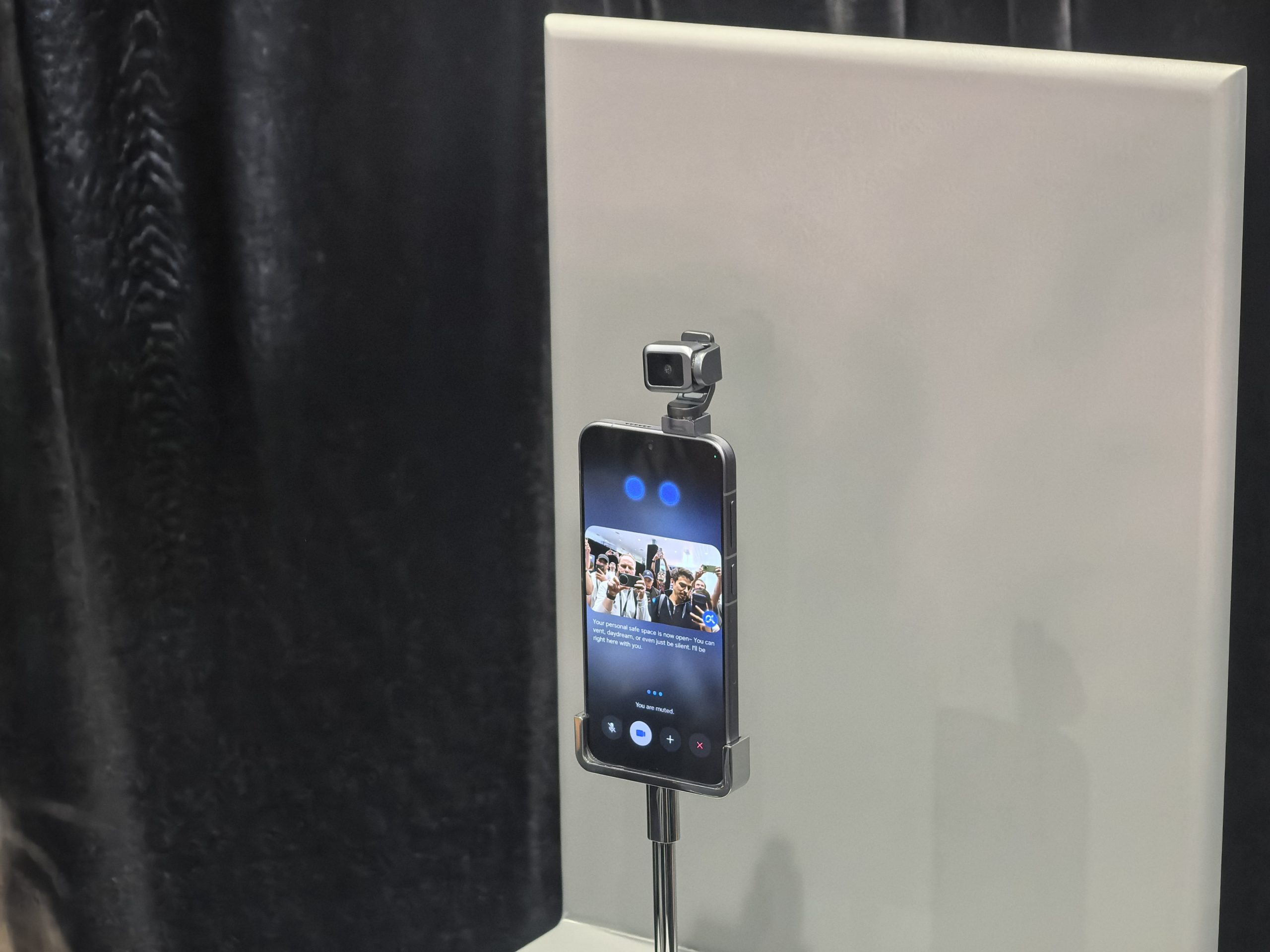
HONOR started very futuristically and combined robotics with telephony. The HONOR Robot Phone charmed with a retractable mechanism or gimbal, on which a 200 MP resolution sensor was attached. HONOR emphasizes that it is a very compact 4DoF gimbal solution, intended primarily for stabilization and active framing. It will be available this year, but only in China. The price and all other specifications are not yet known.
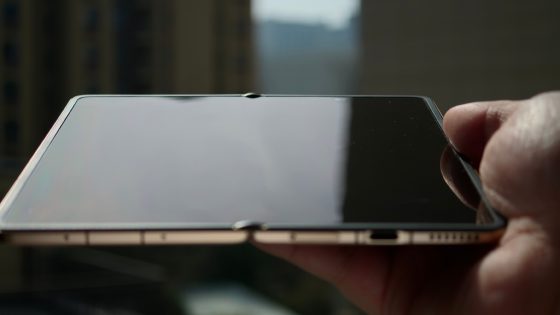
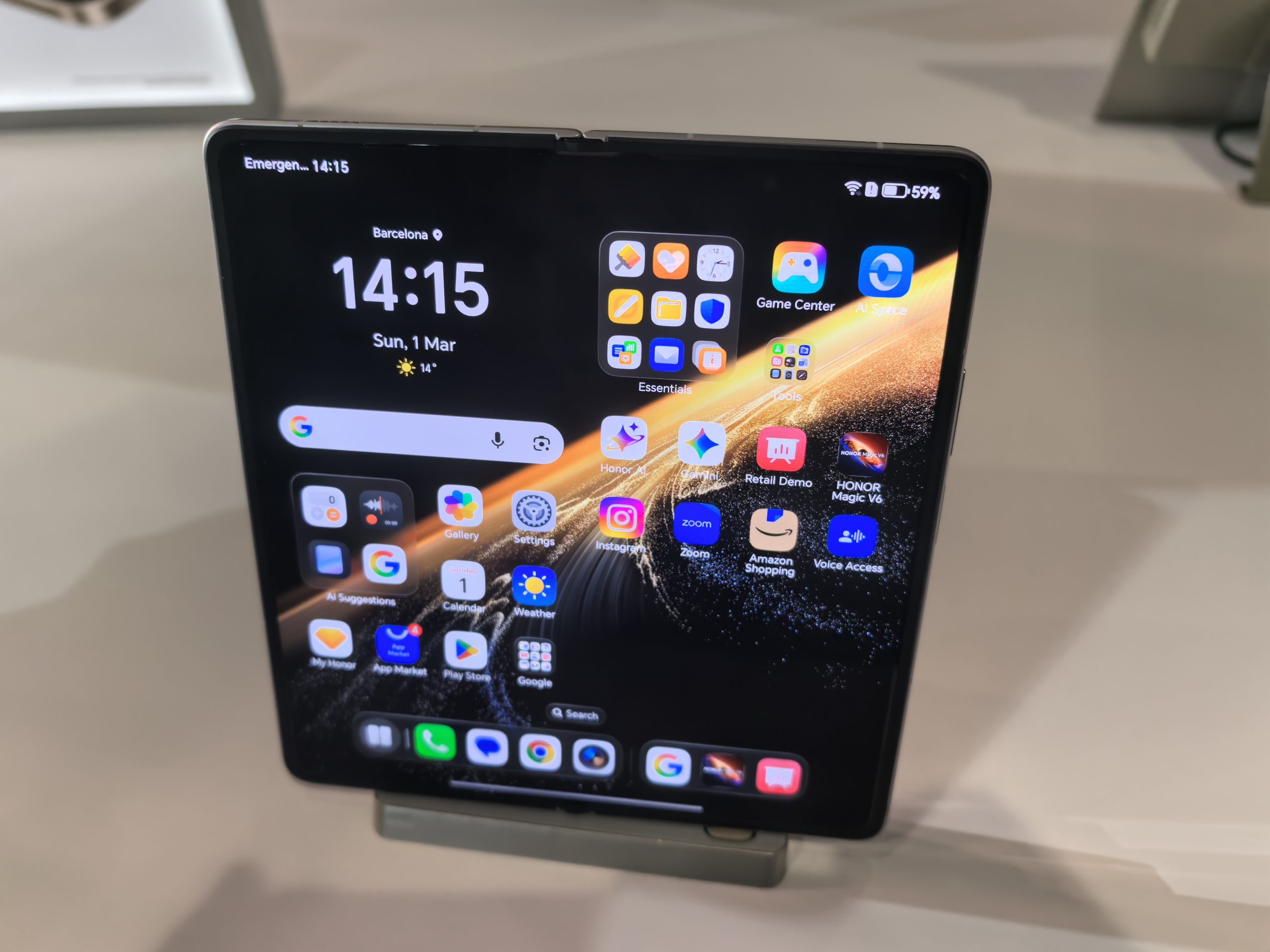
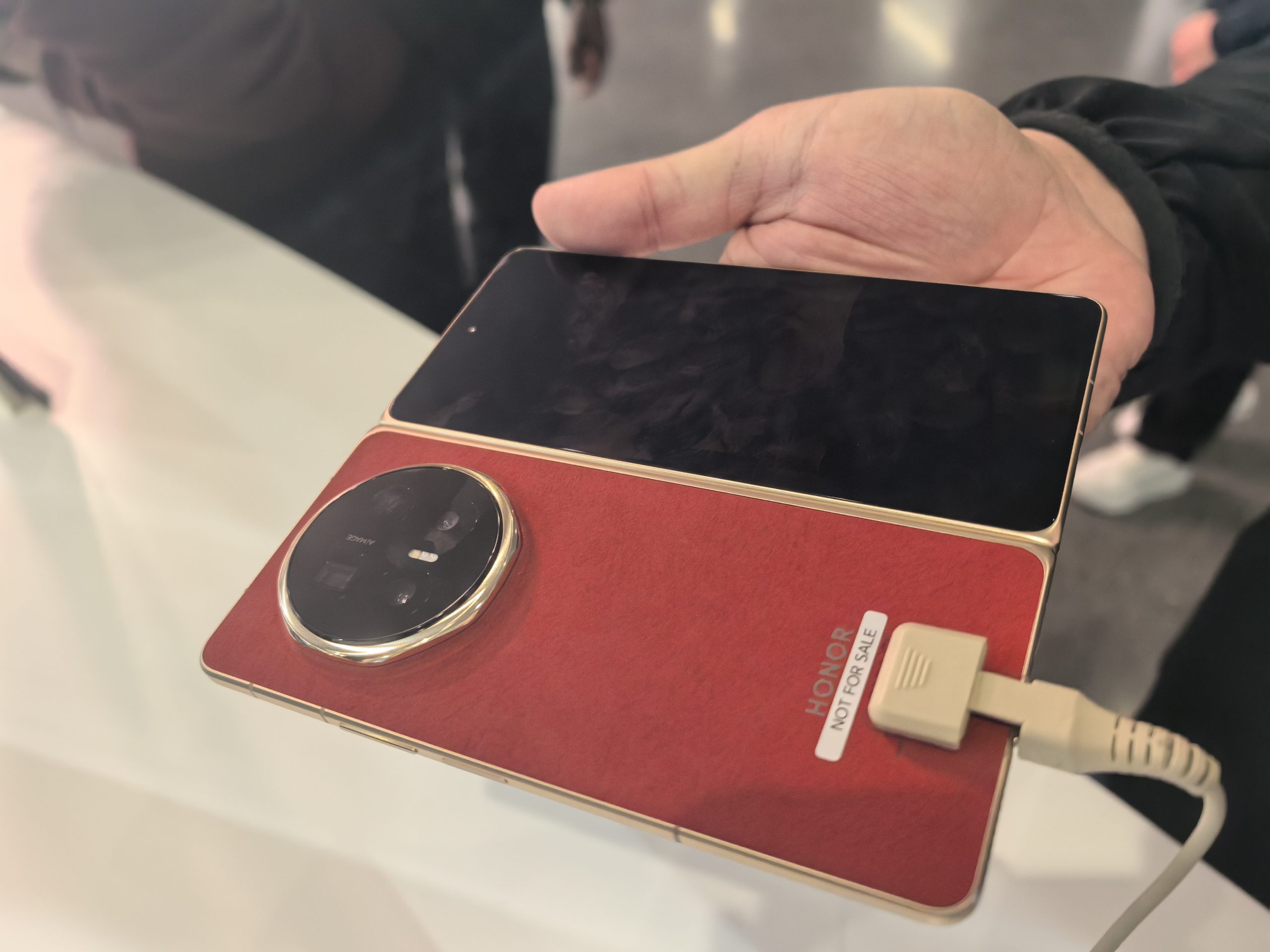
A little further away from the spotlight was the new Magic V6 foldable phone. I understand if you think the upgrades are minimal, too small to even call it a new phone. I was a skeptic myself until I ran my finger across the screen. We all know that foldable phones have a visible crease in the middle of the fold, which gets smaller every year, but so far no one has figured out how to completely eliminate it. Well, HONOR has partially succeeded with the Magic V6. It is still visible at certain angles, but it is no longer noticeable when you use the internal display. They have also made it thinner (by a few decimal places), improved the telephoto camera, and strengthened the folding hinge.
Not only is it the thinnest foldable phone and the most mechanically impressive, it's also the first to be IP69 (and IP68) rated for water resistance. Soon there will be no more excuses not to buy a foldable phone.
Huawei hasn't skimped on new devices either
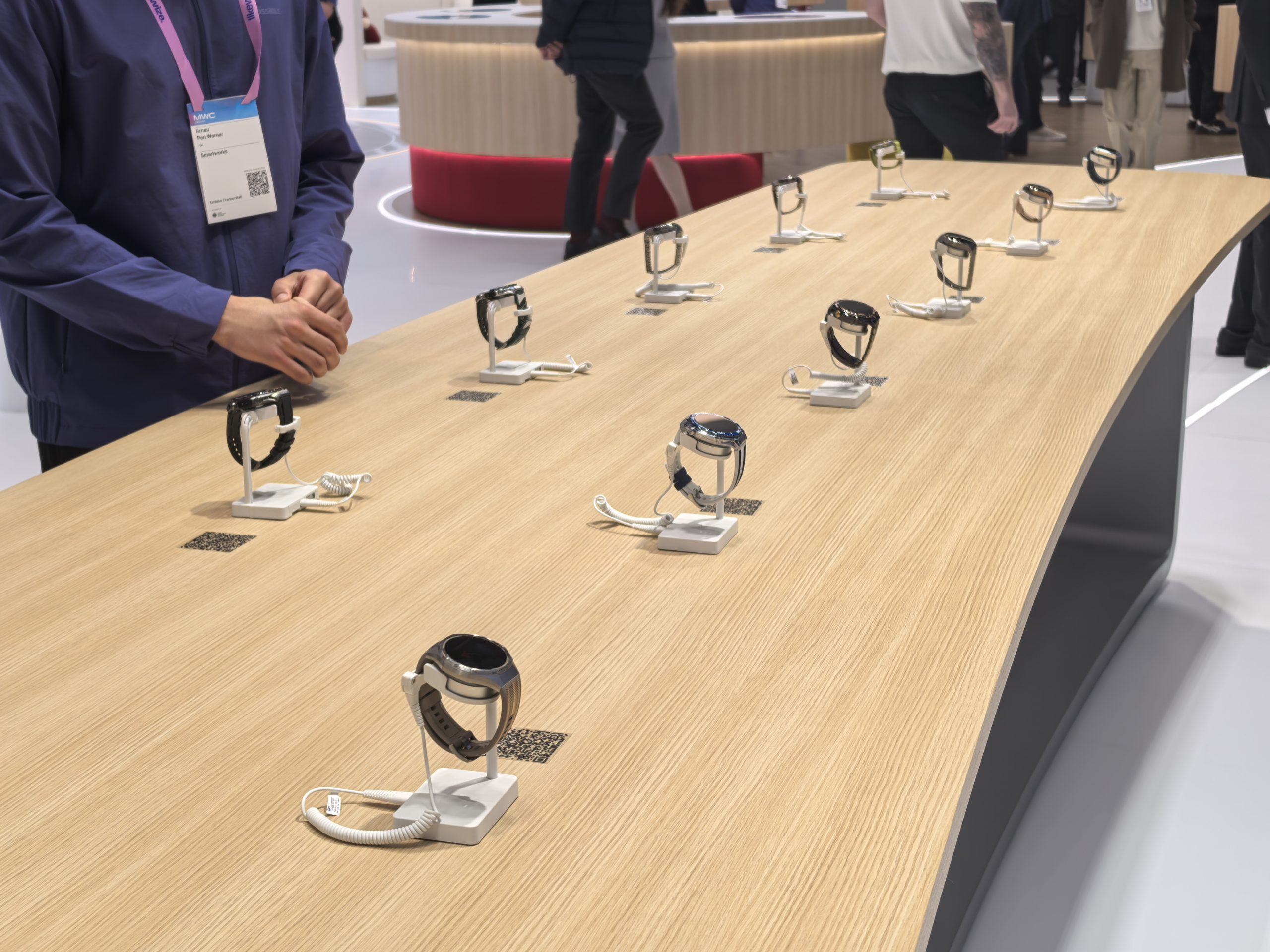
A few days before the fair in Madrid, Huawei introduced the new Watch GT Runner 2, which I also wore the entire time in Barcelona. Even before that, they were hit by the news that the Polish company Quicko, with which they collaborated for contactless payments on smartwatches, had closed its doors. This was a big blow for Huawei, which had been looking for a suitable payment solution for several years. This time we won't have to wait many years, but by the end of the year we should be able to pay with Curve Pay, which I already use on my Huawei phone, for example. For now, Curve is only available on the new Watch GT Runner 2 and only in 6 European markets, and Slovenia is not among them. As mentioned, the expansion to other markets and devices should be arranged by the end of the year, most likely all the way to the Watch 4 and GT 4 series.
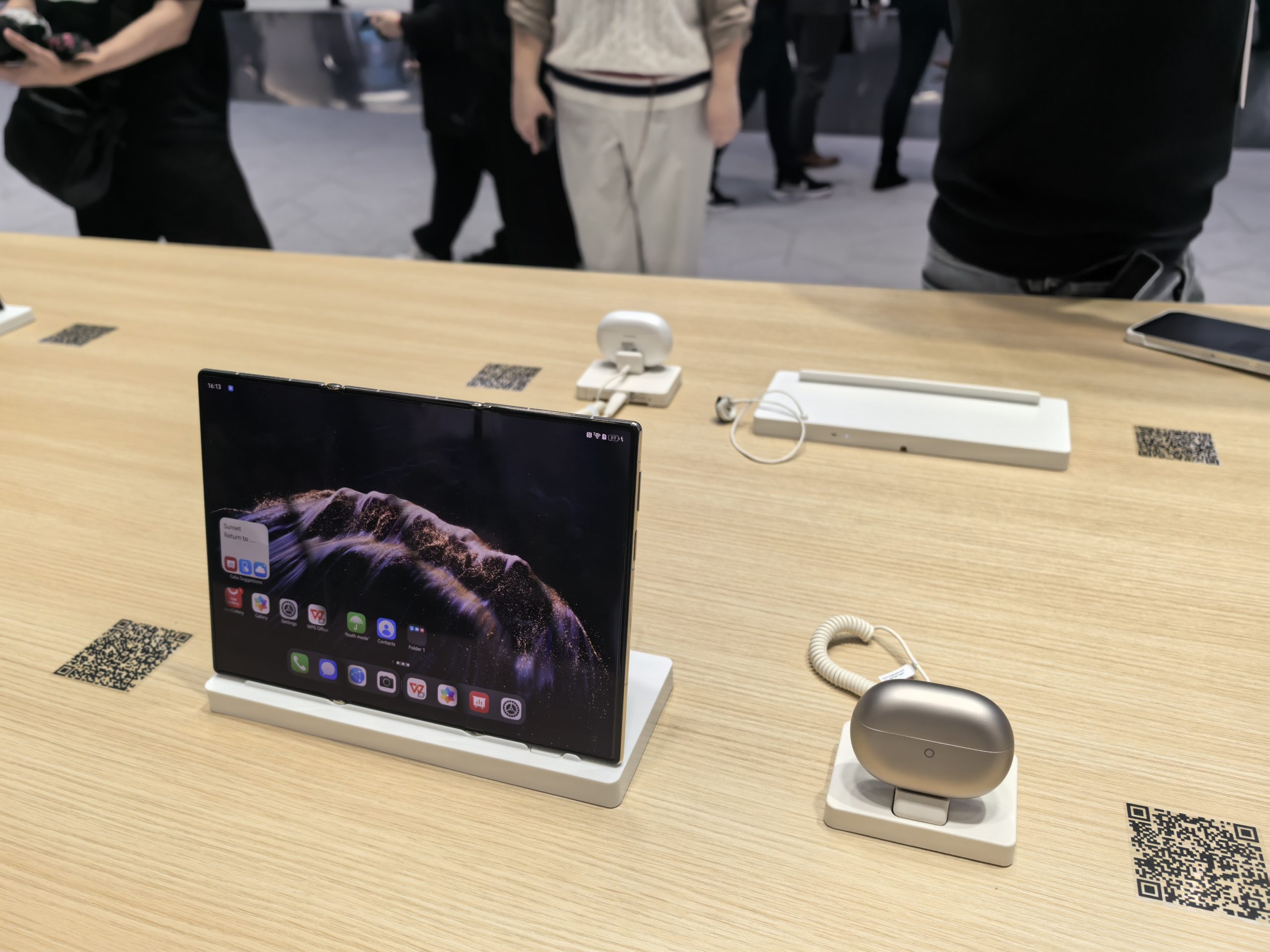
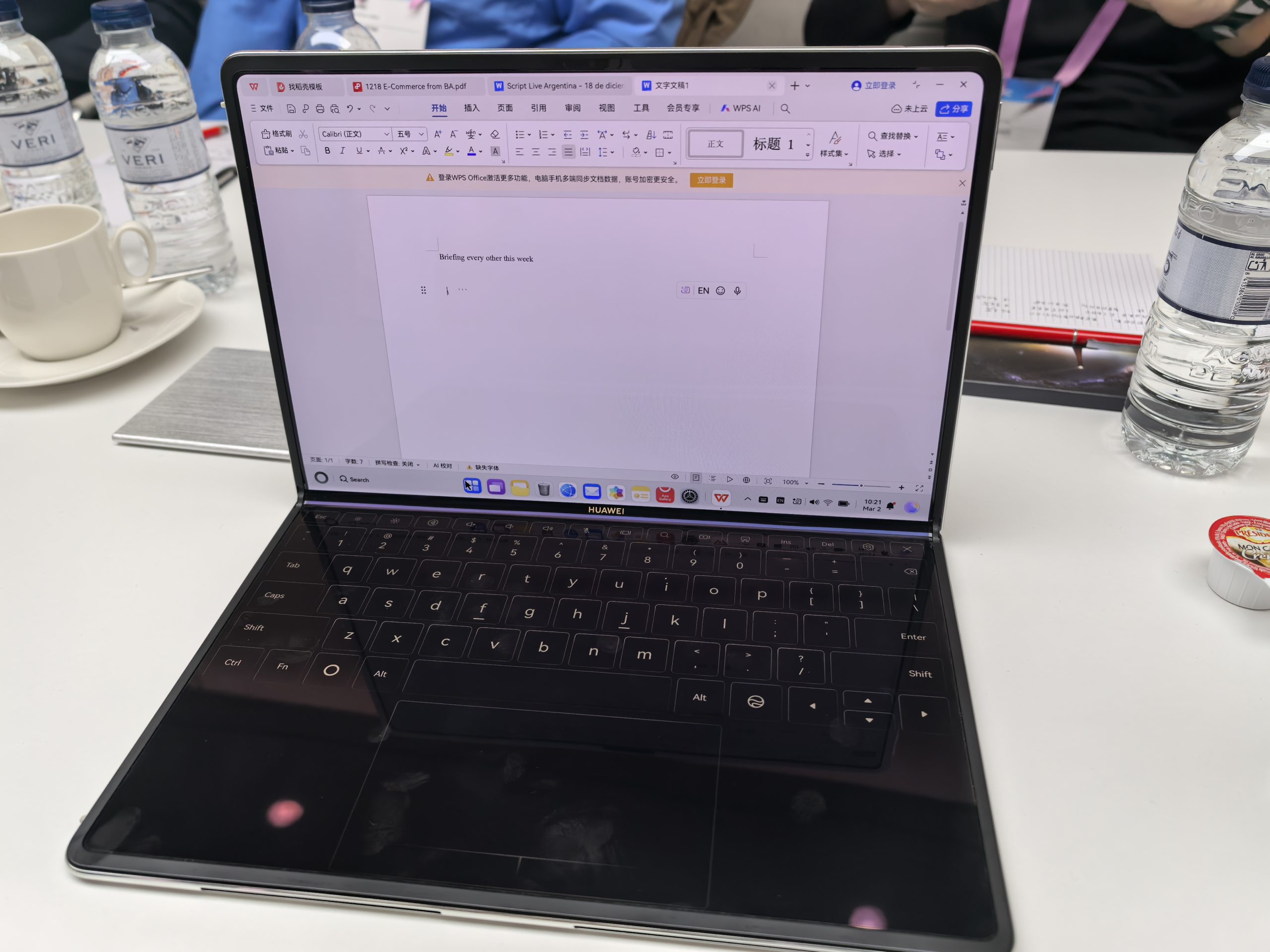
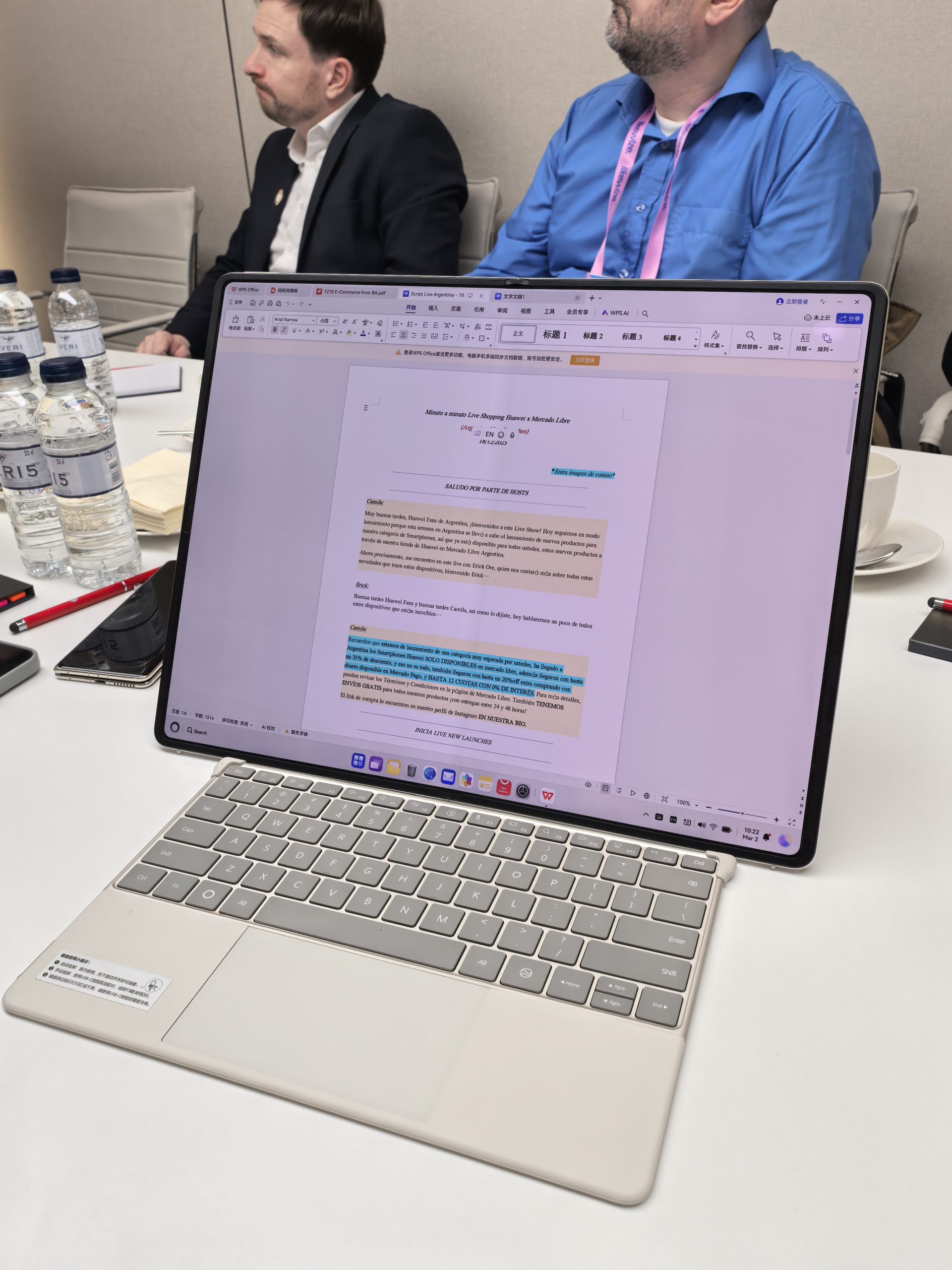
The second time I met (I saw it in Ljubljana) the Huawei Mate XT, a dual-folding phone that is an example of how absurdly crazy phones can be if you have something to prove to the rest of the world. The hinge works just as strong as in classic folding phones, the cameras are very solid considering that manufacturers are always struggling with a lack of space. Of course, it has its own Kirin chip built in, which for now cannot compete with Snapdragon and MediaTek, but Huawei has no other choice. All they have to do is continue to develop it and catch up in the coming years.
I've also been using the Huawei Mate X7, the seventh generation of the foldable phone, for a good week. It looks very similar to HONOR's Magic V6. Both are very thin, light and durable (HONOR slightly more so). The cameras are well above average for foldable device standards. Since it's available in Europe, it comes with EMUI, which has its shortcomings, but Huawei has emphasized that it remains committed to Android in the Western market. There are no plans to switch to HarmonyOS at this time.
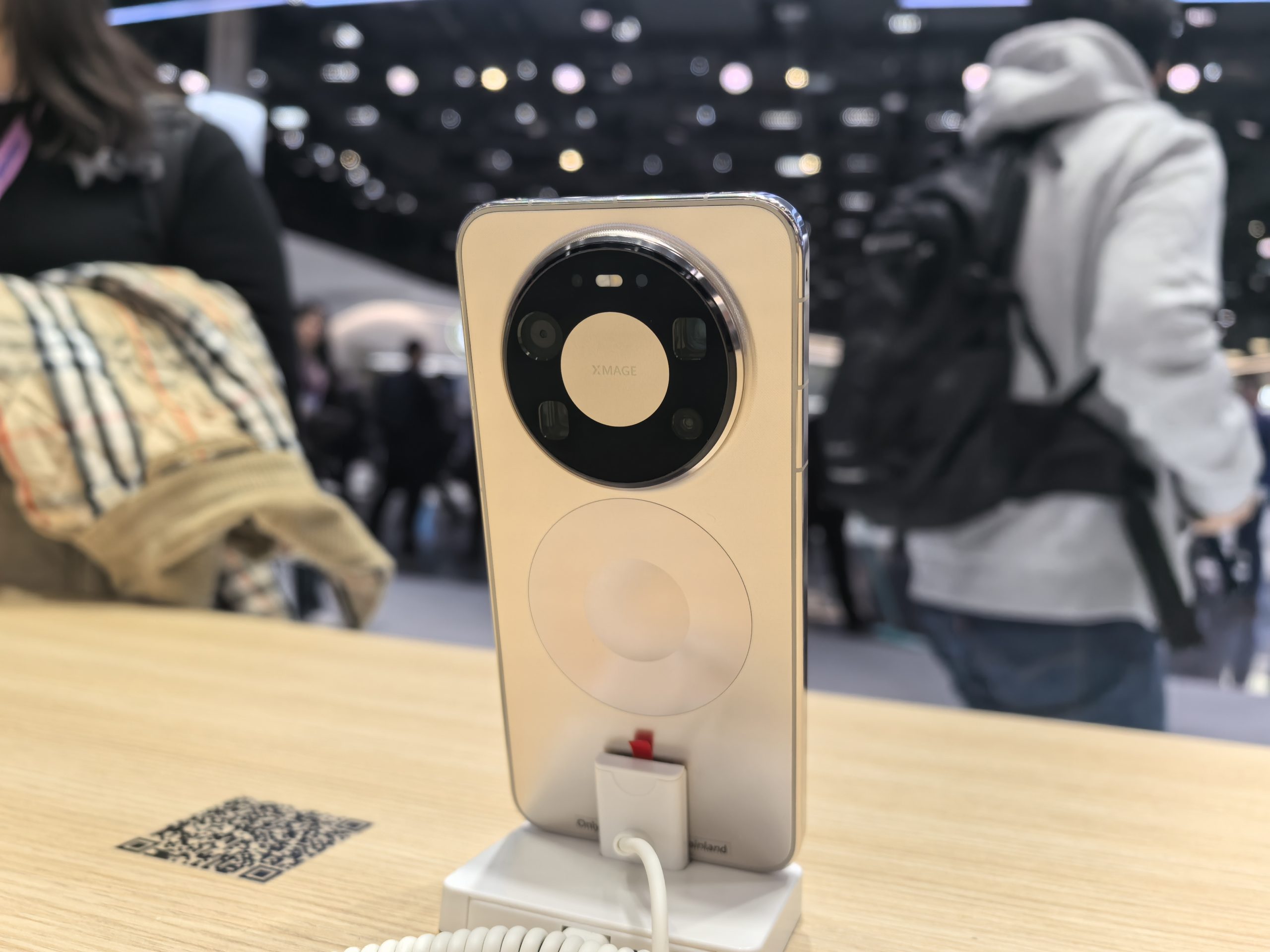
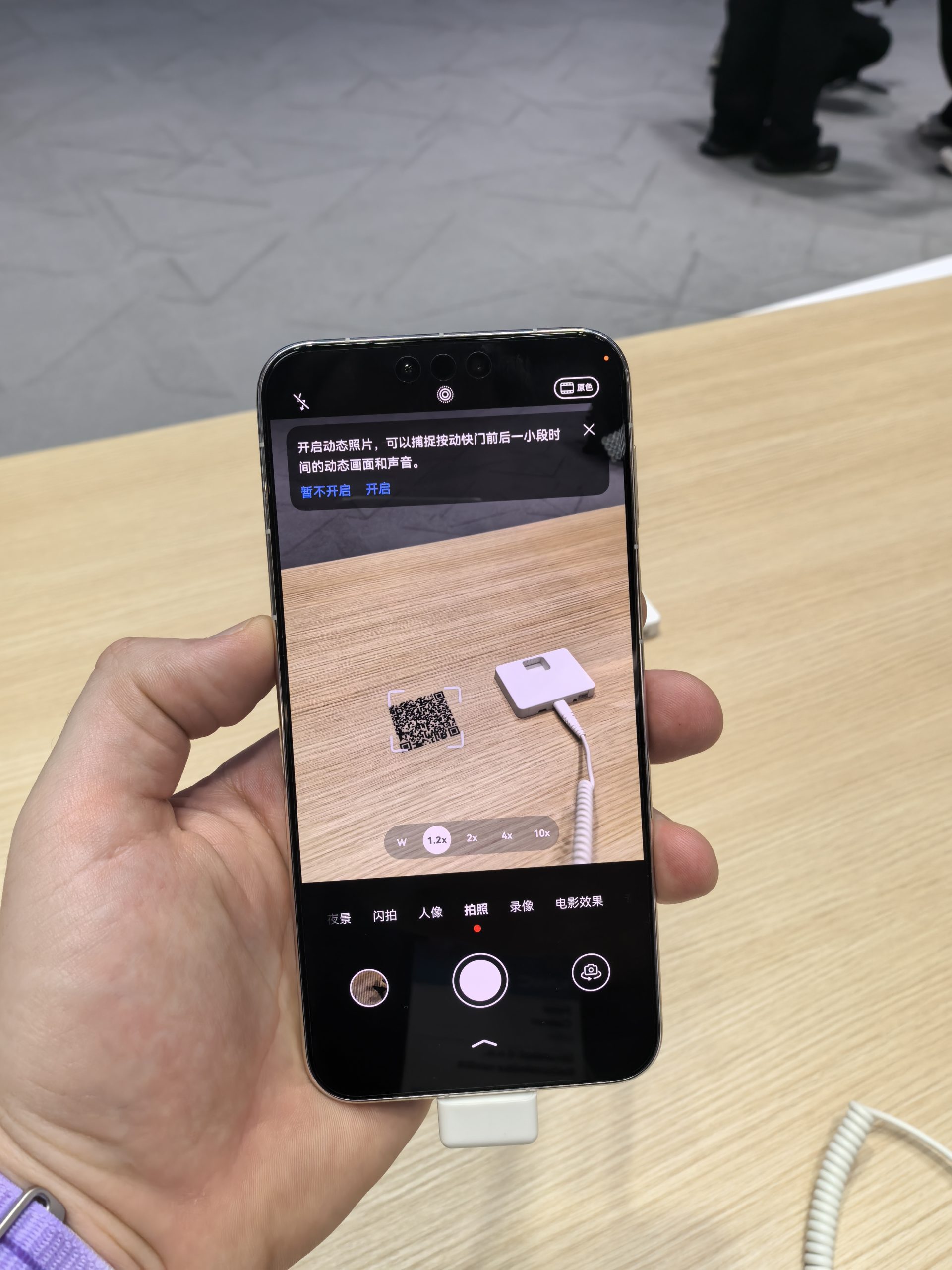
I also saw the new Huawei Mate 80 series (Pro, Pro Max, and RS Ultimate) with Kirin 9030 (Pro) chips, OLED displays, and a 50MP camera system. The special feature of this series is the metal body (except where the wireless charging system is), which in theory conducts heat better and could cool critical components better.
Just like last year, I stopped by the Huawei Pura X. This is another foldable phone with an unusual way of unfolding, which I even like better than the one on Flip phones (like the Flip, only wider). I haven't tested it yet, but my first impression gives me the feeling that browsing on such a screen and general use would be a greater pleasure. The phone is said to be a big hit in China and I hope that this is a good enough reason for them to bring the next generation to Europe.
Red Magic was a haven for youth and gamers
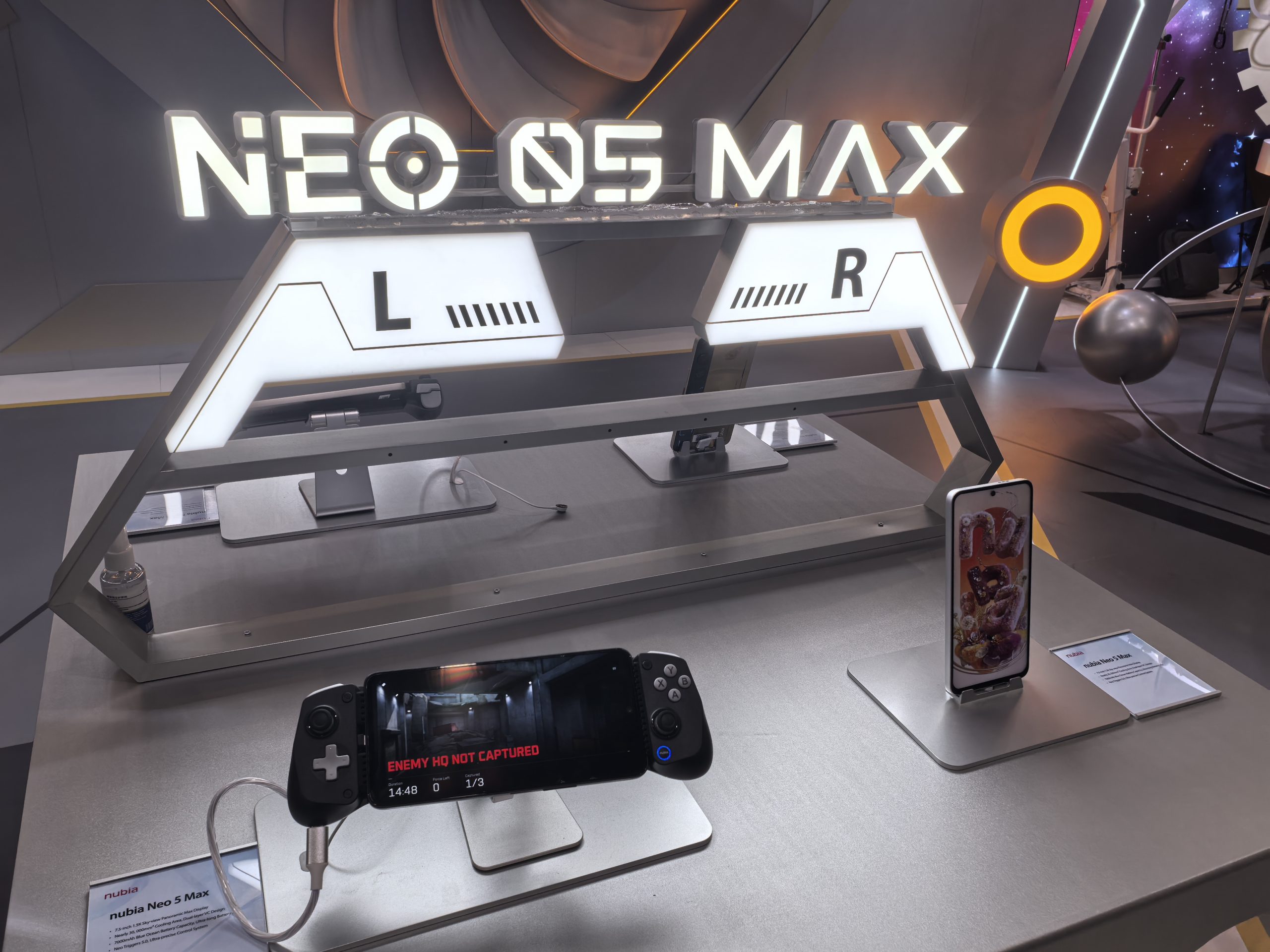
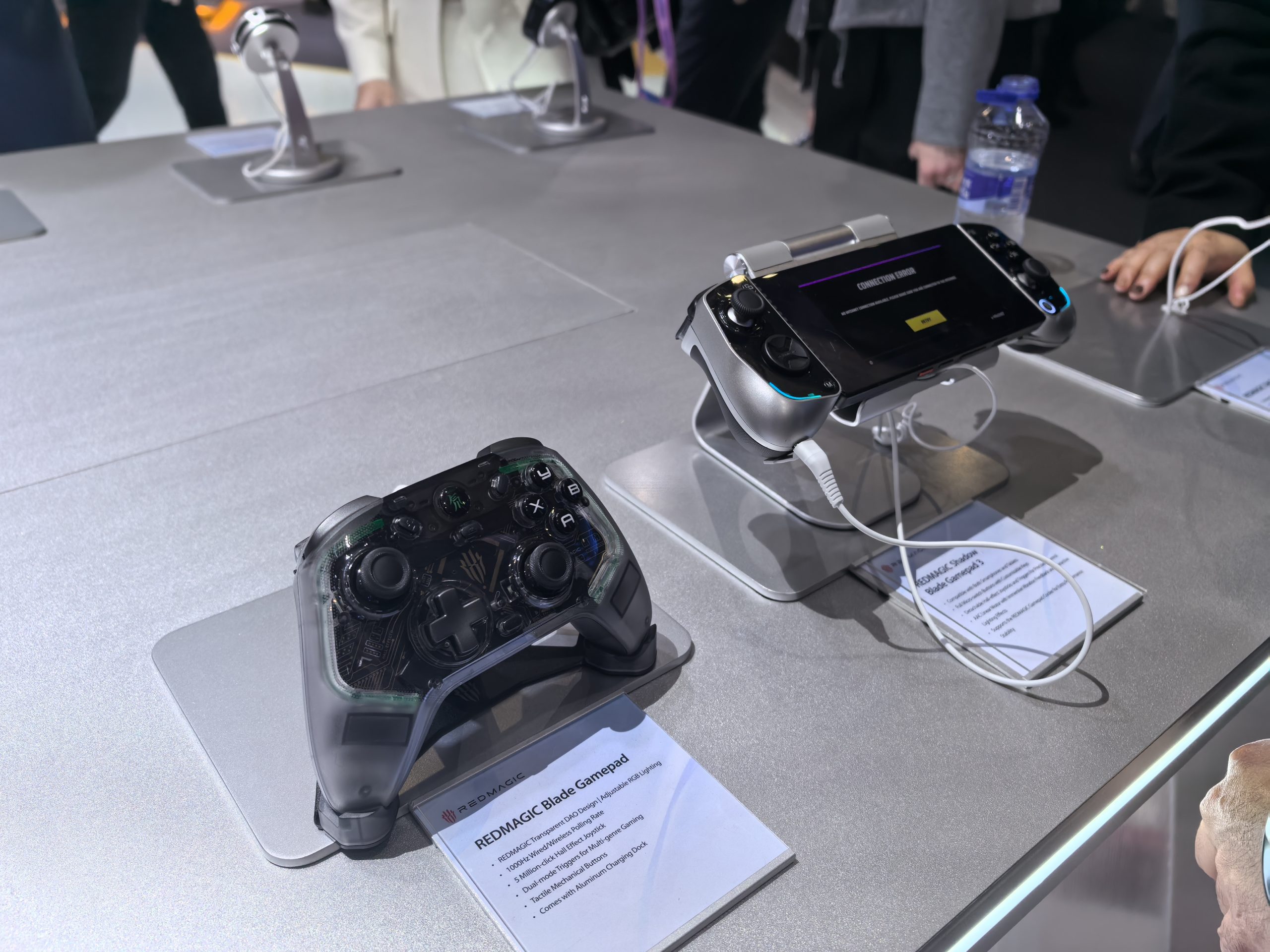
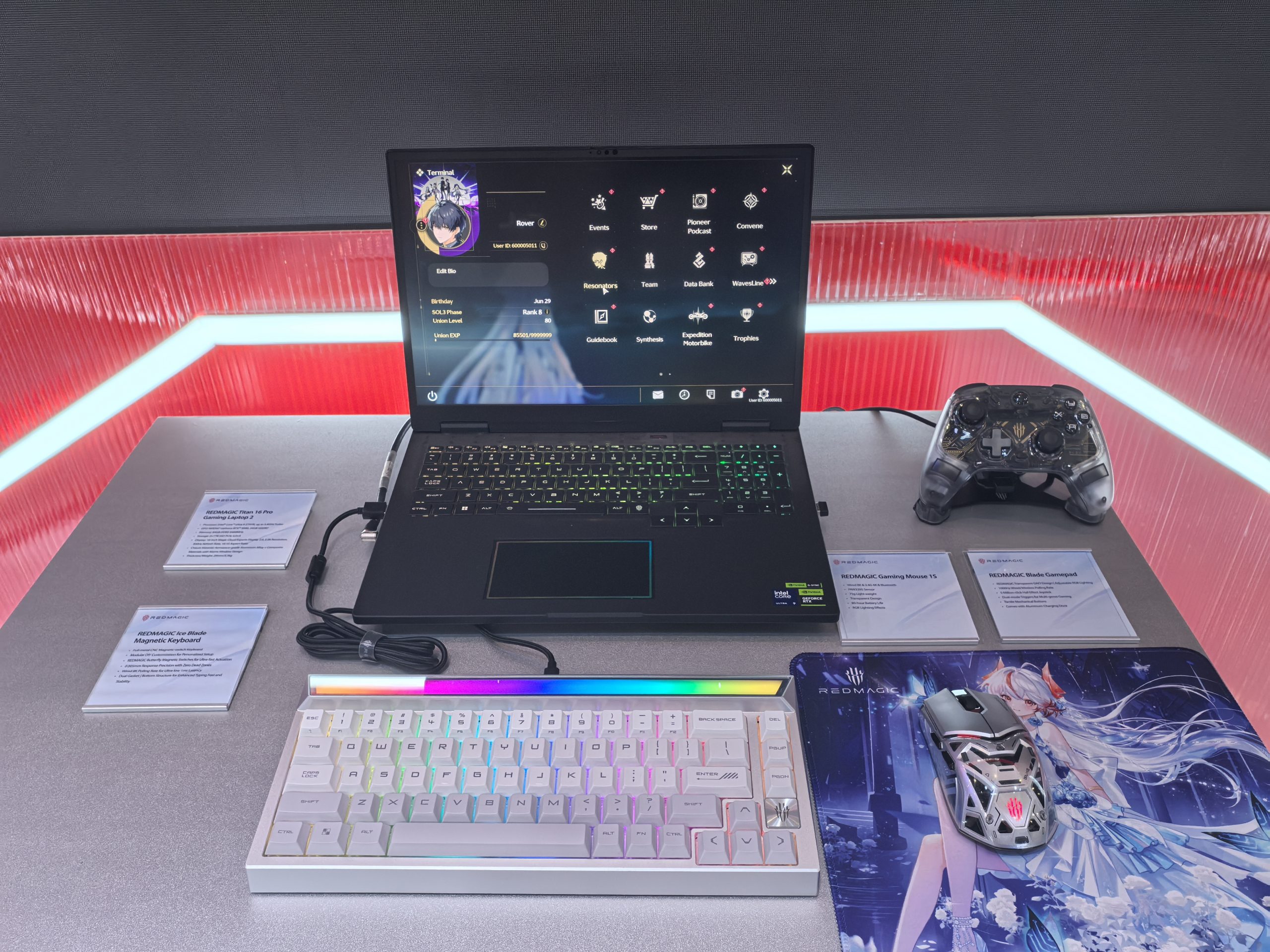
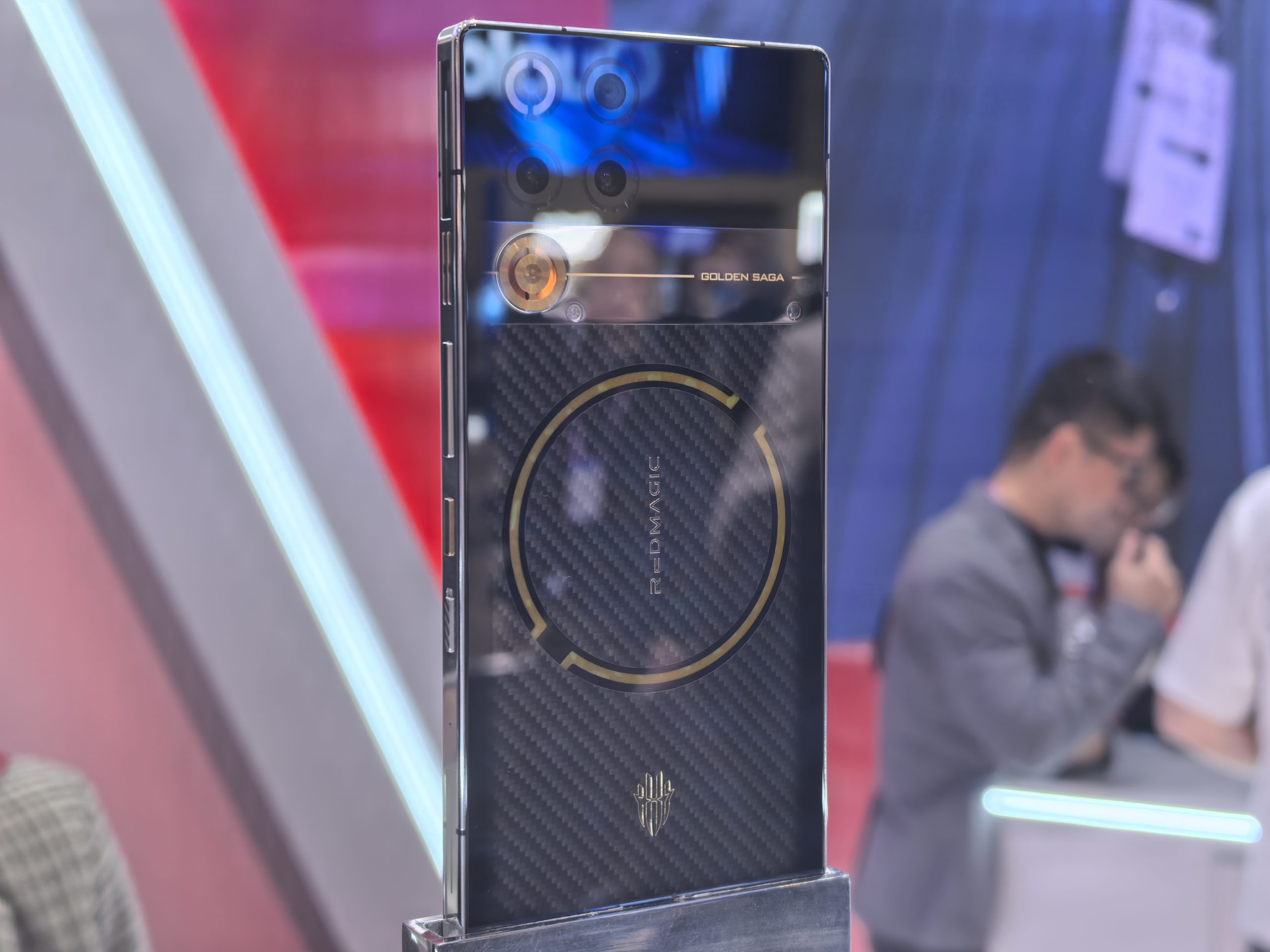
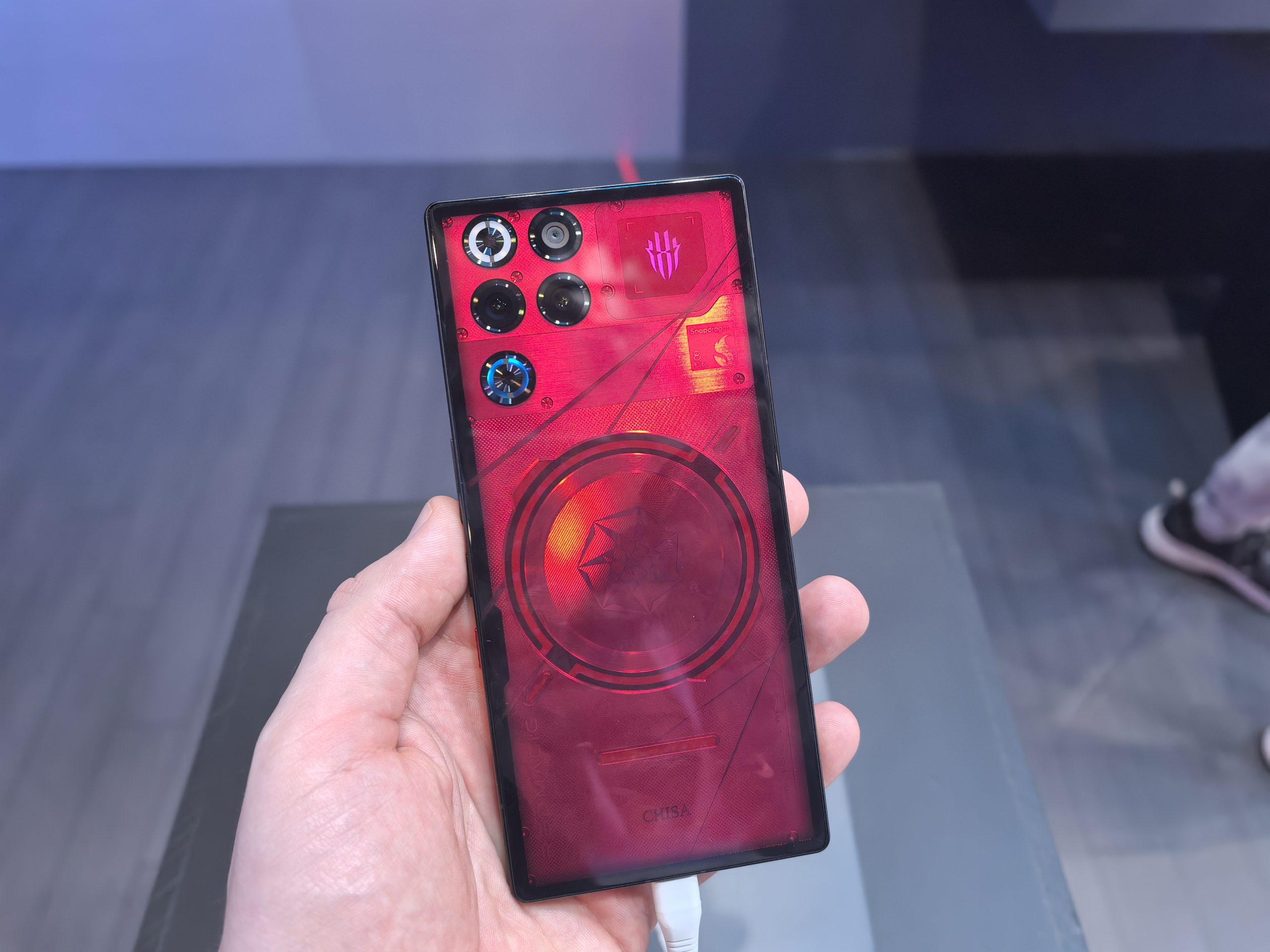
At MWC 2026, ZTE is openly positioning REDMAGIC and nubia Neo as the core of its presence in the gaming and eSports segment – with a clear goal: to become the technology brand that most embodies the lifestyle of young people.
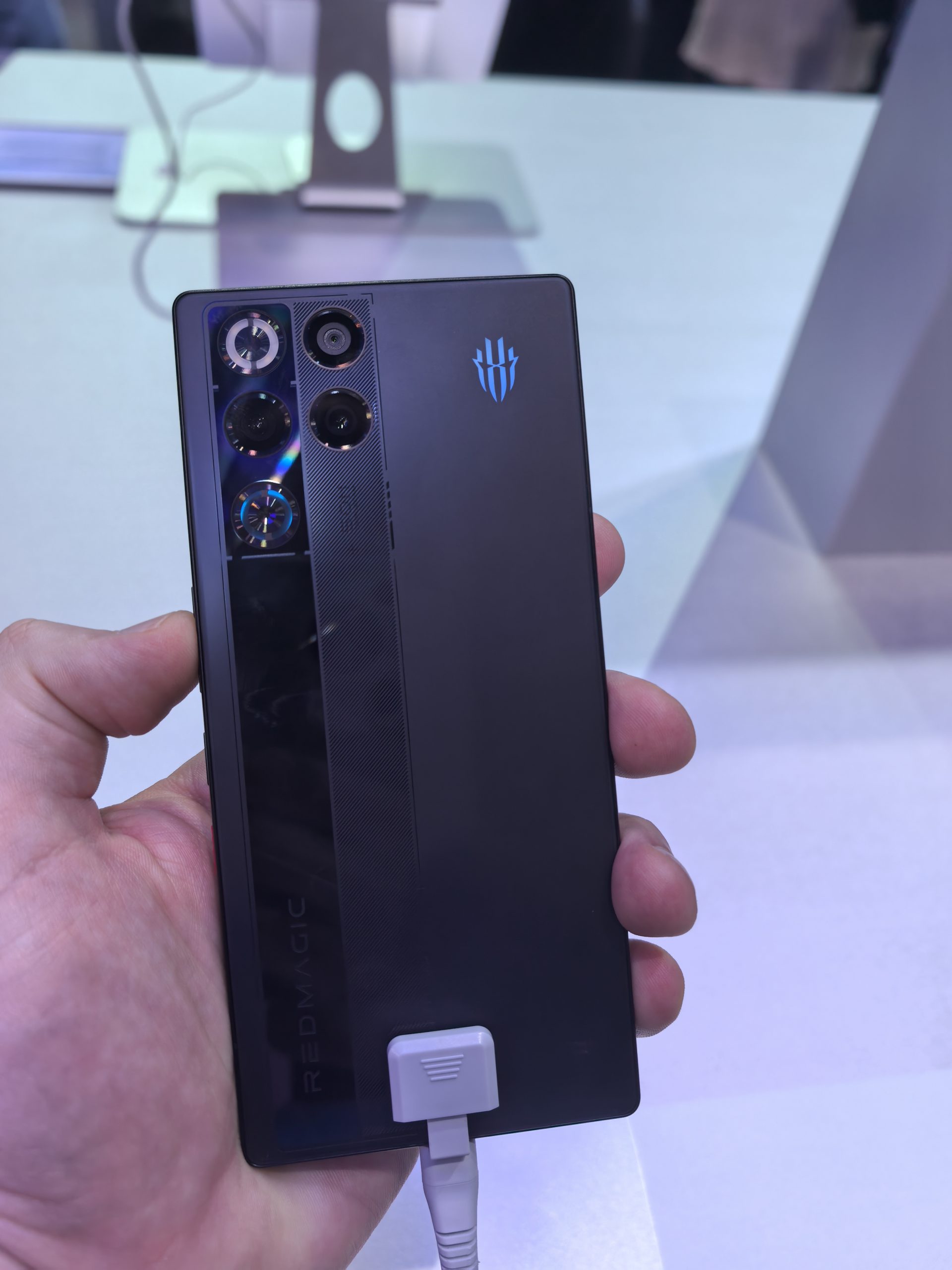
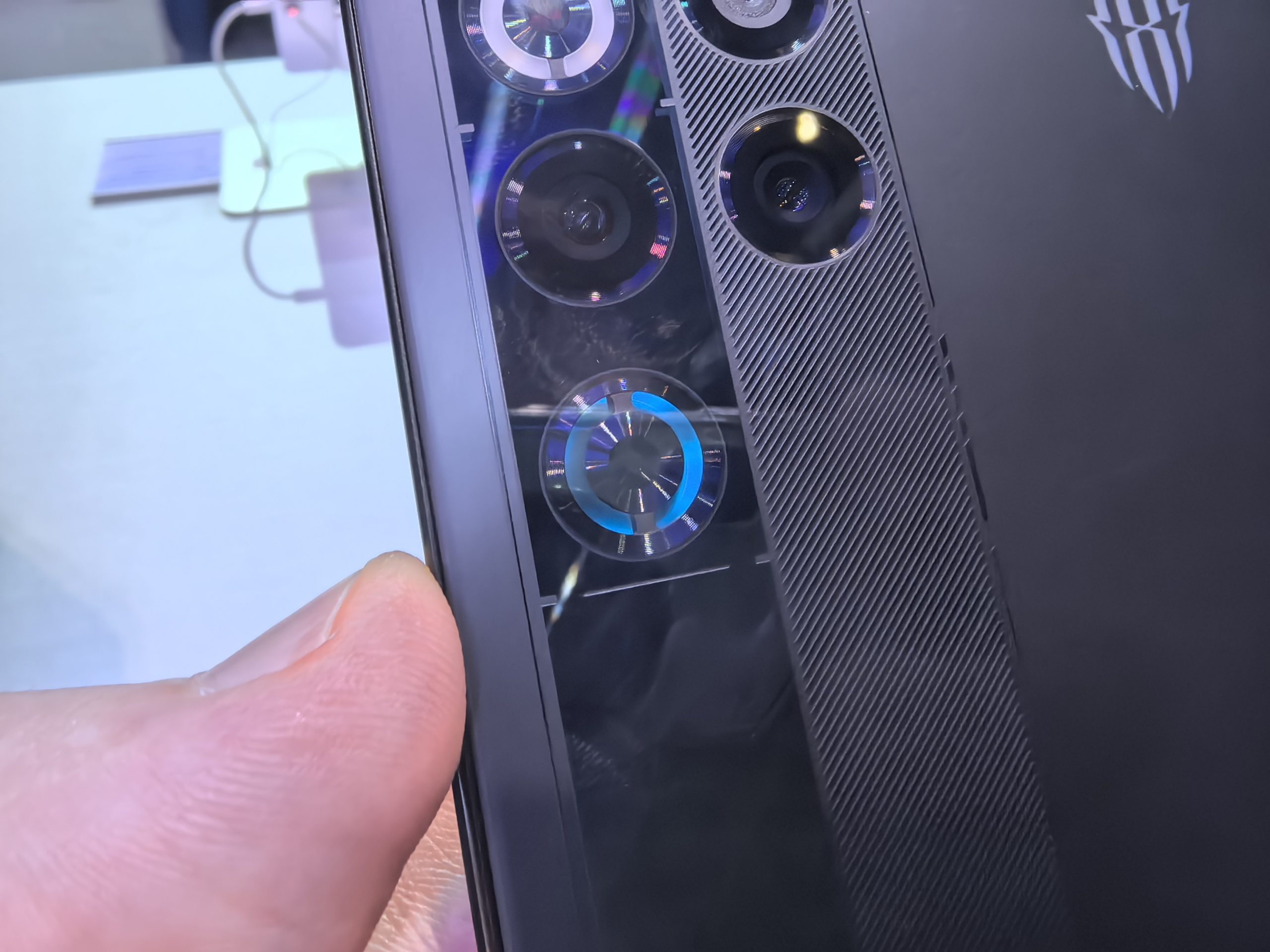
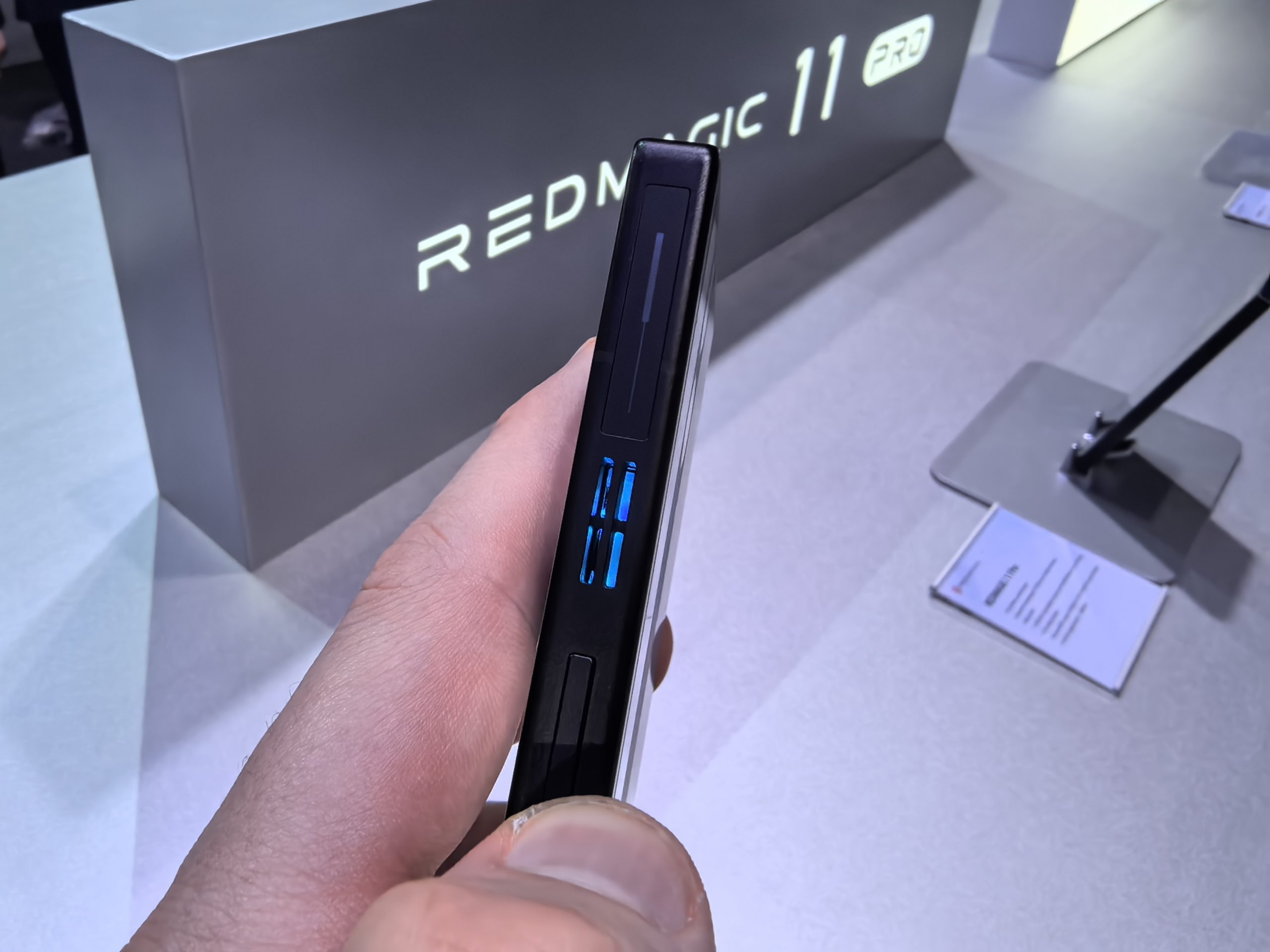
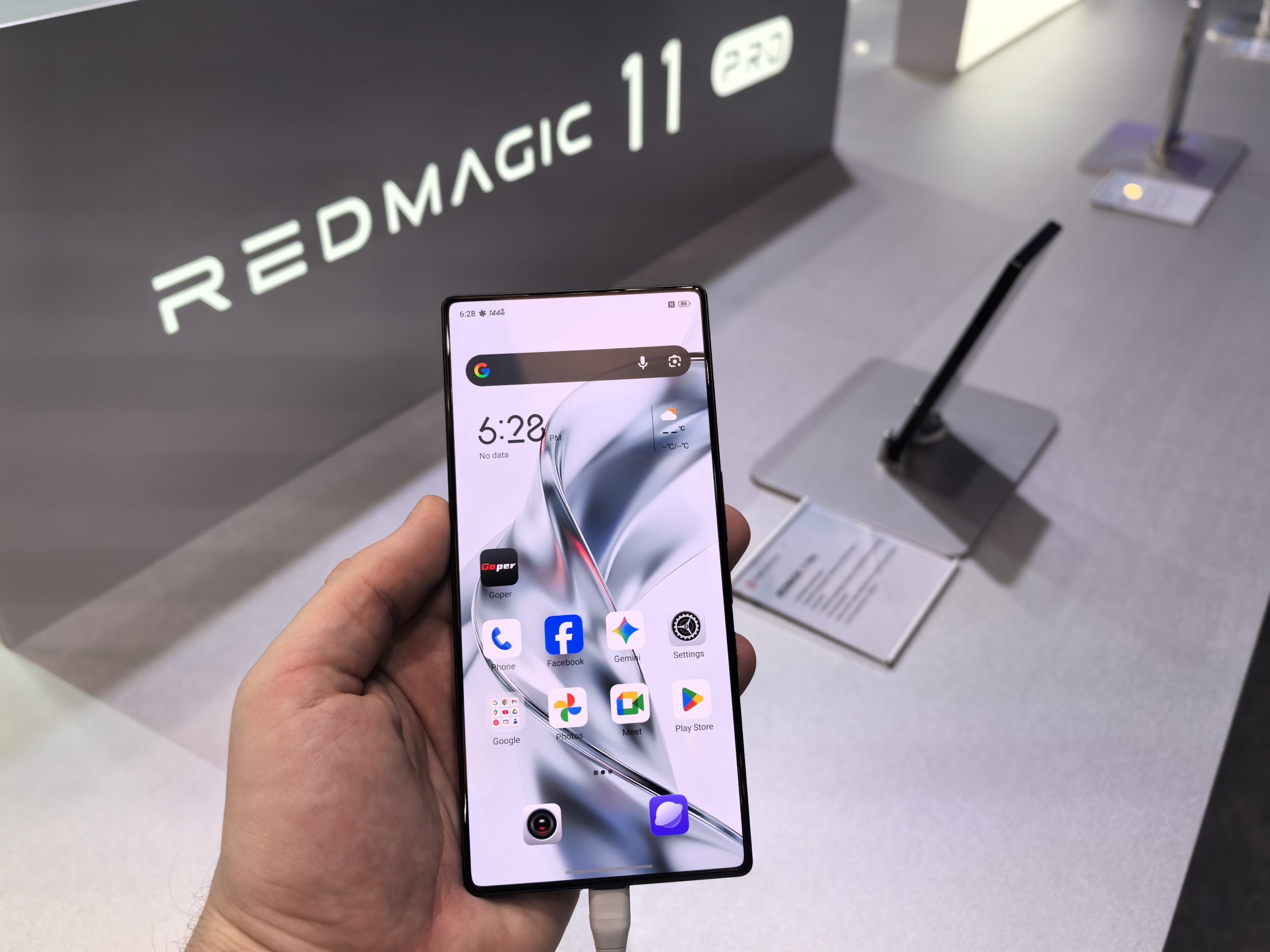
I took a look at the Red Magic 11 Pro, which is one of the first phones with active cooling that doesn't affect the phone's durability. On the side and back, you can see a fan that can spin at over 20,000 revolutions per minute. I don't know how much this affects the temperature, but I'll find out very soon when I get it for testing. The biggest problem with all phones today is how to stay relatively warm (and not overheat) while playing games, recording, editing videos, and similar intensive tasks. If you play games on your phone, especially the most demanding ones, you'll be able to play for about an hour and a half at most. When you exceed this time, you risk suffering battery life in the long run (even on the most powerful phones). Heat is the killer of electronics. You can help yourself with external fans, but if there's a chance that the phone has a built-in active solution, why not.
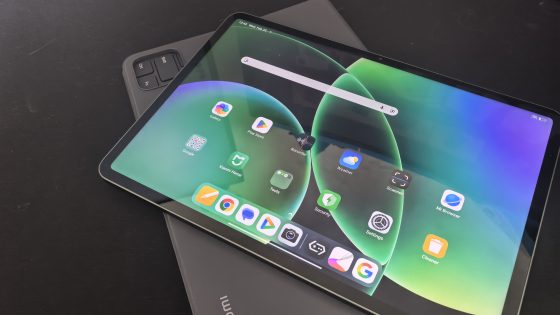
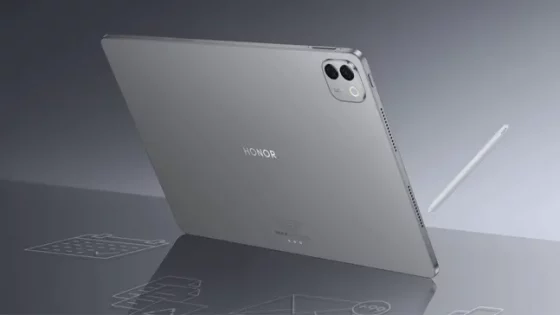
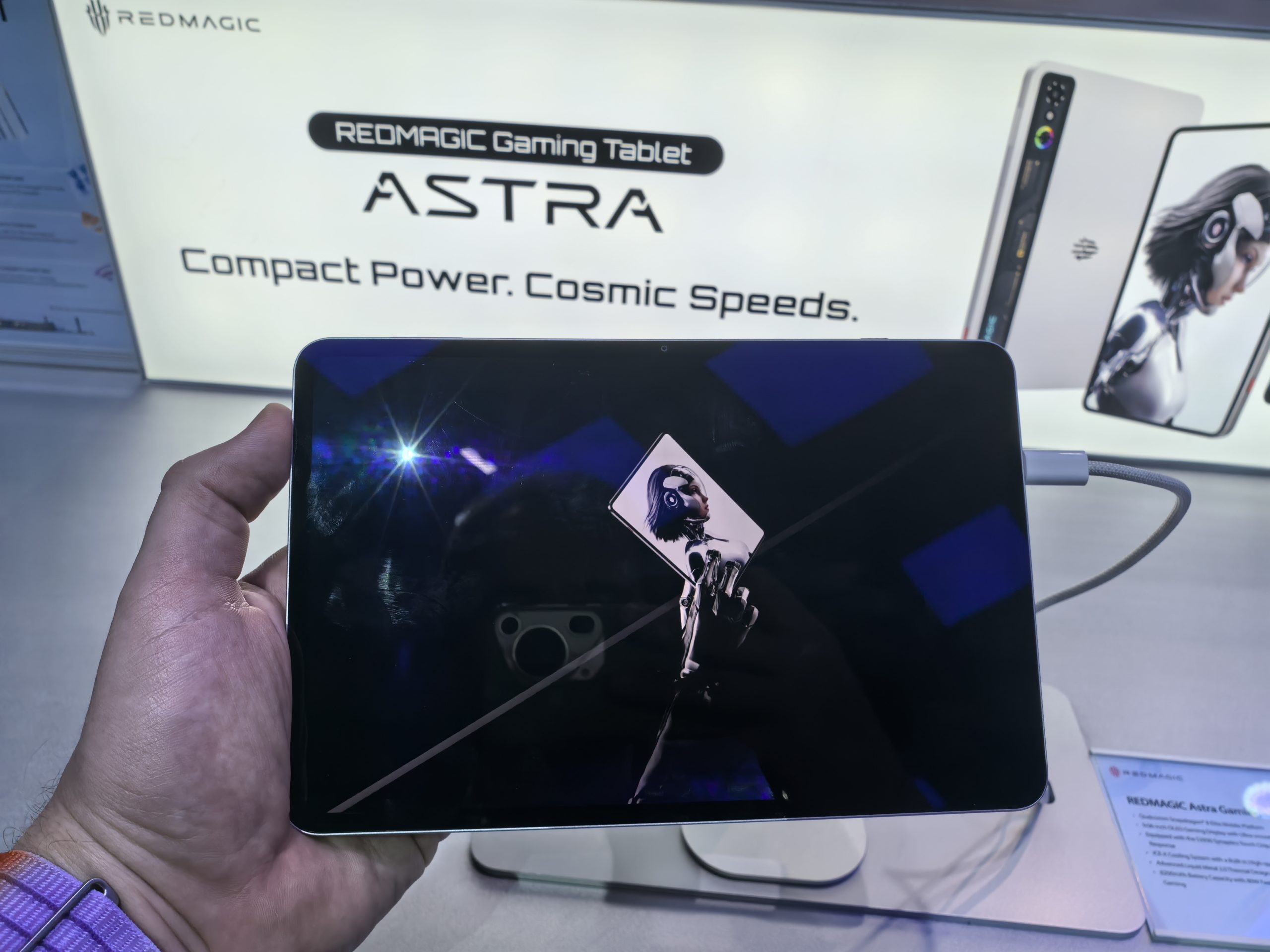
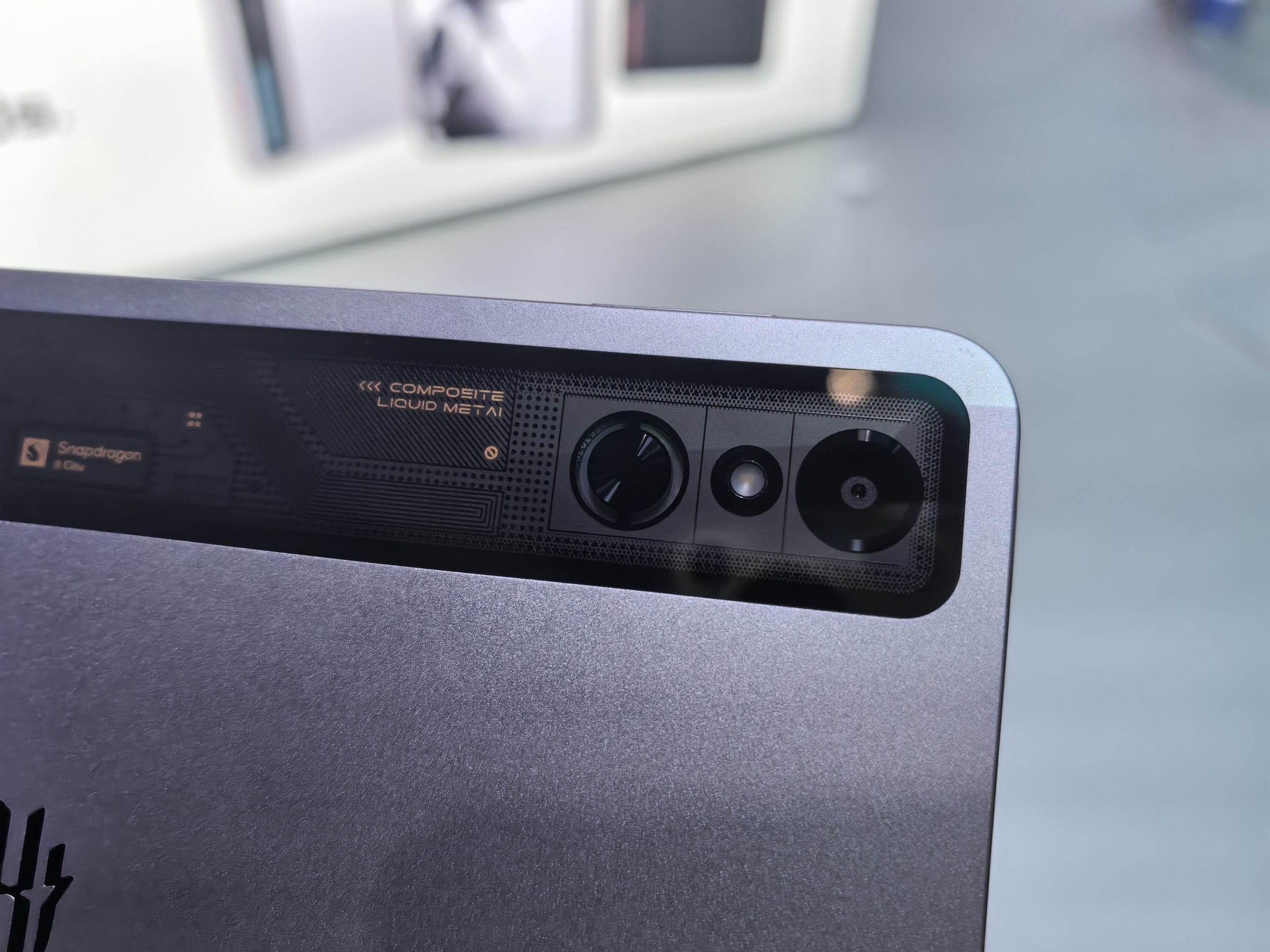
Their Red Magic Astra tablet also has active cooling, although I couldn't figure out where the heat was escaping from. There's no obvious vent on it that would expel hot air.
Red Magic is often a test bed for new products. Perhaps the parent company will decide to implement the fans in other products, such as Nubia phones, which are more general and not pure-bred gamers.
Samsung Galaxy AI as an ecosystem
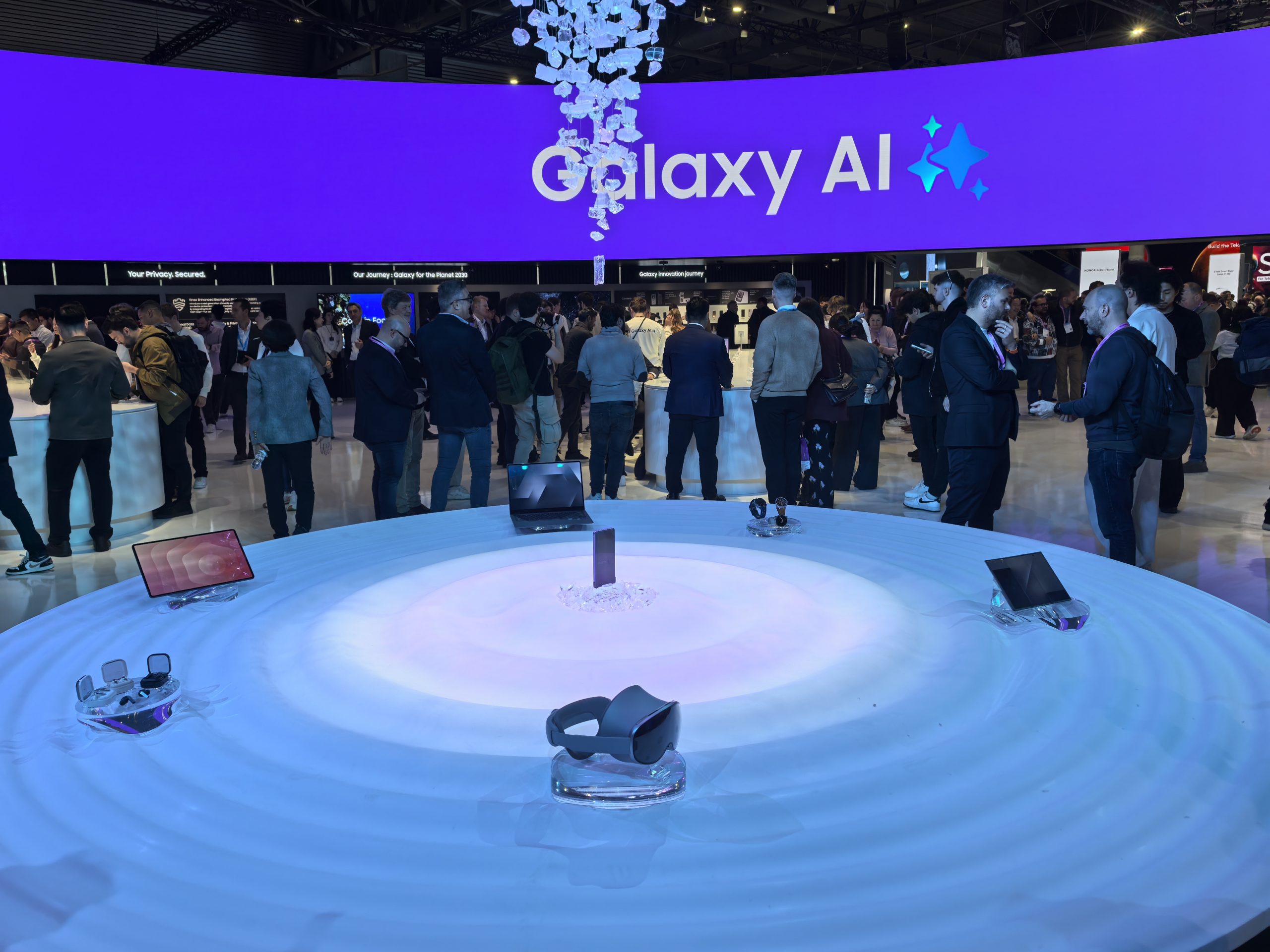
Samsung didn't play the "look at our new phone" game at MWC 2026, but rather "look at our ecosystem." The centerpiece of the booth was the Galaxy S26 series and the concept that Galaxy AI is evolving into a more agentic experience, meaning not just answering questions, but AI assistance with tasks across devices and services.
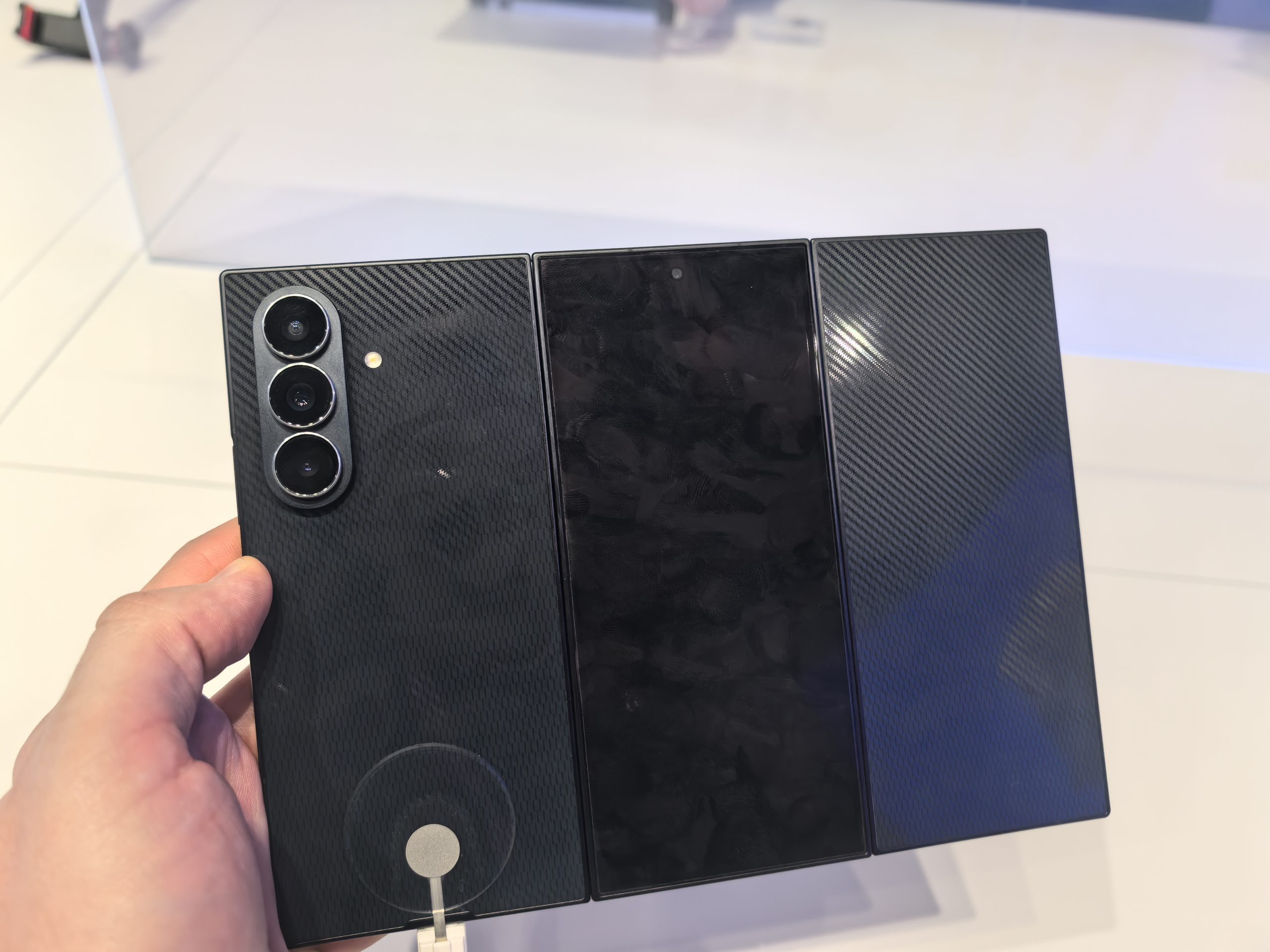
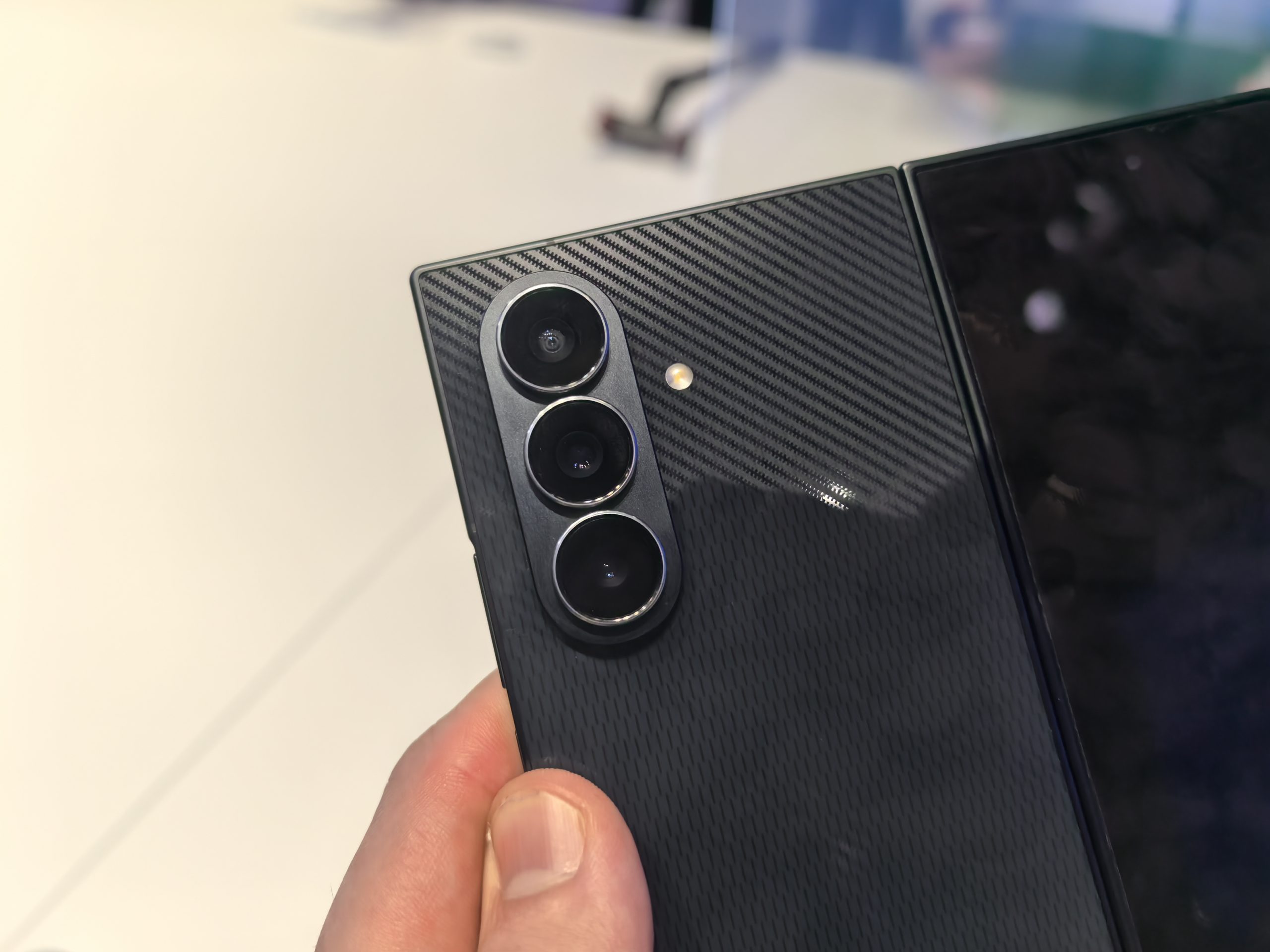
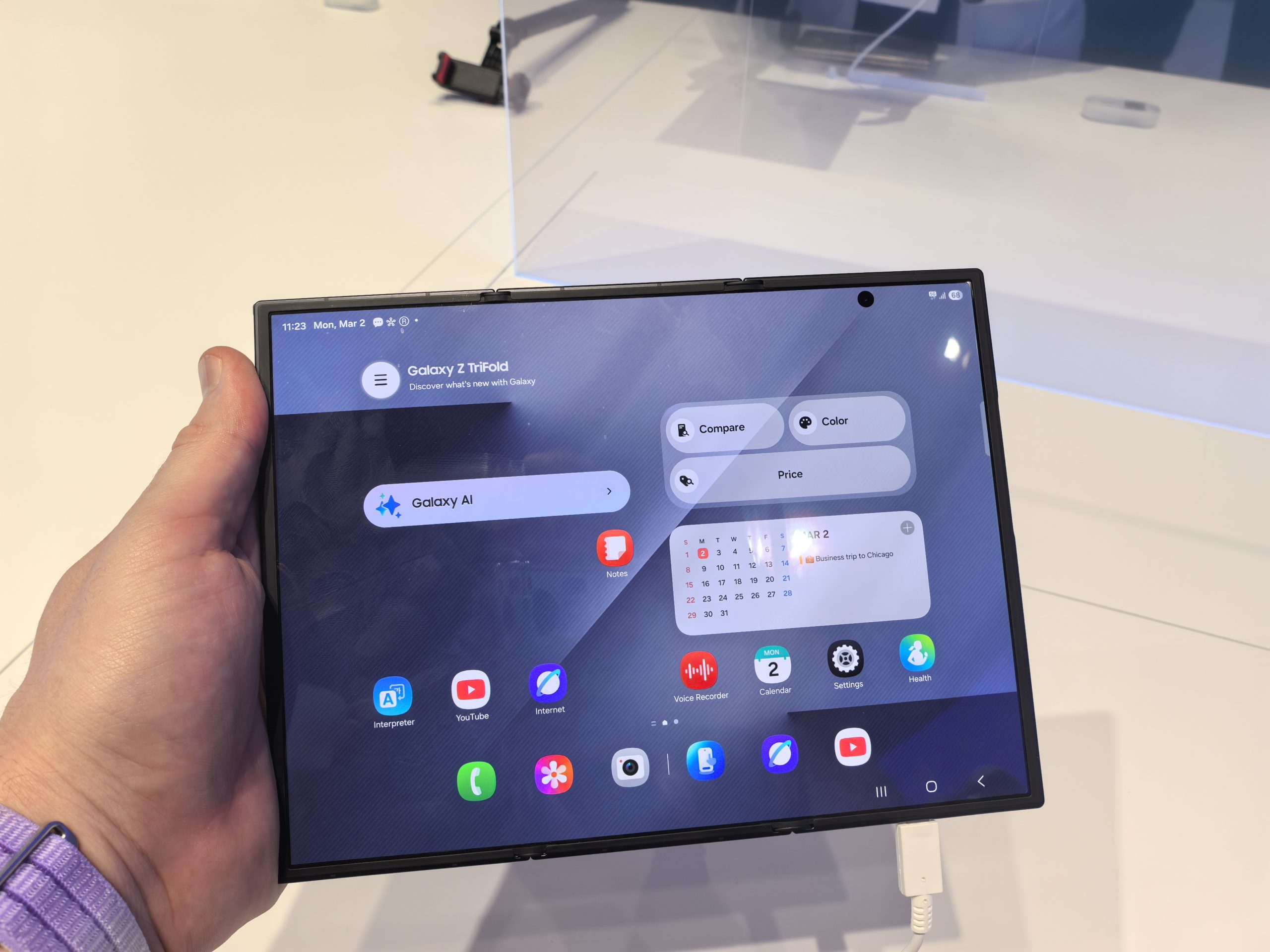
Before I get to test the latest phones, I tested their Samsung TriFold dual-folding phone at the fairgrounds, which is the second such example after Huawei, which has already had two generations. Honestly? It's something special. The idea of having an even bigger screen in your pocket is very tempting, especially for those of us who consume a lot of content on our phones. I myself have already imagined how I could watch a movie or series on a plane on a screen the size of a small tablet, how I could transfer an image from my computer at home to the phone screen and play the latest Windows games, and the like. This will never happen, because I'm not ready to spend more than €3,000 on a phone. Still, I can dream.
I also tested the new Privacy Display on the Samsung Galaxy S26 Ultra once again. It works really well, you can hide only a specific part of the screen or a specific application, notifications or widget. What I might be a little concerned about is that the screen resolution is noticeably reduced - and I think the brightness too - if you choose maximum privacy. The viewing angles also seem a little worse to me. When I get it for testing, I will check whether this is annoying or worth the trade-off for more privacy. Then I will also be able to check how it compares to a protective glass with similar privacy protection.
I was also interested in the video function or video stabilization (Horizontal Lock), which I had seen on Vivo phones a few years ago. When it is turned on, the subject – when you switch from portrait to landscape shooting mode – is always in the middle. It works well, even better than rivals, which automatically switch to a lower resolution when turned on.
Samsung has also made it clear that it doesn't want to be seen by the industry as just a phone maker. At MWC, it also highlighted its network UI solutions, which it hopes will make it relevant to operators.
Vivo: camera as tool and phone as platform for accessories
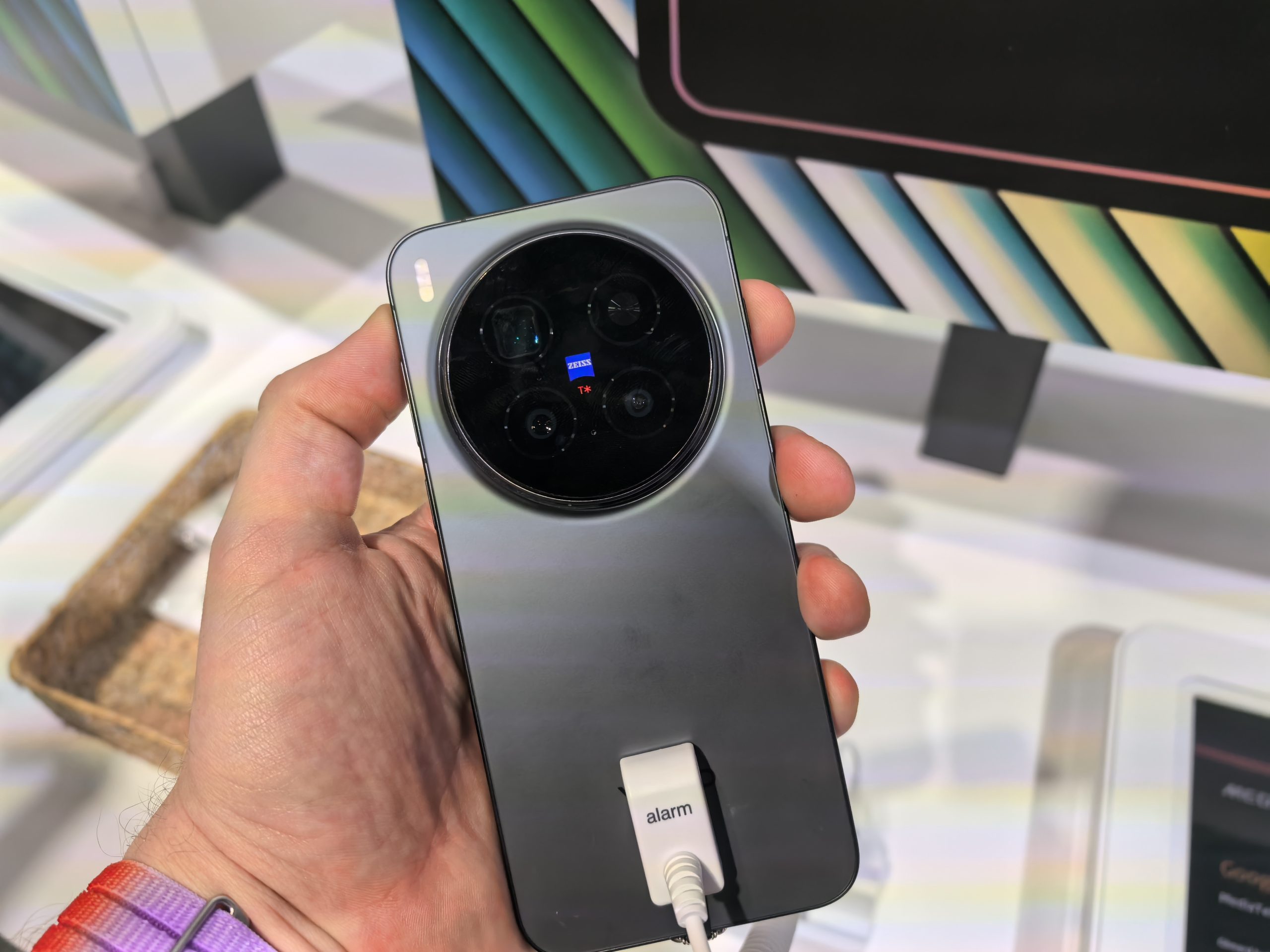
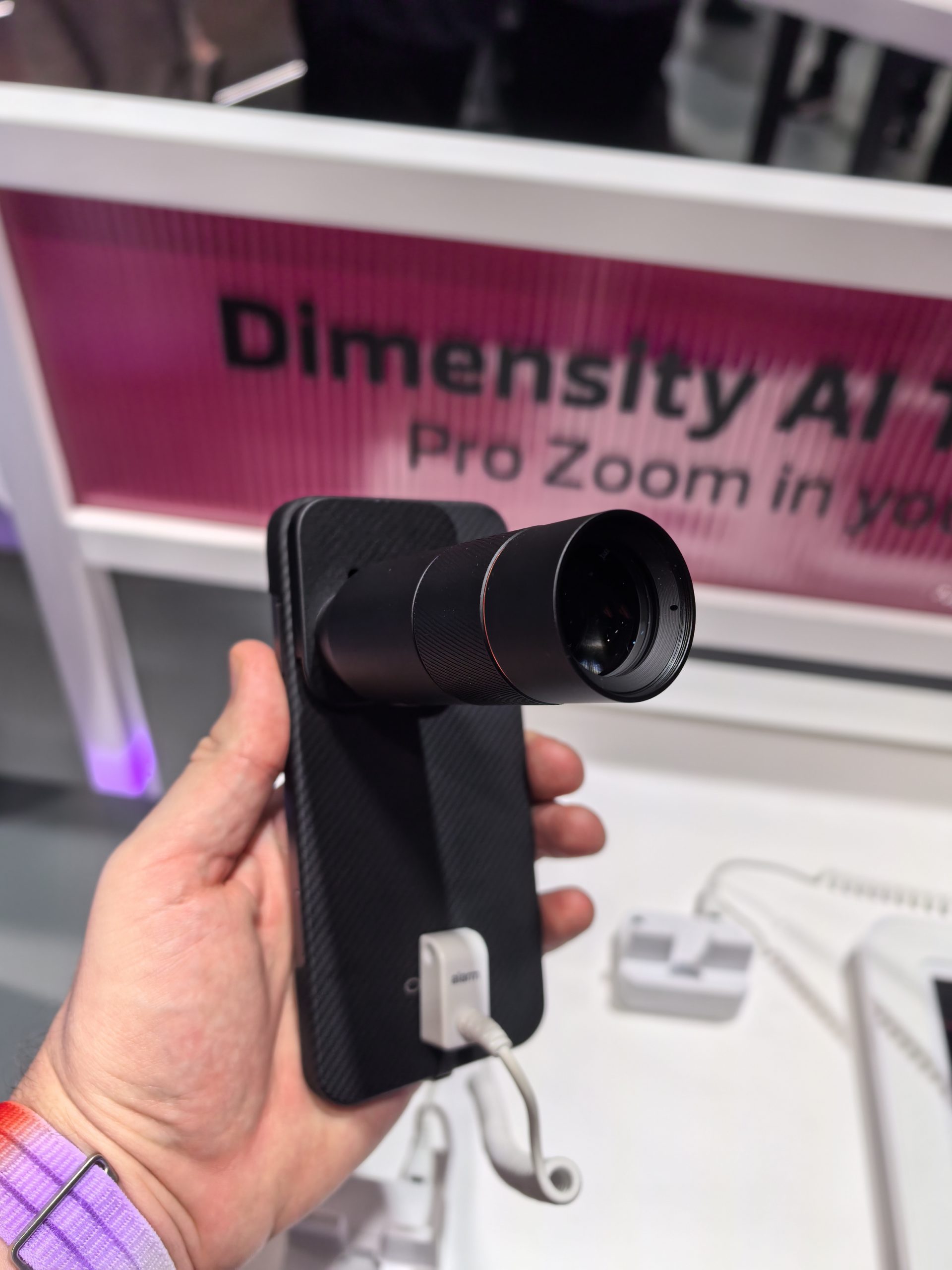
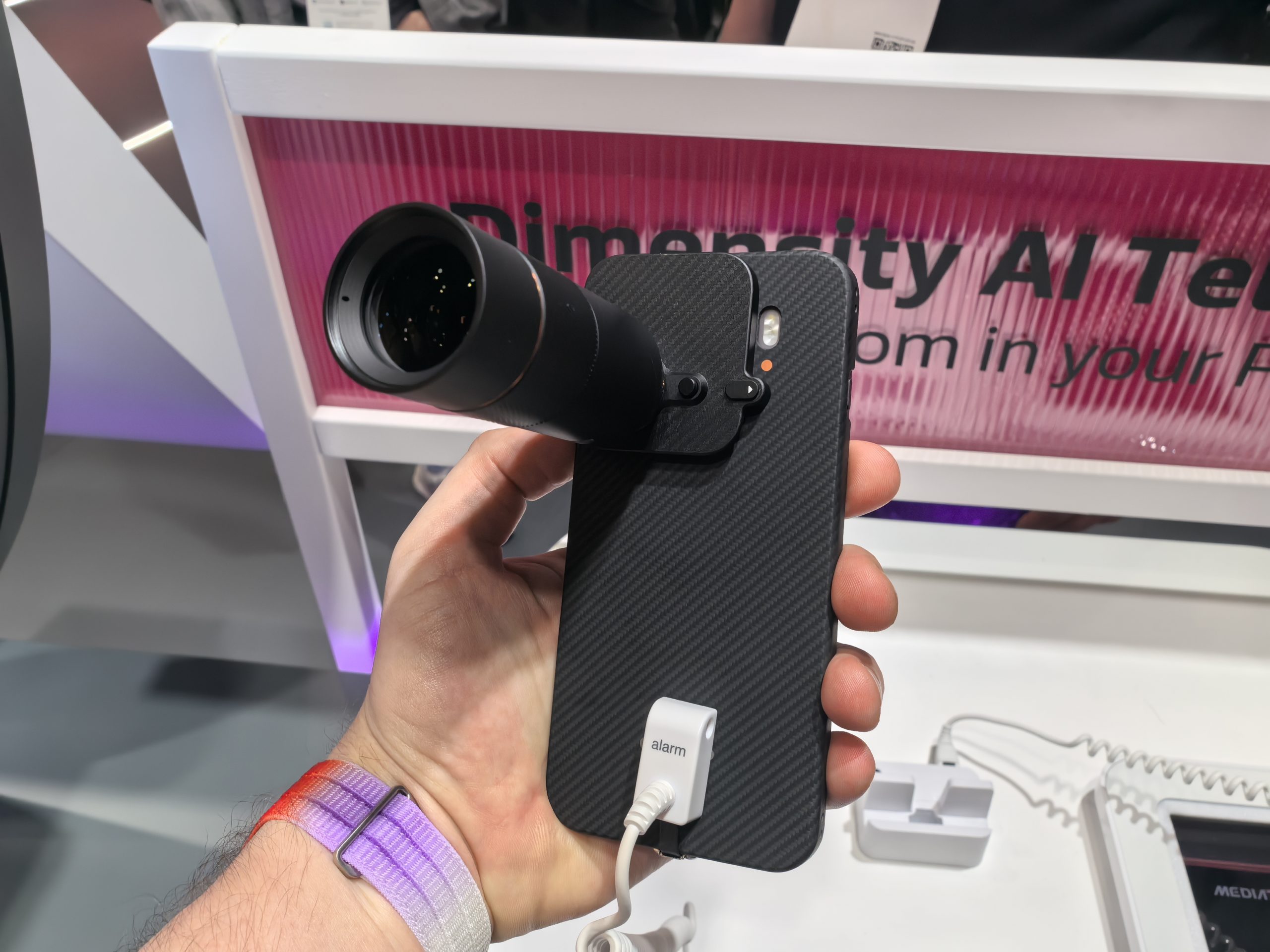
Vivo did something that's surprisingly rare in the mobile world at MWC 2026. It didn't just focus on a phone, but on the idea of a phone as a photography platform. The company showed off the upcoming X300 Ultra, highlighting its 200MP telephoto lens (and accessories like a telephoto extender, grip, and even a camera cage in collaboration with SmallRig).
This is not just nerdy enthusiasm. It is very practical logic. If mobile photography has approached the quality of processing of classic cameras in recent years, the next level for some users is ergonomics and control. With these additions, Vivo is implicitly communicating that the phone can be a hybrid – one time a pocket camera, the other a semi-professional recording tool.
Motorola announces partnership with GrapheneOS
Motorola showed its desire to reposition the brand at the forefront of the global mobile scene. It introduced more than just new devices. There was a big focus on software security and future models aimed at more conscious users.
One of the biggest news items to come out of Motorola’s booth is the long-rumored and now officially confirmed partnership with the GrapheneOS Foundation, a non-profit organization that is developing one of the most privacy and security-focused Android experiences. This deal came as a surprise to many, as GrapheneOS has until now remained exclusive to Google Pixel devices. That will now change, as Motorola plans to release phones compatible with the platform in the coming years. This is a big change, as it marks a shift in the Android operating system towards greater openness and security that can be offered by other manufacturers, not just Google’s Pixel line.
This is expected to happen by the end of this year or early 2027 at the latest. If you're looking for a phone that doesn't depend on Google, this is the best solution.
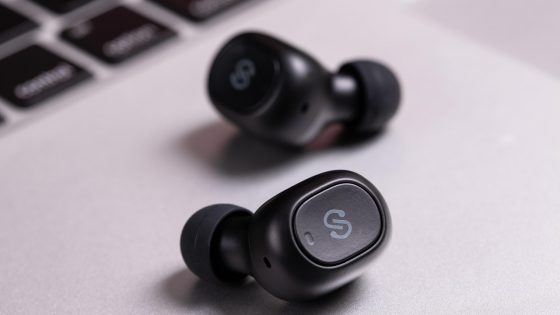
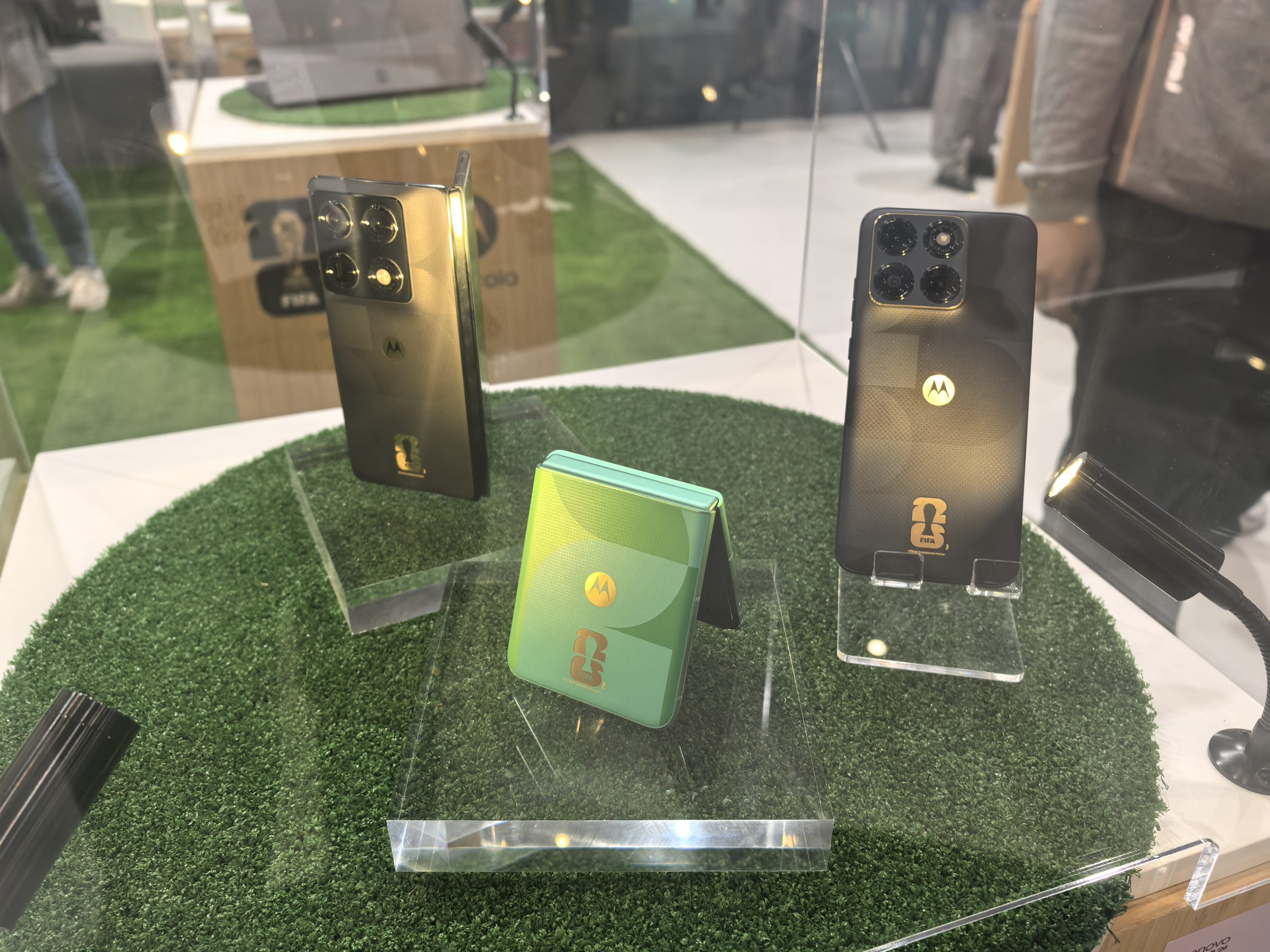
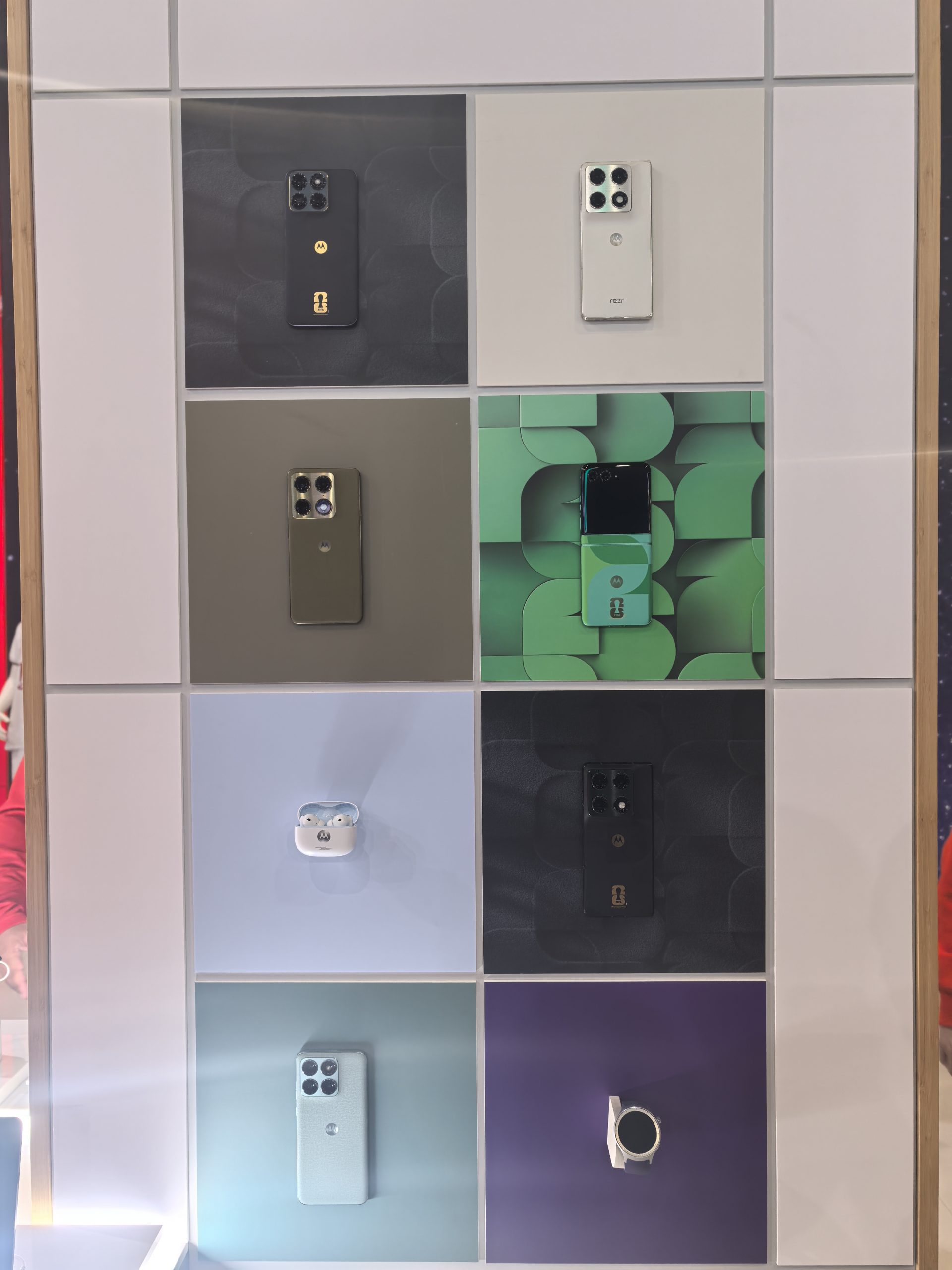
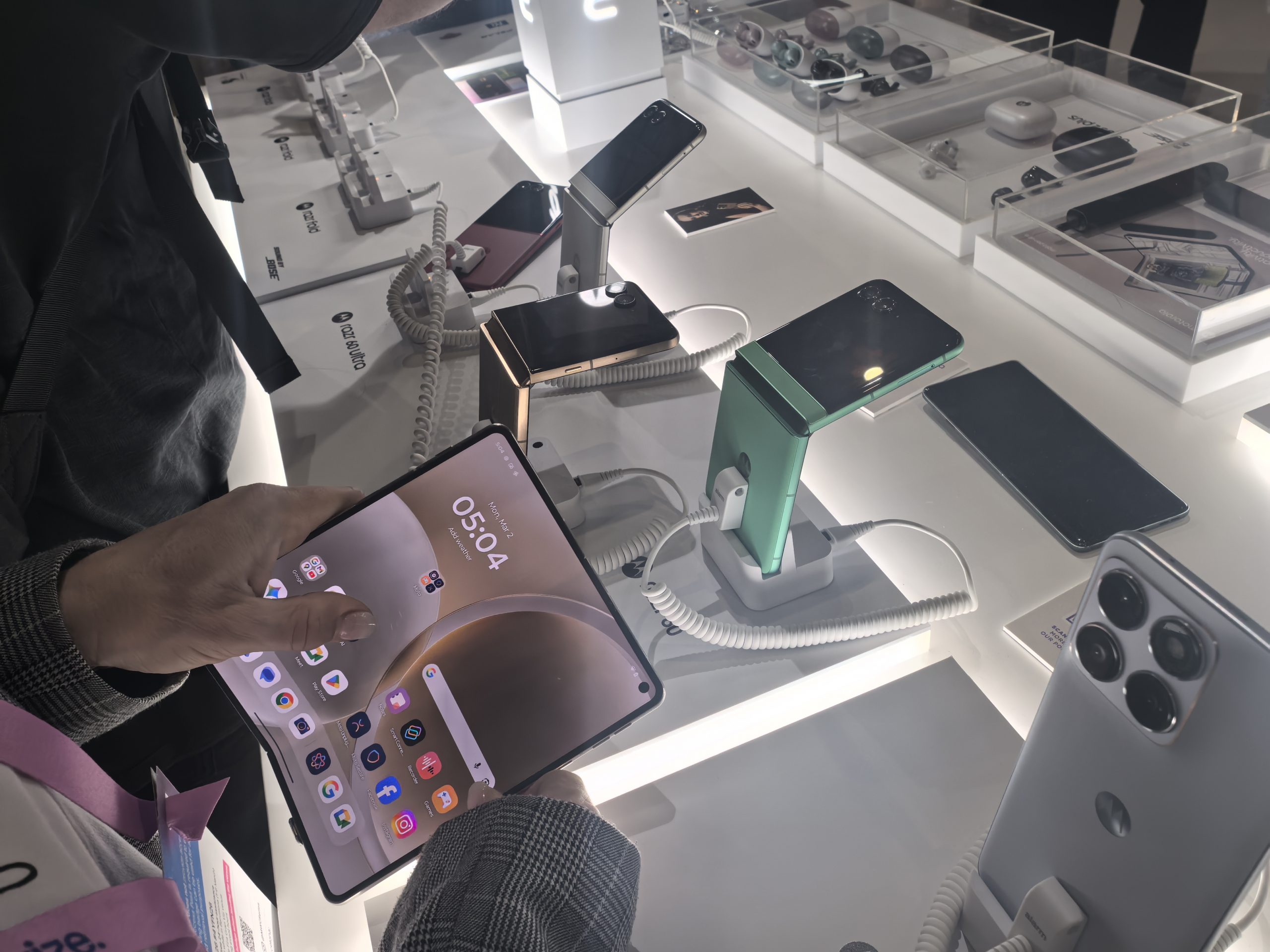
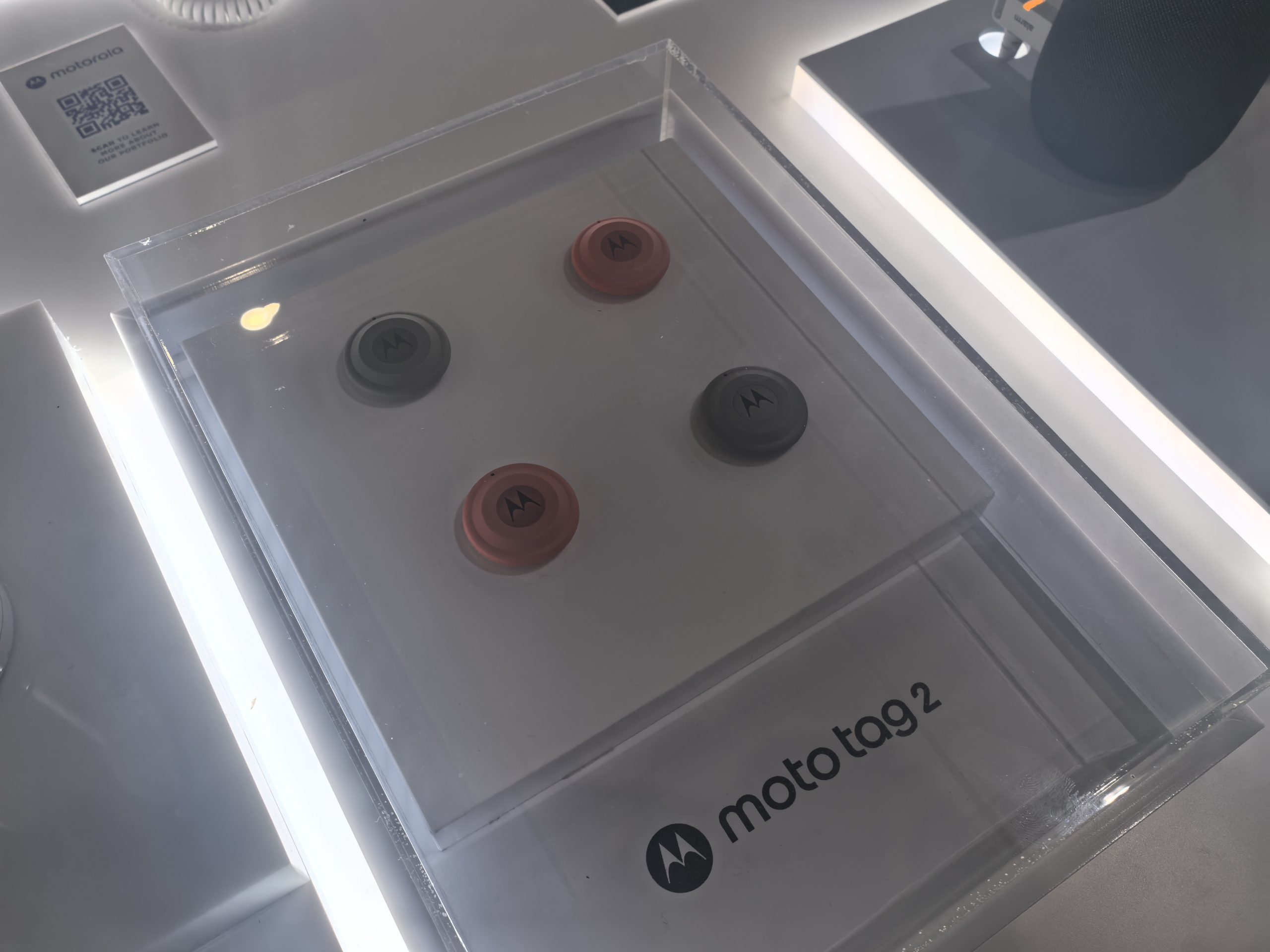
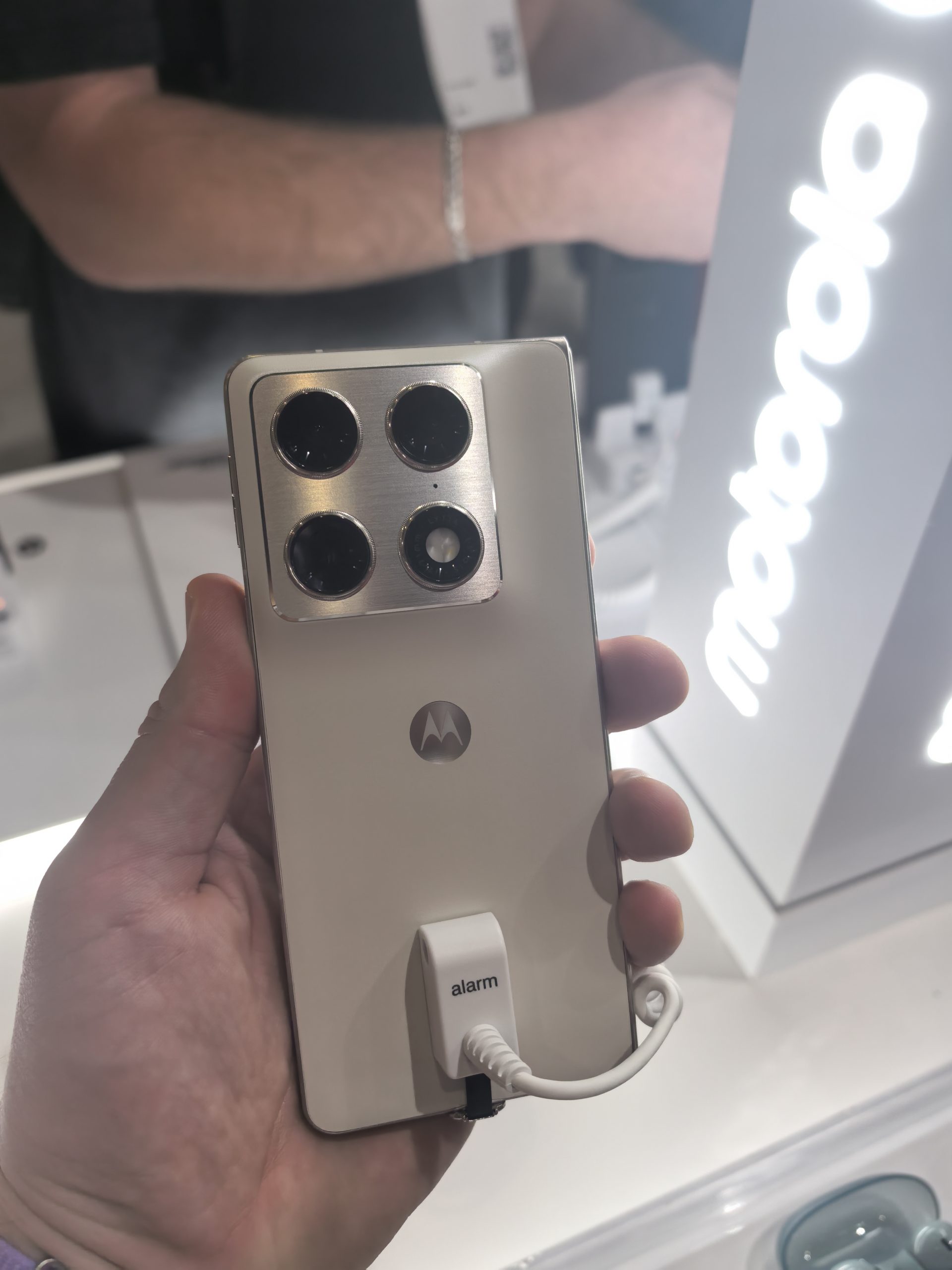
In addition to the software news, Motorola also unveiled a few devices in Barcelona that caught the attention of visitors. Among the highlights is the Motorola Razr Fold, the brand's first foldable phone that combines modern design with photography capabilities, while the new Moto Buds 2 Plus and Moto Buds 2 represent a refreshed line of wireless headphones with improved sound, ANC and Bluetooth 6.0 support, as well as UI features for noise cancellation and real-time translation.
The future will be diverse
I learned that the future of technology is moving in several directions. Artificial intelligence is increasingly moving from the cloud directly to devices, privacy is becoming a selling point, foldable devices are maturing, and networks are getting even faster.
Although there is a feeling among consumers that technology has become boring (especially in the field of telephony), I think we are all wrong. There is a lot going on. And although each upgrade seems minimal, even this minimalism can bring evolution over the course of two or more generations.