

Share with others:

Xiaomi Pad 8 and Pad 8 Pro: does Xiaomi want to replace your laptop?

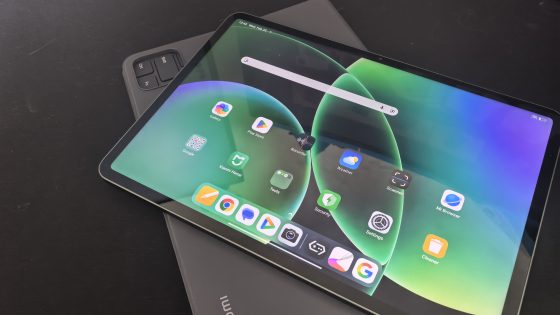
With the Pad 8 series, Xiaomi is clearly no longer targeting just users who use their tablet for Netflix, browsing, and occasional typing. The new Xiaomi Pad 8 and Pad 8 Pro are designed as productivity devices that want to become part of a serious work environment. Maybe even replace an average laptop. Which is even feasible considering their specifications and the fact that you also get a keyboard and a stylus with your purchase. Add a mouse and you're using an 11-inch laptop instead of a tablet.
In recent years, the tablet market has been divided: on one side is Apple with its professionally positioned iPad Pro, and on the other side are Android tablets, which have often remained secondary devices. Xiaomi is trying to fill this space with the Pad 8 - laptop-level performance, but in a lighter and more affordable form.
It all starts with the screen
Both models feature an 11.2-inch (28.5 cm) 3.2K display with a 144 Hz refresh rate and up to 800 nits of brightness. This combination is not just marketing.
3.2K resolution means high pixel density, which is crucial when working with text, spreadsheets or graphics. Even when playing games and watching movies or series, you want the screen to be able to display the high resolution that we are now used to. 144 Hz refresh rate ensures smoother window movement and less eye strain when working for a long time. 800 nits brightness allows use even in brighter rooms or outdoors, although not directly in the sun.
A special version of the Pro model with nano-textured, matte glass reduces reflections and improves the feel of writing with the pen. This is a detail aimed directly at creatives - illustrators, architects, designers.
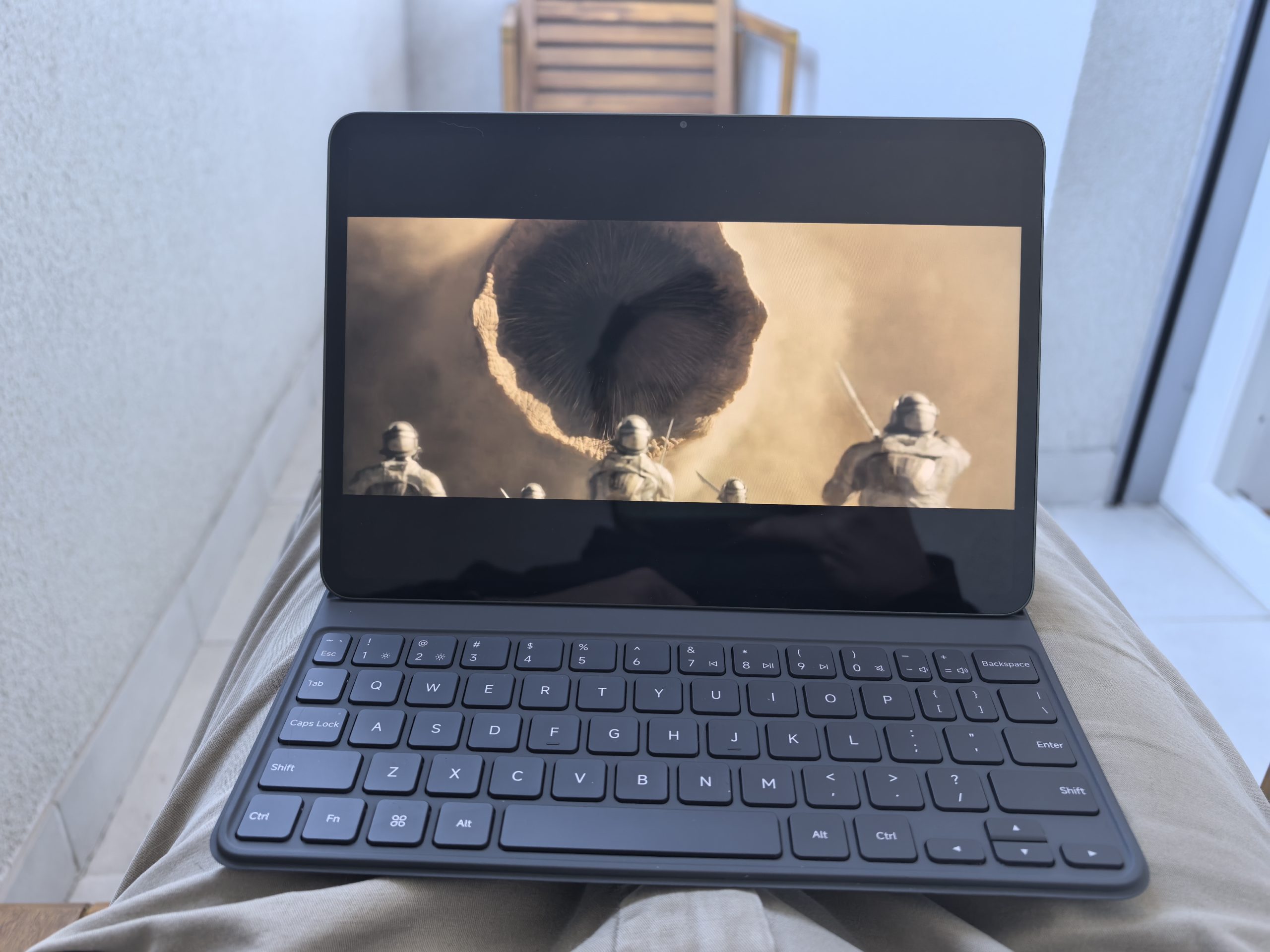
Relatively light and thin, great for working on the go
The tablets measure just 5.75 mm thick and weigh 485 grams, making them lighter than most lightweight laptops and comparable to higher-end tablets.
Despite their thin bodies, they include a 9200 mAh battery, which is important for users who spend their day in meetings, lectures, or on the go.
HyperOS 3 can simulate the working environment we are used to on Windows and Mac
The biggest difference between an entertainment tablet and a work tablet is not in the hardware, but in the operating system. The Xiaomi Pad 8 runs HyperOS 3, which introduces several features typical of computers.
The 5:5 split screen allows you to work equally well in two applications, while the 1:9 layout allows for additional window management. This means better flexibility when working with multiple documents at once.
Workstation mode allows you to save apps for quick access. A PC-level browser with floating previews and right-click support shows that Xiaomi is targeting users of web platforms - from CMSs to project tools.
WPS Office (Docs, Slides, Sheets, PDF) allows you to create documents locally without additional subscriptions, which is important for students and small businesses.
Two different philosophies in performance
Xiaomi Mi Pad 8 Pro
The Pro model is powered by the Snapdragon 8 Elite, which means superior processing and graphics performance. Xiaomi claims 81 % higher processing and 103 % higher graphics performance compared to the previous generation.
This means better performance when multitasking, graphic designing, video editing, or playing demanding games.
67W fast charging allows you to quickly get back to work.
Xiaomi Mi Pad 8
The standard model uses the fourth-generation Snapdragon 8s. With 32 % higher CPU and 67 % higher graphics performance (compared to the previous generation), it is suitable for most productivity scenarios.
45W charging is a bit slower, but still above average.
The camera is less important, but not negligible
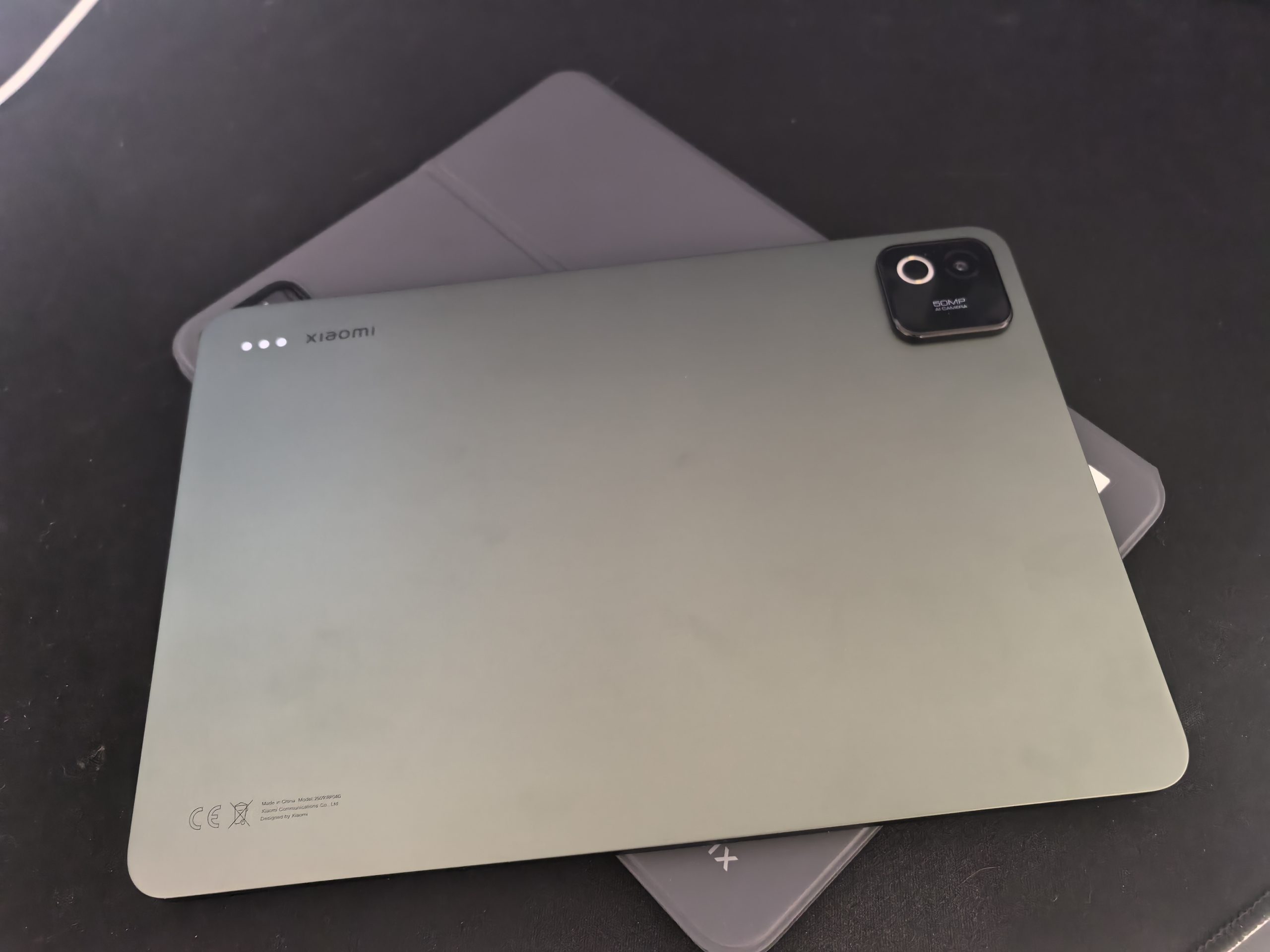
The Pad 8 Pro has a 50MP rear camera and a 32MP front camera. This means that if you're going to use the tablet for video conferencing, you can expect better resolution than the standard cameras you get on laptops.
The Pad 8 has a 13 MP rear and 8 MP front camera, which is enough for basic needs.
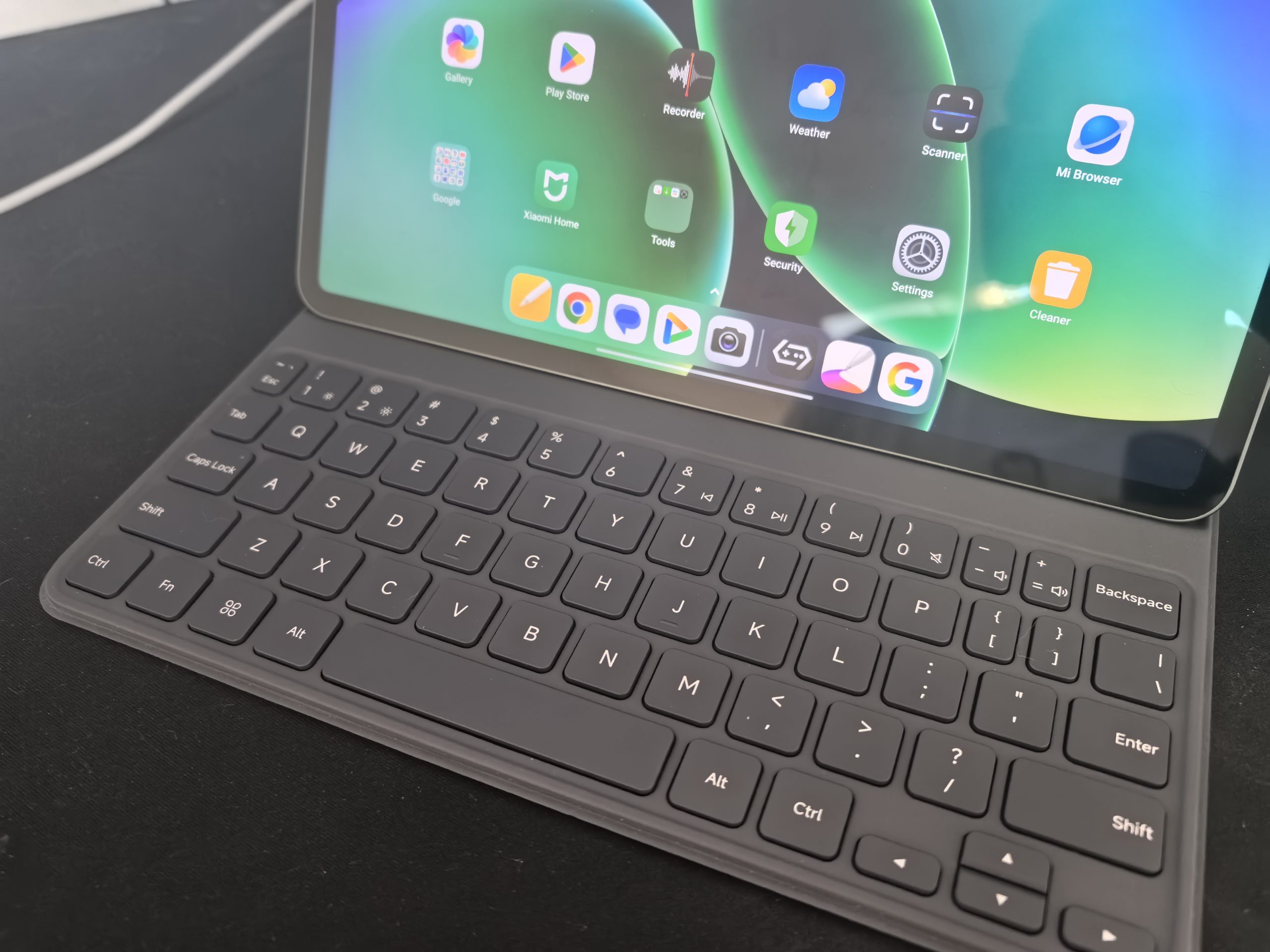
A keyboard is almost mandatory for serious work, but a pen is for creatives
The Focus Pen Pro weighs 17.5g and supports pressure and gesture sensing. The keyboard (€129) and stylus (€99) complement the working experience well.
And the price for the Xiaomi Pad 8 (Pro)?
The Pad 8 Pro (8 + 256 GB) costs €629, and the Pad 8 (8 + 256 GB) costs €499.
With this, Xiaomi is targeting users who want more than a classic Android tablet, but don't want to invest in the most expensive segment.
Can an Android tablet really replace a laptop?
Technically speaking, in many scenarios, yes.
The question remains, however, about long-term software optimization and support for professional applications.
The Xiaomi Pad 8 is probably the company's most serious attempt to position the tablet as a primary work device. Whether that will be enough for users remains to be seen.