

Share with others:

Meta introduces its own line of cheaper smart glasses
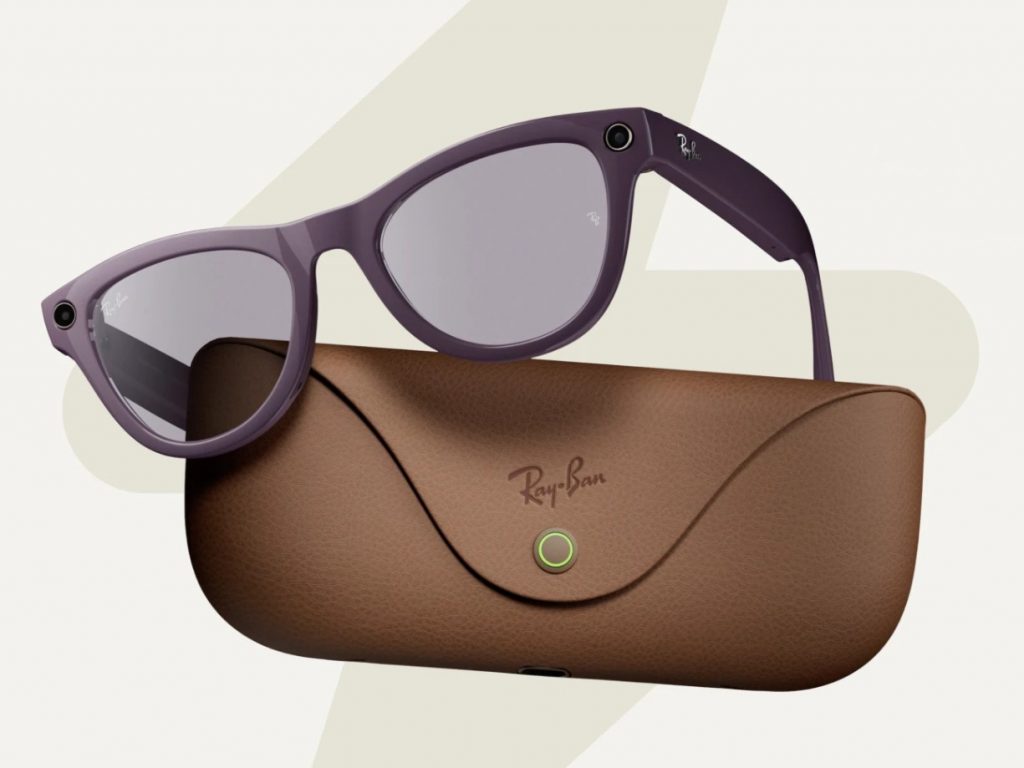
Meta is entering a new design battle in the wearable technology space, which is becoming a new “front” in the artificial intelligence race, with a new line of devices. The biggest change consumers will notice is affordability. The new glasses will start at around €299, which is significantly less than the latest Ray-Ban models, which start at €379. Andrew Bosworth, Meta’s CTO, explained that affordability is key to reaching different segments of the market, in addition to design and style.
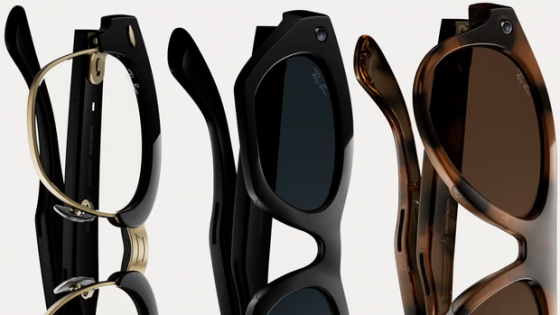
This step marks a partial departure from previous models, which were developed in collaboration with EssilorLuxottica (owner of the Ray-Ban and Oakley brands). However, some collaboration remains, especially in the production of lenses, and Meta will continue to sell the previous models. The new glasses come in three stylish versions: the smaller Adventurer frame, the larger and round Fury, and the oval Meta Glasses by Kylie model, designed by Kylie Jenner. The latter model features a special sound when put on, and the standard AI voice can be replaced with a version based on the real voice of the aforementioned celebrity.
All three versions can play music, translate languages, and answer questions about the environment using built-in cameras. All of this is powered by a new model of artificial intelligence, Muse Spark, which is better at recognizing details in photos and remembering the user's personal preferences. In testing, the glasses successfully estimated the calories in a bowl of strawberries, translated a sign from Arabic to English, and suggested nearby museums.
Despite these features, it is worth maintaining some skepticism, as these scenarios are very similar to those that are capable of existing smart glasses, so doubters are unlikely to be immediately convinced. Analysts warn that technology companies still have a hard time proving that such devices are more useful than smartphones. Nevertheless, market analyses predict a drop in the average price of smart glasses from 376 euros in 2026 to about 229 euros by 2030, which could greatly increase their popularity.
In addition to the price, privacy issues remain a challenge, as there have been cases of unauthorized recording of people and posting the footage on social media in the past. Meta solves this with an LED light that clearly signals that recording is taking place and without which the camera will not work. However, since Meta's AI assistant is currently less popular than its competitors (only 14 percent of American adults use it, while ChatGPT uses 44 percent and Gemini 24 percent), the glasses will be key to the greater success of their digital assistant. However, if people do not accept the glasses, the design team is already thinking about other ways to offer this technology to those who do not want to wear glasses at all.