

Share with others:

Sennheiser solves one of the biggest problems with wireless headphones
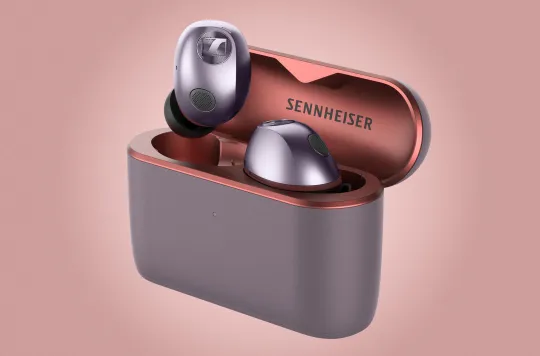
Wireless headphones have a fairly predictable life cycle. The electronics may work flawlessly, but after a few years, the battery loses a lot of its capacity, and replacing it is often so complicated that it is easier to buy a new pair. Sennheiser wants to change that with its new Momentum True Wireless 5 headphones, which allow users to replace the batteries in both the headphones and the charging case themselves. The procedure is said to require a small screwdriver and a spare battery - no cutting of glue or complex disassembly.
This design is still quite rare in small wireless headphones. One reason is space, as manufacturers often glue components together to keep the body as small as possible. Sennheiser joins a handful of manufacturers, such as Fairphone, that allow the user to actually replace the battery. The decision also coincides with European rules that encourage the design of devices where portable batteries can be more easily removed and replaced.
The Momentum True Wireless 5 isn't just interesting for its repairability. The battery life has been increased from a maximum of 7.5 to 12 hours on a single charge, and with the slimmer charging case, it should reach up to 40 hours. The case also supports Qi wireless charging. The ear tips and adaptive active noise cancellation system have been redesigned, and Dolby Atmos and head-tracking surround sound have been added.
Sennheiser has also added Bluetooth 6.0 and a “robust mode” for a more stable connection in environments with a lot of wireless interference. The Momentum True Wireless 5 will be available for $299.95 starting September 3, the same starting price as the previous model. They will be available in five metallic shades: graphite, cream, lavender purple, copper, and denim blue.
This time, the biggest upgrade may not be the sound quality at all. If it's possible to replace a dead battery in just a few minutes after a few years, the Momentum True Wireless 5 could last much longer than most wireless headphones today.