

Share with others:

The first electric car with a sodium-ion battery

China's auto industry has taken a major step in the development of electric vehicles with the introduction of the first mass-produced car using a sodium-ion battery. The new technology is incorporated into the Changan Nevo A06, a collaboration between automaker Changan and battery company CATL.
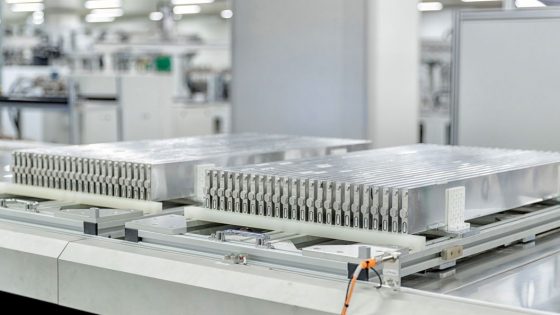
The electric vehicle uses a Naxtra battery pack with a capacity of 45 kWh. According to available data, the car can travel approximately 400 km on a single charge, which places it among electric vehicles with a moderate range.
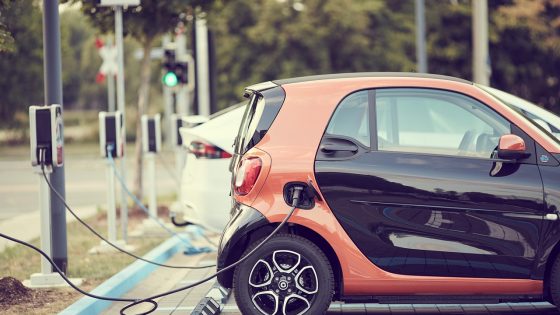
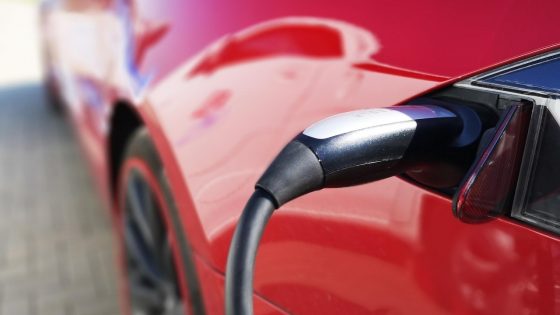
One of the key features of the new battery is fast charging. The system allows the battery to be charged to 80 % in about 15 minutes. This actually significantly reduces charging times compared to many older solutions for electric vehicles.
Sodium-ion batteries are becoming an interesting alternative to lithium-ion batteries. Sodium is a much more abundant element in nature, so using this technology could reduce production costs and dependence on limited lithium supplies.
Another important advantage of the new technology is its ability to operate at very low temperatures. The battery can retain most of its capacity even at temperatures down to −40 °C. At −30 °C, it can provide approximately three times the discharge capacity of some lithium iron phosphate batteries, which are often used in electric vehicles.
Despite their many advantages, sodium-ion batteries currently have a slightly lower energy density than some lithium-ion solutions. However, technological developments and improvements in manufacturing are gradually increasing their applicability in electric vehicles.
The launch of the Nevo A06 suggests that a combination of different battery technologies could exist in the future. Manufacturers could choose between sodium-ion and lithium-ion batteries based on cost, climate conditions and the needs of the individual vehicle.