

Share with others:

The right to repair in the EU will not apply to all devices

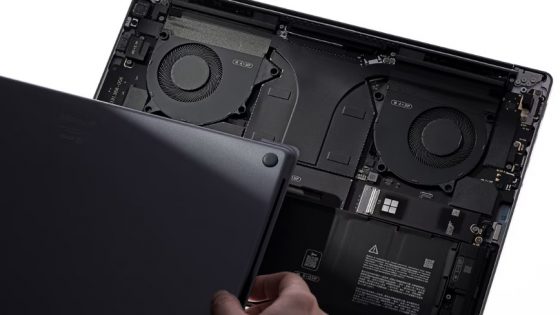
The European Commission has been shaping the future of consumer electronics for some time now with the introduction of the “right to repair”. The main goal of this initiative is, of course, to force manufacturers to design their devices in a way that makes repairs easier and more accessible. One of the key milestones will come on February 18, 2027, when smartphones and tablets will have to be designed in such a way that users can replace their batteries without the use of special tools. At the same time, manufacturers will have to ensure an uninterrupted supply of replacement batteries for at least five years after purchase.
These strict measures have already started to show results in the market. Nintendo is reportedly preparing a new revision for its upcoming Switch 2 console. Even Apple's next-generation Pencil is said to offer easier battery replacement.
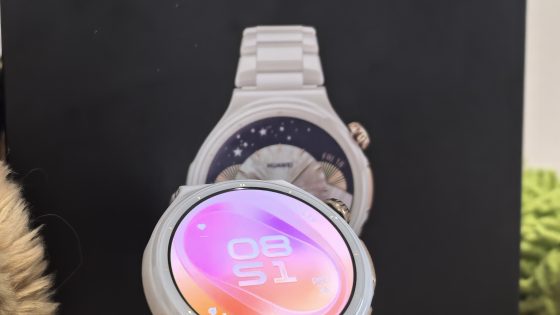
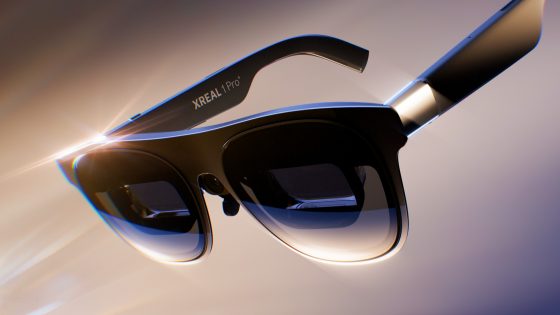
However, the European Commission has now taken a cold shower and officially introduced an exception into the legislation. This exception completely exempts electric toys and the entire category of wearable devices from the new rules. These include smartwatches, fitness bands and smart glasses in particular. In practice, this means that devices such as the Apple Watch, Fitbit Air fitness bands and Ray-Ban Meta smart glasses will continue to be able to use batteries that are practically irreplaceable for the end user.
The European Commission stressed that this decision was not made under pressure from lobbying by technology companies. According to them, opening and repairing such small and tightly packaged devices by end users would pose too great a security risk, making such home repairs unrealistic.
While safety concerns about extremely small batteries may be justified, this decision rightly leaves a bit of a bad taste in the mouth among consumers. Manufacturers now have no real “incentive” to invest in developing more environmentally friendly and modular designs for wearable technology. As a result, devices like the Google Pixel Watch 4, which focus on easier repairability, will likely remain the rare exception on the market.