

Share with others:

Huawei blew up the watch on your wrist, the tablet in your backpack, and the headphones in your ear in one day

There are events where a company introduces one product and hopes it will be loud enough to drown out the competition. And there are events where a company brings almost an entire ecosystem onto the stage at once, hoping that it is this density of innovation that will be remembered.
Huawei chose the latter path at its European Innovation Showcase in Munich. In less than an hour, three generations of smartwatches, a revamped tablet, and a new series of wireless headphones were displayed on one stage. A lineup that at first glance appears to be a simple update to last year's catalog, but upon closer inspection reveals a company that is trying to transform the wrist into something much more than just a notification display.
The common thread of the event was clear: outdoor sports, health as measurable data, and technology that accompanies the user even where the GPS signal has long since given up, on a ski slope under a pile of snow or in the middle of a sharp bend on a cycling climb.
Huawei Watch GT 7: where mountaineering meets elegance
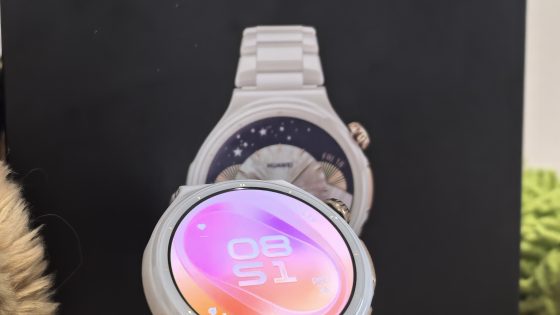
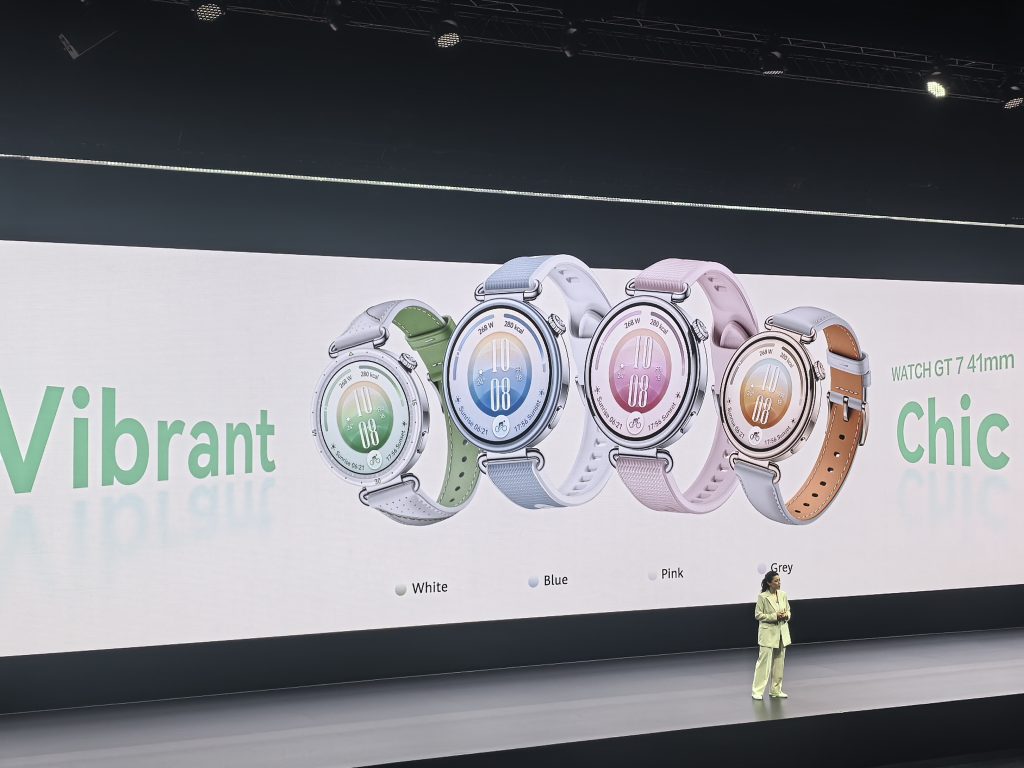
The focus of the presentation was the series HUAWEI WATCH GT 7, which Huawei positions as the next generation of sports smartwatch. A device designed for both intensive outdoor training and everyday wear in the office. The base model GT 7 is available in two case sizes, 46 and 41 millimeters, and buyers can choose from eight color variants, including yellow, blue and pink.
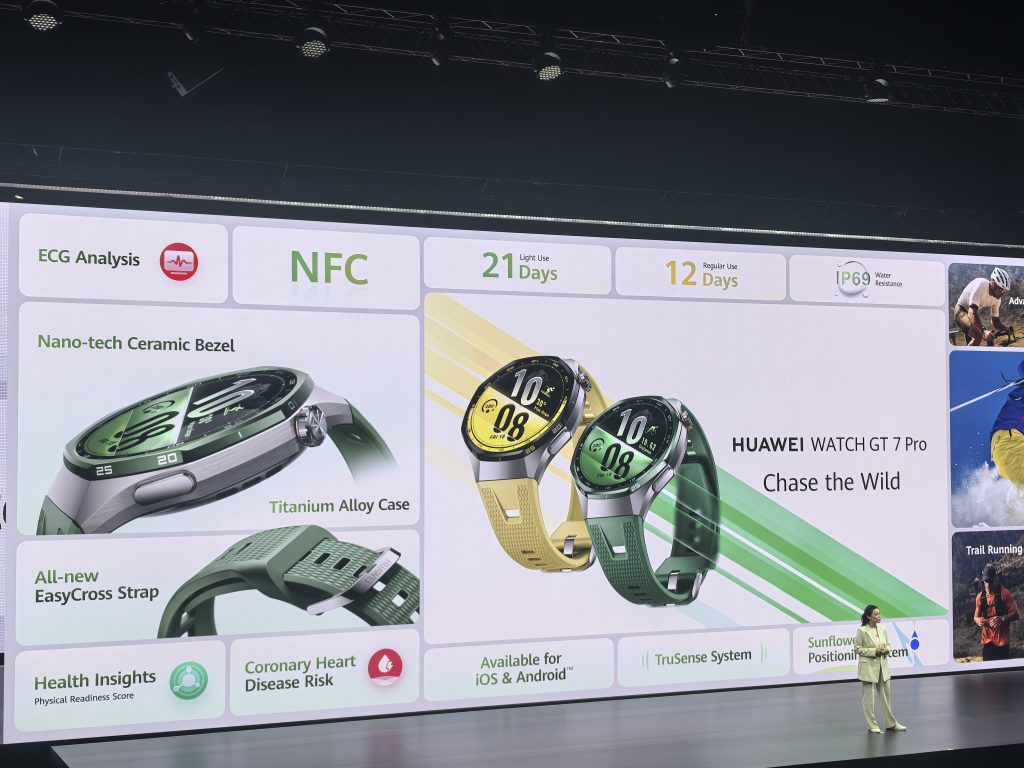
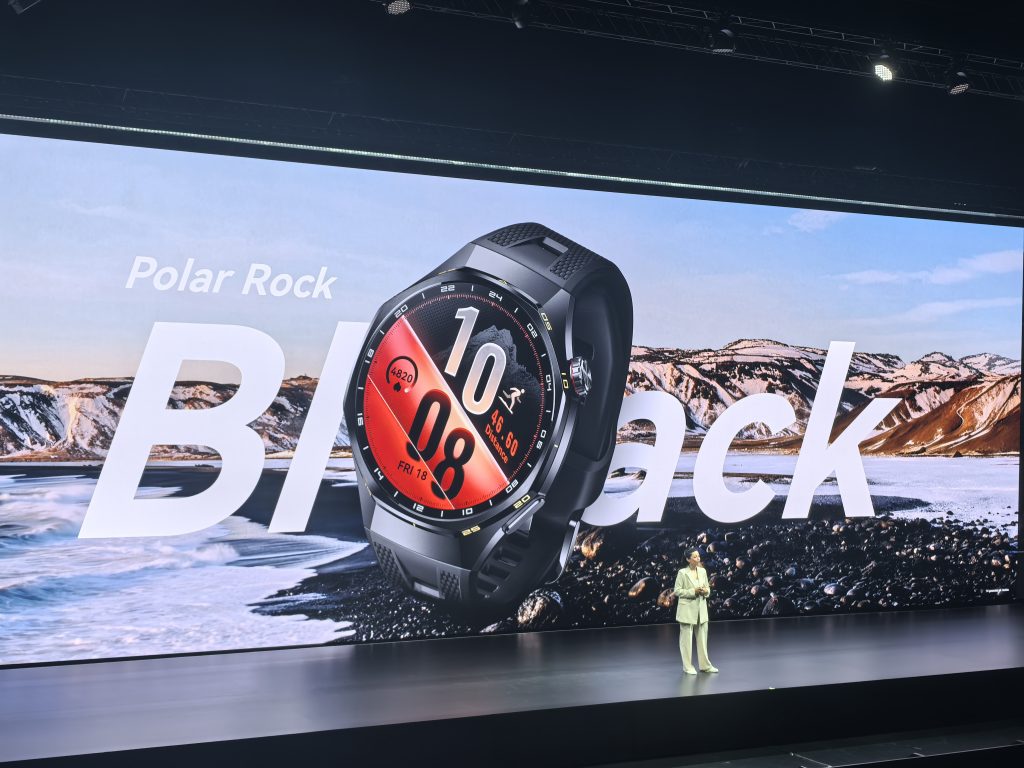
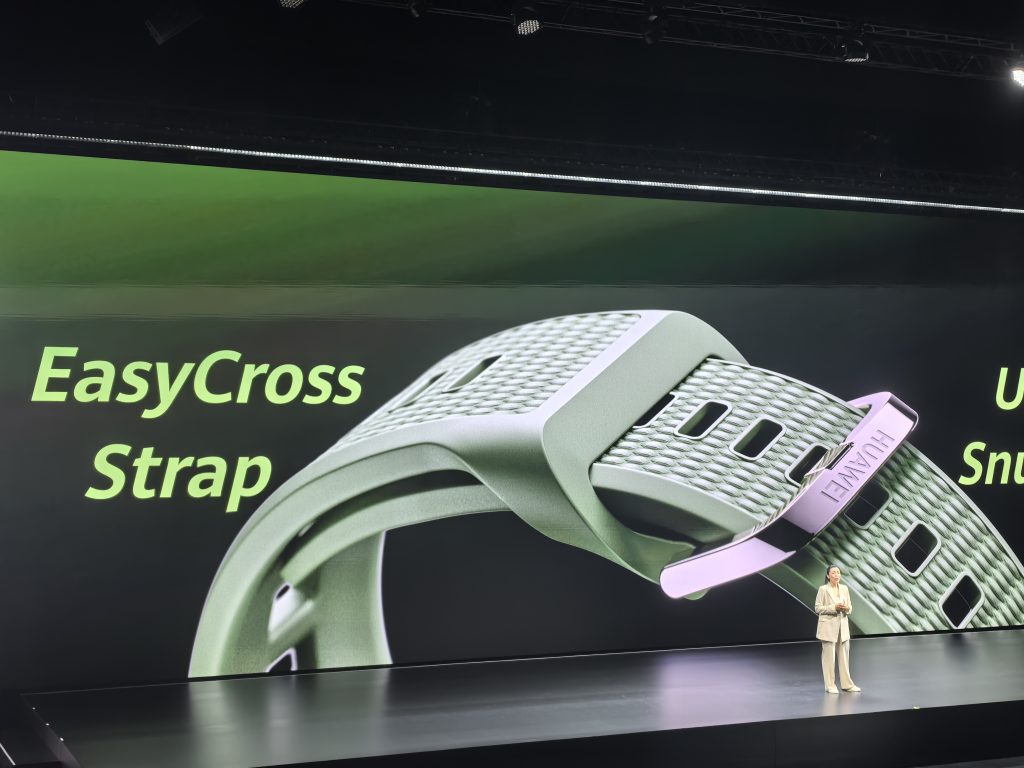
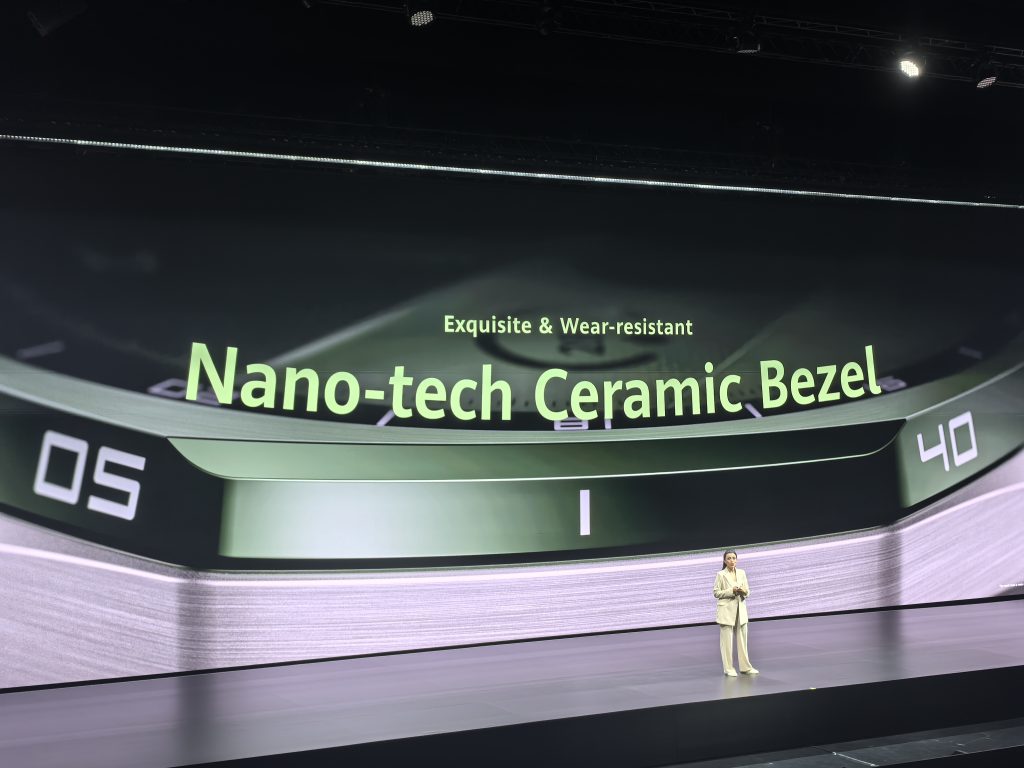
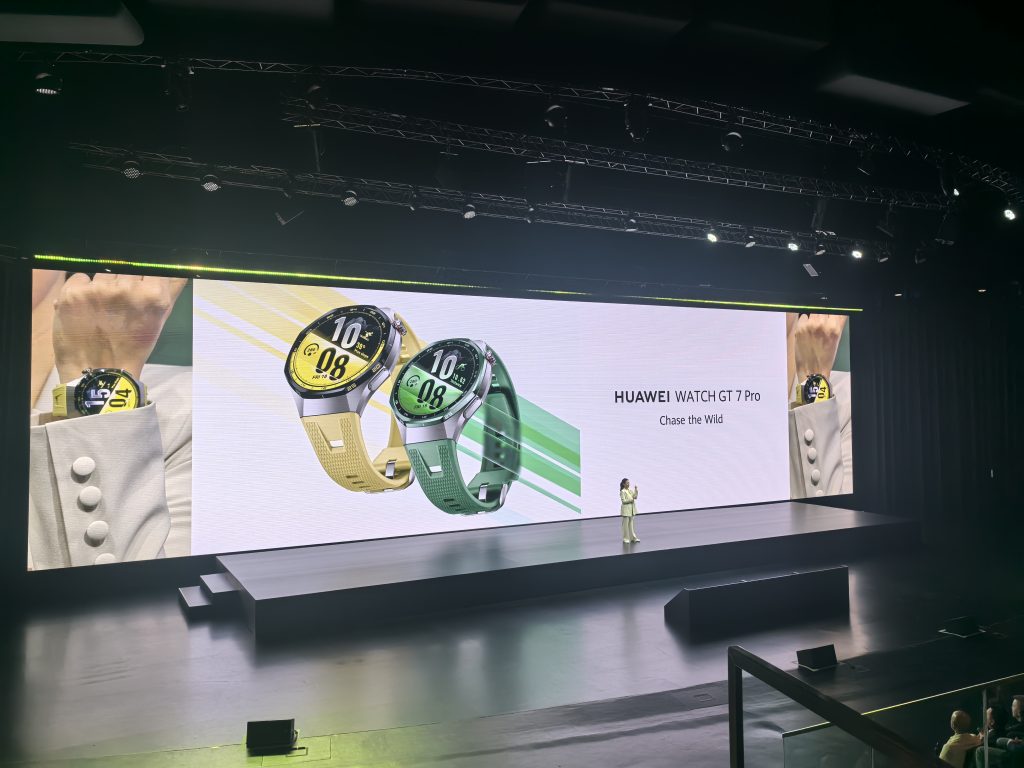
More powerful WATCH GT 7 Pro takes the materials a step further. The frame consists of a nano-ceramic frame with a durable, scratch-resistant surface and a titanium alloy core, which should provide the device with both durability and a premium feel. It is complemented by a fluoroelastomer strap with a new EasyCross fastening system, which should ensure a secure fit both during everyday use and during more demanding physical activity. The Pro version is available in three colors: yellow, green and black.
When a watch becomes a ski instructor
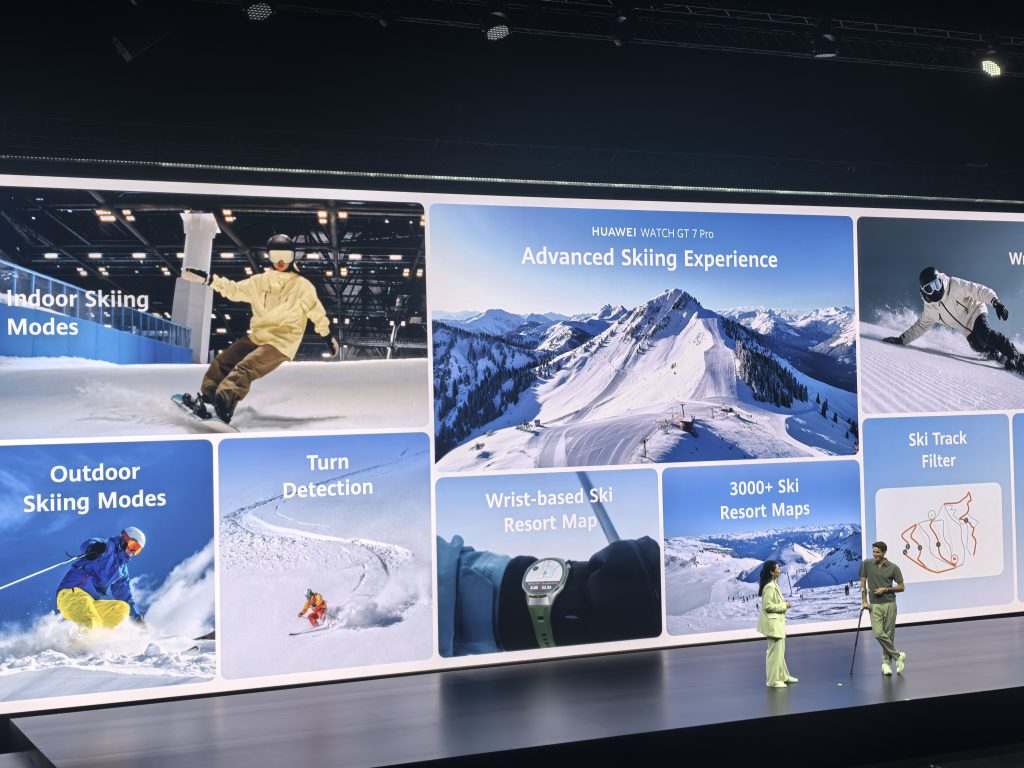
The most notable set of innovations in the GT 7 series revolves around winter sports, where Huawei has introduced features that we have not seen on smartwatches before. The new watch introduces a mode for the first time indoor skiing — that is, on artificial ski slopes and in ski halls — which practically extends the season for adrenaline lovers on the snow to the whole year, regardless of geographical location or weather conditions. It is interesting how the watch achieves this. Using a multi-sensor array, it automatically recognizes whether it is skiing or snowboarding, and it monitors the active training time by recording small changes in body position and altitude. In other words, completely independent of the GPS signal, which is often absent in covered facilities and deep valleys. The system intelligently separates actual descents from rest or time spent on chairlifts and moving belts (so-called magic carpets), so that periods of inactivity are not included in the statistics.
For open ski resorts, Huawei has prepared a collection of maps for more than 3,000 ski resorts around the world, which the user can download via the Huawei Health application and then synchronize with the watch in an instant. The maps clearly show the difficulty level of individual slopes, which helps beginners avoid unwanted slips on too difficult slopes, while more experienced skiers and snowboarders can plan their routes more precisely and review their performance in individual sections. On the slopes, the watch records the entire course of the descent and the route, and a new feature is the turn detection function, which counts short and medium to long turns based on the calculated turning radius. This is joined by G-force detection, which calculates and displays the centrifugal force acting on the body during sharp turns, which is supposed to help skiers and snowboarders perfect their technique based on concrete, measurable data. The final piece in the mosaic of winter features is Team-Up, a tool that allows you to monitor the location and performance of teammates in real time on the slope itself, bringing an additional level of safety and connection to group snow trips.
Cycling climbs with a background algorithm
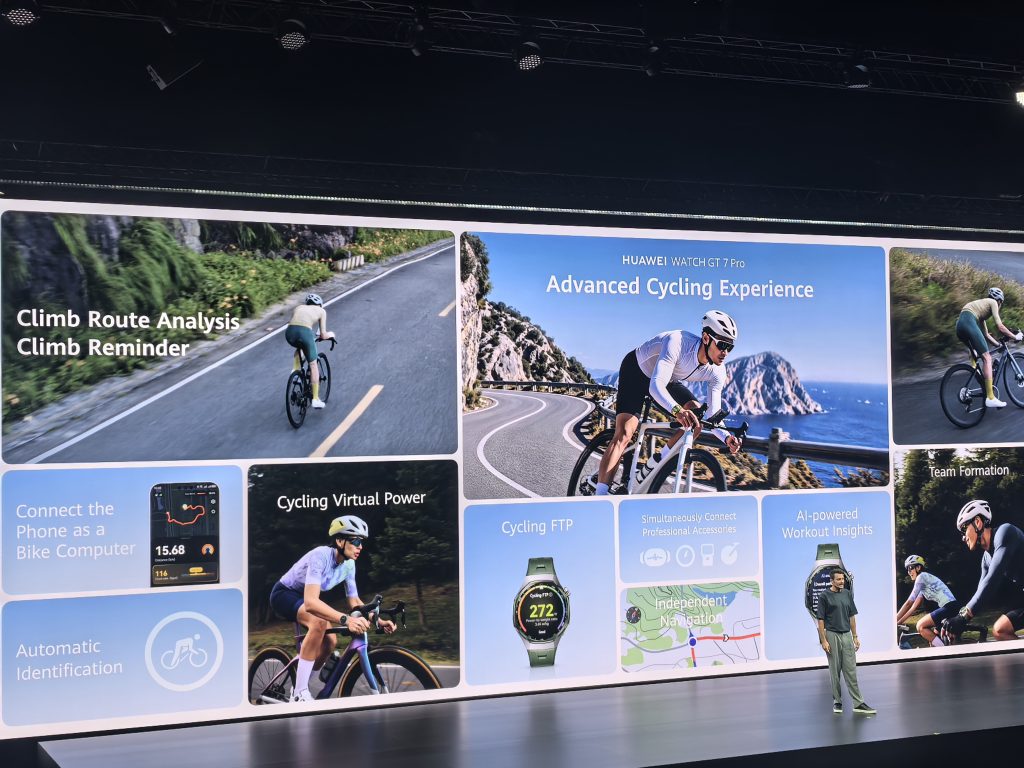
Huawei has taken a similarly in-depth approach to cycling. The new mode introduces Climb Planning, which creates a detailed profile of upcoming climbs before a ride, allowing riders to strategically allocate power before they even get on the bike. During the climb, Climb Broadcast provides real-time information on the gradient of the route and the remaining distance to the top, while the sharp bend warning feature proactively warns riders with haptic and voice signals if they are approaching them too quickly. After the ride, AI Workout Analysis comes to the fore, providing quantified training data and a detailed overview, with the aim of helping riders improve performance without falling into overtraining.
The body as a data point: health tailored to the morning
In addition to sports features, Huawei is also upgrading the health part of the ecosystem. The updated Health Insights feature now includes a comprehensive morning health check, a personal fitness assessment, and AI-powered health analysis. All of this is intended to provide the user with clearer and more useful recommendations for daily well-being. Behind this upgrade is the Physical Readiness 2.0 feature, which combines data on sleep quality, heart rate variability (HRV), emotional state, and active calories burned. Based on this data, it categorizes the body's daily recovery into five levels, providing the user with a data-driven, intuitive insight into how ready the body is for the new day every morning.
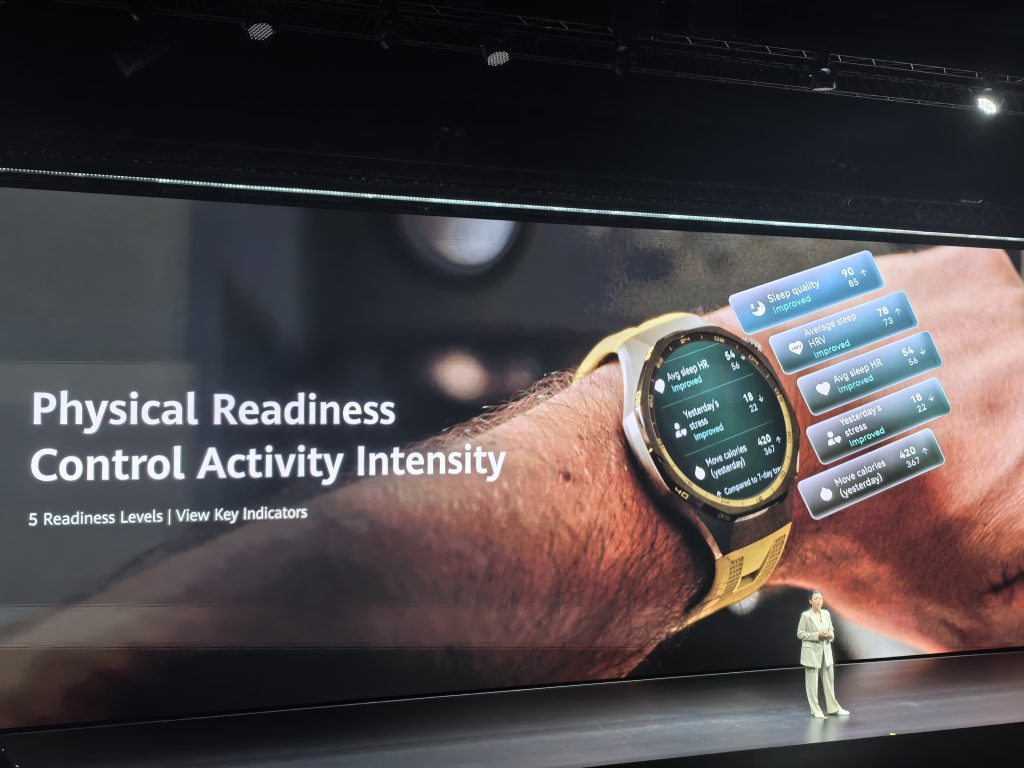


Huawei consistently warns that the device is not intended for medical use and that all data and results are for informational purposes only. They should not be used as a basis for diagnosis or treatment.
Endurance that lasts weeks, not days
To keep up with the continuous activity, Huawei is introducing high-silicon batteries in a stacked design for the GT 7 series. The 46mm GT 7 Pro and GT 7 are said to last up to 21 days on a single charge under light use, according to Huawei’s labs, while the smaller 41mm model can last up to 14 days. As is typical with such claims, actual battery life will vary depending on the individual device, usage habits and environmental factors.
The GT 7 Series also brings contactless payments via Curve Pay, which is currently available in more than twenty European countries, including Slovenia. The watch is compatible with both iOS and Android devices, expanding the range of potential users regardless of which mobile ecosystem they are loyal to.
Every GT 7 Series buyer also receives access to the Huawei MultiPass package upon purchase, which includes a three-month Huawei Health+ membership and up to 90 days of free premium membership to a carefully selected set of sports and wellness apps — komoot, Headspace, Naviki, FIIT and Kotcha.
Together, these apps are designed to form a complete digital ecosystem, from interactive home workouts to training planning to outdoor navigation, cycling GPS and running analytics. For added peace of mind, the Worry-Free Care package includes two years of screen protection, two years of battery protection and two years of back cover protection, plus one month of free access to a premium selection of watch faces.
Huawei Watch 6: the return of the all-round star after a year-long hiatus
After a one-year hiatus, the versatile flagship series HUAWEI WATCH 6 is also returning to the stage. The basic models focus on a lightweight design for comfortable everyday wear and come in sizes of 46 and 41 millimeters, while the Pro version offers more prestigious materials and sophisticated craftsmanship in sizes of 46 and 43 millimeters. In addition to a refreshed, more thoughtful design and advanced workout modes, the watch supports independent calling, navigation and payment, i.e. functions that make the watch useful even without a phone in your pocket. In the health area, Huawei has upgraded the Health Glance functions for a quick overview of key body signs, Health Insights for in-depth analysis and Healthy Living for healthy lifestyle recommendations, which should make proactive management of your own health more intuitive than ever before.
Huawei Watch D3: wrist pressure certified with medical seal
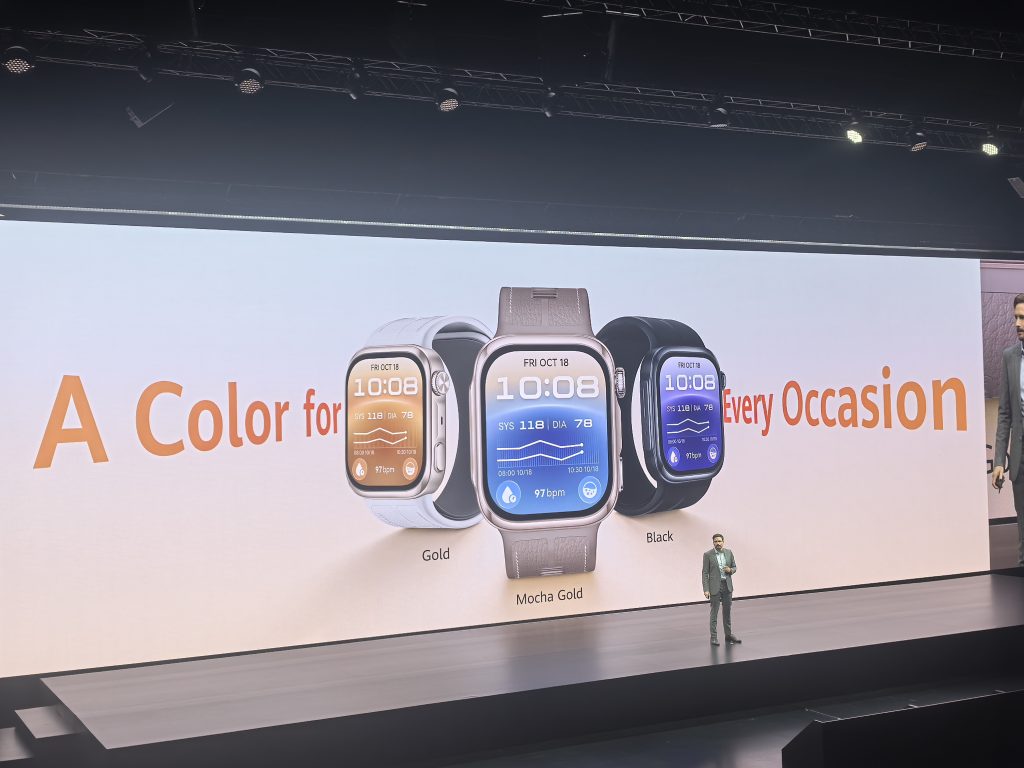
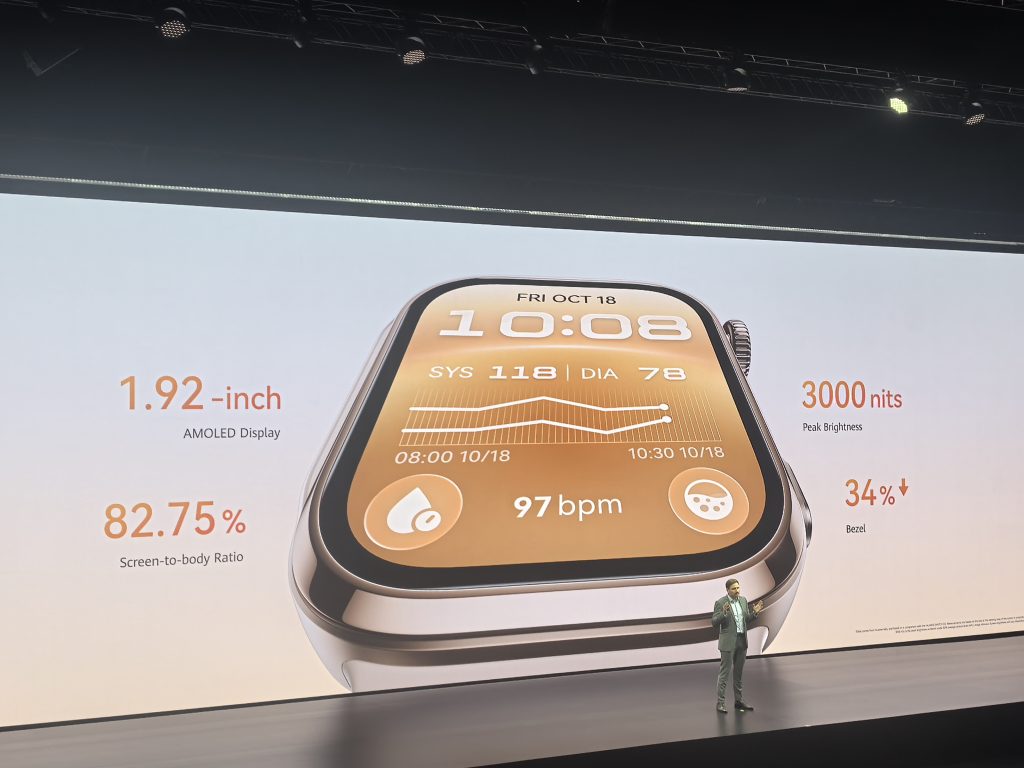
Among the more niche but strategically important launches of the day is the HUAWEI WATCH D3. The next generation of blood pressure monitoring watches has received European CE-MDR medical certification. This is a significant milestone, as the device fully supports ambulatory blood pressure measurement (ABPM) using a physical inflatable cuff built into the strap itself — an approach that is significantly different from the purely optical pressure assessments offered by many competing smartwatches. The new version also supports blood pressure measurement before and after exercise, and is accompanied by smart reminders for regular measurements. For Huawei, this marks a significant step forward in the field of digital wearable health devices, positioning the device somewhere at the intersection of consumer electronics and medical equipment.
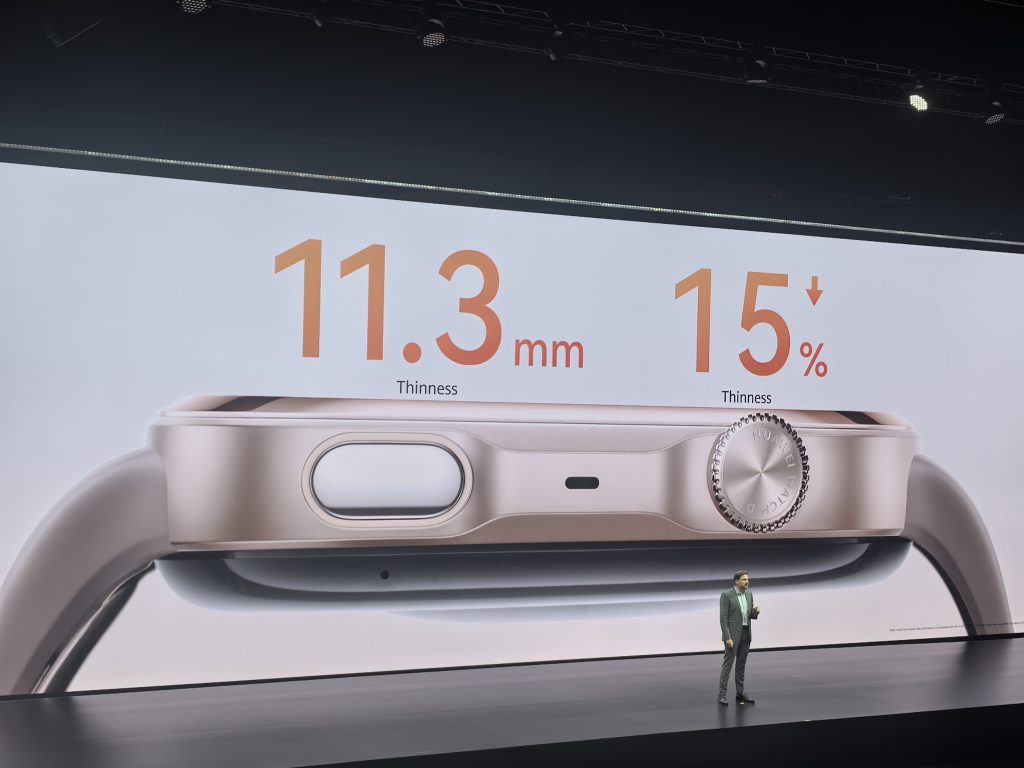
MatePad Pro 12: so thin you almost forget you're carrying it with you
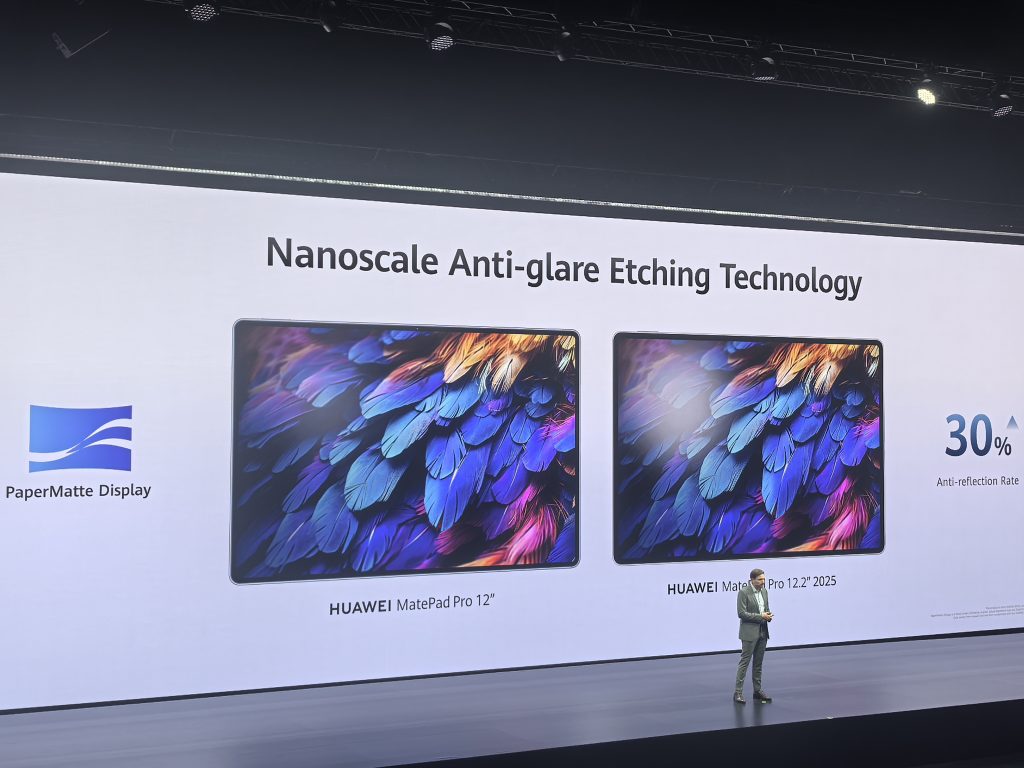
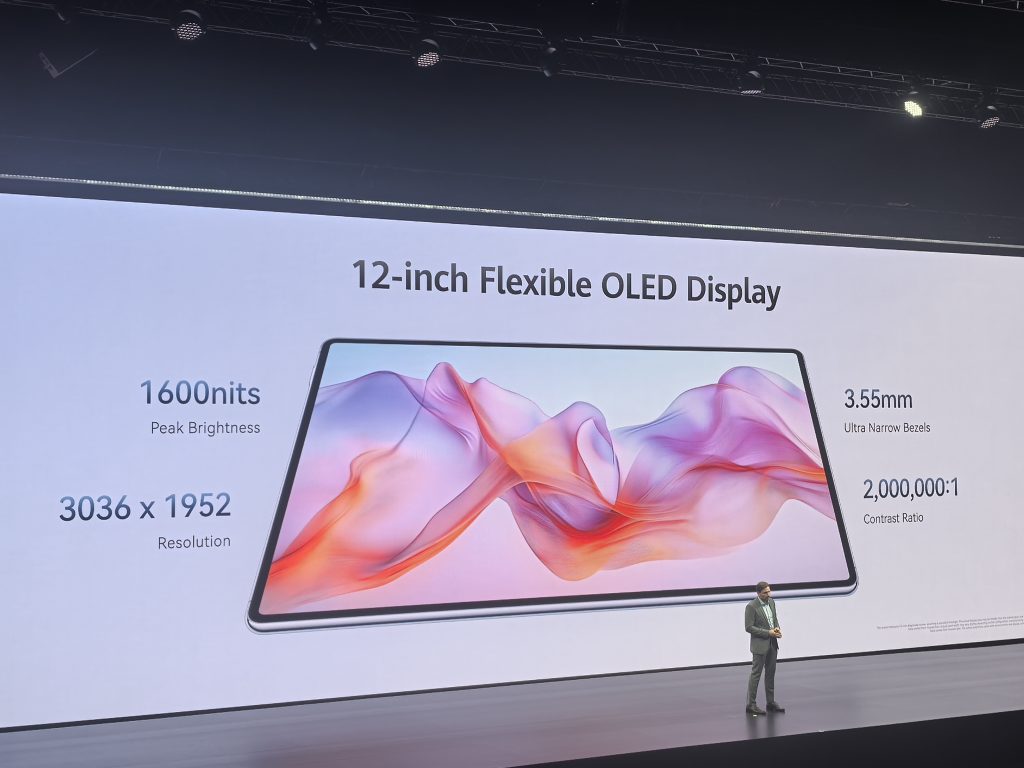
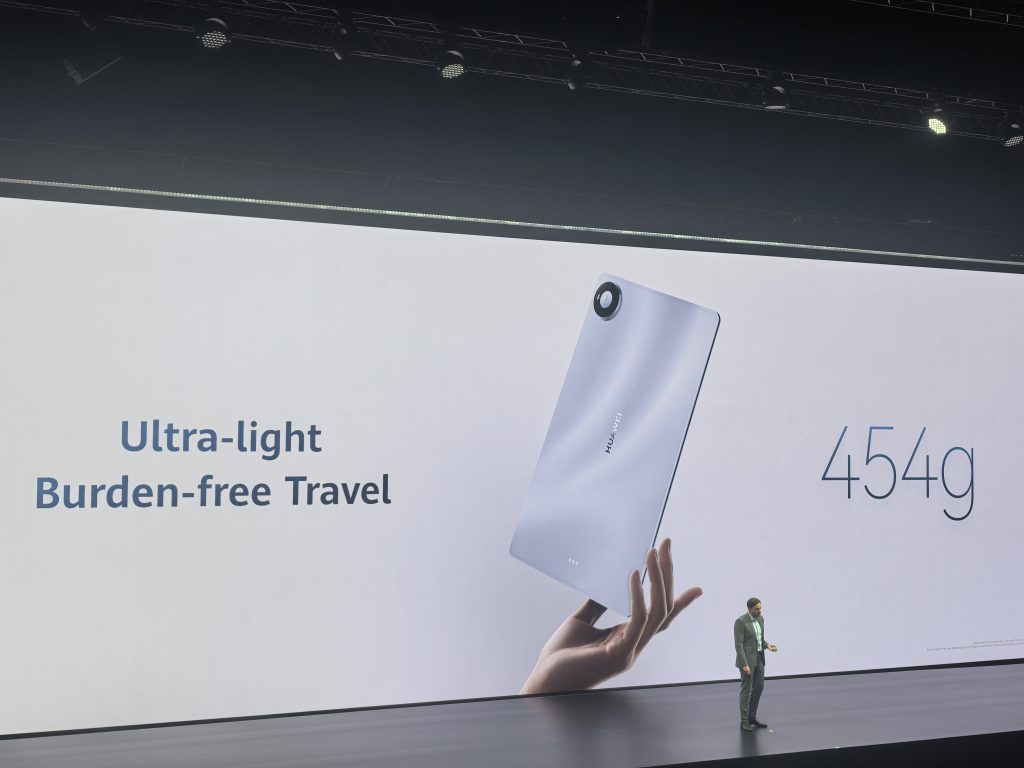
In the area of productivity and creativity, Huawei introduced HUAWEI MatePad Pro in the 12-inch version — a flagship tablet measuring just 4.7 millimeters thin and weighing 454 grams. At the heart of the device is a 12-inch flexible OLED display with a PaperMatte surface, which, combined with AI-powered inking enhancements and air pen gestures, allows users to create anywhere, anytime, without the need for additional keyboards or mice.
FreeBuds Neo: sound for every day
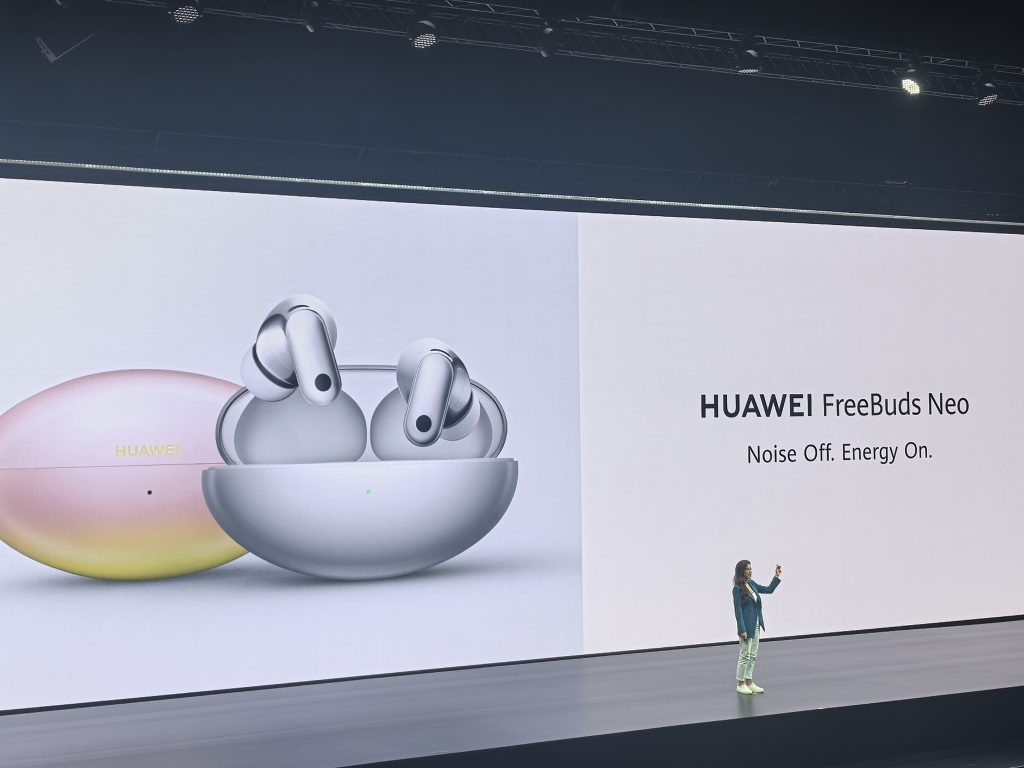
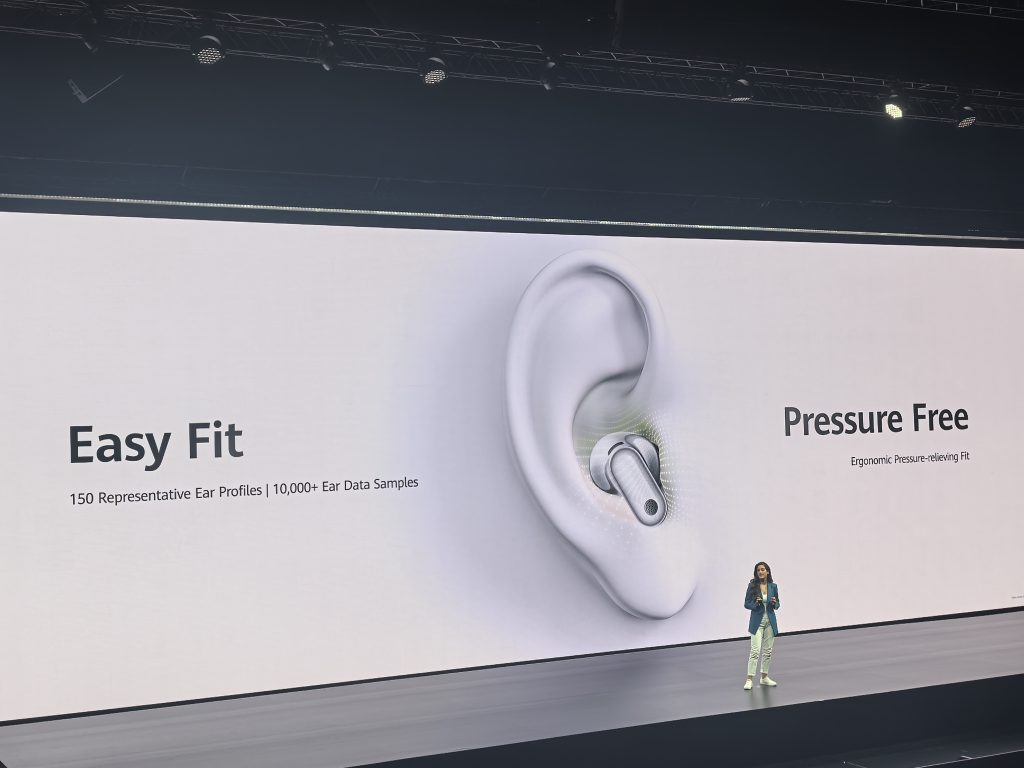
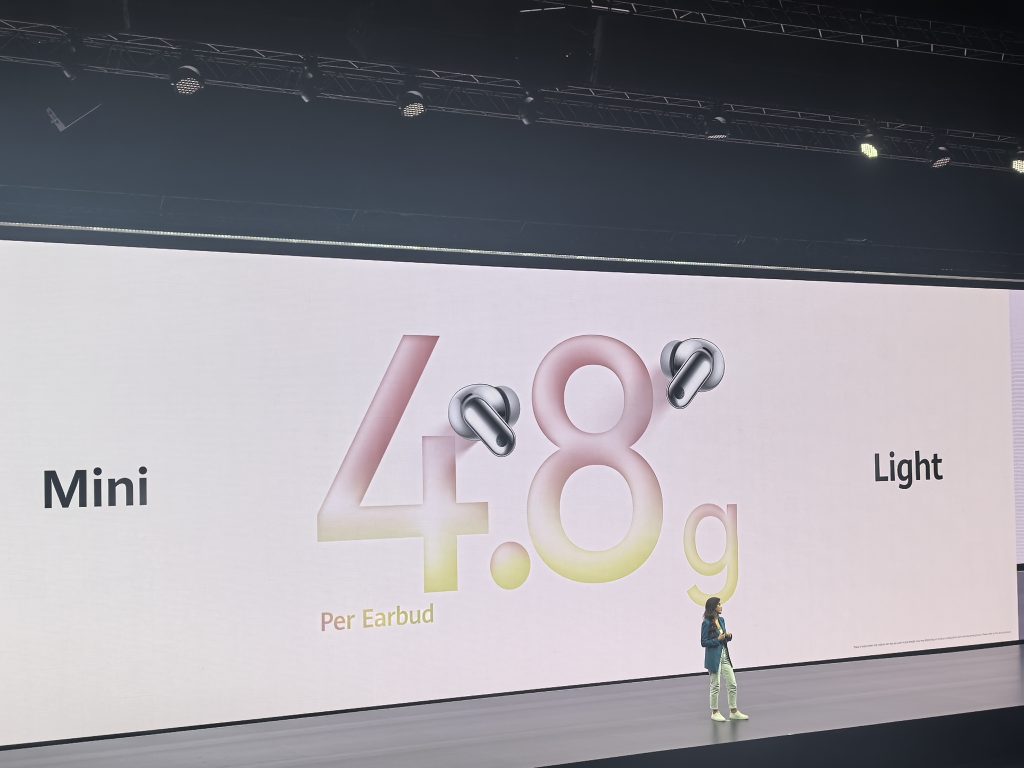
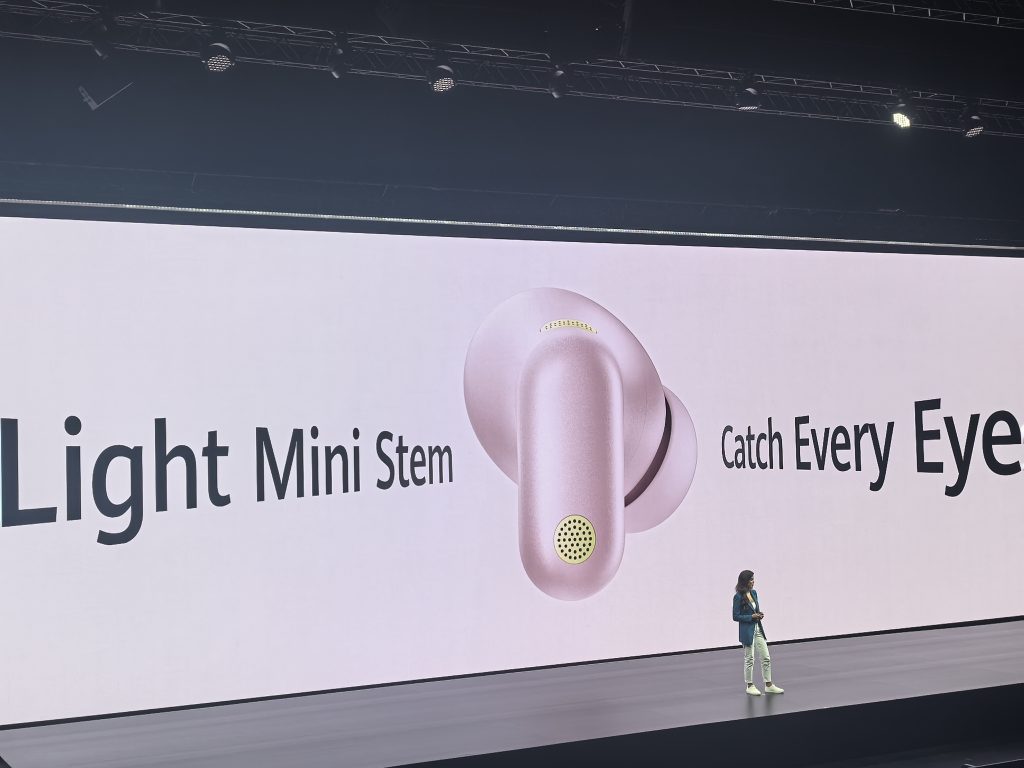
Rounding out the audio portfolio is the new HUAWEI FreeBuds Neo series of wireless headphones, designed by Huawei to suit modern, dynamic lifestyles. The company highlights a fresh, updated design and immersive audio experience that should make the headphones suitable for both everyday office use and training accompaniment.
Huawei at the top
The Munich launch did not take place in a vacuum. Huawei accompanied it by citing fresh market data. Research firm IDC recently published a report on the global wearables market for the first half of 2026, which shows that Huawei continues to lead the global wearables market, securing the number one spot in terms of unit shipments with a market share of more than 20-%.
Prices and availability
The HUAWEI WATCH GT 7 series will be on sale from September 21, and suggested retail prices will start at 299 euros for the base GT 7 model, while the GT 7 Pro version will be available from 429 euros The HUAWEI WATCH 6 series will be priced between 449 and 679 euros, depending on the model and case size. HUAWEI WATCH D3 will be available for 469 euros, and the HUAWEI FreeBuds Neo wireless headphones will be the most affordable, at 129 euros.
An ecosystem instead of individual pieces
If there's one message to take away from the Munich launch, it's this: Huawei is no longer just selling individual devices, but an interconnected ecosystem in which a smartwatch knows which ski slope you're on, a tablet understands handwriting, and headphones provide the soundtrack to all of this. Whether the market will embrace this with the same enthusiasm as the launch itself will be determined by sales after September 21st, but given the company's current market share, Huawei is entering this test with an extremely strong starting position.