

Share with others:

Xiaomi Leica Leitzphone test – is it the best camera phone or just the more expensive Xiaomi 17 Ultra?

What did Leica and Xiaomi do? They took the Xiaomi 17 Ultra, which is still among the three best camera phones in my opinion, and added Leica's brains and sense of photography to it. In recent years, Xiaomi has repeatedly prepared a special model for photography, but in the form of purchasing accessories with which you could improve the photography experience. This year is the first time that they have made a completely separate phone with Leica, with which they have been working for many years (ever since Huawei cut ties with them) – the Xiaomi Leica Leitzphone. The word Leitzphone bears the surname of the family (Leitz) that founded the legendary company.
If there's a Xiaomi 17 Ultra under all that glitter, how similar will the results be? What exactly has Leica changed to justify the phone's higher price (almost €300)?
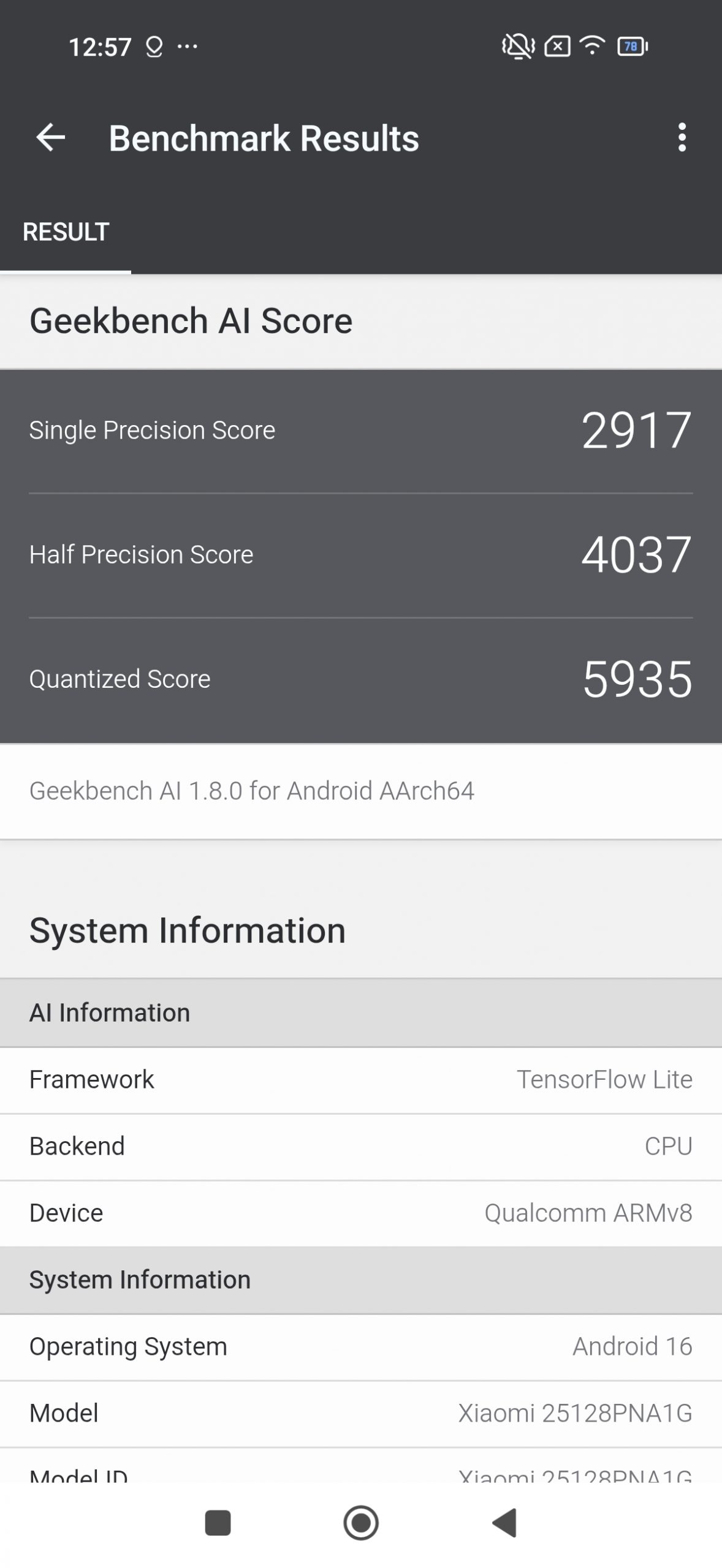
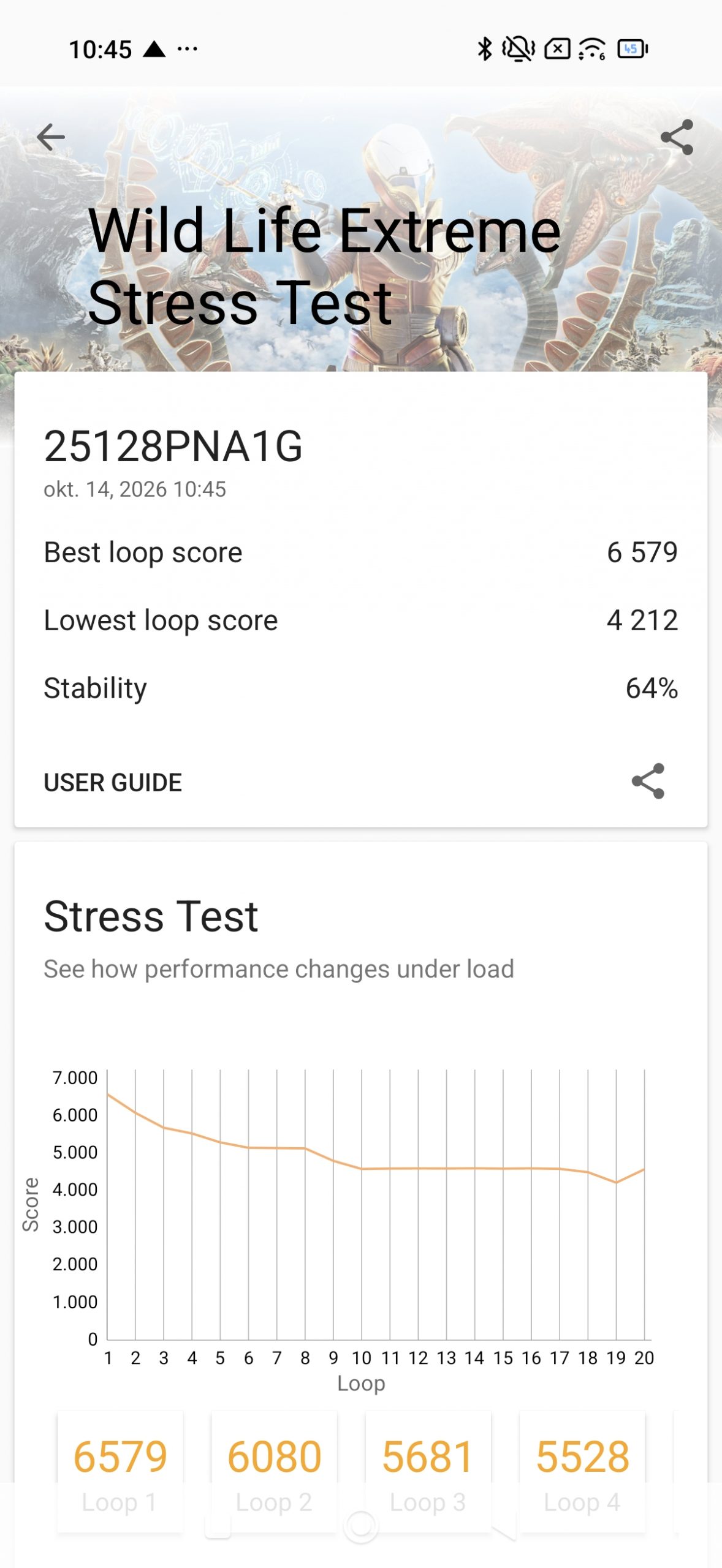
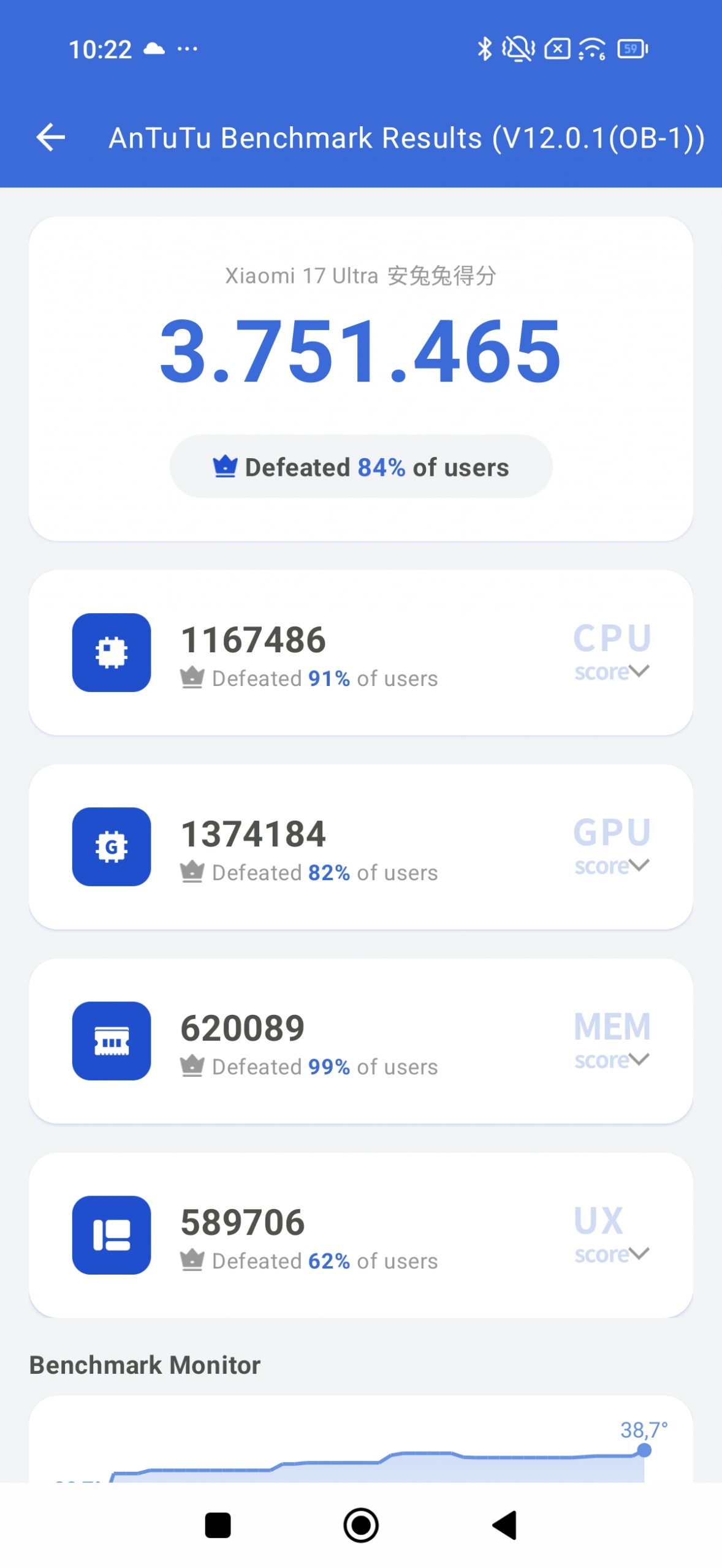
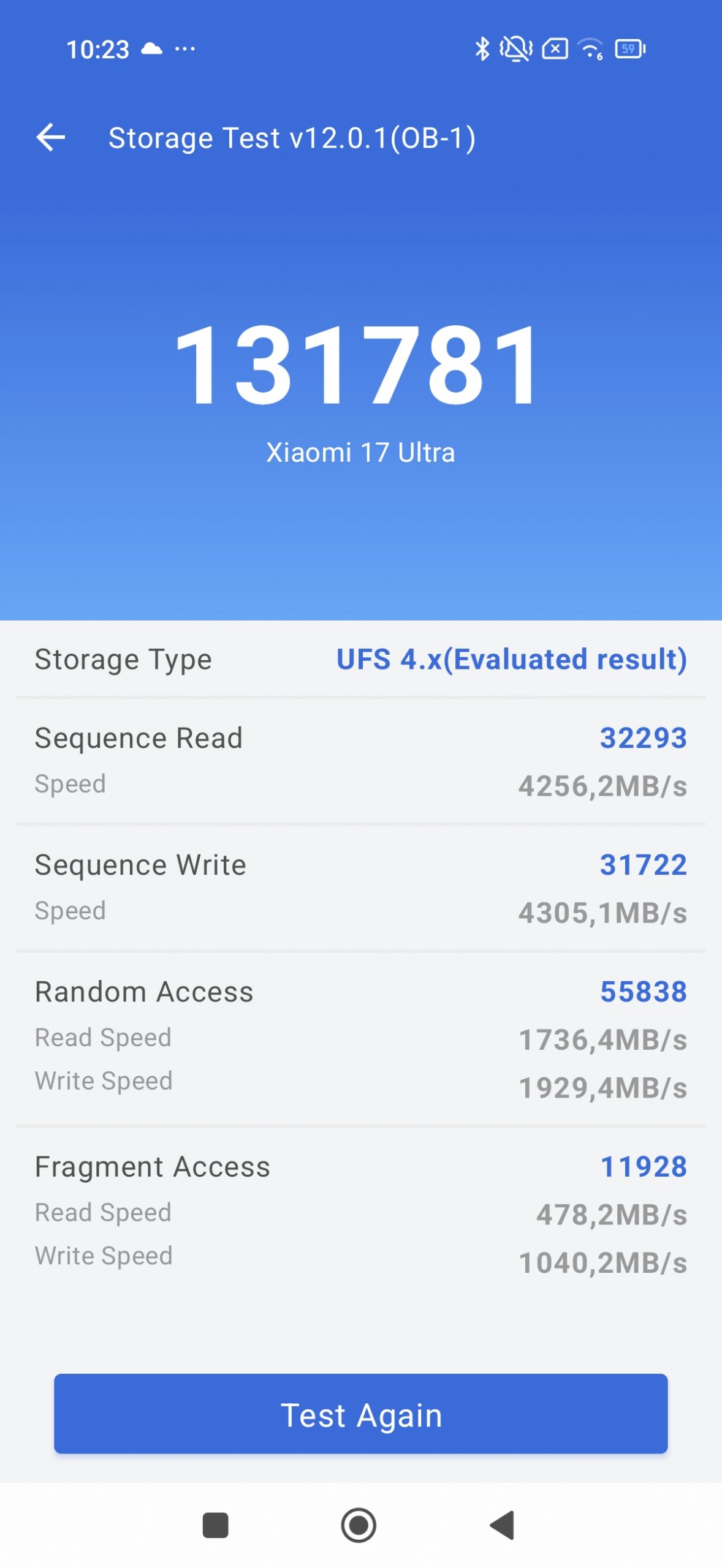
I won't go into too much detail about the phone's build, chip performance, etc. It's mostly the same as the Xiaomi 17 Ultra, so you can find the information you want there.
| Advantages | Weaknesses |
| One of the best cameras on the market | €300 more expensive than the Xiaomi 17 Ultra |
| Handy ring to help with photography | The ring is slightly too sensitive |
| Leica Essential beautifully enhances photos | No dedicated night mode |
| Possibility to adjust the focal length between 75-100 mm | The battery is not among the most durable |
| Excellent workmanship and typical Leica look | |
| Excellent performance |
Xiaomi Leica Leitzphone Price and Specs?
The Xiaomi Leica Leitzphone is currently available for around €1500-1600 (€1999 at release), but its stock is very limited.
| Performance and display | |
|---|---|
| Processor | Snapdragon 8 Elite Gen 5 (3nm) |
| Graphics | Adreno |
| Memory | 16GB LPDDR5X, 1TB UFS 4.1 |
| Screen | 6.9″ LTPO OLED, 2608 × 1200 pixels |
| Cameras and video | |
| Main camera | 50 MP, Light Fusion 1050L, 1″ sensor, f/1.67, 23 mm, OIS, LOFIC |
| Telephoto lens | 200MP, Samsung HPE, 1/1.4″ sensor, f/2.39–f/2.96, 75–100mm, OIS |
| Ultra-wide-angle camera | 50MP, Samsung JN5, f/2.2, 14mm, 115° |
| Front camera | 50 MP, f/2.2, autofocus |
| Optical zoom | Variable focal length 75–100 mm (3.2×–4.3×) |
| Leica Camera Ring | Physical rotary ring for controlling photo settings |
| Videos | 8K/30 fps, 4K/120 fps, Dolby Vision, Log, ACES |
| Other specifications | |
| Battery | 6000mAh |
| Charging | 90 W wired, 50 W wireless |
| Connectivity | 5G, Wi-Fi 7, Bluetooth 6.0, NFC, USB-C |
| Operating system | Android, HyperOS 3 |
Xiaomi provided the technology, Leica provided the photographic experience
The collaboration between Xiaomi and Leica has been going on for generations. Initially most notable in optics, color profiles, and photography algorithms, it has become an important part of the development of Xiaomi's best cameras over time. The Leitzphone is the next step in this collaboration.
It's not a completely new phone. It's based on the Xiaomi 17 Ultra, to which Leica has added its own design, a different user interface, special shooting modes, and a mechanical control ring around the cameras. The Leitzphone doesn't have a better main sensor, a more powerful telephoto lens, or a new image processor. What was good about the Xiaomi 17 Ultra remains good here. The same goes for its limitations.
In the standard model, I praised the main 1-inch sensor, 200 MP telephoto lens and photographic character, which is quite different from the approach of most of its rivals. Xiaomi often allows slightly more pronounced shadows when processing photos and does not try to artificially lighten every dark corner. Leitzphone emphasizes this photographic philosophy. Its additional features are mainly intended for users who want more influence on the final look of the photo, without having to open Lightroom or another editor every time.
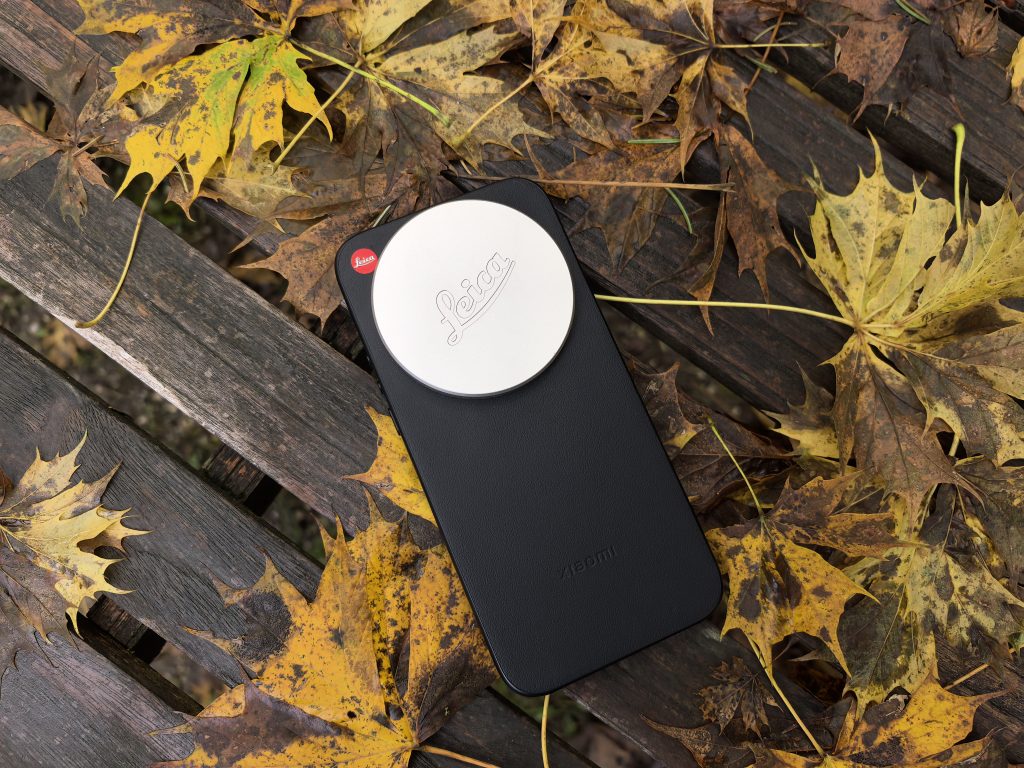
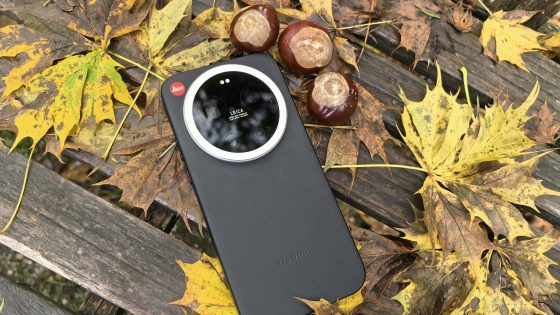
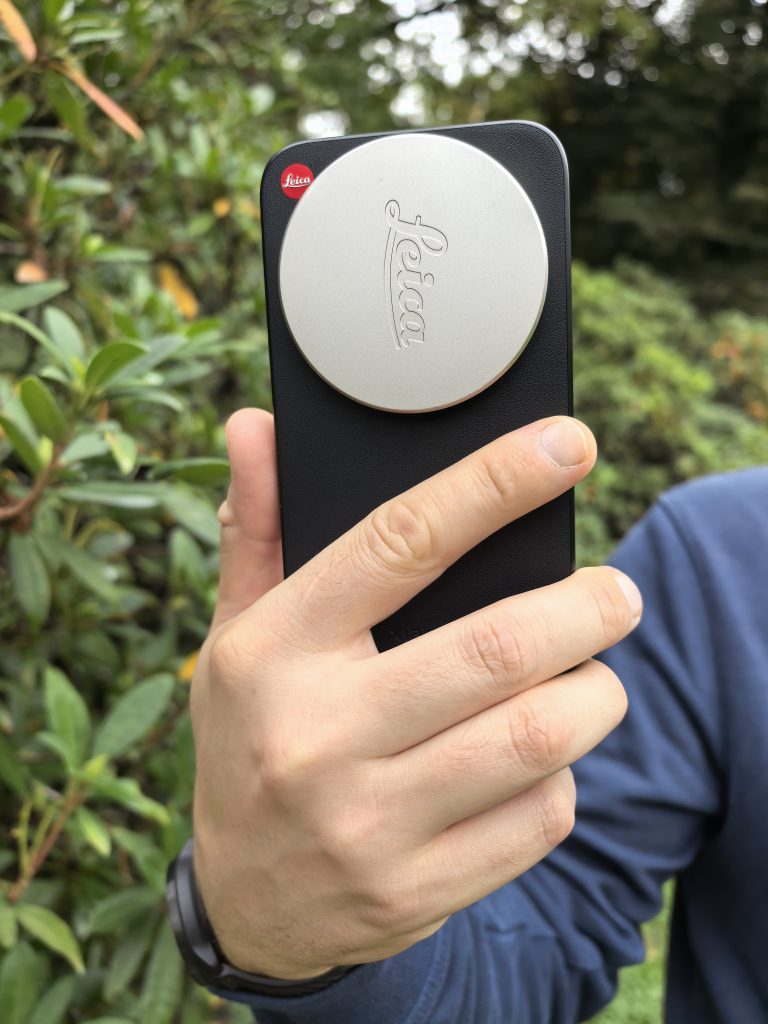
The Leitzphone is much more recognizable in terms of design than the Xiaomi 17 Ultra. The black back made of composite material with fiberglass, the silver metal frame with a ribbed surface, the inscription Leica Camera Germany and the famous red dot create a very different impression than the regular model. I especially like the fact that Leica did not try to make an overly flashy phone. The design is relatively restrained, if we consider the huge camera module on the back. It takes up a significant part of the upper part of the case, but at least you immediately get the feeling that you are holding a serious piece of photographic equipment in your hand.
The phone is huge. The 6.9-inch diagonal is a perfect fit for me, because every millimeter helps me when I'm doing anything serious on the phone (editing an article, preparing a post, playing games, editing a video, etc.). However, if you're not used to it, it won't necessarily be the most pleasant to use. Especially when taking photos, when you have to juggle holding the phone, framing, choosing the focal length, maybe even adjusting settings in RAW mode, if nothing else, at least the ISO value.
Among the accessories you also get a protective case, lens cap, wrist strap and cleaning cloth. There is no special kit (special case, shutter with built-in battery, etc.), as was available with the Xiaomi 14/15 Ultra, which is perhaps a shame, as it would have further diversified it and given it a special touch.
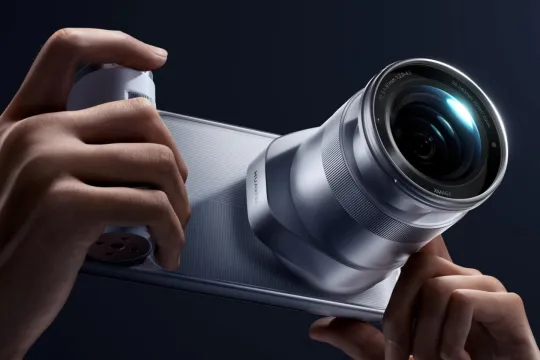
The only truly unique change is the rotating ring around the camera assembly.
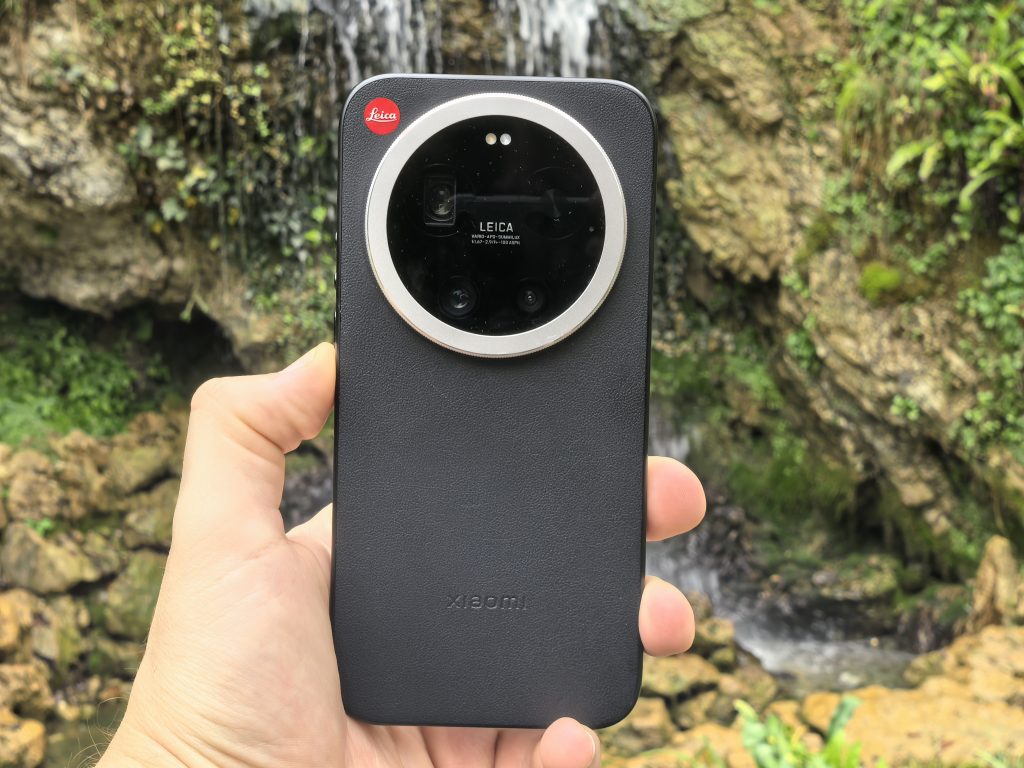
The rotary ring is useful, but it doesn't replace classic photographic controls
The Leica Camera Ring is a physical control ring that allows you to change certain settings while taking a photo. By default, it is used for zooming, but you can customize its operation. It can be used to select focal lengths, change exposure compensation, ISO value, shutter speed or photo filters. The set of functions depends on the selected shooting mode.
I understand the advantage of this control. On a regular phone, most settings are changed by touching the screen. For zooming, this means swiping on the dial or using two fingers, and for manual settings, it means finding individual sliders. The ring allows for a different, more direct way of controlling. I wouldn't mind if all manufacturers found their own, similar concept, if nothing else, at least for easier zoom adjustment.
I used the ring most of the time for zooming. First you have to figure out (in landscape and portrait mode) how to position your fingers so you don't accidentally cover a lens. Once you get the hang of it, it's hard to keep tapping the screen to adjust the zoom. It feels archaic, slow. If I wasn't using it for zooming, I was using it to adjust the exposure. When shooting against a strong light source, I was able to quickly reduce the exposure a bit to preserve more pronounced shadows or prevent the loss of bright details.









But the ring also has its limitations. Because it's large and relatively exposed, it can be moved unintentionally while holding the phone. This is least desirable when shooting events or street scenes, when you don't have time to check if you accidentally changed a setting. Rotating the ring also acts as a shortcut to turn on the camera, which is great if you do it intentionally, and less great if it turns on accidentally in your pocket.
It's also important to understand that the ring doesn't turn the entire photographic system into a mechanical one. It's a physical controller that relays commands to the electronics. The optical zoom of a telephoto lens remains limited to a range between 75 and 100mm.
Is this a useful feature? Absolutely. Does it produce better photos? Not necessarily. But it can allow the photographer to get to the desired setting more quickly.
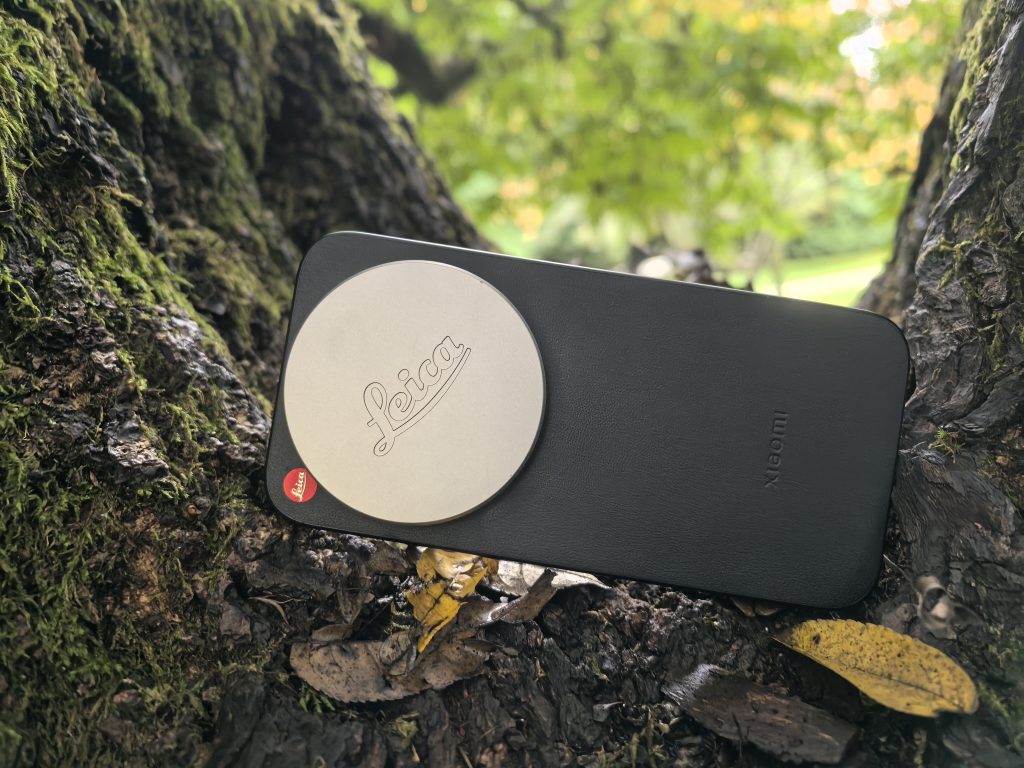
The Queen remains the Queen
The Leitzphone uses the same 50 MP Light Fusion 1050L main sensor in a 1-inch format as the Xiaomi 17 Ultra. In front of it is a lens with an equivalent focal length of 23 mm, an aperture of f/1.67 and optical stabilization. The large sensor is not only useful for capturing light. Its advantage is noticeable in tonal transitions, textures and natural separation of the subject from the background. For close-up subjects, we can get a pleasantly blurred background even without portrait mode and its software simulation of depth of field. When taking photos with the Xiaomi 17 Ultra, I noticed that the transitions between sharp and unsharp parts of the frame were often much more natural than on phones with smaller sensors.
The main camera's greatest advantage is seen in more demanding light. Photographing a dark building against a bright sky, an interior with strong window light sources, or a nighttime street with illuminated shop windows is still a big challenge for cameras. LOFIC is a technology that improves the sensor's ability to capture very bright parts of a scene. It allows for the storage of additional electrical charge before individual pixels reach their limit. The advantage is primarily in preserving information in bright parts of a photo. Classic HDR often combines several differently lit shots, which can cause problems with moving subjects. LOFIC enables a wider dynamic range at the level of a single shot.




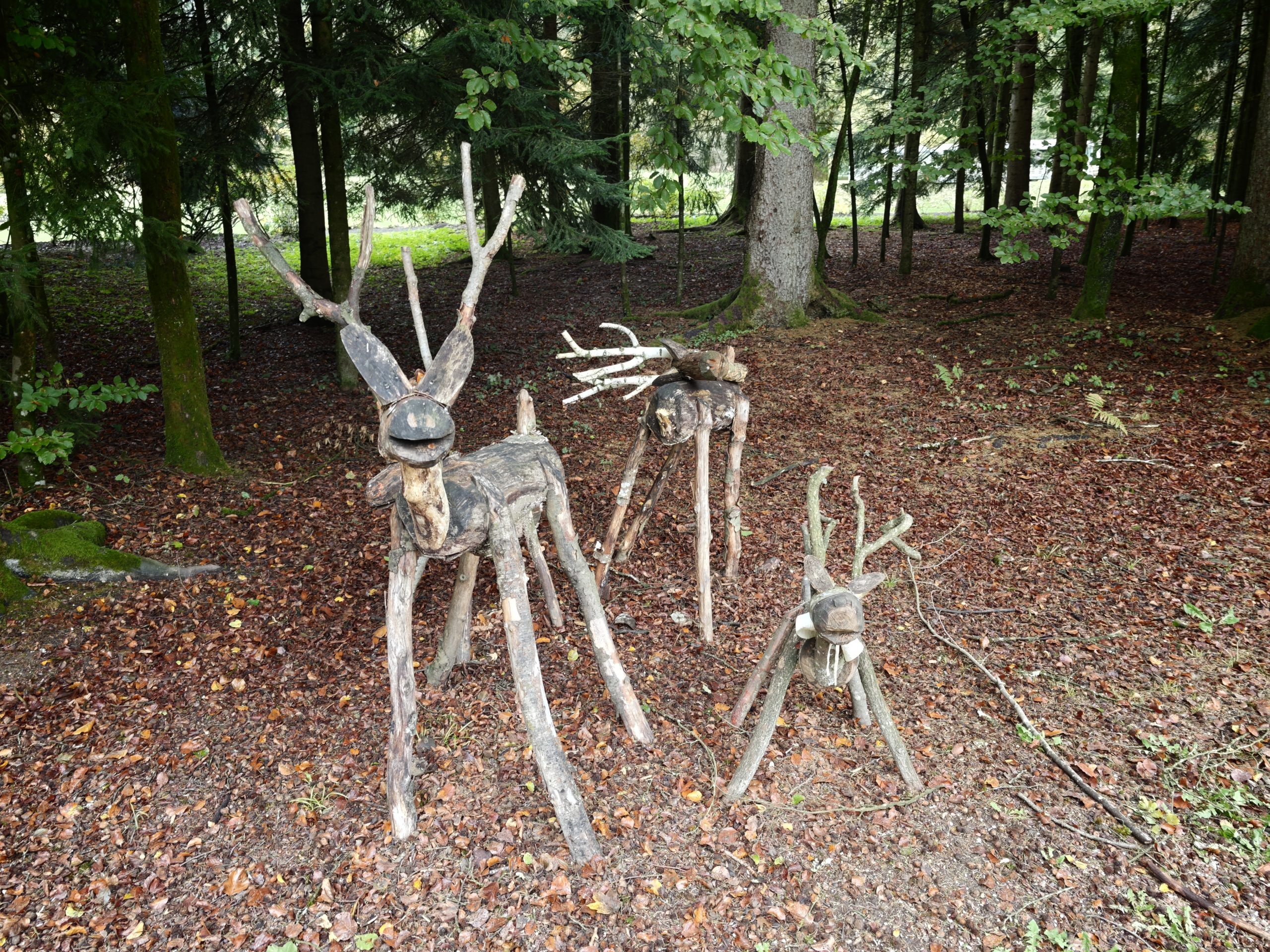


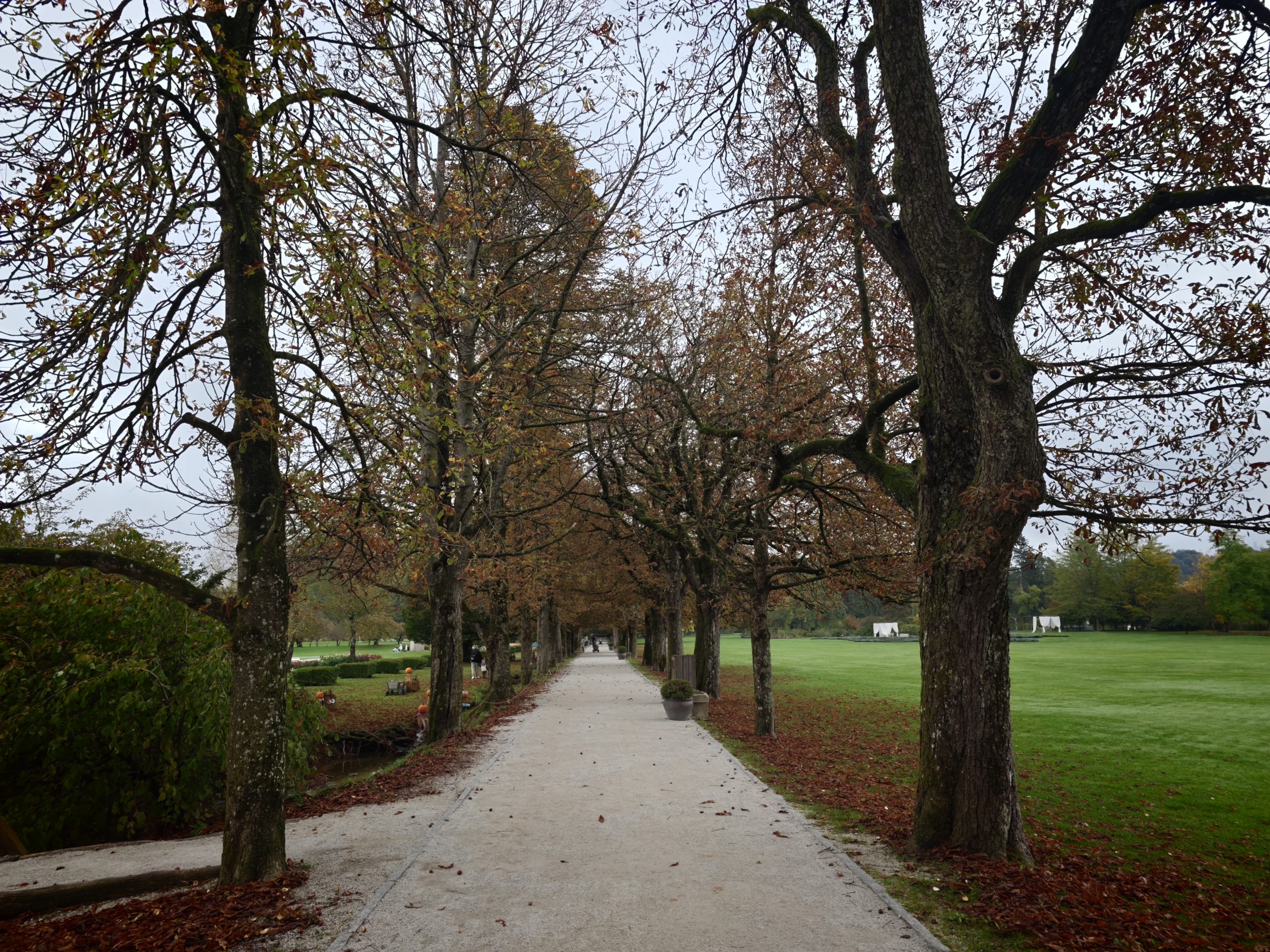




Of course, this doesn't mean that I can shoot directly into the sun and expect to have perfectly preserved details. Lighting conditions can still be challenging. Also, the processing needs to properly utilize the data captured by the sensor. But I was very pleased with the results with the Xiaomi 17 Ultra, especially when shooting at night. Bright lights didn't lose all their detail as often, the sky remained suitably dark, and the photos weren't overly burdened with digital noise. I'm equally impressed with the Xiaomi Leica Leitzphone.
The telephoto lens is fantastic. Even an experienced photographer will be happy with it
The second most powerful weapon is the periscope lens. The Leitzphone uses a 200 MP Samsung HPE 1/1.4-inch sensor with periscope optics and a variable focal length between 75 and 100 mm. The aperture changes from f/2.39 to f/2.96. Most smartphones, even the most expensive ones, use fixed focal length telephoto lenses. For example, if they have 3x and 5x zoom, the intermediate values are usually achieved through digital cropping and image processing.
The Xiaomi Leica Leitzphone optically changes the focal length within the range between 75 and 100 mm. Compared to the 23 mm main camera, we are talking about a 3.2 to 4.3x zoom. This means that you are not solely dependent on the digital crop for intermediate values. The range is not particularly large. The difference between 75 and 100 mm is much smaller than with a conventional photographic lens labeled 24–70 mm or 70–200 mm. But we are talking about a phone that is spatially limited, so every such technical detail is all the more impressive. Huawei is one of the first to start experimenting with variable focal lengths, among other things, and I am glad that Xiaomi has become a worthy rival in this area.
At the same time, it's true that this is no longer something special on phones. We already have quite a few models (Huawei Mate 90, Oppo Find X9 Ultra, Vivo X300 Ultra) that have the option to attach an external lens to the body. Xiaomi also presented its concept years ago, but they haven't put it into production yet.
Otherwise, I see the advantages of such a system mainly in portraits, architectural photography and finding details in landscapes. At 75 mm I can include a little more of the surroundings in the frame, while at 100 mm I focus on a smaller part of the scene. The longer focal length also allows for a different relationship between the subject and the background, which is useful in portraits.
With digital zoom, I'm still happy with the results up to about 17x. Around 8x, however, the focus is overly aggressive in some scenes. Hair, foliage, and distant facades take on an over-processed look. It depends on the scene, but it's not something I'd expect from a phone in this price range.





The full 200MP mode only works with the telephoto lens (75-100mm), not the main camera. This is a minor disappointment, as the higher quality would be great for landscapes, cityscapes, and the like. Processing is slow, which is acceptable for thoughtful photography, but not for moving people or fast traffic. For macro, the Super Macro via the telephoto lens is only useful from 30cm. The previous generation had a second telephoto lens (70mm), which allowed you to focus from about 10cm. Personally, this doesn't bother me too much, as I can use the ultra-wide camera, but I understand that this means I'm compromising on image quality. A more serious photographer would still prefer the older telephoto lens.
The ultra-wide camera (14mm, 115°) is good, but also the weakest link. In daylight it's sharp and color-matched to the main camera. In low light it gets a bit blurry and shows more noise than the main camera. It's perfectly usable for landscapes and architecture, but at night I preferred to reach for the main camera and get a little closer.
Night photography is a bit of a bummer for me. The main camera still takes great pictures at night. The periscope is surprisingly good in the dark for a telephoto lens. The problem is that the Xiaomi Leica Leitzphone doesn't have a dedicated night mode. The phone switches to night mode on its own and usually takes bright, usable shots. But when you want to manually balance the highlights and shadows or squeeze more detail out of a frame, there's no way to force the phone to do so. The long exposure mode only works with the main camera (1x). For distant waterfalls or moving lights, this is a drawback.
Leica Authentic and Vibrant are just the beginning
I really liked the two basic photo profiles on the Xiaomi 17 Ultra, Leica Authentic and Leica Vibrant. Authentic tends to produce slightly more muted colors, more pronounced contrast, and deeper shadows. Vibrant is more suitable for users who like more vibrant photos but still want the distinctive Leica look.
The Xiaomi Leica Leitzphone has an additional customized photography interface with 13 Leica looks and five background blur simulations. Among them are options inspired by the characteristics of various Leica lenses. At first (if you're coming from a classic Xiaomi phone), you have to get used to the new layout again. I was looking for a specific setting and when I couldn't immediately find it in the place I had in mind, I had to fumble around in the new system. You have to take a few minutes to get used to where everything is again.
The biggest difference compared to the regular Xiaomi 17 Ultra is the Leica Essential mode, which includes photographic interpretations inspired by the Leica M9 and M3. These are not just ordinary color filters, but specially designed shooting modes with different processing of tonal values and colors.


The Leica M9 was known for its CCD image sensor and distinctive color reproduction. Leitzphone tries to recreate some of this character in software. Photos can take on a slightly warmer look, with more pronounced tonal differences and a different color balance than in normal automatic mode. Another special feature is the use of a fixed white balance for daylight. The phone therefore does not always automatically adjust to different light sources, which can create a more pronounced color character in the scene.
The second method is related to the Leica M3 and the black and white Leica Monopan 50 film. It is a digital simulation that tries to recreate the characteristic contrasts, tonal transitions and structure of film photography. Black and white photography is much less forgiving if you make a mistake with the frame, lighting and the like. Colors cannot solve the composition, so the distribution of light, lines and contrasts become significantly more important. If you are a fan of street photography, architecture and also portraits, you will really like this method. I managed to take quite a few excellent family photos that will definitely end up in physical albums.
One small thing that bothered me is that the M9 and M3 are hidden in Essential mode and are not among the usual Leica filters. So you have to switch between modes while shooting. The portrait mode still simulates the legendary Leica lenses (Summilux, Summicron, Noctilux, Thambar, Anamorphic). The results are natural, the edges of the hair and the contours are well processed, and the bokeh is not artificially artificial.
The video is also excellent.
The Leitzphone allows recording in 8K resolution at 30 frames per second and 4K at a maximum of 120 frames per second. Dolby Vision, Log profile recording and support for the ACES color workflow are also available. Most of this will only be useful to video content creators who need something like this in their work. As with the Xiaomi 17 Ultra, I can also praise the quality of the footage with the Leica Leitzphone, the stabilization is excellent, as is the amount of detail. I recorded most of the time in 4K. I would use 8K if I planned to cut the frame later or if I really needed additional spatial resolution for processing.
Shooting at 120 frames per second is great for slow motion. I took some time at the Arboretum to take a short clip of their waterfall and the result is fantastic.
In addition to the cameras, we get one of the most powerful Android phones
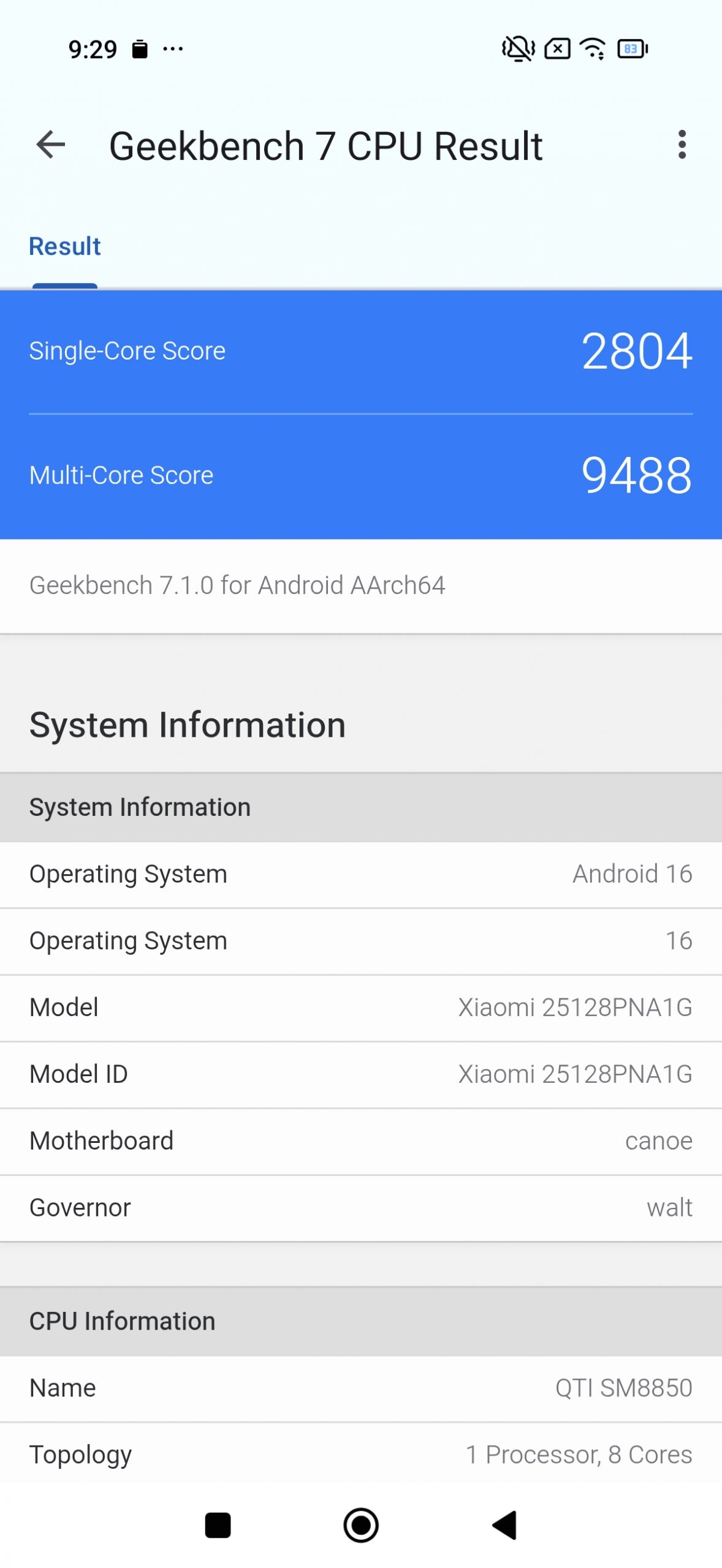
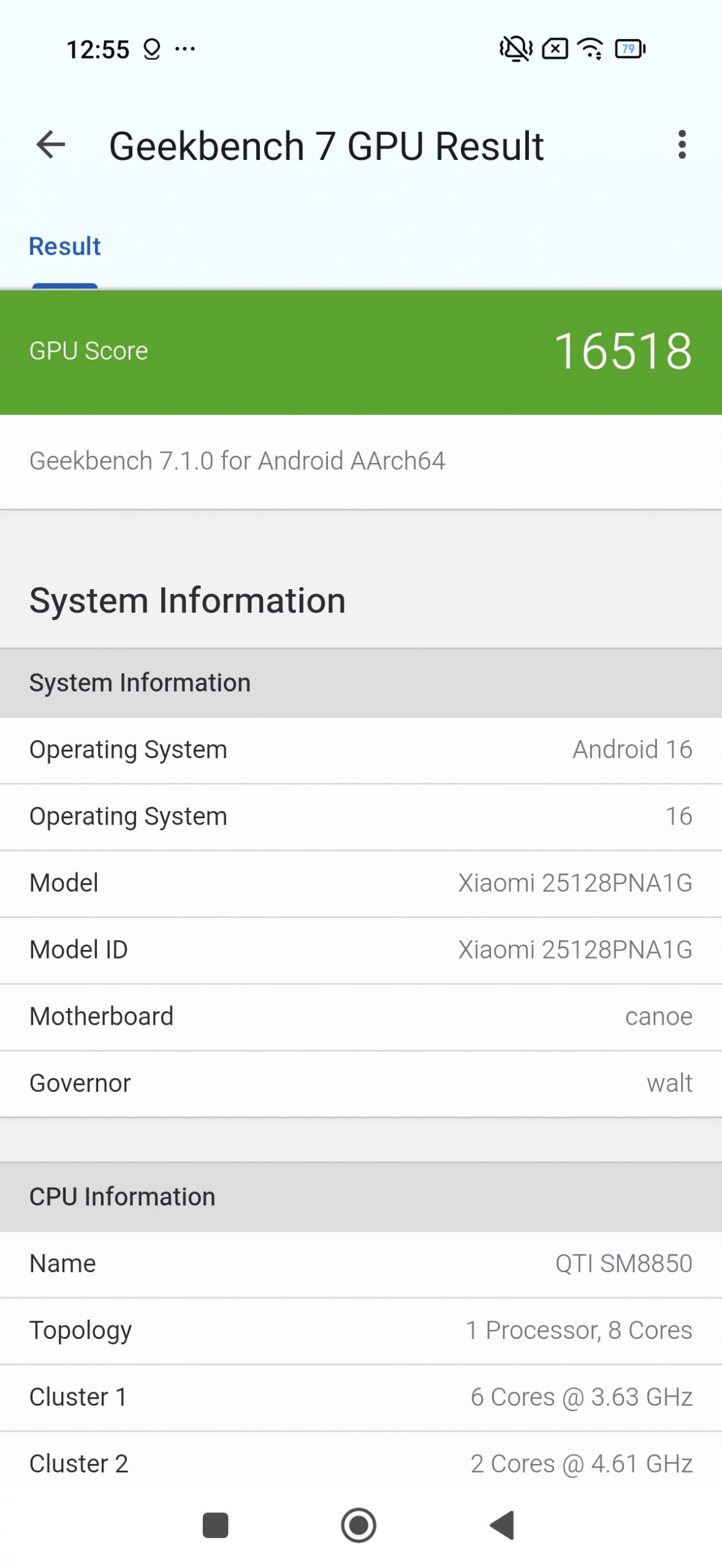
The Leitzphone uses a Snapdragon 8 Elite Gen 5, 16GB of RAM, and 1TB of storage. I have no particular complaints about the processor. It's still the best you can get right now, but that's about to change with two new Gen 6 chips on the way.
One terabyte of space is very welcome, especially for photographers who often shoot in 4K, use RAW format or shoot in full resolution. The display is a 6.9-inch LTPO OLED with a resolution of 2608 × 1200 pixels and an adaptive refresh rate of up to 120 Hz. The maximum brightness reaches 3500 nits.
The phone uses HyperOS 3, but its appearance is adapted to Leica's design philosophy. Some graphic elements, fonts and the photography interface have been changed. I was a bit critical of HyperOS 3 on the Xiaomi 17 Ultra. It has a lot of features, as well as customization options, but Samsung's One UI still seems more refined to me. Leica is not bringing a new operating system here, but just a different visual and photography experience.
The Leitzphone has a 6,000 mAh battery, supports 90-W wired and 50-W wireless charging, and is IP68 dust and water resistant.
If you'd like to know more, such as how it performs while gaming, how it compares to other phones, check out Xiaomi 17 Ultra review.
The Xiaomi Leica Leitzphone is the ultimate photography phone…
… but not everyone will be able to use it. The Xiaomi Leica Leitzphone is undoubtedly one of the most interesting photography phones of this year. It has an extremely powerful main camera, an excellent telephoto lens with a variable optical focal length, high-quality video functions and much more photographic options than a normal user needs. Additional Leica features upgrade the experience, but do not change it so radically that we would get a completely new category of device. I would especially highlight the Leica Essential mode, which is interesting mainly for fans of black and white and classic digital photography. I also like the idea of a mechanical ring, although I would like its control to be as precise as possible and without unintentional movements.
Whether this is worth a few hundred extra euros depends mainly on how much photography means to you, not just the final photo. What I can say (at least in my opinion) is that all these Leica accessories help to fill the gap that existed between the Xiaomi 17 Ultra and the Huawei Pura 80 Ultra, which was given a smaller advantage at the time. I still think Huawei is ahead, but not as dominant as before. It's a shame that the new Pura 90 and Mate 90 models, as well as the aforementioned Vivo and Oppo phones, didn't come to Slovenia. That would have been an exciting battle.