

Share with others:

Cheap DDR5 memory better than expected?

At a time when the semiconductor industry is experiencing unprecedented pressure due to the extraordinary demand for artificial intelligence hardware, Asrock has introduced a solution that could ease the wallets of new computer buyers. These are HUDIMM memory modules, a new patented form of DDR5 memory designed with cost optimization in mind. Although these modules are not yet on store shelves, the first tests are generating considerable interest among both OEMs and end users.
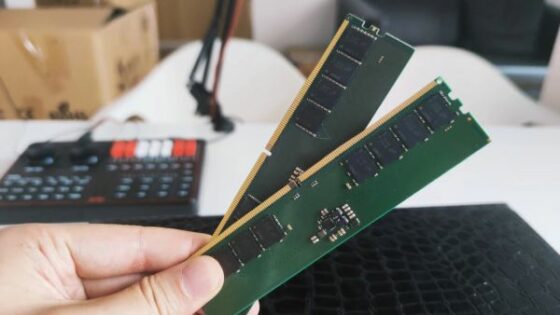
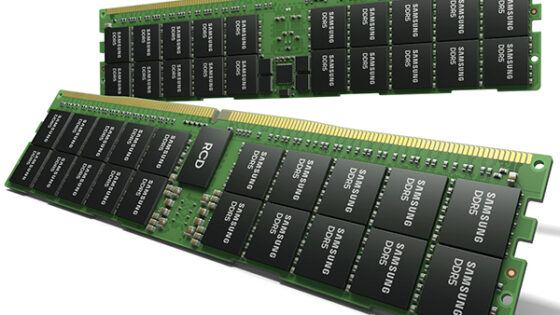
The basic idea behind HUDIMM technology is to halve the number of integrated circuits used in standard DDR5 memory. While traditional UDIMMs use a dual 32-bit subchannel architecture to maximize bandwidth and capacity, ASRock's HUDIMM uses only a single 32-bit subchannel. While this change significantly reduces data throughput and I/O performance, the company assures that this should not affect the overall user experience in systems designed for gaming or less demanding workloads.
In a recent video, YouTuber Bryan B. explored the capabilities of this new technology by simulating a HUDIMM scenario. Since real products aren't available yet, he simulated half the bandwidth by comparing a single 16GB DDR5 UDIMM module against a dual-channel configuration of two 16GB modules. He ran the tests on modern AMD Ryzen 7 9800X3D and Core Ultra 7 265K processors. The results were surprising, with games like Cyberpunk 2077, Counter-Strike 2, and Marvel Rivals showing only minimal performance differences between single-channel and dual-channel setups at 1080p. This suggests that modern x86 processors don't necessarily need the full bandwidth of two UDIMMs for good gaming performance.
Asrock believes that HUDIMM modules will be cheaper than standard alternatives, which will help keep PC prices affordable. Despite the encouraging initial data, experts warn of caution, as the simulated results may not fully reflect the behavior of the final products. The fact that the set of tested games was limited means that a final assessment will have to wait for the official release and more extensive independent tests. Nevertheless, the technology remains an interesting option for affordable systems in the future.