

Share with others:

The end of the era of cheap laptops, phones and tablets?

LPDDR4 memory has been the backbone of mobile electronics for over a decade. From mid-range smartphones to tablets and ultra-light laptops, LPDDR4 has enabled decent speed with low power consumption. However, the demands of modern software, especially in the field of artificial intelligence (AI) and high-resolution image processing, exceed the capabilities of this standard.
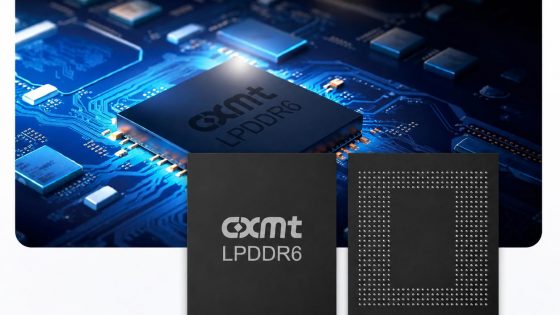
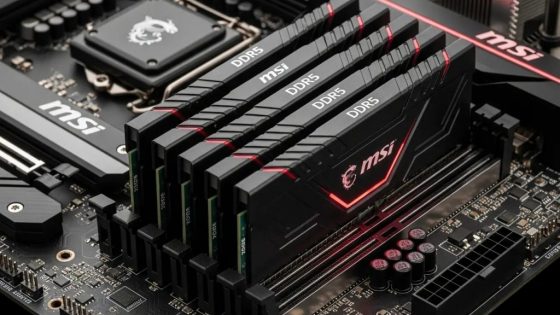
Samsung's decision to halt production lines in South Korea and China is part of a plan to free up capacity for more advanced standards like LPDDR5X and the upcoming LPDDR6. These new chips not only offer significantly higher data transfer speeds, but are also crucial for running generative AI on devices where memory bandwidth is often a bottleneck.
What does this mean for consumers? In the short term, the price of the cheapest smartphones and tablets will likely increase as manufacturers will have to install more expensive LPDDR5 modules in their devices. For the PC industry, this means the end of the era of cheap Chromebooks and entry-level laptops with LPDDR4 memory. On the other hand, this move will force the market to update its infrastructure more quickly, which in the long term will lead to a better user experience and longer battery life across all device segments.
Interestingly, Samsung will not completely abandon support for existing systems. The company is expected to maintain minimal stock for industrial and automotive customers, where product life cycles are longer, but general availability for the mass consumer electronics market will be a thing of the past by 2027. With this, Samsung joins SK Hynix, which announced similar plans earlier this year, confirming that the entire industry is moving inexorably towards the future of high-performance memory.