

Share with others:

Xiaomi Xring O3 processor with a key advantage over the competition

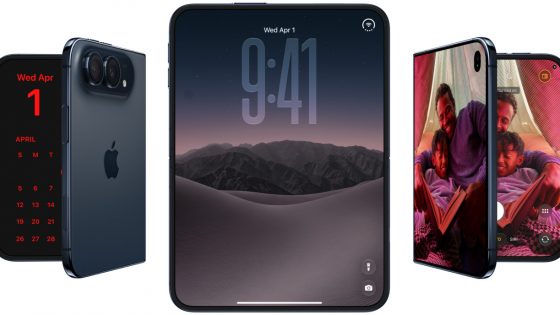
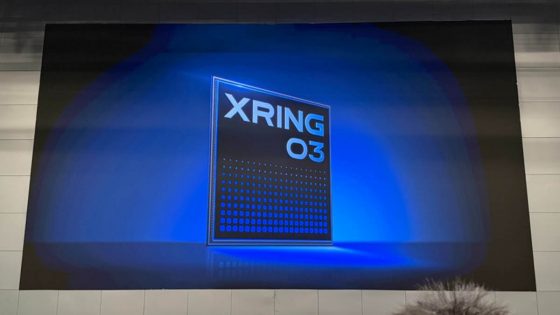
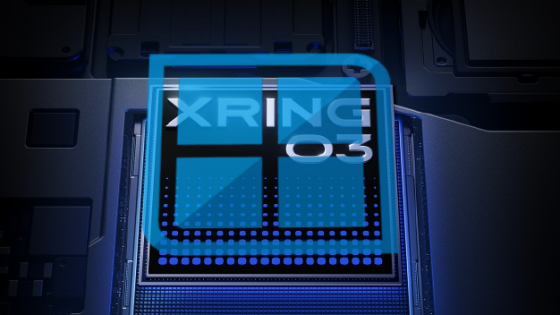
Xiaomi's new Xring O3 processor, which powers the Xiaomi 18 Fold foldable smartphone and the Xiaomi Pad 9 Pro Max tablet, brings an important update for anyone who wants to run PC games on mobile devices. A report on the capabilities of the Vulkan graphics interface reveals that the processor fully supports the BCn family of compressed texture formats, from BC1 to BC7.
These formats are widely used in PC and console game development and Windows emulation tools. Although other manufacturers, such as MediaTek with its Dimensity family and Google with its Tensor chips, also use Arm Mali graphics cores, they have not enabled these features until now. Arm offers manufacturers the option to choose whether or not to include certain texture processing units in the chip, but Xiaomi has opted for full integration.
The main advantage of this support is not in the everyday speed of regular Android applications, but in greater compatibility. Without hardware decoding of BC formats, drivers have to convert textures in software, which puts a heavy load on working memory and accelerates battery consumption. Native support eliminates these shortcomings and puts Xiaomi on a par with Qualcomm's Adreno graphics, which until now was considered the only real choice in this area.