

Share with others:

A look into the future of Windows without embellishment

Microsoft's Build 2026 tech conference will take place on June 2-3 in San Francisco. The company is advertising the gathering as a two-day hands-on event for AI developers and technical leaders, promising to be completely no-frills.
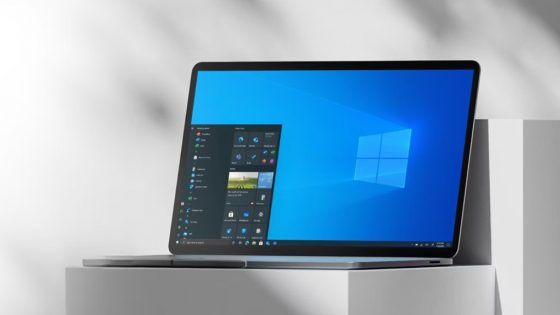
There is no official confirmation about the Windows 12 operating system yet. Microsoft even indicated some time ago that it is currently only focusing on refreshing the existing Windows 11 system. Rumors about the release of the alleged "Hudson Valley Next" version this year or the introduction of a mandatory monthly subscription have already been described by experts as unfounded or the result of artificial intelligence hallucinations.
Microsoft is actually working on an internal initiative called Windows K2 in 2026. It's a massive quality improvement program that doesn't bring a new system, but rather addresses the main issues with Windows 11. It's mainly about reliability, speed, and an overabundance of AI. The goal is a faster File Explorer, a revamped Start menu, and the removal of intrusive UI elements from the user interface. However, long-term development, the Copilot+ PC hardware, and the end of support for Windows 11 in October 2027 point to an inevitable evolution of the platform in the future.
Developers can expect several key highlights at Build 2026. The first is fully native app development with WinUI 3, Microsoft's move away from slow web frameworks within its apps. The Start menu is already being reworked in this environment to reduce latency, and measurements show a 25 percent speedup in Explorer and significantly lower system memory usage.
Another important topic will be the local implementation of AI on devices with NPU, where the Windows AI Foundry environment and interfaces that enable applications to run even on weaker hardware will be presented. Finally, much attention will be paid to security models for autonomous AI agents, improvements to the Subsystem for Linux (WSL), and the corporate use of Windows 365 for the secure deployment of these technologies in enterprises.