

Share with others:

Scientists develop smart paint that cools buildings

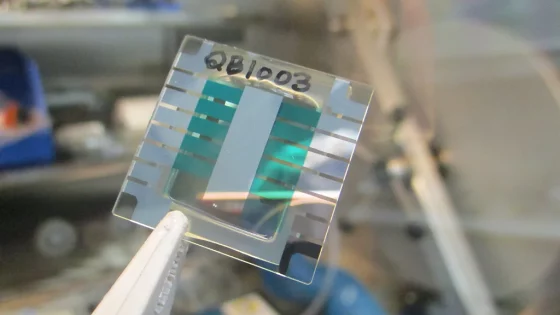
Researchers from the University of Sydney, in collaboration with start-up Dewpoint Innovations, have developed an experimental coating that can reflect up to 97 percent of sunlight. The technology is designed to reduce heat “absorption” into buildings, lowering internal temperatures and, consequently, greatly reducing the need for wasteful air conditioning. The coating is based on a specially adapted polymer called PVDF-HFP, which contains microscopic pores. These pores effectively scatter the sun's rays and prevent the material underneath from heating up.
Unlike conventional roof coverings and facades, which absorb solar energy during the day and become extremely hot, this coating works on the principle of passive daytime radiant cooling. This means that it reflects most of the light back and radiates the remaining heat away from the building. During laboratory and field tests, it was found that coated surfaces were up to 25 °C cooler than dark roofs and up to 6 °C cooler than ambient air under the same conditions. Although paint cannot completely replace air conditioning, it can make a significant contribution to lower electricity costs in regions with prolonged heat waves.
The most unusual feature of this smart paint, however, is its ability to extract water from moisture in the atmosphere. As the surface remains cooler than the surrounding air, water vapor begins to condense on it. The entire process works completely naturally, similar to the formation of morning dew, and does not require an external power source. During six months of testing on the roof of a nanotechnology hub in Sydney, the coating collected moisture for about a third of the year, and under favorable conditions, produced up to 390 milliliters of water per square meter of surface area per day.
The scientists believe the technology will also have applications in other areas. They see potential in commercial buildings, warehouses, agricultural facilities and remote communities. The technology could be invaluable in countries like India, where residents are facing both rising temperatures and severe shortages of drinking water. The product is not yet commercially available, as Dewpoint Innovations is currently working with industry partners to develop a commercial version that can be applied with a regular roller or sprayer.