

Share with others:

What do the AMD Ryzen 5 5500F and 7500 processors bring?

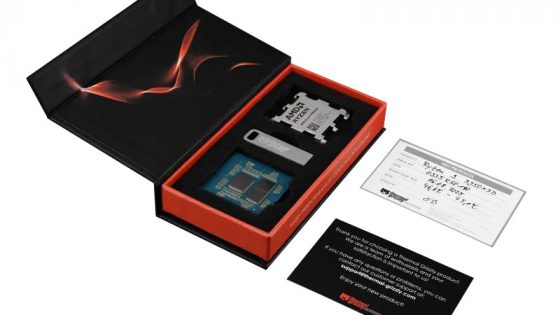
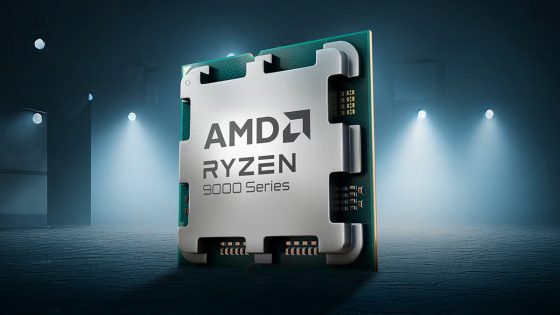
AMD continues to expand its processor lineup and has added two new models to the lineup without much fanfare: the Ryzen 5 5500F and Ryzen 5 7500. Both units are currently aimed primarily at equipment manufacturers and system integrators (OEMs). This means that in practice they will most likely be available in pre-assembled computer systems.
The AMD Ryzen 5 5500F is based on the older Zen 3 architecture and uses the established AM4 socket. The processor has 6 cores and 12 threads, operates at a base frequency of 3.6 GHz, and in boost mode reaches up to 4.05 GHz. It contains 16 MB of L3 cache, and its biggest feature is the absence of an integrated graphics unit, which is indicated by the letter “F” in the label. This means that a separate graphics card is required to display the image. The thermal power is a modest 65 W.
On the other hand, the AMD Ryzen 5 7500 uses the newer Zen 4 architecture and the more modern AM5 socket. This model also offers 6 cores and 12 threads, but it operates at higher frequencies, with a base clock of 3.7 GHz and a maximum clock speed of 5.0 GHz. It has 32 MB of L3 cache and integrated Radeon graphics with two cores. The most noticeable change compared to the related Ryzen 5 7500F model is the reduced thermal power, which is only 45 W instead of the standard 65 W, which means lower power consumption and less heat.
As these are OEM models, AMD's new processors may not be available for individual purchase by DIY PC builders, and AMD has not yet publicly announced pricing for individual units.