

Share with others:

SpaceX bets on the satellite mobile network of the future

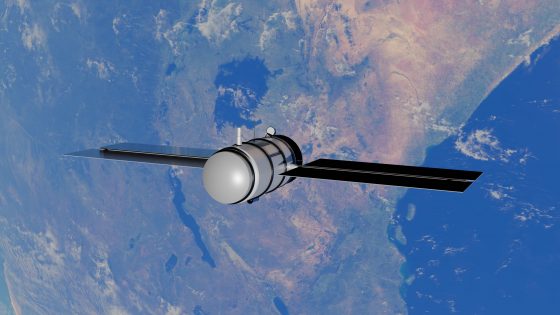
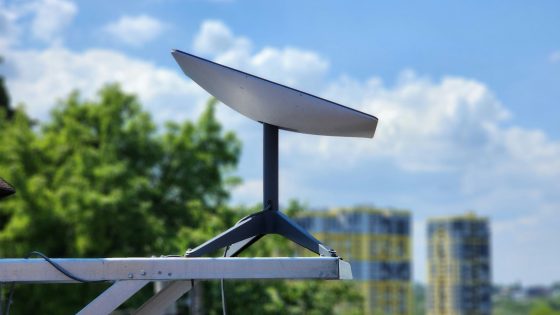
SpaceX has scored a major victory in the field of satellite mobile communications, with the US Federal Communications Commission (FCC) approving the launch and operation of 15,000 next-generation satellites for its Starlink Mobile network, a decision that came about a year after it filed its application.
In addition to the permission to build a large satellite constellation, the FCC also granted the company a special exemption that allows SpaceX to offer wireless services via its own satellites without having to lease radio spectrum from traditional mobile carriers. This opens up the possibility for the company to compete more directly with established mobile service providers.
According to SpaceX, the next generation of Starlink Mobile will provide users with data speeds of up to 150 Mbps. This is a big leap compared to the current version of the service, which is based on about 650 satellites and is available in the US through T-Satellite, which is said to have data speeds of around 4 Mbps.
The FCC estimates that the expansion of the service will increase competition in the mobile communications market and improve coverage in areas where cellular signal is currently lacking or unavailable. The new satellites will orbit at altitudes between 326 and 335 kilometers above Earth, which could contribute to lower latency for end users.
SpaceX also wants to supplement its network with affordable ground-based femtocells that would expand coverage in urban and suburban areas. The strategy is not without its critics, however. Some in the telecommunications industry have questioned the effectiveness of such an approach, while satellite competitors and environmental groups have warned of potential problems with radio interference and light pollution.