

Share with others:

Apple finally folded. They introduced the iPhone Duo, iPhone 18, Watch 12 …

On September 9th, I watched something I hadn't expected from Apple in a long time. The moment when the company admitted on its own that it had missed the train. Not with the camera, not with the chip, but with the phone form factor that the competition had been testing for seven years, and Apple had persistently claimed was "not good enough yet." Well, now it is apparently good enough.
John Ternus, Apple's new CEO, showed off the iPhone Duo, a foldable iPhone with two screens, and introduced the iPhone 18 Pro and 18 Pro Max, Apple Watch Series 12, Watch Ultra 4, and AirPods 5 alongside it. The regular iPhone 18, which would have been automatically expected alongside the Pro models a year ago, was nowhere to be seen, but that was already known before the presentation.
The iPhone Duo is seven years late. Did it still make it to the top? I don't think so.
Apple is late to foldable phones. Very late. Samsung sold the first Galaxy Fold in 2019, and in the meantime we've had a whole generation of devices from Google, Honor, Huawei, Xiaomi, and others. Apple has spent the past seven years standing on the sidelines, observing what works and what frustrates users.
So, more than the fact that the iPhone Duo folds, I'm interested in the answer to the question: What did Apple do differently to make it wait so long? Surprisingly, it took a very similar path to its rivals, and in some places (the software) it even lags behind at first glance.
The Duo is about the size of a passport when closed, like this year's Galaxy Z Fold8, Huawei Pura X, and Xiaomi's new Fold. On the outside, there's a 5.4-inch Super Retina XDR display, which Apple says offers about 90 percent of the usable screen area of the iPhone 18 Pro. When you open the phone, you get a 7.6-inch internal display, which is the largest screen area in iPhone history and about 50 percent more than the iPhone 18 Pro Max's screen. Both use ProMotion, Always-On, and reach up to 3,000 nits of brightness outdoors.
Apple has coated the inner screen with a special matte or nano-textured layer, which not only reduces reflections, but also visually hides the crease. Foldable phones have improved in recent years, but the line down the middle of the screen has always been that little reminder that we are looking at technology that is not yet completely commonplace. If Apple has actually managed to make the crease less noticeable here even after a few months of use, that will be more important than many numbers in the specifications. Oppo has hidden the crease the best so far, we will see if Apple is even better at this.
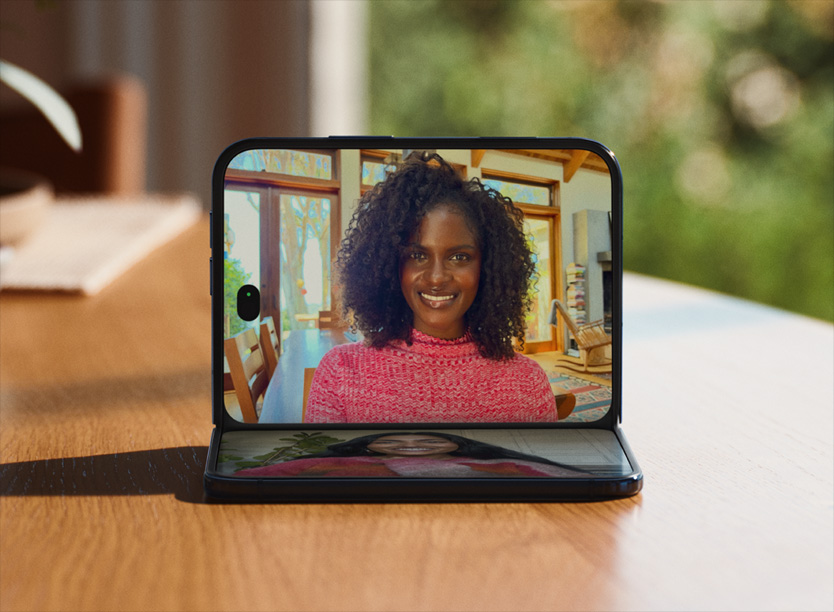
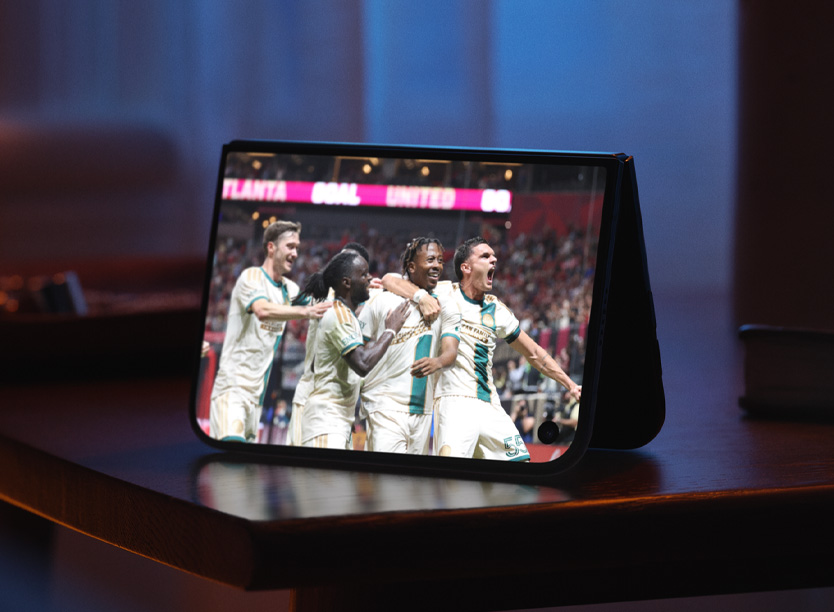
The construction is made of grade 5 titanium, the hinge consists of over a hundred parts, the external screen is protected by Ceramic Shield 2, and the phone is also IP68 certified, which is better than Samsung but worse than Honor. Apple also claims that the open Duo is the thinnest iPhone ever (5.2 mm), but that still makes it thicker than HONOR Magic V6 and Galaxy Z Fold8The big question, of course, will be the long-term durability of the internal display. No presentation will reveal this, only a year or two of actual use will tell.
Apple has hidden the front camera under the inner display, so there's no notch or hole on the inside. It's a solution that Samsung tried years ago and then abandoned because the quality was so mediocre. But Apple has apparently decided to give it another chance.
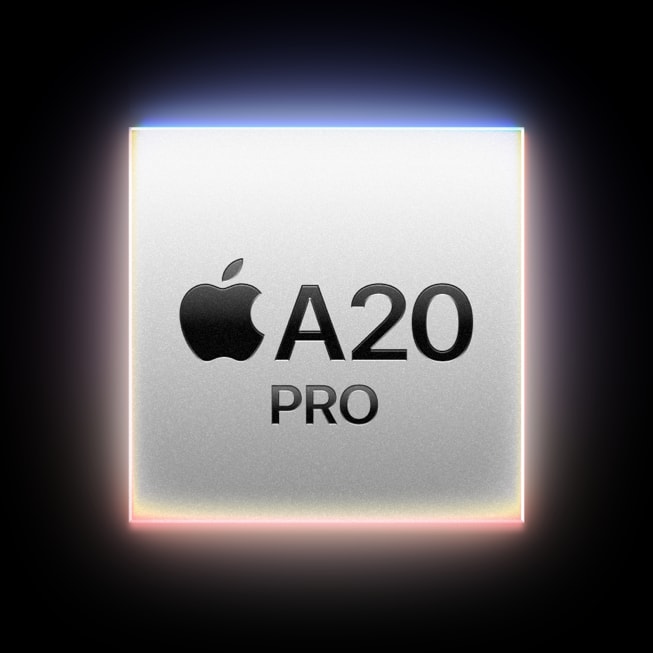
Powered by the same vapor chamber-cooled A20 Pro chip as the iPhone 18 Pro, and powered by Apple's new C2 modem, the iPhone Duo is an eSIM-only device worldwide, with no physical SIM card slot.
Apple has returned to Touch ID in the side button with the Duo, again in line with its competitors. Later this year, both displays will support the Apple Pencil over USB-C.
Two screens are only useful when the system can use them too
The hardware has never been my biggest concern with foldable phones. Anyone can make a hinge. It's harder to convince the software that the extra screen actually makes the device more useful. Apple will have to work on this, at least on the surface.
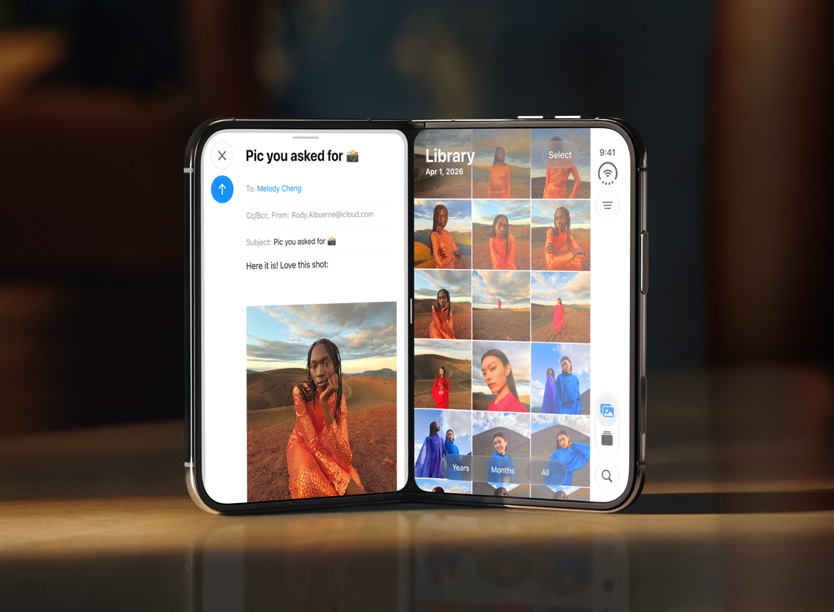
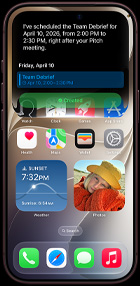
On the internal display, iPhone Duo enables Split View with two apps at once, two windows of the same app, saving pairs of apps, and easily switching between the two halves of the screen. Netflix, Zoom, and Slack are among the first apps to adapt to the new format. Dynamic Island also moves and changes orientation depending on the position of the device.
The cameras also get some features that are made possible by the dual screens. When taking photos with the main cameras, the person in front of the phone can see the frame on the external screen. Duo Preview shows a preview to the person being photographed, and Kid Cue plays an animation on the external screen for the child to look at the camera. The phone can be half-opened and used as its own stand.
Most of these features aren't new, as they're available on Android foldable phones, which can display 3 apps at once and then add more in the form of a floating window. Maybe the new Duo has something else hidden inside that they didn't show at the launch.
I like how they handled transitions, animations, and quickly placing apps in a separate view. First impression
2369 euros for a course that must prove its value
Then we get to the price. The iPhone Duo starts at €2,369 for 256 GB. The 512 GB version costs €2,619, the 1 TB costs €3,119, and the most expensive 2 TB model costs €3,869. Pre-orders start on October 16, and sales start on October 23.
The iPhone Duo was clearly never intended as a phone where Apple would test whether there was a market for a cheap foldable iPhone. It was testing how much its most loyal customer base was willing to pay for a new category.
The price is even more controversial because the Duo is not a photographic upgrade over the iPhone 18 Pro. It has two 48MP cameras on the back, a main one and an ultrawide. The main one also allows for 2x zoom with a sensor cutout, but there is no dedicated telephoto lens or the new variable aperture of the Pro models. These are compromises that many will not accept on such an expensive phone. Samsung also has the same problem with its new Galaxy Z Fold8.
On the other hand, it has the same A20 Pro as the new Pro models. It's a 2-nanometer chip with a 6-core CPU, 7-core graphics, and a dual 16-core Neural Engine. Apple claims up to 50% more memory bandwidth than the A19 Pro and up to 35% more sustained performance than the iPhone 17 Pro.
The battery is split into two halves due to the design. Apple claims up to 31 hours of video playback on the internal display and 44 hours on the external display, or about 24 hours of mixed use.
The iPhone 18 has arrived, but with a reduced lineup
Apple introduced the iPhone 18 Pro and iPhone 18 Pro Max, but not the regular iPhone 18. According to previous reports, the standard iPhone 18, iPhone 18E, and the next iPhone Air are expected to arrive in the first quarter of 2027. Part of the reason is said to be limited supplies of memory and other components, and part is apparently Apple's new strategy of prioritizing more expensive models in the fall. Apple has not yet officially confirmed this spring date.
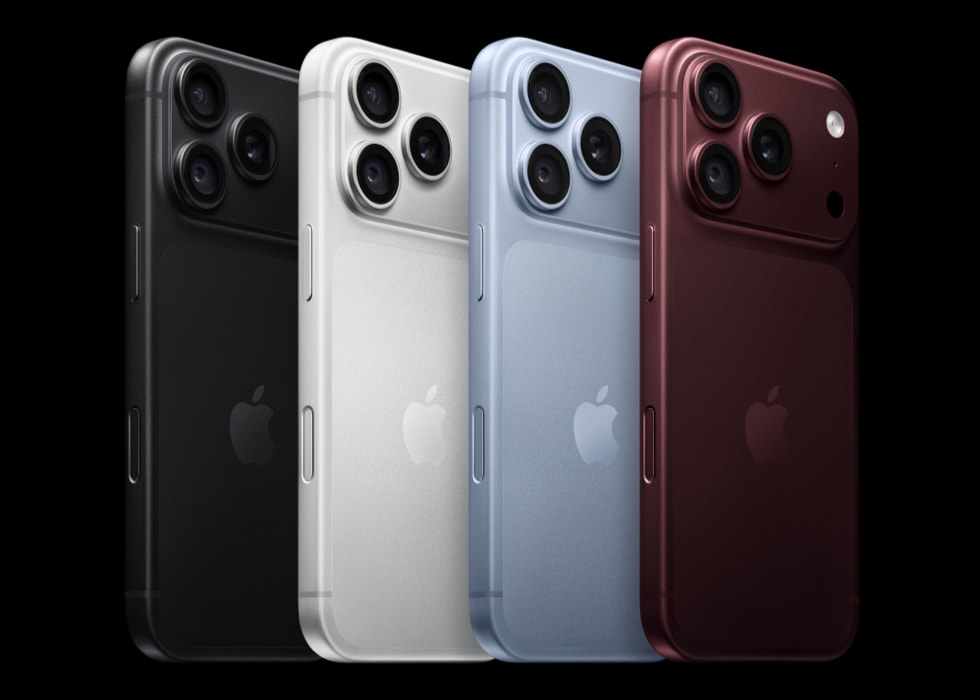
If the Duo stole the show, the iPhone 18 Pro and 18 Pro Max still brought the biggest camera tech Apple has offered in years: a mechanical variable aperture. Six laser-cut blades and a new rotor mechanism physically change the aperture of the main lens, similar to a real camera, which is supposed to improve low-light performance and give more control over depth of field. Until now, all iPhones have been stuck with a single, fixed aperture. Huawei, HONOR, and others have been practicing this for years, and for those with a photographic streak, this is great news.
The six blades in the lens allow for four user-selectable apertures: f/1.48, f/1.8, f/2.8, and f/4. The phone can choose the aperture itself or the photographer can set it manually. At f/1.48, the sensor gets more light, which helps at night. By closing down to f/4, we can increase the depth of field, so for example, in a group photo, people in the second row will be easier to focus on.
A photograph as evidence, not just as an image
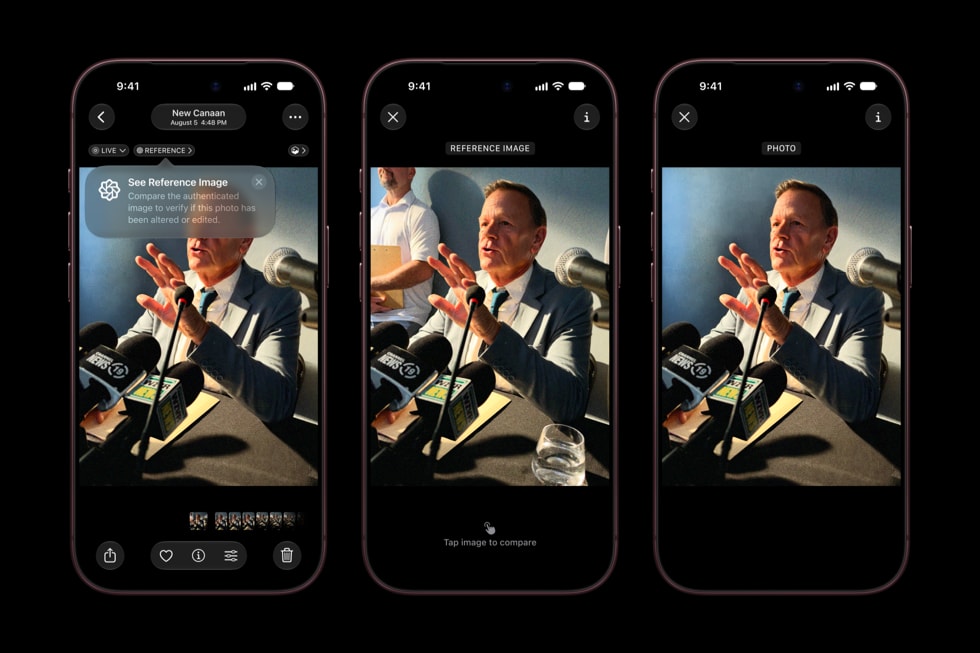
The new main sensor on the iPhone 18 Pro can cryptographically sign individual pixel data as it is captured. In Reference mode, this data is processed through a Private Cloud Compute system to create an immutable reference version of the photo. The final image can then be compared to the original in the Photos app to see what has changed since the photo was taken.
Why does this feature exist? Because nowadays anyone can change the original photo (thanks to artificial intelligence), and Apple clearly wants to build some kind of digital original signature into the camera.
For those of us in the European Union, there is an important asterisk next to it. Reference Image capture will not be available at launch in the EU, although reference images will be viewable and usable on supported systems.
Prices have jumped everywhere. The European jump is bigger than in the US
The iPhone 18 Pro starts at €1,489 for 256GB, while the iPhone 18 Pro Max starts at €1,639. Both are available in capacities up to 2TB. The 512GB Pro model costs €1,739, the 1TB costs €2,239, and the 2TB costs €2,989. The Pro Max costs €1,889, €2,389, and €3,139 for the same capacities.
Pre-orders start on September 12th, sales start on September 18th.
The price hikes aren't just limited to new phones. Apple also raised prices on older models in the US after the event, and the broader smartphone market is currently facing significant pressure from more expensive memory.
A watch that remembers a sentence I missed
The Apple Watch Series 12 is at first glance much less dramatic than the new iPhone, but Apple has made an interesting leap in sensors and software interpretation of data this year.
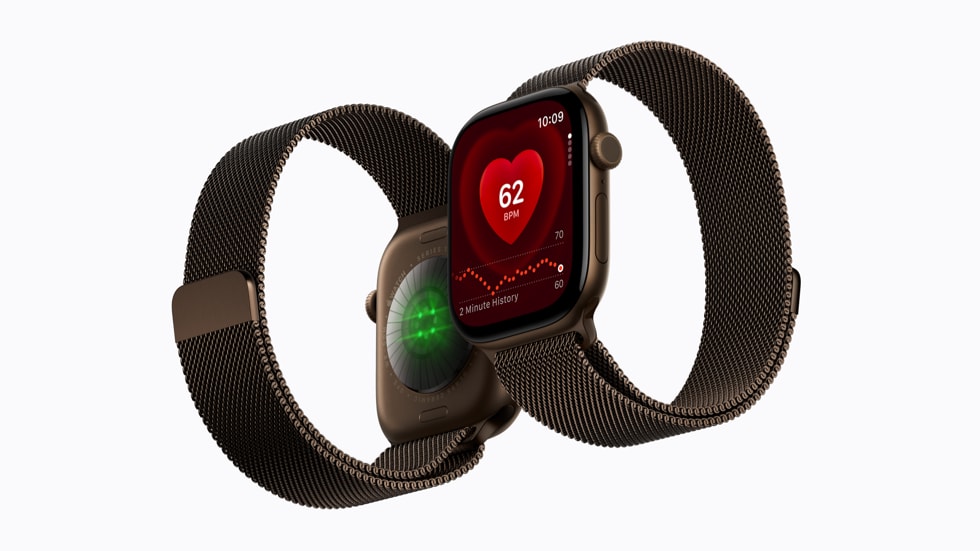
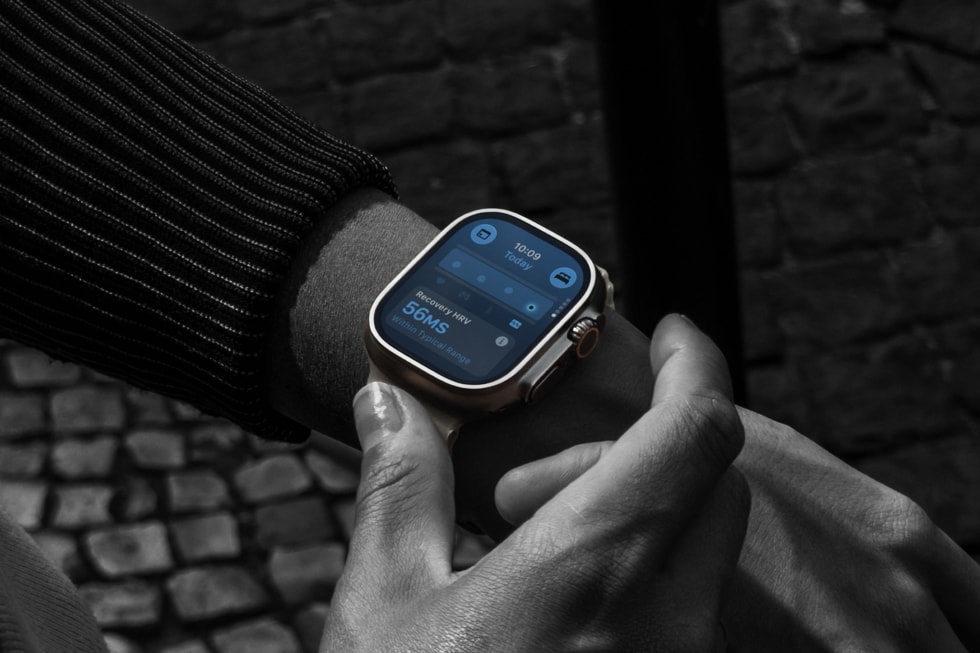
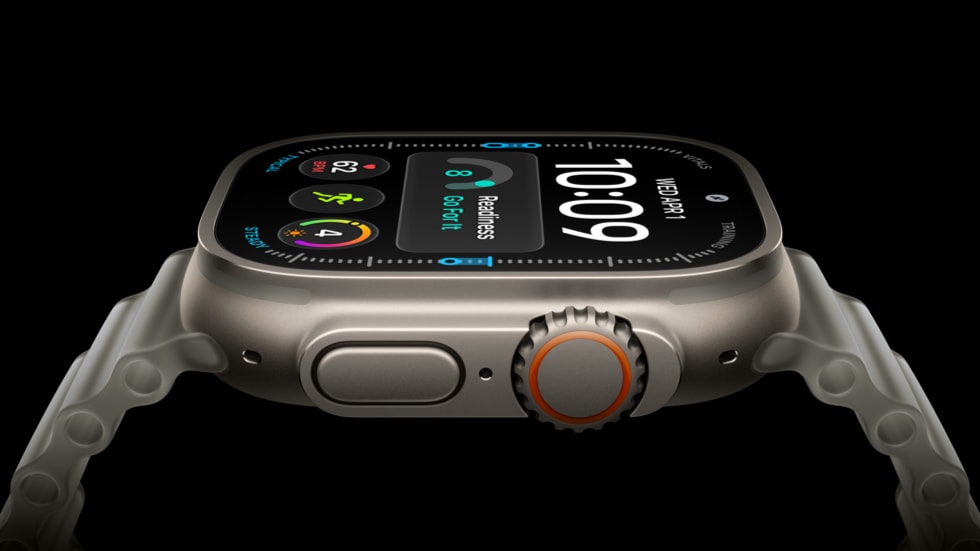
The new Health Sensing System, together with the S11 chip, measures heart rate in the background every five seconds and monitors heart rate variability more frequently. A new Readiness score from 0 to 10 is created from activity, stress, vitals and sleep, which is supposed to tell the user whether it is a more suitable day for intensive training or for recovery. Huawei watches also have a similar feature, which is called Physical Readiness. Apple is also revamping the Health app, which will later be available with Insights and Longevity tabs, as well as the Health Age feature.
Battery still well below average
The Series 12 can last up to 24 hours of normal use, up to ten hours of outdoor exercise, and 15 minutes of charging is said to be enough for up to 12 additional hours. It is available in 42 and 46 mm sizes, and in terms of materials, in addition to aluminum and titanium, ceramic is also returning after several years in pearl white and dark blue. The basic European price is 449 euros, the titanium version is 799 €, and the ceramic version is as much as 1049 € (1099 € for 46mm).
It's a shame that we're still stuck with one-day usage, while competitors (especially Huawei) have shown that a smartwatch can last 14 days or more by all measures.
The Apple Watch Ultra 4 continues the sportier direction. The 49mm case remains titanium, and the battery can last up to 50 hours of regular use or 84 hours in power saving mode. With extended activity tracking, the watch can record very long hikes or runs, and Apple lists up to 45 hours of GPS tracking in the most power saving mode. The price starts at 899 euros.
Apple Watch is listening. Apple says it's not recording.
The most futuristic feature of the new watches isn't even related to sports. Live Rewind can display the text of the last 15 seconds of a conversation when you double-press the Digital Crown. So if I missed an instruction, name, or number, the watch helps me catch what was just said. Siri Recap goes a step further and can provide a brief summary of the key points of the conversation.
At first glance, such a feature raises a pretty big privacy red flag. Apple is clearly aware of this. The S11 therefore has a special hardware-isolated environment called the Secure Exclave, where raw audio is processed separately from the operating system. According to Apple, the audio recording is not stored, is not accessible to applications, the operating system, or Apple, and is deleted after processing. Live Rewind also emits an audible signal and displays a visual warning when activated. Text summaries that the user saves are encrypted from device to device when synced via iCloud.
Again, Live Rewind and Siri Recap will not be available in the European Union at launch. They will first be available in English in beta towards the end of 2026.
AirPods 5: cameras remain outside the ears for now
Active noise cancellation is now standard on both versions.
Apple uses a new multi-channel acoustic design and next-generation Adaptive EQ, and claims up to 50% more effective external noise reduction compared to the AirPods 4 with ANC. This is still an open design without a silicone seal, so I'll be very interested to see how close it can come to the Pro models in real-world testing.
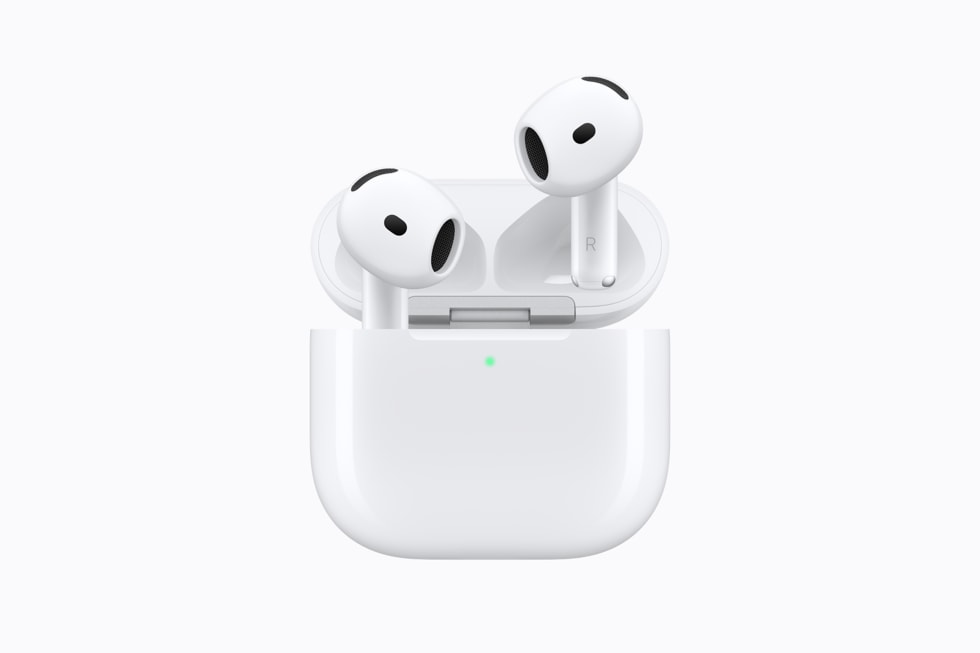
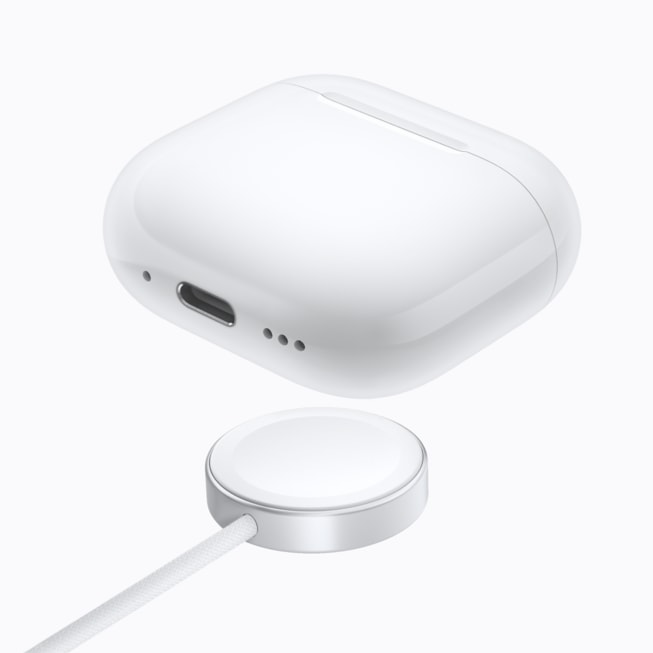
The basic AirPods 5 cost €149, while the version with a wireless charging case, longer battery life, and volume control by sliding the stem costs €169. Apple lists up to five hours of listening time with ANC on for the more expensive version, and four hours for the basic version. Sales start on September 18.
iOS 27 is coming on September 14. The new Siri is not coming to Slovenia.
iOS 27 will be released on September 14. Among the more noticeable changes are additional transparency settings for the Liquid Glass interface, redesigned icons, larger widgets, more options for changing the clock on the lock screen, and (finally) separate volume settings for the ringtone, alarms, timers, alerts, and other system sounds.
The star of the show is said to be Siri AI. The new version of Siri can understand personal context from messages, emails, and photos, see content on the screen and take action based on it, answer general questions, and allow the user to have longer conversations in the dedicated Siri app. Apple is combining its performance with local processing and Private Cloud Compute.
In the EU, however, the new Siri is less welcome. Apple attributes the delay to the requirements of the European Digital Markets Act and currently does not provide a date for when the feature might arrive on iPhones and iPads in the EU.

Meanwhile on the other side of the world
Apple's surprises were actually less surprising than the company would have liked, as its two Chinese rivals took some of the shine off it.
The day before the event, Xiaomi introduced its 18 Fold model (and even earlier on IFA fair), also in the form of a passport, and Huawei showed off the new generation of the triple-folding Mate XT2. Chinese manufacturers have therefore deliberately accelerated their presentations just before Apple's stage, which will not significantly change the fate of foldable phones as a category. According to research firm IDC, they still represent barely 2.2% of all smartphones sold in the world. This is therefore a prestigious, not a mass segment, in which all the largest manufacturers in the world are now meeting.
What remains when the lights go out
Which devices are you most excited about? Personally, I find the Duo (as expected) the most interesting. I'm really interested in how they tackled the crease in the middle of the screen, how good or bad the cameras are, and how well they optimized the software. The other upgrades are mostly expected for me and not a major upgrade.