

Share with others:

AMD promises a revolution for PCs

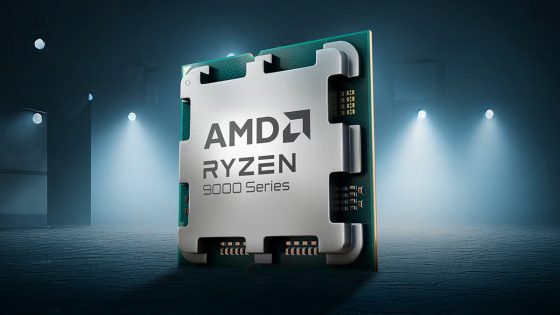
A report on AMD's upcoming Zen 6 processor architecture, codenamed Medusa, has recently surfaced online. The new revelations provide a detailed look at the performance, core count, and segmentation plans for both desktop and mobile devices. The most impressive part of this hardware story lies in the extremely high clock speeds and mobile strategy.
In terms of operating speed, the source initially suggested that the large classic Zen 6 cores could reach an incredible 7 GHz in boost mode. Such a result is technically possible because AMD is said to be using TSMC's advanced 2 nm N2X manufacturing process for its 12-core CCD processor components. The latest data reliably confirms that the clock speed in boost mode will definitely exceed the 6.5 GHz mark. Engineers within the company are confident of achieving a frequency of 6.6 GHz or more for desktop models. This will surpass the current record of the Core i9-14900KS processor, which operates at 6.2 GHz and is considered the fastest serial processor on the market. The high clock speed will directly improve performance in single-threaded tasks, which will be most noticeable when running video games. For gamers, the flagship Ryzen 9 109060X3D2 model is also mentioned, which is said to have as much as 288 MB of 3D V-Cache.
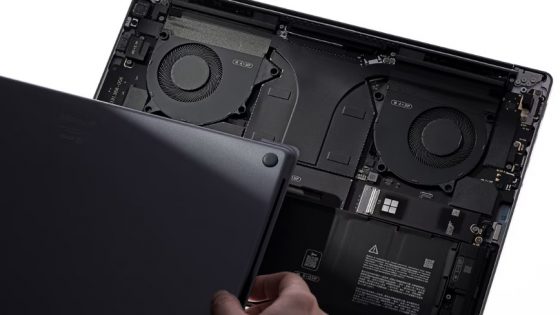
AMD is introducing a completely new strategy for laptops, offering three options for hardware manufacturers instead of the previous two. The Zen 6 Medusa mobile processor family will include the Medusa Point model with 10 cores and RDNA 4M graphics with 8 compute units. This will be followed by the more powerful 14-core Medusa Halo Mini with RDNA 5 graphics and 24 compute units, and the flagship 26-core Medusa Halo with RDNA 5 graphics, which will have as many as 48 compute units. Interestingly, the Medusa Point and Medusa Halo Mini models share the same system bay. Windows laptop manufacturers will thus be able to choose between a more affordable model or the more powerful Mini version. With the latter, they will be able to completely abandon the installation of a discrete graphics card, since the integrated graphics in the Medusa Halo Mini are said to be completely comparable in performance to the RTX 4060 mobile graphics card.
For less demanding devices, AMD is also preparing an entry-level model called Bumblebee, which will have up to 6 Zen 6 cores and an RDNA 4 graphics part with 8 compute units. Zen 6 desktop processors and Medusa Point mobile chips are expected to arrive on the market in the first half of 2027, and an official presentation can be expected at the CES 2027 technology event.