

Share with others:

Transition to the next generation of memory as early as 2028?

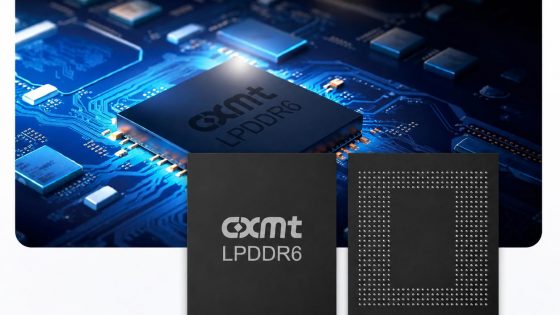
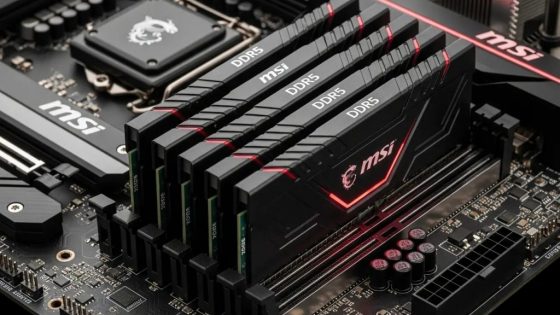
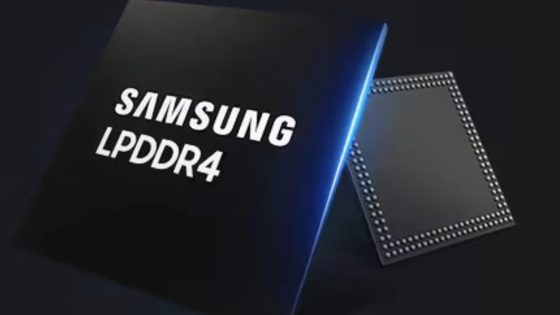
The computer hardware world is gearing up for the arrival of DDR6 memory. Leading memory chip makers SK hynix, Samsung and Micron are already deep into the planning process, according to South Korean media outlet The Elec. These manufacturers are now working closely with suppliers of basic materials to coordinate module development under the watchful eye of JEDEC, the industry standardization organization.
Although manufacturers had access to the first draft of the specifications back in 2024, it did not yet contain all the key technical details, such as final voltage ranges, signal usage, power profiles, and pinout. However, these specifications are now being rapidly developed as companies have moved beyond the prototype phase and entered rigorous validation cycles.
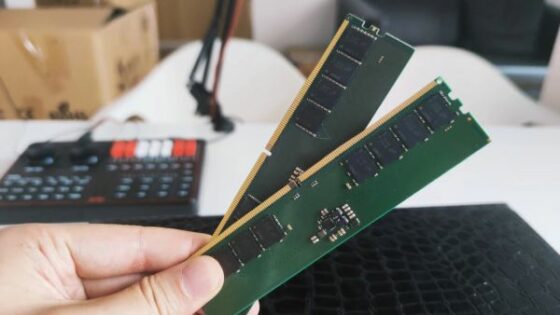
The biggest improvement is expected in data transfer speeds. The DDR6 standard is expected to start at 8,800 MT/s, with plans to expand all the way to a staggering 17,600 MT/s (one million transfers per second). This would practically double the upper limit of the current DDR5 standard. This leap is made possible by a new architecture with 4×24-bit subchannels, a significant change from the current 2×32-bit structure of DDR5. Since such speeds pose physical challenges for classic DIMM forms, the industry is strongly leaning towards using CAMM2 technology.
The changes are expected to be introduced first on server platforms, with higher-end laptops to follow as soon as production starts. While previous predictions mentioned 2027, the latest information is more cautious. 2027 is likely to be for customer testing only, while full commercial shipments are expected in 2028.