

Share with others:

Xiaomi 17T and Xiaomi 17T Pro test – the final nail in the coffin for the mid-range?

It's official now. The mid-range phone market is disappearing. After Samsung and HONOR raised the price of their phones Galaxy A57 and HONOR 600 (Pro), Xiaomi has now also followed this trend. Instead of two phones that belong to the mid-range and upper-mid-range (Pro version), we have two phones that are close to or even in the premium class, which for me is all phones close to or above €1000. It's a shame, because the T series has always been the one I was happy to recommend to someone who didn't want to spend too much for good photography and almost the best performance. Given that all phones are getting more expensive, I will still recommend it, but the circle of people who are willing to pay more than years ago is much smaller.
What's different? By raising the price, did they also make a major leap in any of the main areas (camera, chip, screen)?
| Advantages | Weaknesses |
| Excellent display | The ultra-wide camera is average |
| Very good MediaTek chipset | High price |
| Battery a little above average | Xiaomi 17T Pro has a slower drive* |
| Good main and telephoto camera | Rivals are equipped with Snapdragon chips |
| Long support | |
| Fast charging |
Xiaomi 17T and Xiaomi 17T Pro price?
- Xiaomi 17T Pro 12GB/512GB: €999
- Xiaomi 17T 12GB/512GB: €799
With your purchase (until June 30th), you also get the Xiaomi Robot Vacuum S40C robot vacuum cleaner, 3-month access to Google AI Pro and YouTube Premium.
| Area | Xiaomi 17T | Xiaomi 17T Pro |
|---|---|---|
| Camera |
Leica Summilux optics 50 MP main camera, OIS Light Fusion 800 |
Leica Summilux optics 50 MP main camera, larger sensor Light Fusion 950 |
| Telephoto |
50MP Leica 5x OIS, 115 mm up to 120x UI magnification |
50MP Leica 5x OIS, 115 mm up to 120x UI magnification |
| Other cameras |
12 MP ultra-wide camera 32 MP front camera |
12 MP ultra-wide camera 32 MP front camera |
| Videos |
Up to 4K HDR10+ at 60 fps Log recording up to 4K |
Up to 8K at 30 fps 4K at 120fps movie mode up to 4K at 60 fps |
| Screen |
6.59-inch AMOLED 1.5K, up to 120Hz 3500 nits |
6.83-inch AMOLED 1.5K, up to 144Hz 3500 nits, 1-nit night vision |
| Eye protection |
TÜV Rheinland certificates 3840 Hz PWM and DC dimming |
TÜV Rheinland certificates more advanced night vision |
| Processor |
MediaTek Dimensity 8500-Ultra 4nm, up to 3.4GHz |
MediaTek Dimensity 9500 3nm, up to 4.21GHz |
| Memory |
12GB RAM 256 GB or 512 GB of space |
12GB RAM 256GB, 512GB or 1 TB space |
| Battery |
6500mAh silicon-carbon battery |
7000mAh silicon-carbon battery |
| Charging |
67W HyperCharge 22.5W reverse wired charging |
100W wired charging 50W wireless charging 22.5W reverse wired charging |
| Dimensions and weight |
157.6 × 75.2 × 8.17mm 200g |
162.2 × 77.5 × 8.25mm 219g |
| Resistance | IP68, water and dust resistance | IP68, water and dust resistance |
| Connectivity |
5G, Wi-Fi 6E Bluetooth 6.0, NFC, Dual SIM/eSIM |
5G, Wi-Fi 7 Bluetooth 6.0 with Dual-Bluetooth, NFC, Dual SIM/eSIM |
| Sound |
Stereo speakers Dolby Atmos, Hi-Res Audio |
Stereo speakers Dolby Atmos, Hi-Res Audio |
Xiaomi 17T and Xiaomi 17T Pro – both try to be premium and mostly succeed
You will distinguish the newcomer mainly by size (and colors), because the rest of the differences are hidden under the hood.
The Xiaomi 17T Pro is definitely designed to give a more premium feel, although you have to pay extra attention to the little things, such as the aluminum frame, refined edges, cleaner lines, etc. If you don't have both phones, you'll have a hard time noticing this. It's also slightly heavier (219g), but the difference is negligible.
The regular Xiaomi 17T is lighter and more practical. At around 200 grams and with a smaller 6.59-inch screen, it's more comfortable to use with one hand, although it's still not an ultra-compact phone. Its frame is not aluminum, but plastic, and the back acts as a glass or composite surface, which can be quite sensitive to fingerprints.
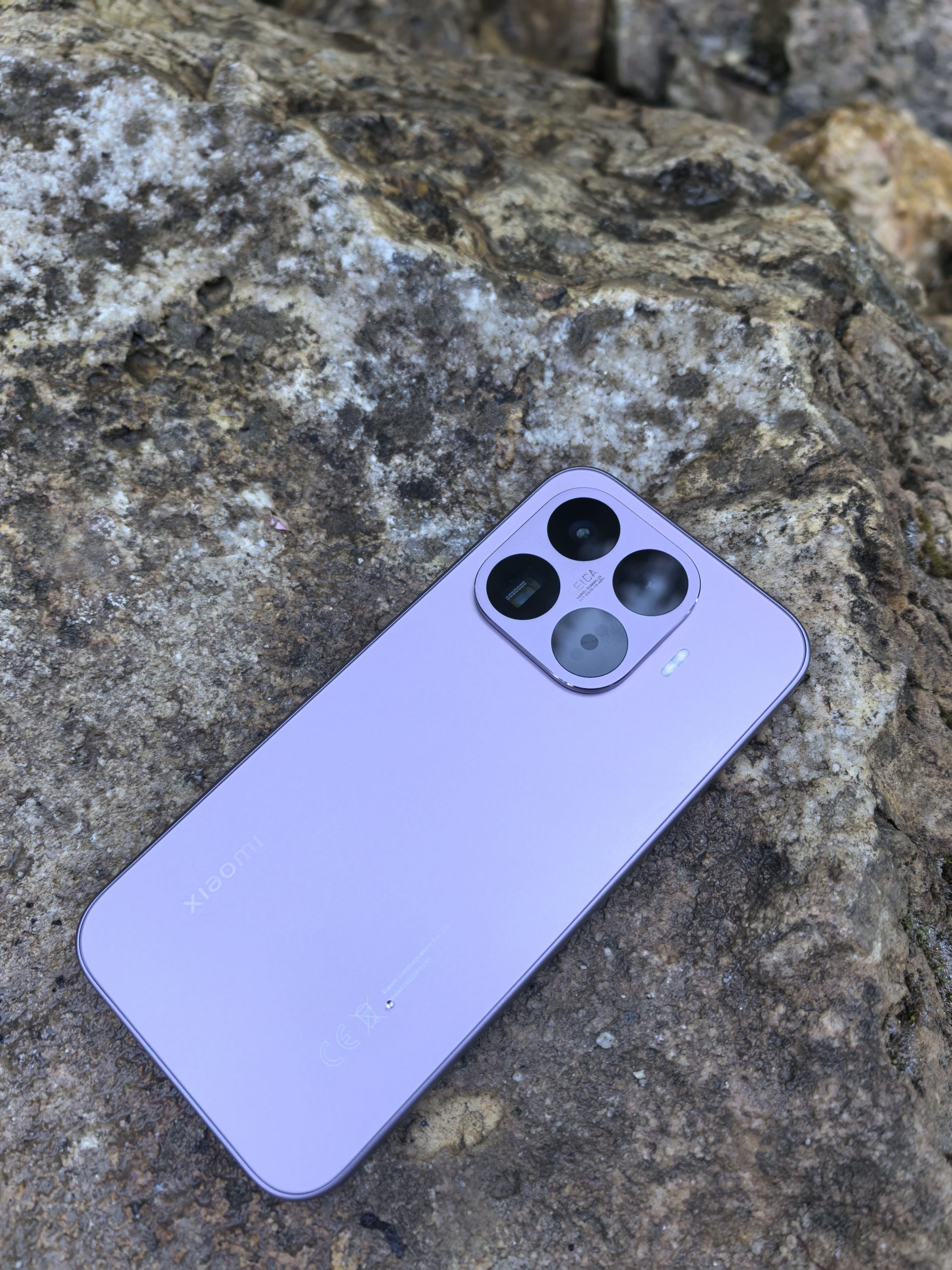
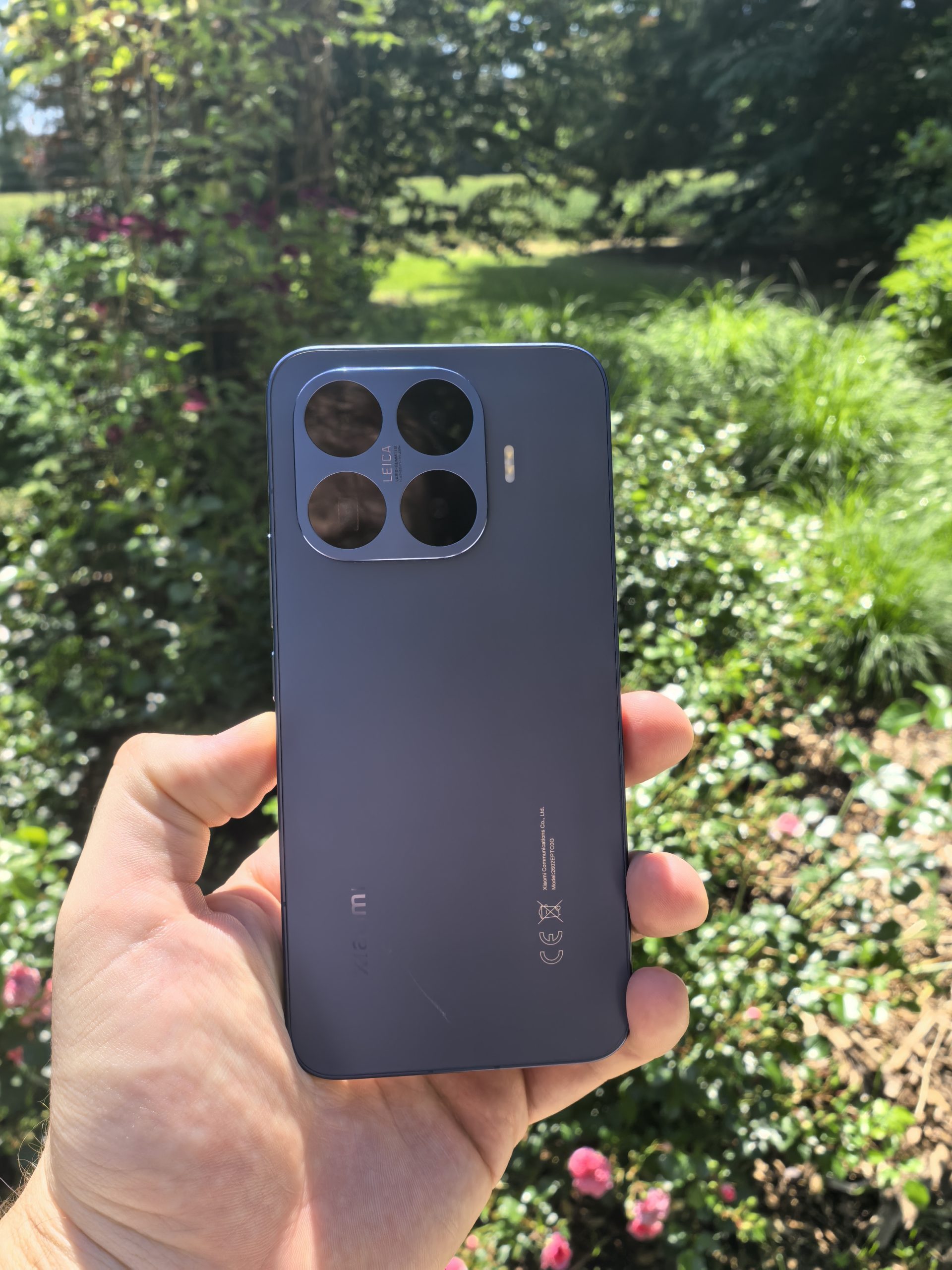
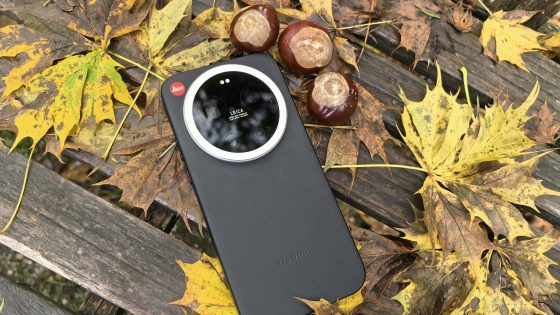
Both phones are IP68 certified, which is welcome. For phones in this price range, this is no longer a luxury, but an expectation. The Leica-branded camera module is not too awkward either. It protrudes slightly from the case, but due to the flat back, the phone does not feel as unstable on a table as you might expect. Xiaomi clearly understood that huge camera protrusions are not always a sign of prestige, but sometimes just an everyday nuisance.
The phones have a calm design and are almost identical to last year's series. Xiaomi 15TI would rather see them try something new, but that's a mistake made by quite a few manufacturers, not just Xiaomi. They took the safe route instead of experimenting.
The screen numbers are good, the difference is in size and speed
The display is one of the stronger areas of both phones. The Xiaomi 17T has a 6.59-inch 1.5K AMOLED display with a 120Hz refresh rate, while the Xiaomi 17T Pro has a larger 6.83-inch 1.5K AMOLED with 144Hz. Will you notice the difference in refresh rate? No, both are very smooth, responsive, animations are flawless, but the range of games that can take advantage of 144Hz is extremely small.
Both displays have very high peak brightness of up to 3500 nits (typical around 1700 nits), support for HDR10+ and Dolby Vision, and various certifications for less blue light, less flicker, and more user-friendly use at night.
The colors are typical Xiaomi. They can be very attractive, but you can tone them down with a more natural profile. The default settings are not wrong, but if the user wants a more realistic display of skin and photos, it is worth looking into the display settings. High brightness means that the phones are well usable outdoors, but the advertised 3500 nits should not be understood as constant brightness across the entire screen. These are the maximum values in special conditions, usually with HDR content or on a smaller part of the screen. More important information is the typical brightness, which is on average around 1100 nits.
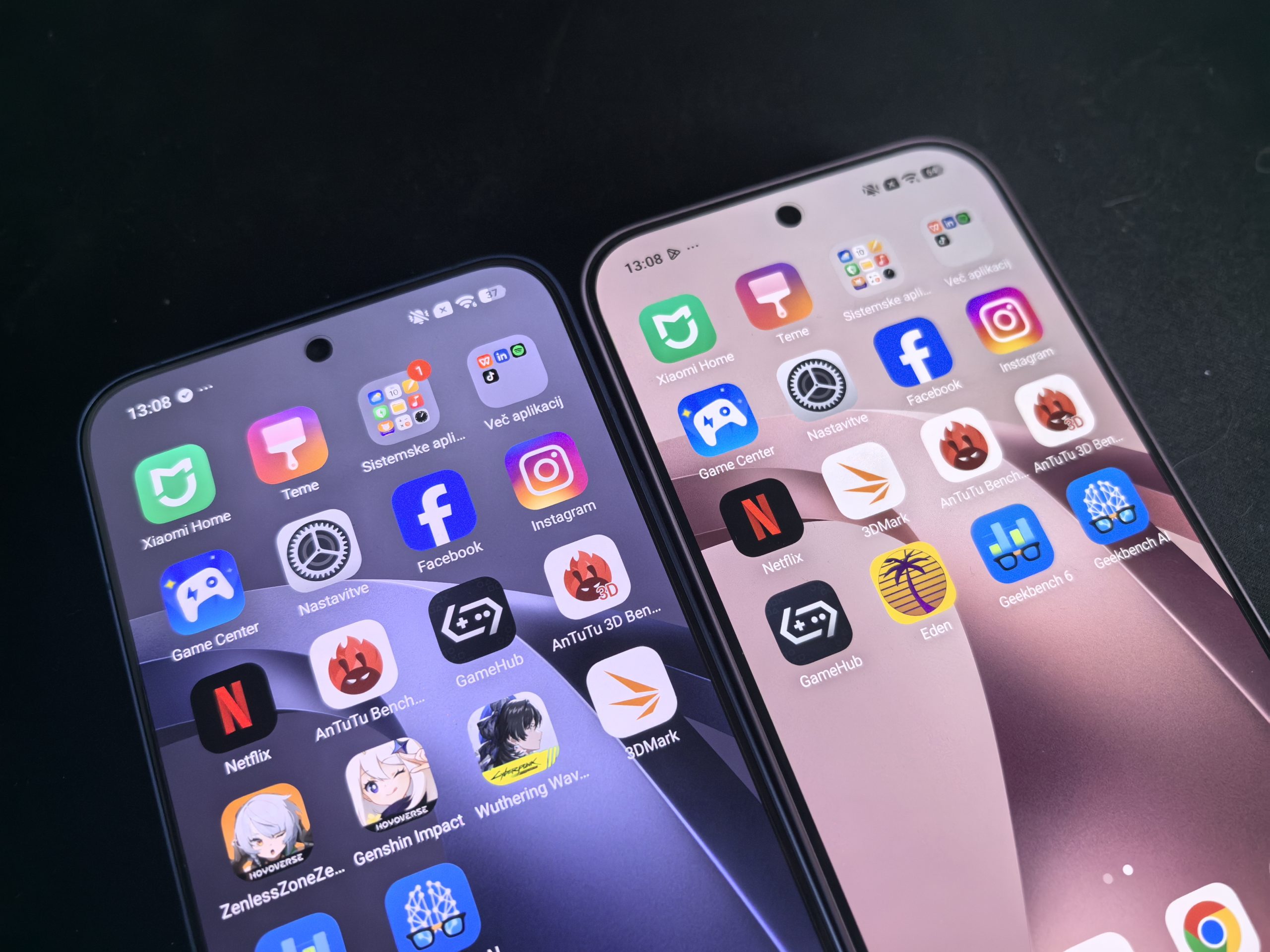
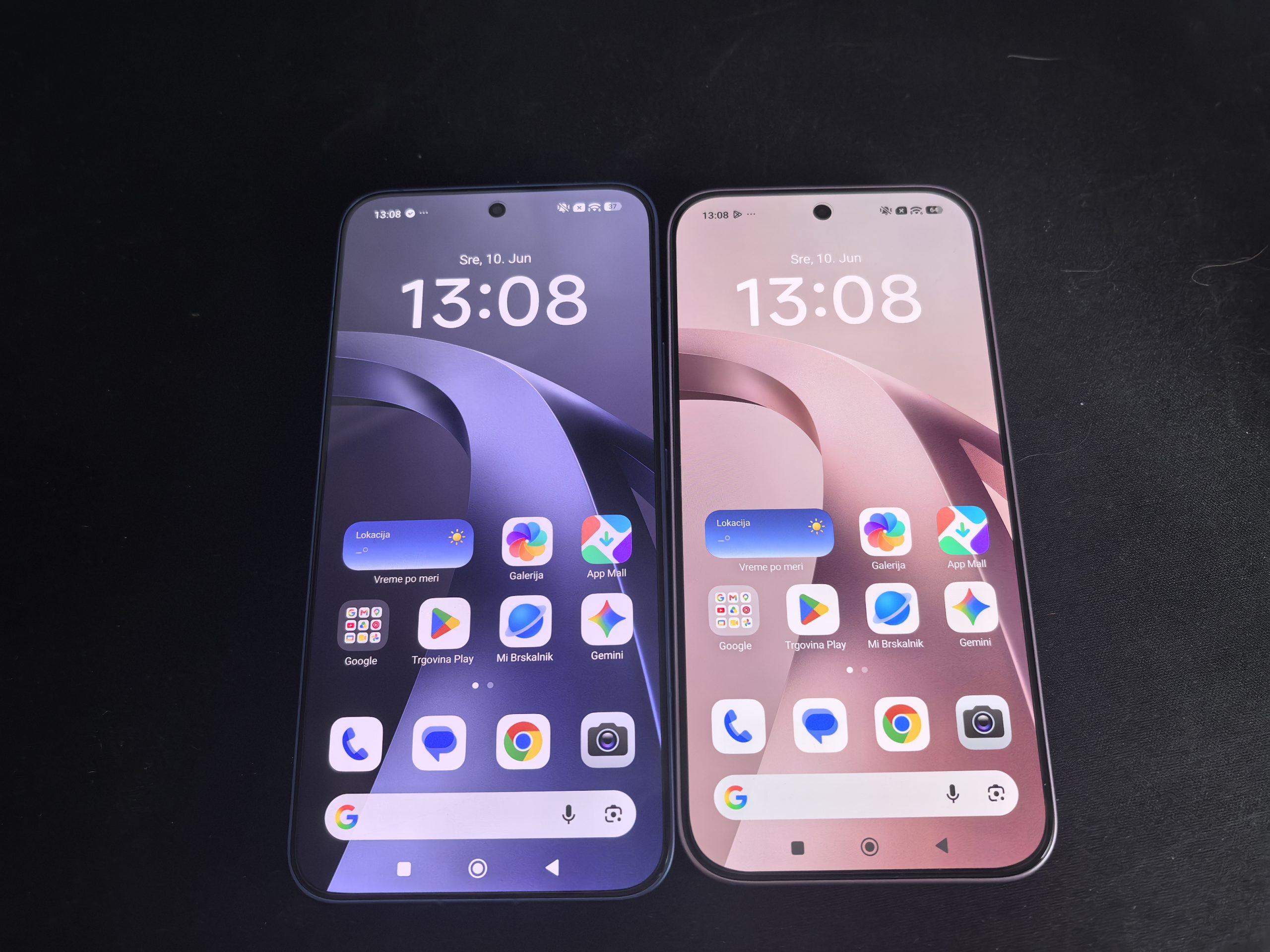
What I noticed, but only on the Xiaomi 17T, is that the screen doesn't always refresh at 120 Hz (if you force the highest speed in the settings, instead of dynamic refresh) in absolutely all applications. The applications are also not always the same. On YouTube, I sometimes had 120 Hz, and sometimes 60 Hz. But the next day it worked normally. Maybe it was just my version. The Xiaomi 17T Pro didn't have this problem.
Dimensity 8500 Ultra vs Dimensity 9500, the winner is immediately clear
The biggest technical difference between the two phones is the processor. The Xiaomi 17T uses the MediaTek Dimensity 8500 Ultra, while the Xiaomi 17T Pro uses the Dimensity 9500.
The Dimensity 8500 Ultra is a very powerful upper-midrange chip built on a 4nm process, with enough power for practically all everyday tasks, multitasking, photography, and most games. The Dimensity 9500 is MediaTek's true flagship chip, a 3nm platform with significantly more powerful processing and graphics, and more reserves for the years to come.
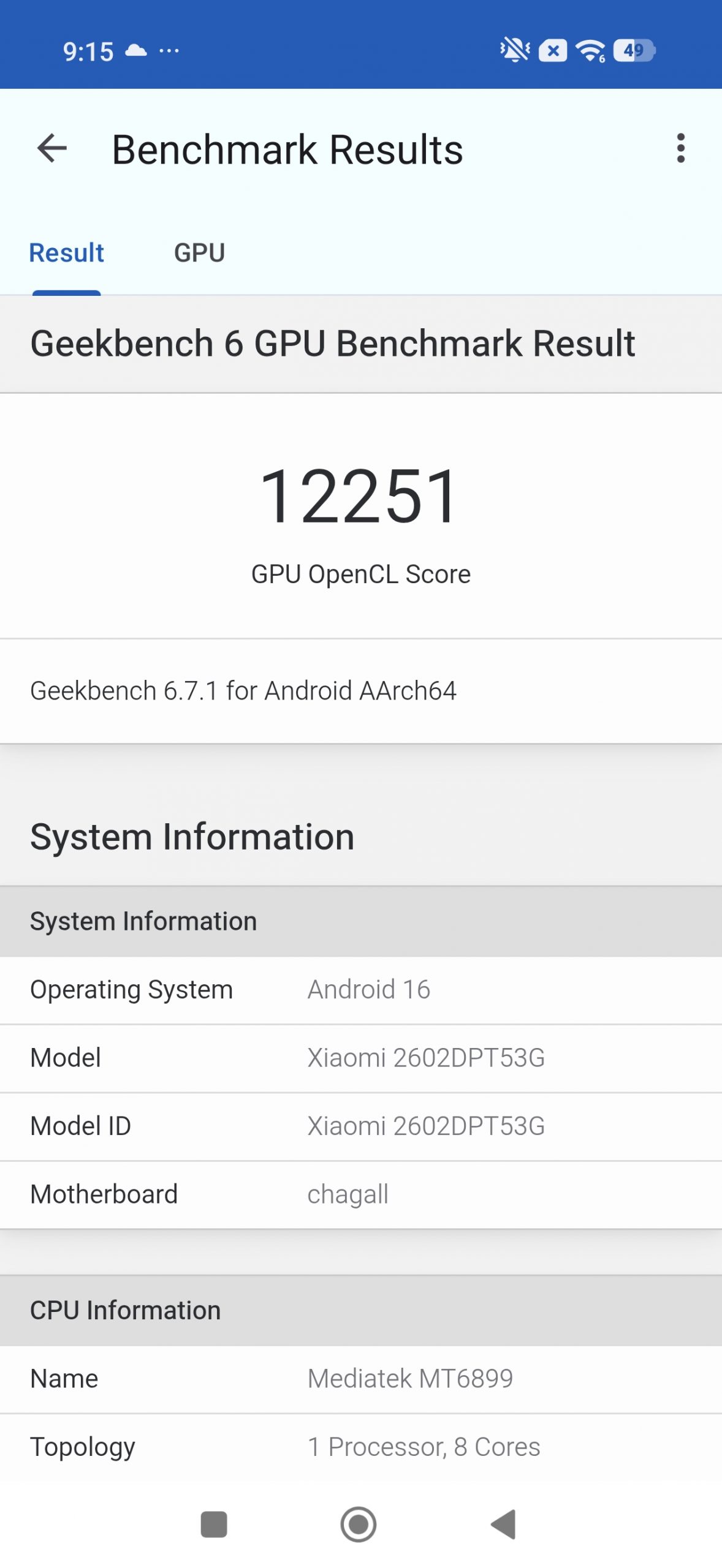
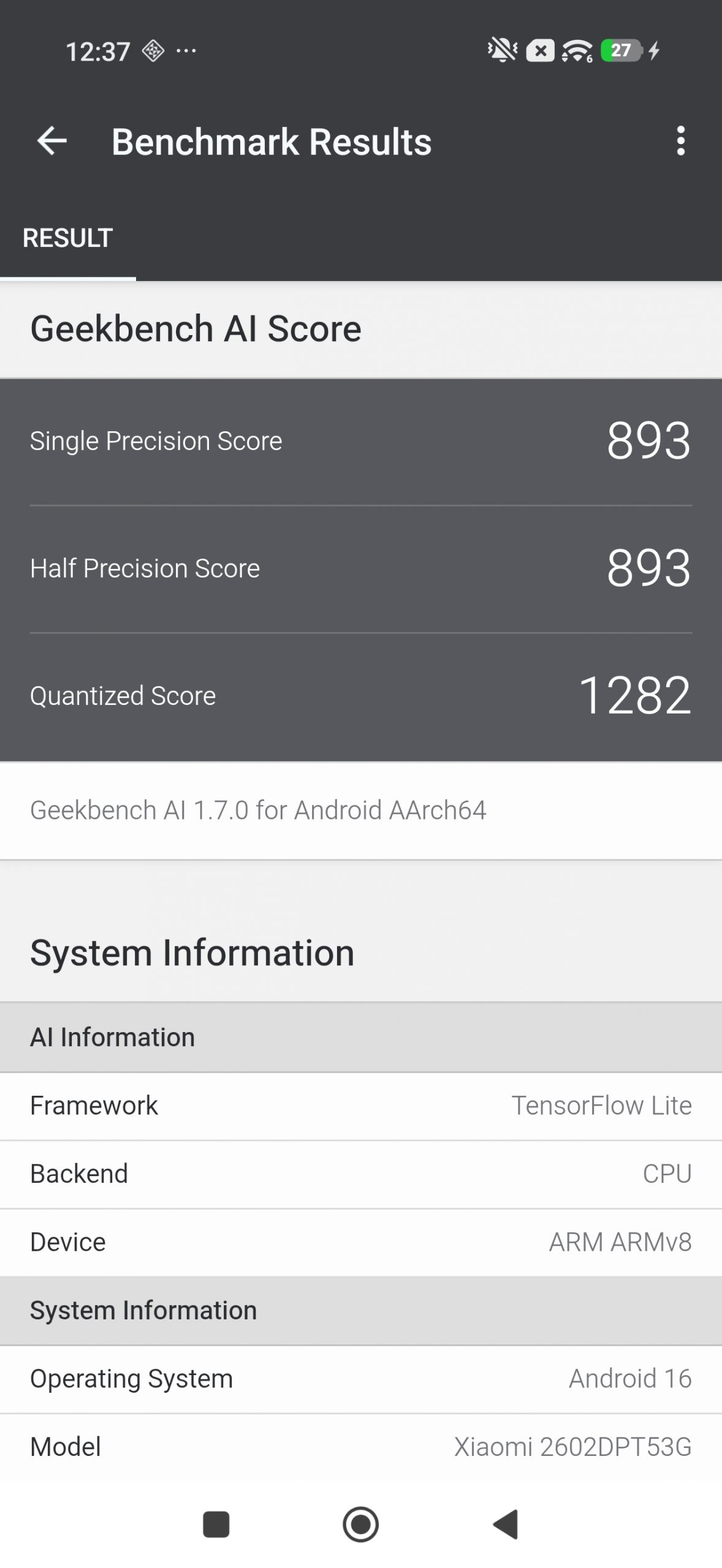
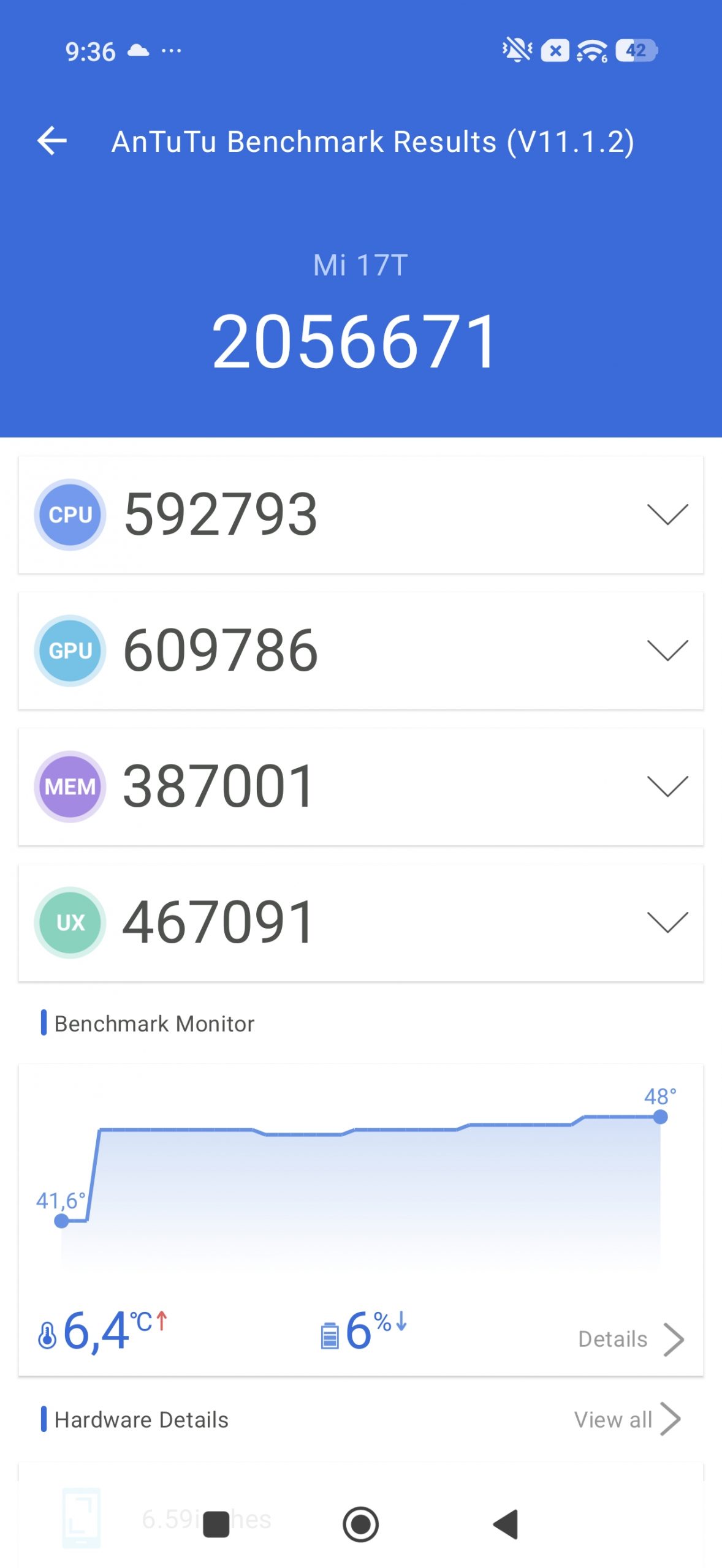
In normal use, the difference is not as dramatic as the synthetic tests show. Opening apps, switching between social networks, taking photos, navigating, YouTube, browsing, and messaging are fast on both phones. The Xiaomi 17T is not a slow phone. Far from it. The problem is that Xiaomi is now pushing it into a price range where the user already expects almost flagship performance. And here the Pro clearly shows more muscle.
I miss the Snapdragon chip on both phones. At this price, they deserve it. Not because I'm blindly loyal to Qualcomm, but because for most users they offer a better experience. I'm talking about drivers that make a difference as soon as you start working outside the mold we're used to on Android. Editing and exporting footage in CapCut is faster, emulators for Windows and Switch games mostly require dedicated (Turnip) drivers, which are mostly unavailable for MediaTek chips. If you're that kind of user, then you'll miss Snapdragon too.
Xiaomi 17T Pro tests
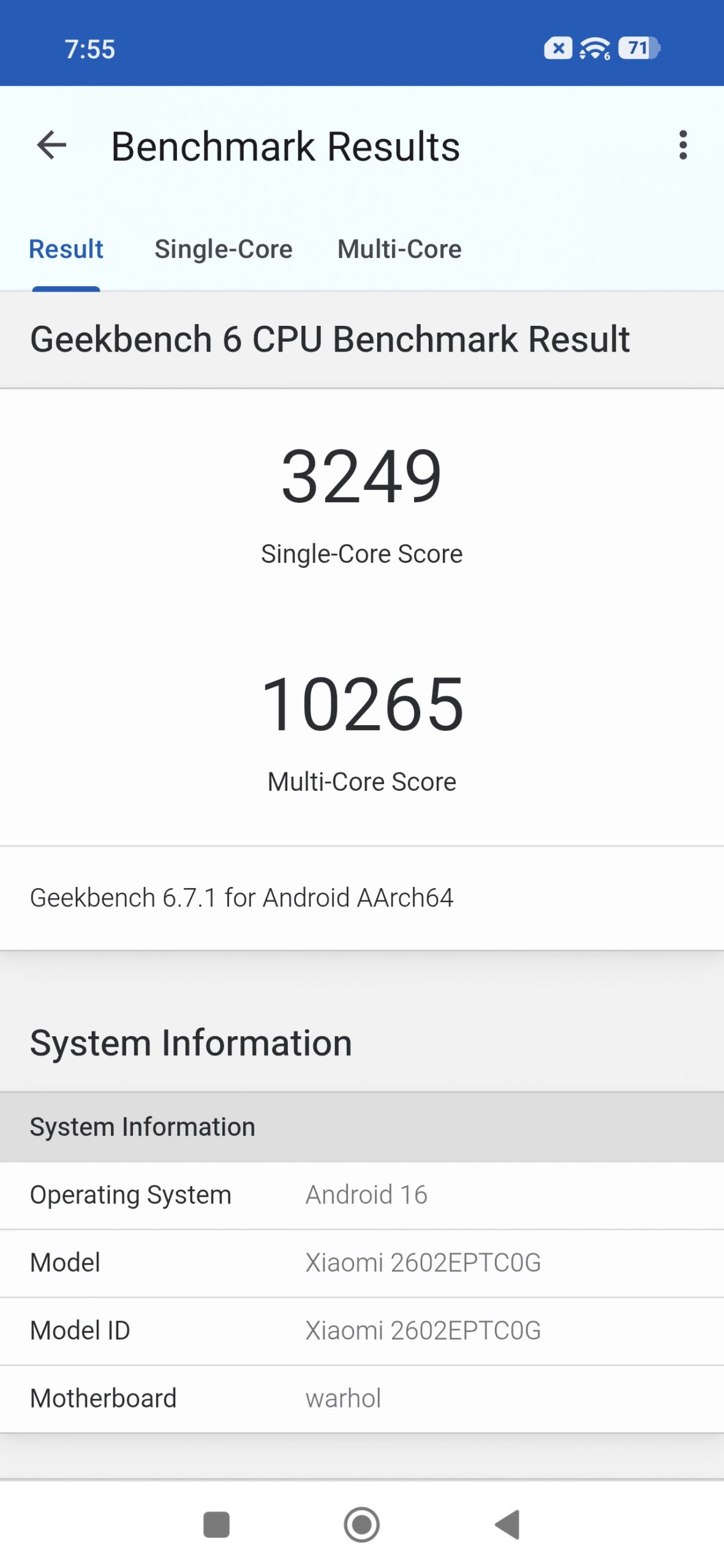
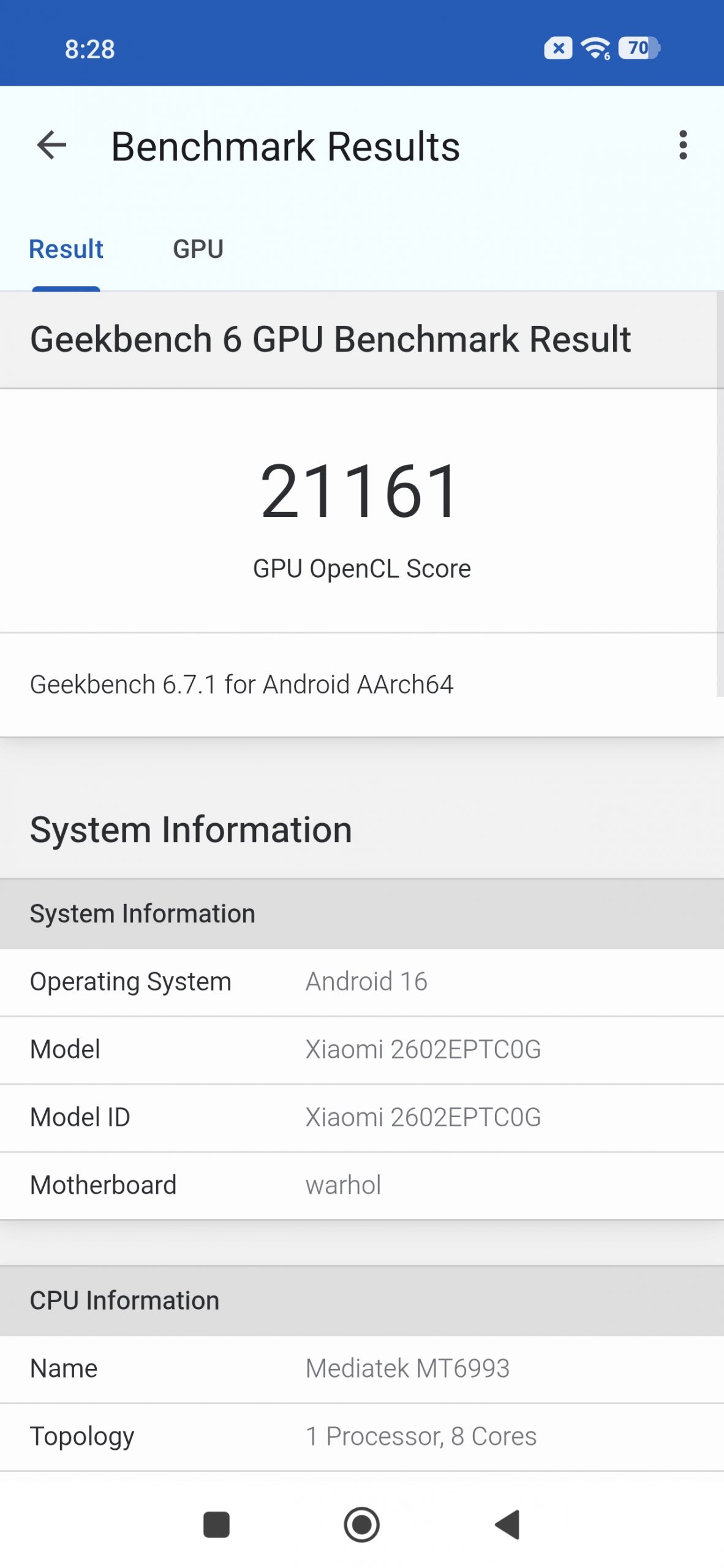
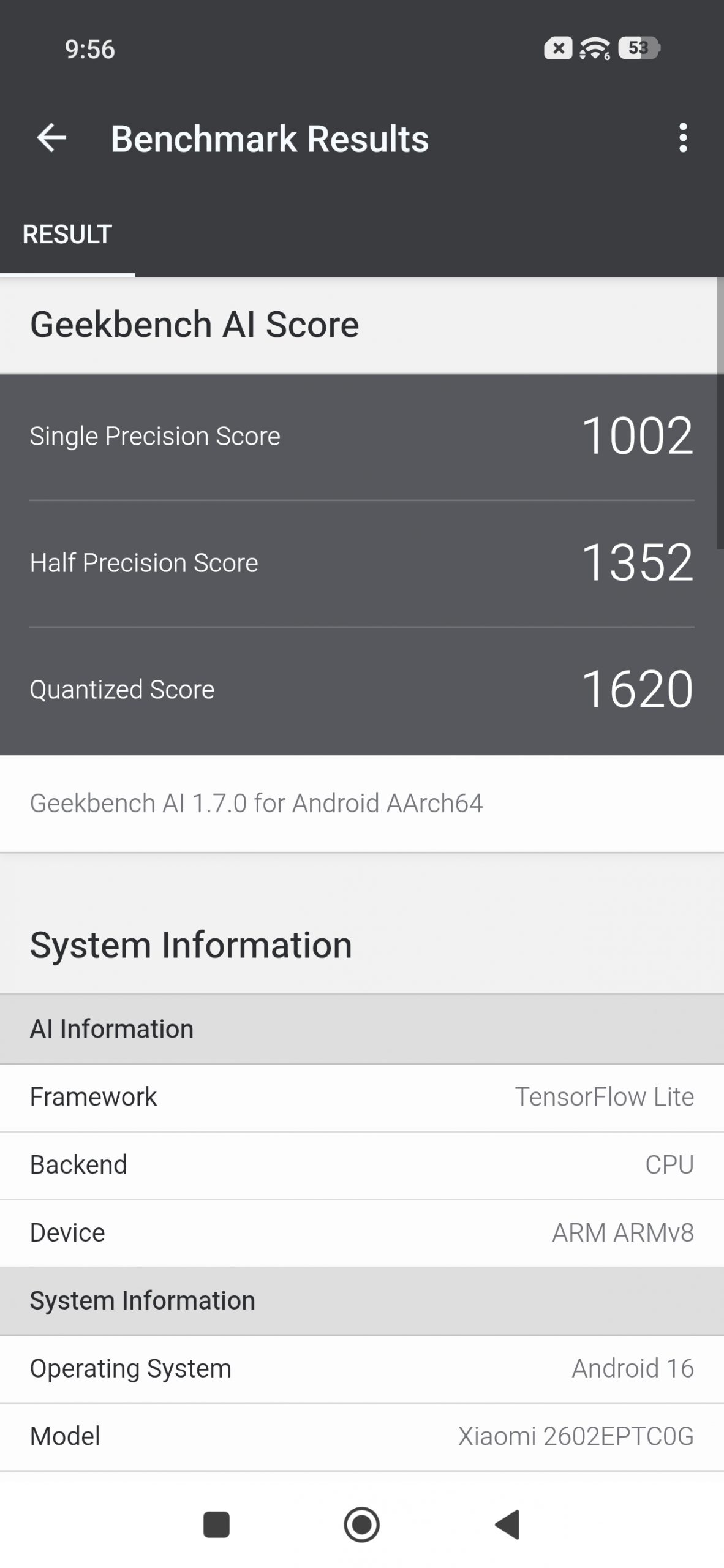
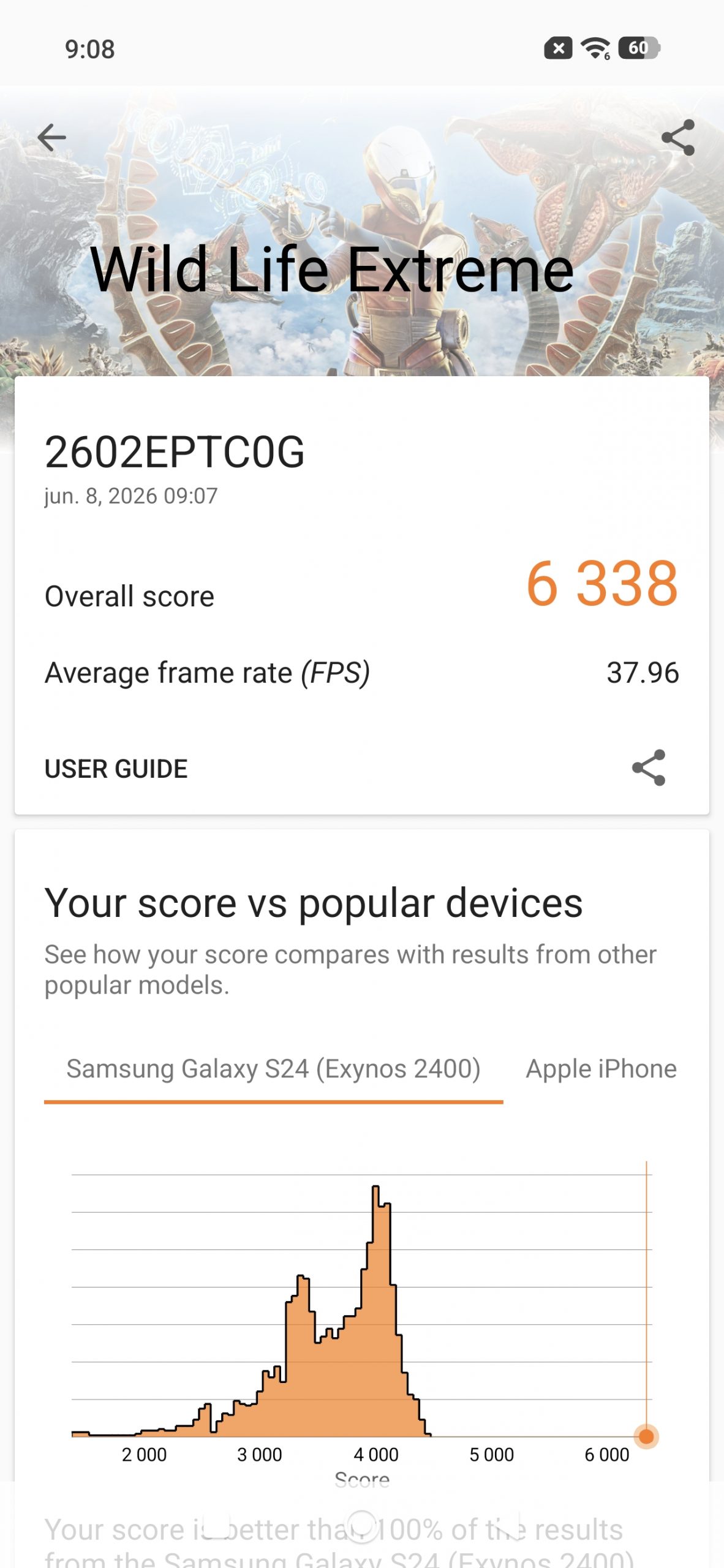
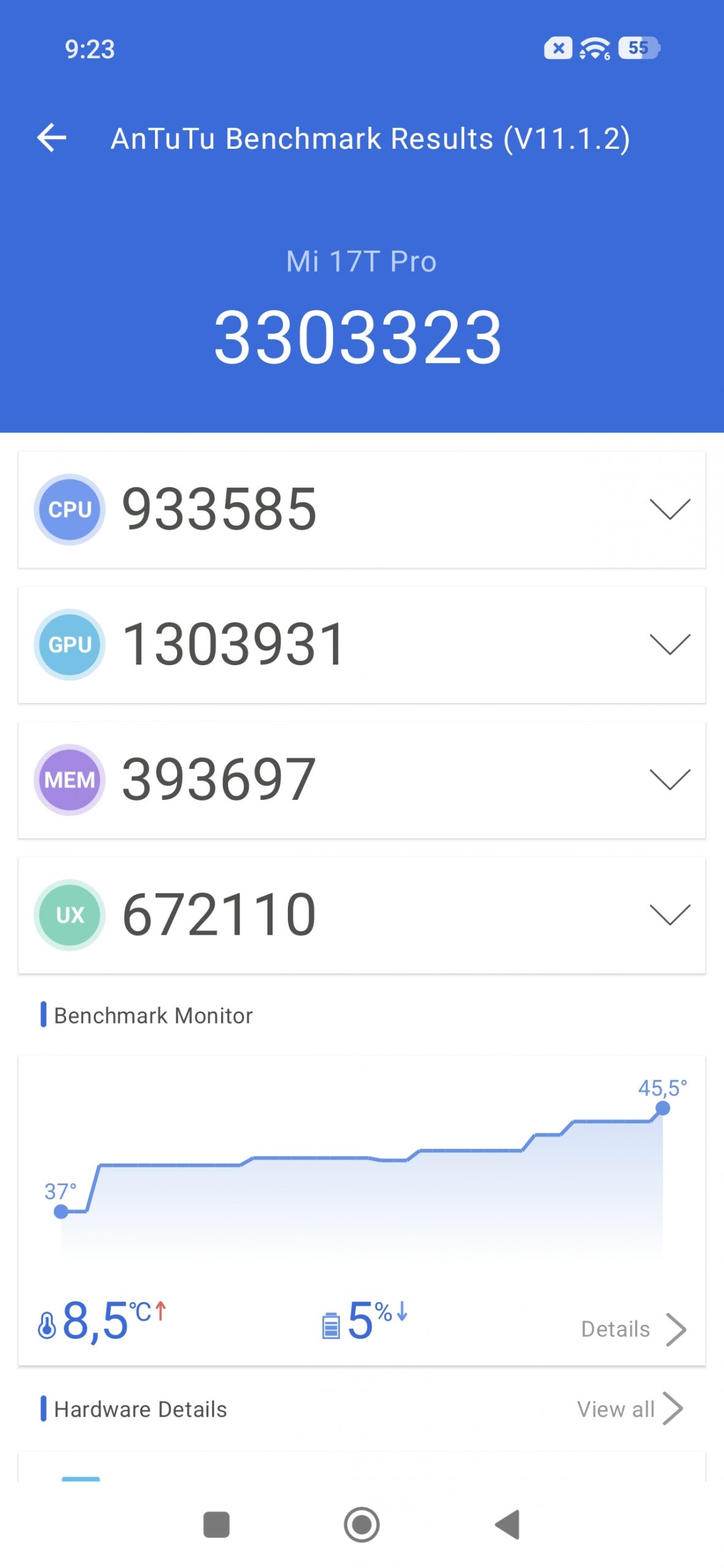
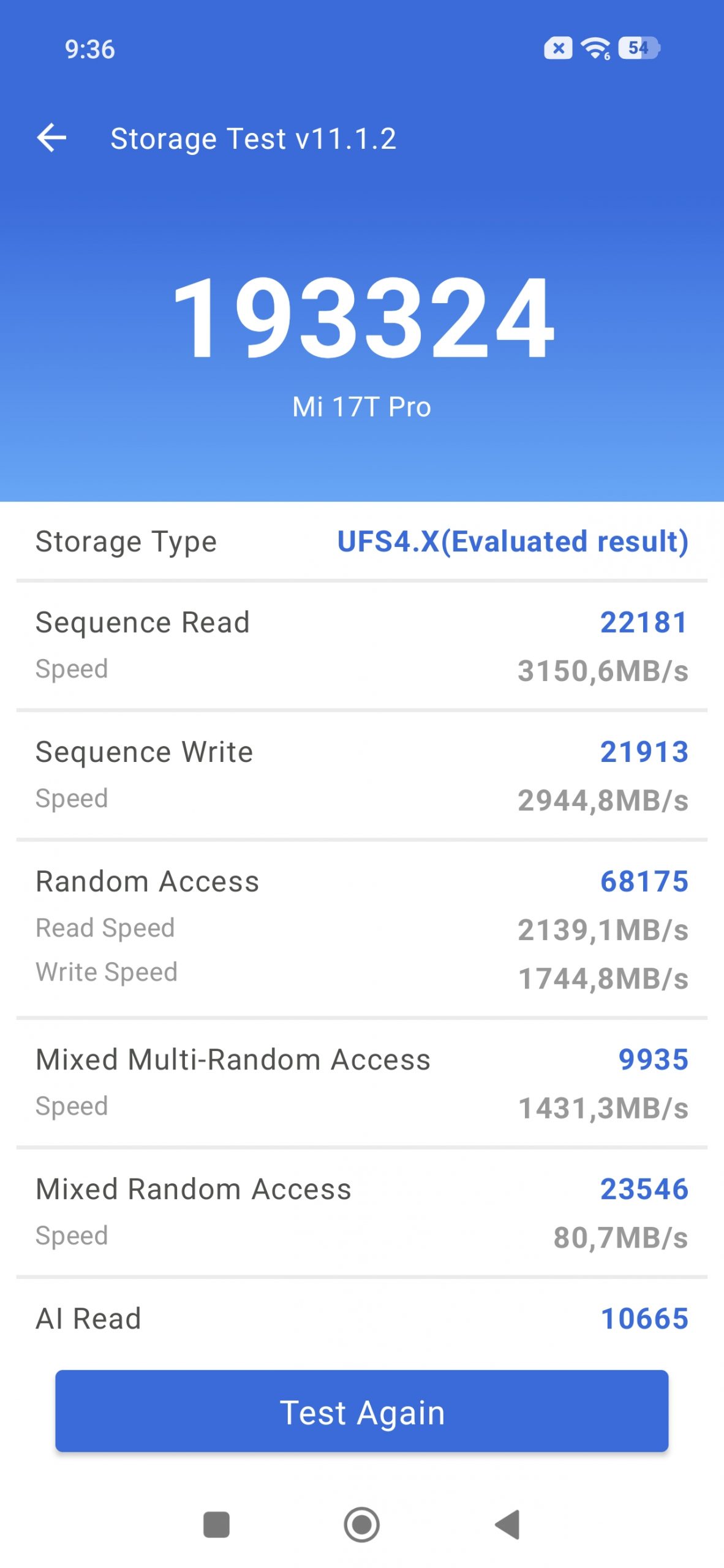
Both phones use LPDDR5X memory and, according to official data, also have the same fast UFS 4.1 drive, but my results show that the Xiaomi 17T has a faster drive, which is very strange. I repeated the test several times and with different programs and the result was always the same. Again, it is possible that the problem is in my test model, but I will wait to see if others encounter the same problem.
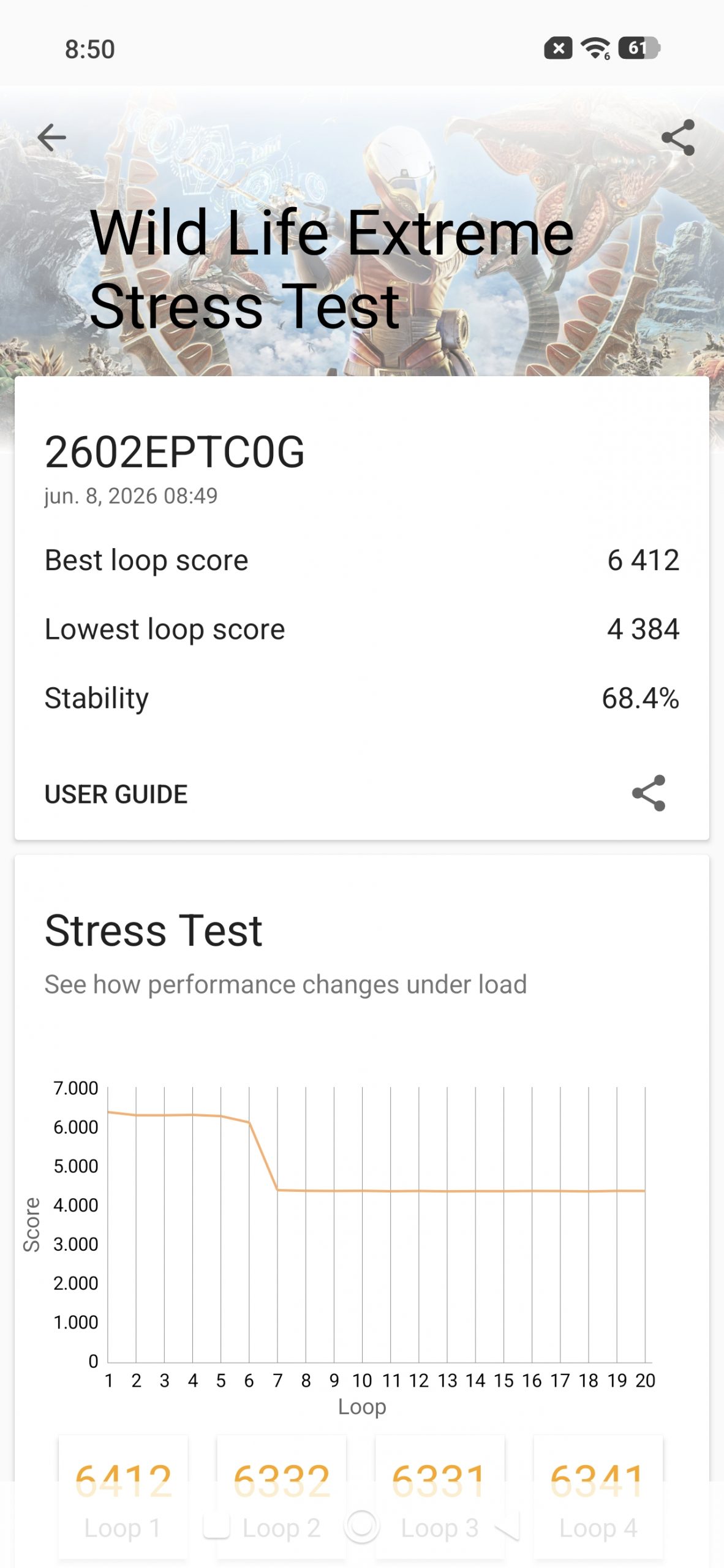
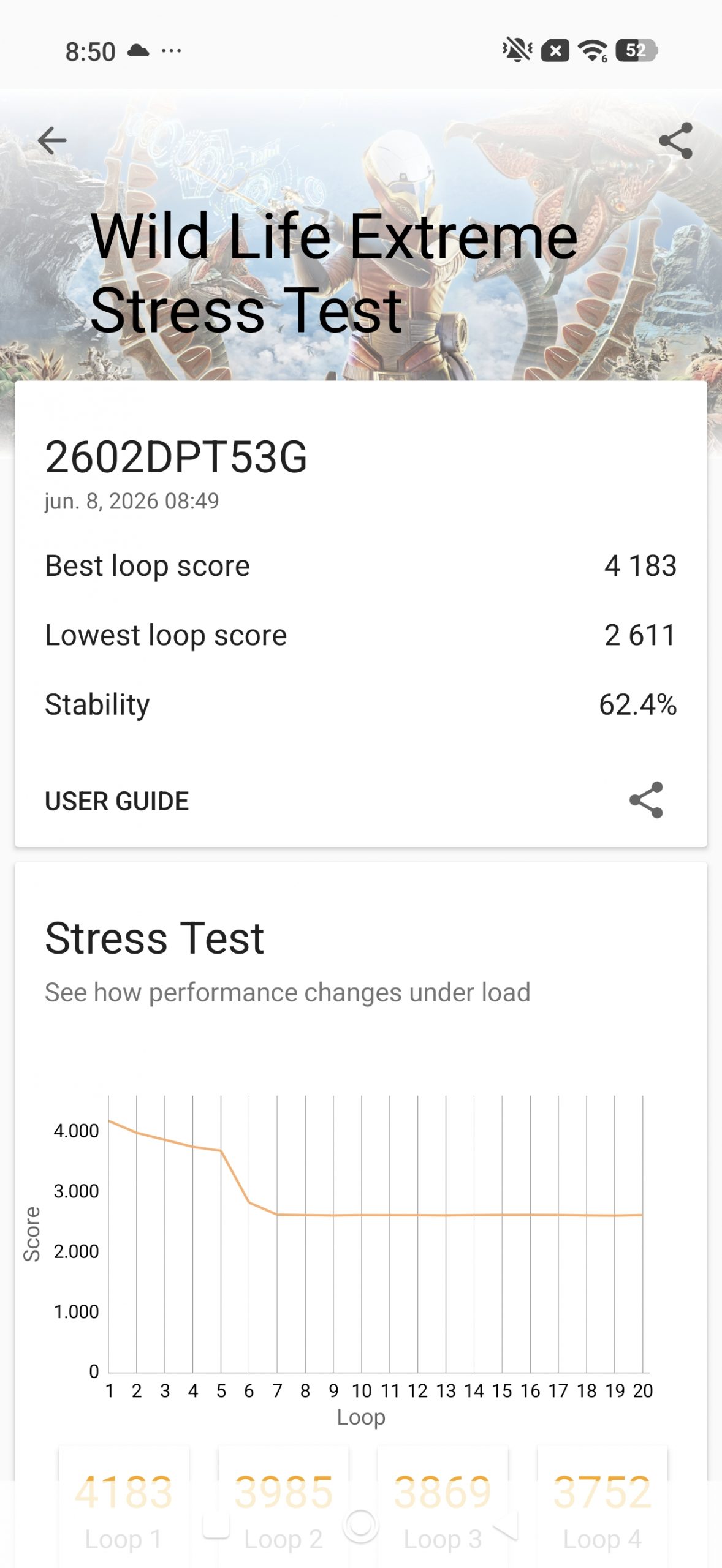
Xiaomi uses 3D IceLoop cooling on both. It's a marketing name, but the basics are the same as on all other phones. The phone needs to move heat away from the chip and camera, otherwise performance will quickly degrade. I didn't expect any issues with normal use, and I shouldn't have. The 17T stayed relatively cool when using a combination of navigation, camera, and video, which is important because that's the most typical scenario where a normal user would experience overheating.
Xiaomi 17T tests
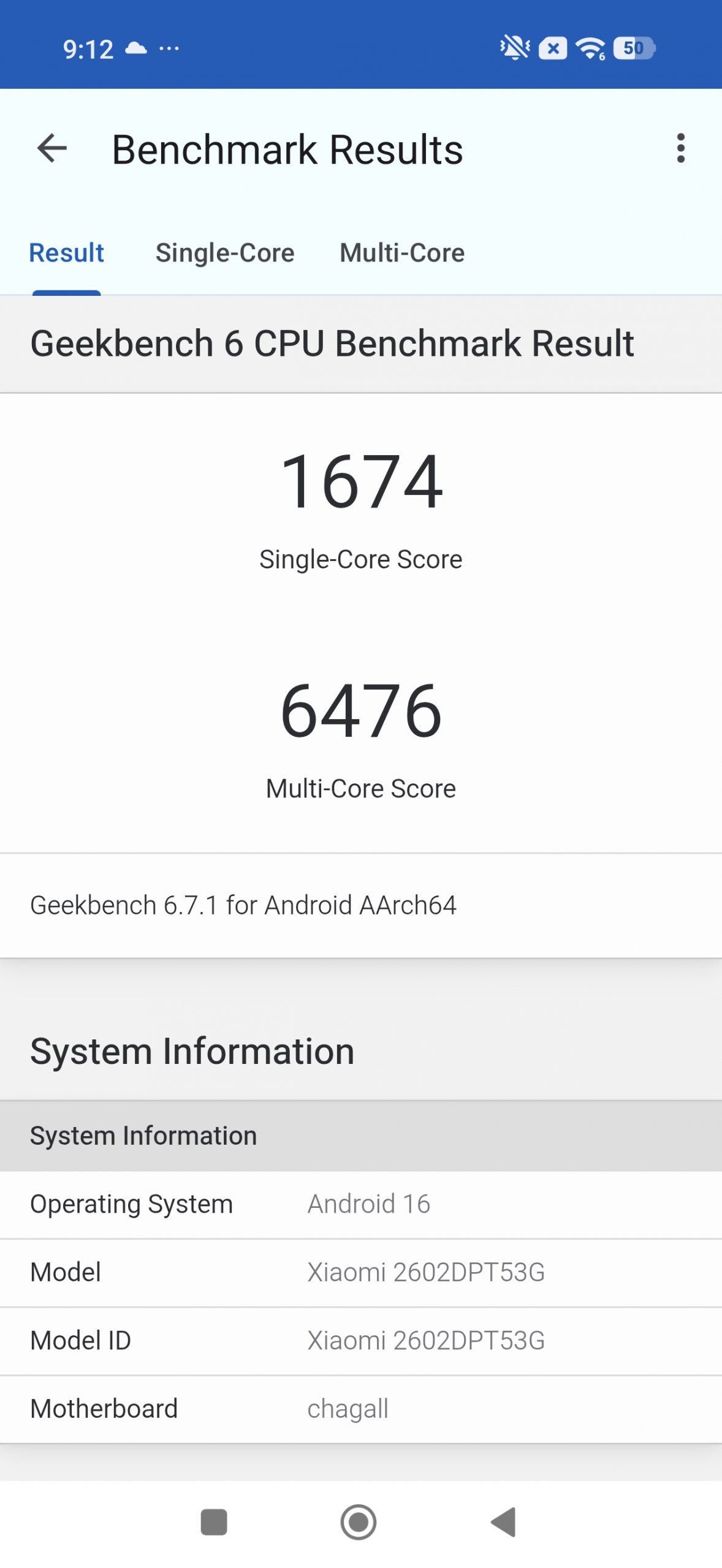
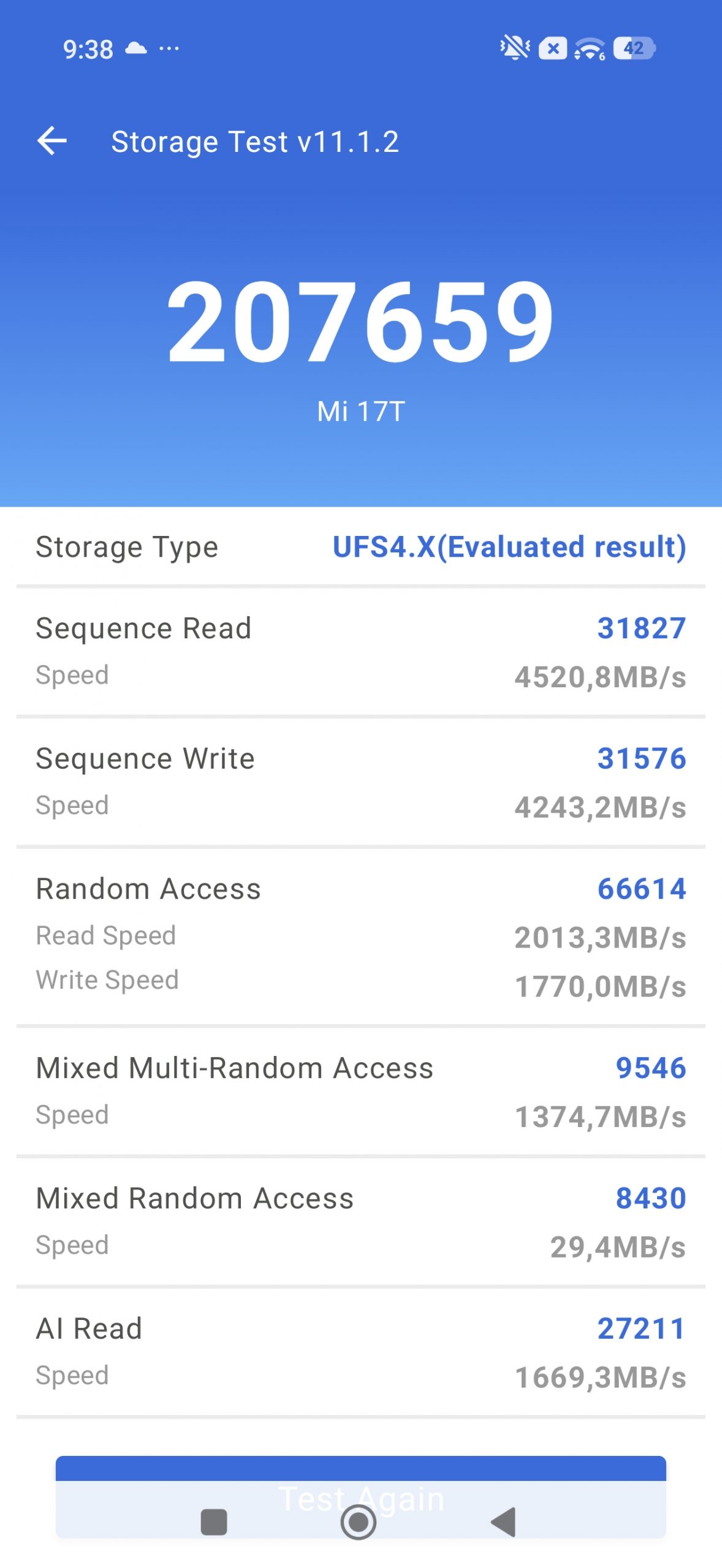
The story is different with the Pro model, as the Dimensity 9500 can handle significantly more, so it can also consume more power and generate more heat when pushed all the way. This doesn't mean the phone will overheat, but some heat should be expected with extended gaming and demanding video playback.
While playing games, I noticed that both of them overheated relatively quickly, or reached the temperature point where I still feel comfortable using an overheated phone, which is usually around 45℃ for the battery and 60℃ for the chip. The Xiaomi 17T stayed below the limit for a longer time, mainly due to the less powerful chip.
For Android games, both are good, but in Windows and Switch environments, mixed results
For purely classic Android games, both phones are very good. Call of Duty, Genshin Impact, Wuthering Waves, Zenless Zone Zero, Where Winds Meet … These are Android games that both can run without problems. Xiaomi 17T mostly at medium settings for the most stable fps and Xiaomi 17T Pro mostly at the highest, the exceptions are Where Winds Meet and Zenless Zone Zero, where I would still lower the settings a bit for the best experience.
The story is more complicated for Switch emulation. MediaTek chips use Mali graphics, so they don't have the same advantage as Snapdragon phones with Adreno graphics and Turnip drivers. For older and lighter Switch games, the Dimensity 8500 Ultra can deliver a solid experience, but compatibility is less predictable. Some games work, others have graphical glitches, black screens, or driver issues. The Dimensity 9500 is significantly more powerful and will have more raw power, but power alone won't solve all emulation problems. Since I had very limited time with both phones, after initial setbacks, I decided to focus on other platforms.
It's similar with Windows games. GameHub and Winlator have recently significantly improved support for MediaTek, especially for the more powerful Dimensity 9000 chips, but it's still not as easy as it is with Snapdragons.
More in the table below.
Android games
| Game | Xiaomi 17T Pro | Xiaomi 17T |
|---|---|---|
| Genshin Impact | 58 fps | 51 fps |
| Zenless Zone Zero | 60fps | 49 fps |
| Wuthering Waves | 54 fps | 46 fps |
Windows games
| Game | Xiaomi 17T Pro | Xiaomi 17T |
|---|---|---|
| Batman Arkham Knight | 25 fps | 19 fps |
| GTA V | 54 fps | 41 fps |
| Hollow Knight Silksong | 57 fps | 50 fps |
If you're a serious gamer and don't just play Android games, choose Snapdragon phones. The closest rival is the HONOR 600 Pro.
Xiaomi promises five major system upgrades and six years of security patches, which is very good.
The battery is good, but not great
The Xiaomi 17T has a 6500 mAh battery and 67 W charging. The Xiaomi 17T Pro has a 7000 mAh silicon-carbon battery, 100 W wired, 50 W wireless, and 22.5 W reverse wired charging.
The autonomy is good on both. It is clear that the Xiaomi 17T, despite the smaller capacity, will last longer, with moderate and especially intensive use. On average, I achieved 11 hours of screen on time (SoT) with the Xiaomi 17T Pro, and around 13 hours with the Xiaomi 17T. On those days when I tested games, the autonomy understandably decreased by 30-40 %.
The 5x telephoto lens is the main story
The most interesting thing about both phones is the camera. Xiaomi decided to give the T series a true 5x periscope telephoto lens. Most people take photos of children, animals, concerts, buildings, food, travel, and portraits. For these subjects, a good zoom is often more useful than a few percent better main sensor.
The Xiaomi 17T has a 50 MP main camera with a Light Fusion 800 sensor, optical stabilization and Leica processing. The Xiaomi 17T Pro uses a larger 50 MP Light Fusion 950 sensor, which captures more information in low light, has better potential for natural depth, and is easier to preserve details without aggressive smoothing. The difference during the day is not always huge, but in the evening and in challenging light, the Pro is more convincing.
Xiaomi 17T Pro photo gallery









Both have a 50MP 5x periscope telephoto lens with optical stabilization, 115mm equivalent, and f/3.0 aperture. This is the most important camera in this generation. The 5x zoom is just the right amount of distance to get a different perspective on the world without being too specialized. You can create a more natural perspective for portraits, capture details on buildings for travel, and get closer to concerts and sports without digitally destroying the image.
Up to 10x the results can be very useful. Above that we enter the realm of computational photography, where we need to have realistic expectations. Xiaomi does offer very high digital zooms, but these are more of a demonstration than a serious photography tool. The 120x zoom is fun, but not a reason to buy.
The ultra-wide camera remains the weakest link. The 12MP sensor is useful for landscapes, architecture, and group shots, but it doesn't match the main and telephoto cameras in terms of detail, color consistency, and nighttime performance.
The 32MP front camera is good for video calls and social media, but don't expect the naturalness of the best flagship phones. Selfies can be a bit softer and more processed, which some people will like, while others won't.
Xiaomi 17T photo gallery






The Leica Vibrant and Leica Authentic profiles have a real impact on the look of your photos. Vibrant is more contrasty, more colorful, and more suitable for immediate publication. Authentic is more subdued, with more character, but can appear darker in shadows and less pleasing at first glance.
I would use Vibrant most of the time for everyday use, and Authentic for street photography, architecture, and scenes with interesting lighting.
Leica Live Moment is a feature that hasn't convinced me yet. It's the idea that the phone captures a brief moment around the photo and then helps you choose the best frame. It's handy for kids, pets, portraits, and moving subjects, but in my case, it didn't produce consistent results. Maybe it just takes some getting used to.
Xiaomi 17T and Xiaomi 17T Pro – good phones and proof that the middle class is changing
The T series used to mean almost all the best, but for significantly less money. Now it means a lot of the best, but also for more money. I'm worried that this is not the last price increase and that the next generation will be even more expensive. At least that's what the market is showing. I hope I'm wrong.
If I had to choose just one, I would choose the Xiaomi 17T Pro, despite the high price. Not because the regular 17T is bad, but because the price difference is quite reasonable compared to what you get. The Xiaomi 17T makes more sense if you want a lighter phone, a slightly more compact design, you won't miss wireless charging and you're not chasing the best numbers in tests. But if I were to look at the rivals, I would choose the Xiaomi 17T Pro among all of them, at least considering the current prices. POCO F8 Ultra or Xiaomi 17.
Maybe I'm being too harsh and the middle class isn't disappearing. Maybe the price limit has just gone up and I need to get used to it.