

Share with others:

New batteries for electric vehicles charge as fast as refueling

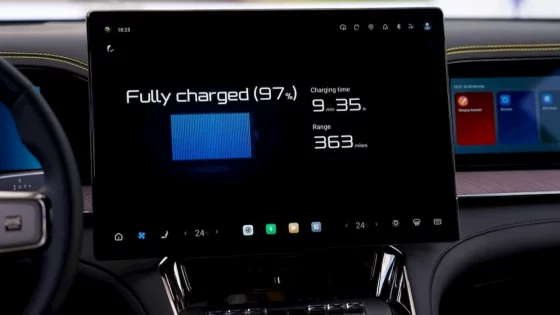
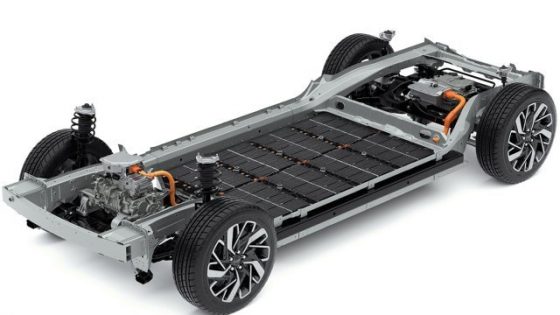
CATL, the world’s leading battery manufacturer, has unveiled its latest innovation that will revolutionize the driving habits of electric car owners. The key advantage of the new battery pack is its incredible charging speed. According to the company, drivers can charge enough energy for 600 kilometers of driving in just six minutes, or can charge the battery from 10 percent to 35 percent in just one minute. This means that a charging stop takes no longer than a typical fuel stop for an internal combustion vehicle.
In addition to speed, the new technology solves another major problem of electric vehicles: their weight. The battery pack is designed using new materials and an optimized architecture, which allows for a significant weight reduction. Compared to currently standard batteries of similar capacity, the new pack is approximately 225 kilograms lighter. To put this in perspective, this is the weight equivalent of three adult men. The lower vehicle weight not only means better handling and shorter braking distances, but also directly increases the efficiency of energy consumption per kilometer traveled.
The technical breakthrough is based on a new chemical composition and an improved thermal management system that allows high charging currents without the risk of overheating. The battery maintains a high energy density, meaning that despite its lower weight, it does not sacrifice range. The battery housing measures approximately 200 cm in length (around 78.7 cm in width for smaller modules), allowing for easy integration into various vehicle platforms.
Although official prices for end-users have not yet been fully disclosed, analysts estimate that production costs will remain competitive due to optimized processes. It is estimated that integrating such a battery into a mid-range car could cost approximately 8,300 euros more than standard models, but this cost is quickly repaid through increased efficiency and time savings. The first vehicles with these batteries are expected to hit the roads next year.